I Want

    Residential HVACCommercial HVACRefrigerationEmergency HVAC


    Fast | No obligation

    Signs Your Rooftop HVAC Unit Needs Maintenance

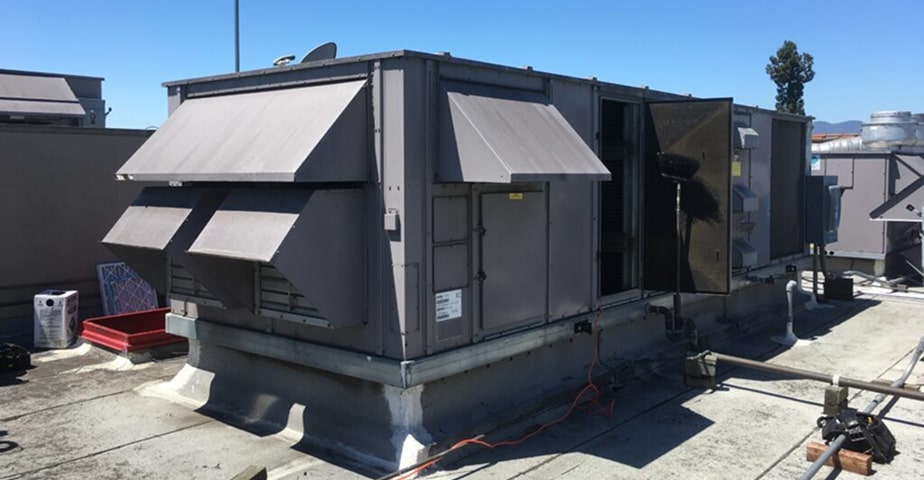
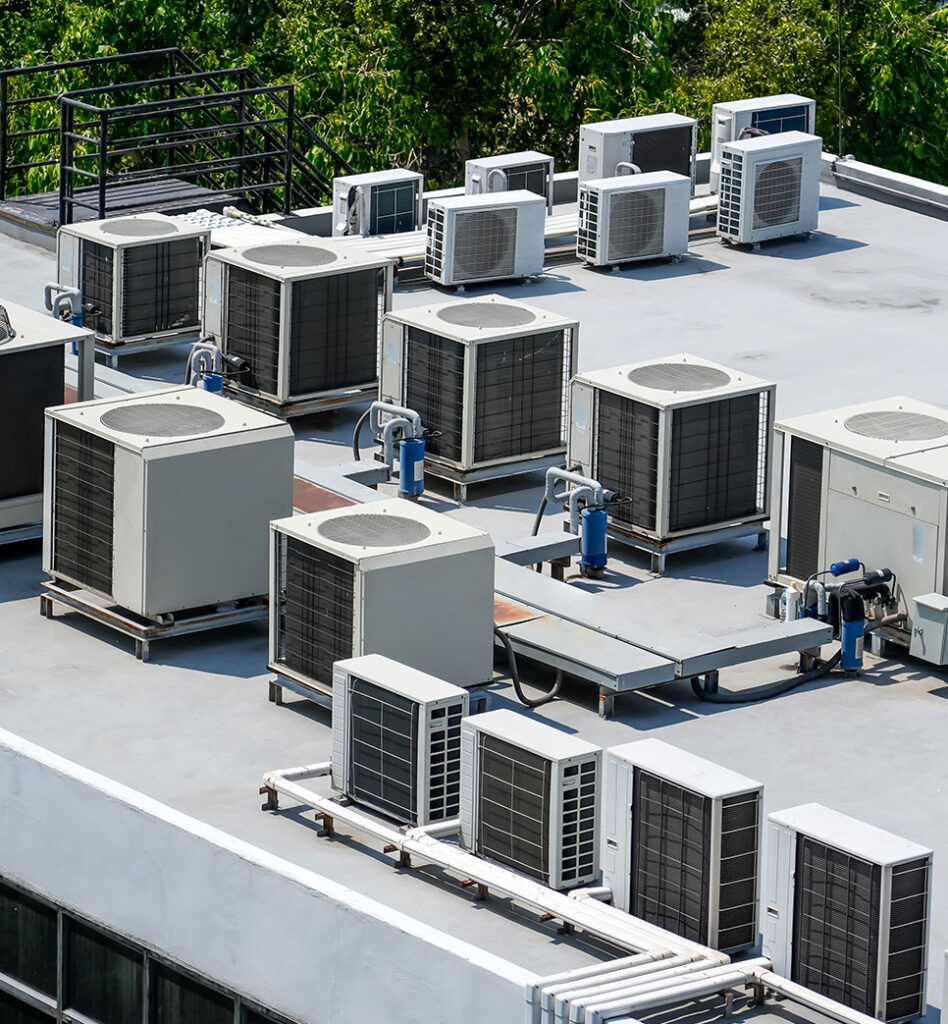
    Your commercial rooftop HVAC system works tirelessly, often out of sight and out of mind, to keep your business environment comfortable and productive. Because it’s not always visible, it’s easy to neglect its need for regular care. However, an HVAC unit will almost always send out warning signals before a catastrophic failure. Recognizing these signs is crucial for any business owner or facility manager who wants to avoid costly downtime and emergency repairs.

    Ignoring these early warnings is like ignoring the check engine light in your car—it’s a gamble that rarely pays off. This guide will walk you through the key signs HVAC needs maintenance, explaining what these symptoms mean and why addressing them promptly is essential. Learning to spot these rooftop HVAC issues is the first step in effective commercial HVAC troubleshooting and protecting your business’s bottom line.

    1. Unusual and Persistent Noises

    One of the most apparent signs of an HVAC problem is a change in its sound profile. A well-maintained unit should operate with a consistent, low-level hum. When new, disruptive noises appear, they are often mechanical cries for help.

    Squealing or Screeching

    A high-pitched squealing or screeching sound often points to a problem with the belts or motor bearings.

    • Worn Belts: The belts that connect motors and fans can wear out, dry out, or slip over time. The squealing you hear is similar to the sound a car’s fan belt makes when it’s failing. If left unaddressed, the belt can snap, causing an immediate system shutdown and potentially damaging other components.
    • Failing Motor Bearings: Motors contain bearings that allow them to spin freely. As they wear out from lack of lubrication or old age, they create a loud, metallic screeching or grinding noise. A motor seizure is imminent, which is a far more expensive repair than simply lubricating or replacing the bearings during a routine commercial HVAC maintenance visit.

    Grinding or Scraping

    A metallic grinding or scraping noise is a serious red flag that demands immediate attention. This sound typically indicates a severe mechanical problem, such as:

    • A Broken Motor Mount: If a motor’s mounting breaks, the component can shift, causing its moving parts to grind against the housing.
    • A Failed Blower Wheel: The blower wheel can break or become loose, causing the fan blades to scrape against the casing. This not only creates a horrible noise but also severely impedes airflow.
    • Compressor Issues: In the worst-case scenario, grinding noises can come from the compressor, indicating a critical internal failure.

    If you hear grinding, it’s best to shut down the system to prevent further damage and call for an emergency inspection.

    Banging or Clanking

    Loud banging or clanking sounds often mean a part has come loose or broken inside the unit. This could be a loose piston pin or connecting rod in the compressor, a broken part in the blower assembly, or other detached hardware. The loose part is being thrown around inside the unit, risking severe damage to other components.

    Why you can’t ignore it: New noises are direct indicators of mechanical wear and imminent failure. Catching a belt issue early is a minor fix. Waiting for it to snap can cause a full system shutdown during a critical business day, forcing an emergency call to a commercial HVAC repair specialist.

    2. A Sudden Spike in Energy Bills

    Unless your utility company has announced a significant rate hike, your monthly energy bills should be relatively predictable, with seasonal fluctuations. If you notice a sudden, unexplained increase of 15%, 20%, or more, your HVAC system is a prime suspect.

    This increase in consumption is a classic sign of declining efficiency. The system is working much harder and running longer to achieve the same level of heating or cooling. Common causes include:

    • Dirty Coils: The condenser and evaporator coils are where your system transfers heat. When they become caked with dirt, dust, and grime, they can’t transfer heat effectively. This forces the compressor to run longer and harder, consuming much more energy.
    • Clogged Air Filters: Dirty filters restrict airflow, forcing the fan motor to strain. It’s one of the most common and easily preventable causes of inefficiency.
    • Refrigerant Leaks: If your system is low on refrigerant, its cooling capacity is diminished. It will run continuously trying to reach the temperature set on the thermostat, leading to massive energy waste.
    • Aging Components: As motors and compressors age, they become less efficient and draw more power to operate.

    Why you can’t ignore it: A high energy bill is a direct financial drain. The extra money you are paying in utilities could often pay for a comprehensive maintenance plan. More importantly, it’s a clear signal that your system is under severe stress, which dramatically increases the likelihood of a major breakdown and shortens the unit’s overall lifespan.

    3. Inconsistent Temperatures and Reduced Airflow

    Is your building experiencing hot and cold spots? Do some rooms feel stuffy while others are comfortable? Does the air coming from the vents feel weak? These are all symptoms of an HVAC system that is struggling.

    Weak Airflow

    If the airflow from your vents is noticeably weaker than it used to be, it points to a problem with the “air side” of your system. Potential culprits include:

    • Extremely Clogged Filters: This is the most common cause. A filter that is completely blocked with dirt can reduce airflow to a trickle.
    • Blower Fan Issues: The motor powering the blower fan could be failing, or the fan itself might be coated in so much dirt that it can’t move air effectively.
    • Blockages in Ductwork: In some cases, ductwork can become blocked or disconnected, preventing air from reaching its destination.

    Inconsistent Temperatures

    If the system is running but not adequately cooling or heating the space, it indicates a loss of capacity. This could be due to:

    • Low Refrigerant Levels: As mentioned, a leak will reduce the system’s ability to cool.
    • Dirty Coils: The system cannot effectively remove heat from the building if the coils are dirty.
    • Compressor Problems: The compressor is the heart of the cooling system. If it is failing, the unit will not be able to produce cold air efficiently.
    • Thermostat Malfunctions: Sometimes the issue is a faulty or miscalibrated thermostat that is not correctly reading the room temperature or signaling the unit properly.

    Why you can’t ignore it: Inconsistent comfort is a major disruptor for any business, affecting employee productivity and driving customers away. It’s a clear sign your system is failing to do its primary job. Addressing it can be as simple as changing a filter or as complex as repairing a compressor, but ignoring it ensures the problem will only get worse.

    4. Unpleasant Odors Coming from Vents

    Your HVAC system should circulate clean, neutral-smelling air. If you notice any distinct odors coming from the vents, it’s a sign that something is wrong within the unit or your ductwork.

    Musty or Moldy Smells

    A persistent musty odor is a telltale sign of mold or mildew growth somewhere in the system. This commonly occurs when moisture is not draining properly. A clogged condensate line or a cracked drain pan can create standing water, providing the perfect breeding ground for mold. This is a serious issue, as the HVAC system can then distribute mold spores throughout your entire facility, creating a significant health hazard for employees and customers.

    Burning Smells

    A burning smell is an urgent warning that should never be ignored.

    • A “dusty” burning smell might occur the first time you turn on the heat for the season as dust burns off the heat exchanger. This is normal but should dissipate quickly.
    • A sharp, electrical burning smell could indicate that a motor is overheating, wiring is short-circuiting, or another electrical component is failing. This poses a serious fire risk. You should shut down the system immediately and call for emergency HVAC services in San Jose, CA or your local area.

    Why you can’t ignore it: Odors are more than just unpleasant; they are indicators of potential health and safety risks. Mold can cause respiratory issues, while burning smells signal an immediate fire hazard.

    5. Visible Leaks or Excess Moisture

    Any sign of water pooling around your indoor or outdoor HVAC components is a problem. During the cooling process, the system naturally removes humidity from the air, which collects as condensate. A properly functioning system drains this water away safely. If you see leaks, it likely means:

    • A Clogged Condensate Drain Line: This is the most common reason for water leaks. Algae and sludge can build up and create a blockage, causing water to back up and overflow the drain pan.
    • A Cracked Drain Pan: Over time, the pan that collects the condensate can rust or crack, allowing water to leak out.
    • Refrigerant Leaks: While less common, a refrigerant leak can sometimes be visible as an oily substance around coils and fittings. You might also see ice forming on the refrigerant lines, even in warm weather.

    Why you can’t ignore it: On a rooftop unit, a water leak can cause devastating damage. It can saturate roofing materials, leading to rot and structural damage. The water can then find its way into your building, destroying ceilings, inventory, and sensitive electronic equipment. For businesses in areas like Fremont or Palo Alto, where property and equipment values are high, water damage can be an extraordinarily expensive disaster.

    Conclusion: Listen to Your HVAC System

    Your rooftop HVAC unit is constantly communicating its health status through sounds, smells, and performance. The key signs HVAC needs maintenance—unusual noises, high energy bills, poor performance, strange odors, and visible leaks—are not minor annoyances. They are clear warnings of underlying problems that, if ignored, will lead to more extensive damage, costly business downtime, and a shorter lifespan for your equipment.

    A proactive approach is always less expensive and less disruptive than a reactive one. By partnering with a professional HVAC service for regular maintenance, you can address these issues early, keeping your system running reliably and efficiently. Don’t wait for a complete breakdown to force your hand. If you recognize any of these warning signs, schedule an inspection today.


    Stay Comfortable Year-Round With Expert HVAC Service

    Book a trusted technician to handle your heating or cooling issue—fast, professional, and done right the first time.

    Book Service Now
    Blog post Image
    Blog post Image
    Blog post Image

    Frequently Asked Questions

    How do I know when condensing unit replacement is better than repair?

    Consider replacement when repair costs exceed 50% of replacement cost, when units are over 12-15 years old, or when efficiency losses significantly increase energy bills. We provide cost-benefit analysis to help you make the right decision for your specific situation.

    What energy savings can I expect from a new high-efficiency condensing unit?

    Modern units typically achieve 20-40% energy savings compared to units installed before 2010. For a business spending $500 monthly on refrigeration energy, this represents $100-200 monthly savings that often pays for replacement within 3-5 years.

    How long does condensing unit replacement take?

    Most replacements take 1-3 days depending on unit size and installation complexity. We coordinate work around your business schedule to minimize disruption and can often provide temporary cooling during installation when necessary.

      Schedule Your Service

      Stay Comfortable Year-Round With Expert HVAC Service

      Book a trusted technician to handle your heating or cooling issue—fast, professional, and done right the first time.

      Schedule a FREE Discovery Call
      Close

      Schedule Your Service