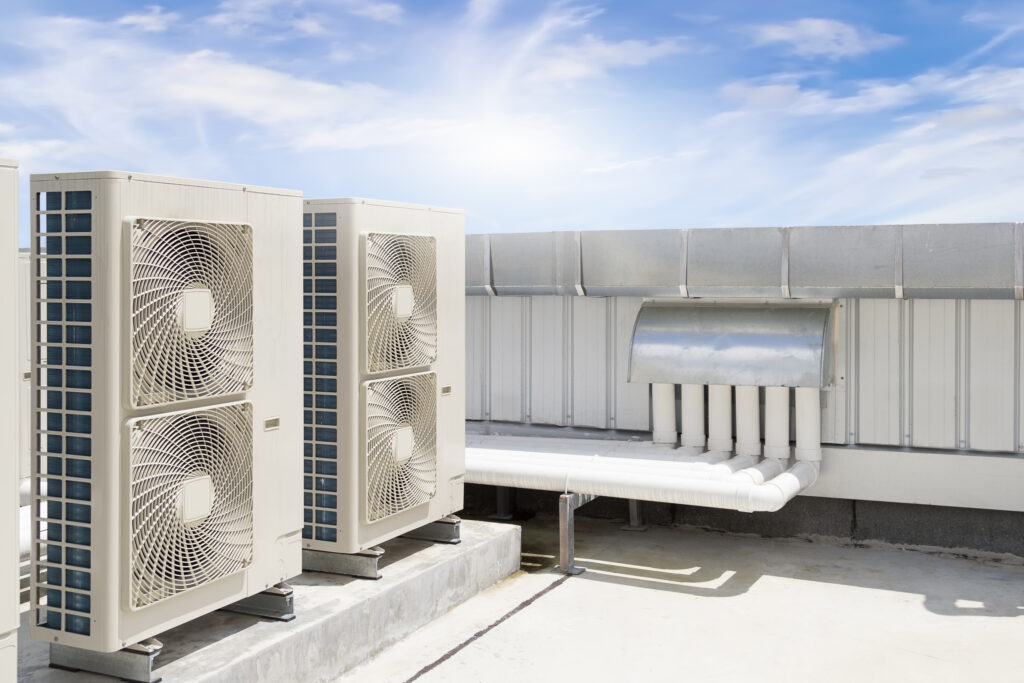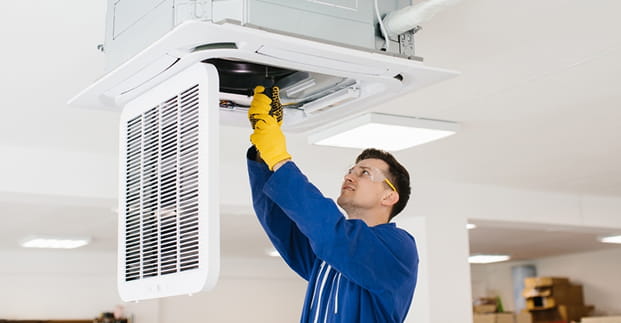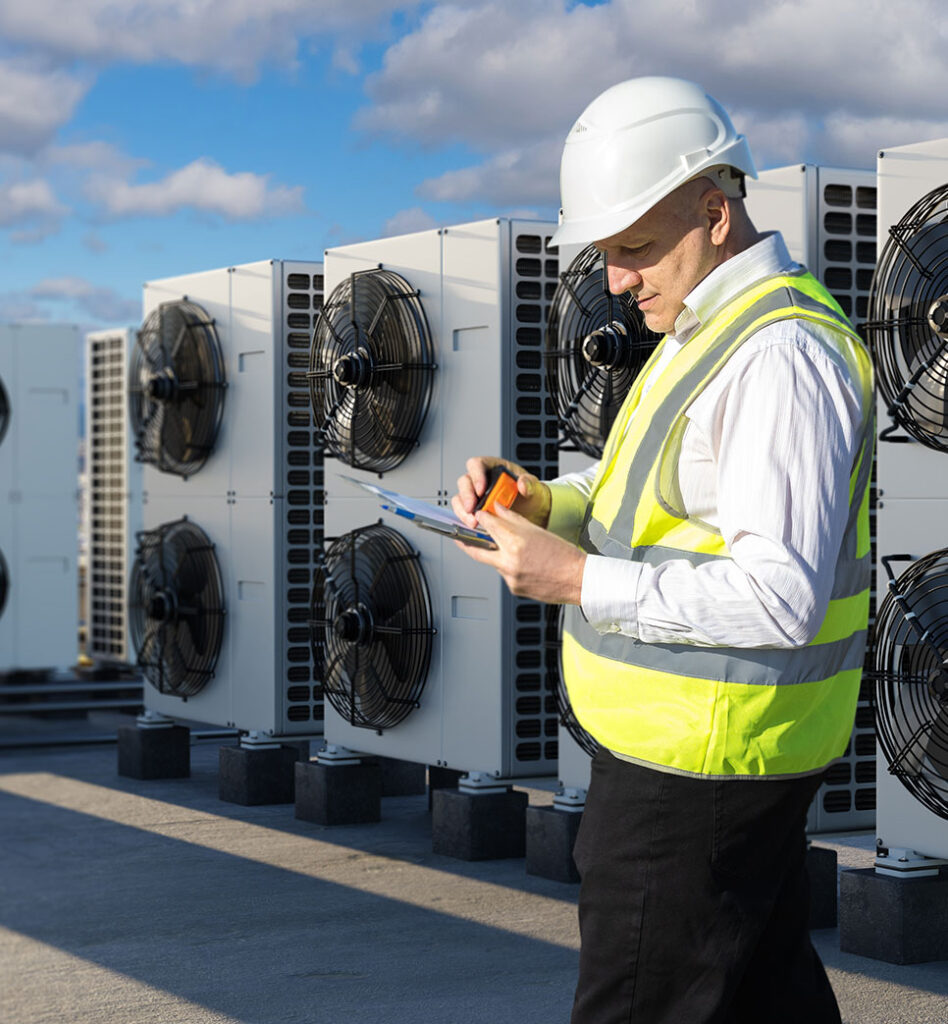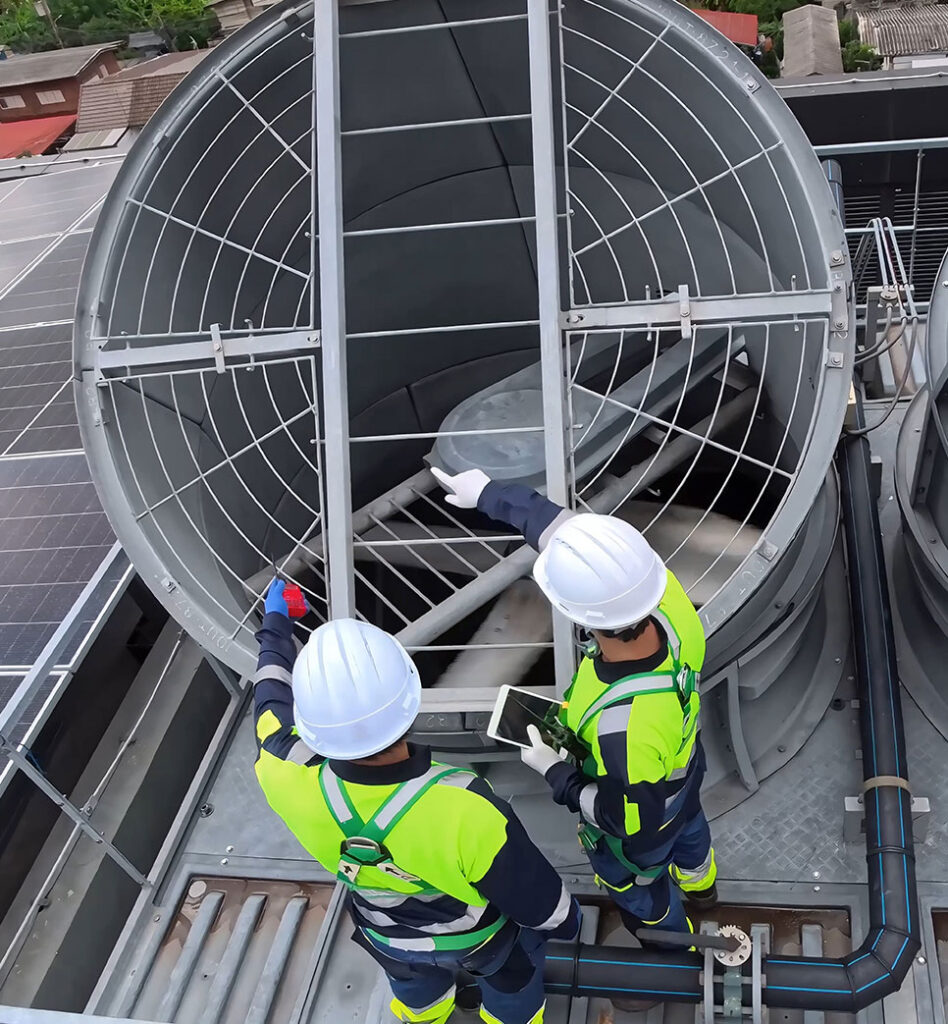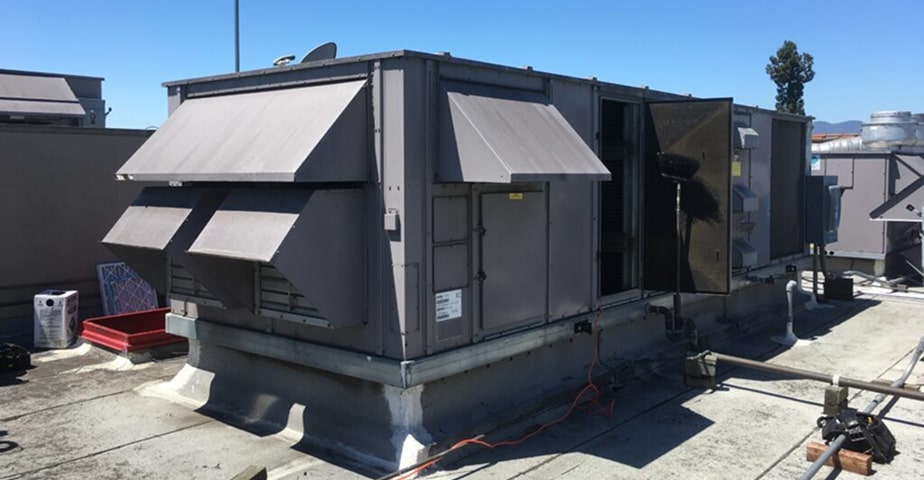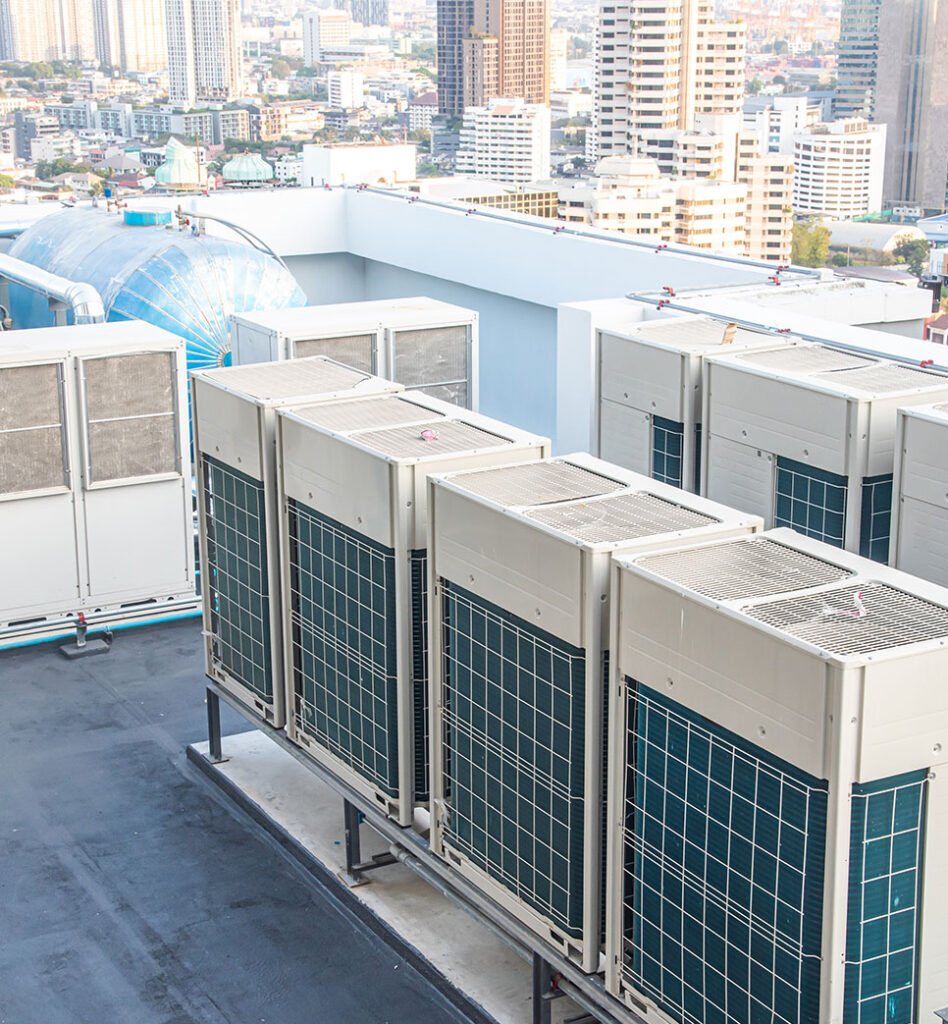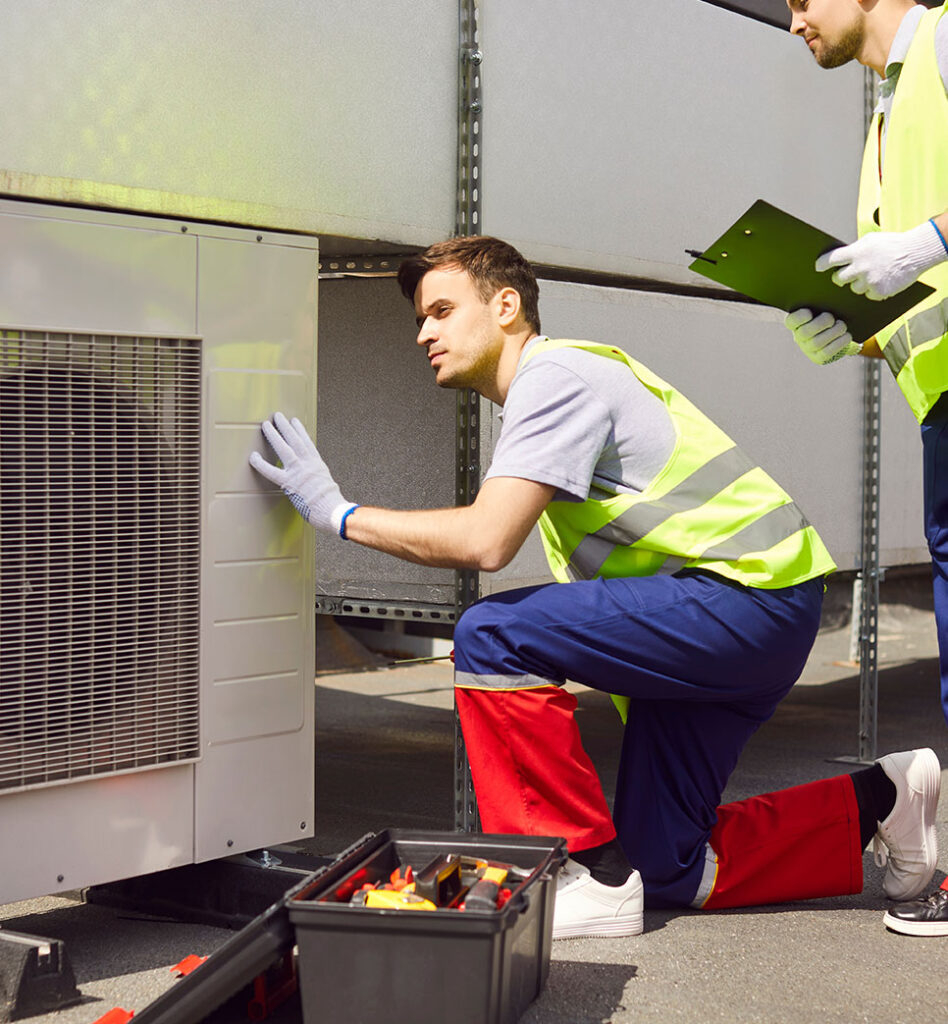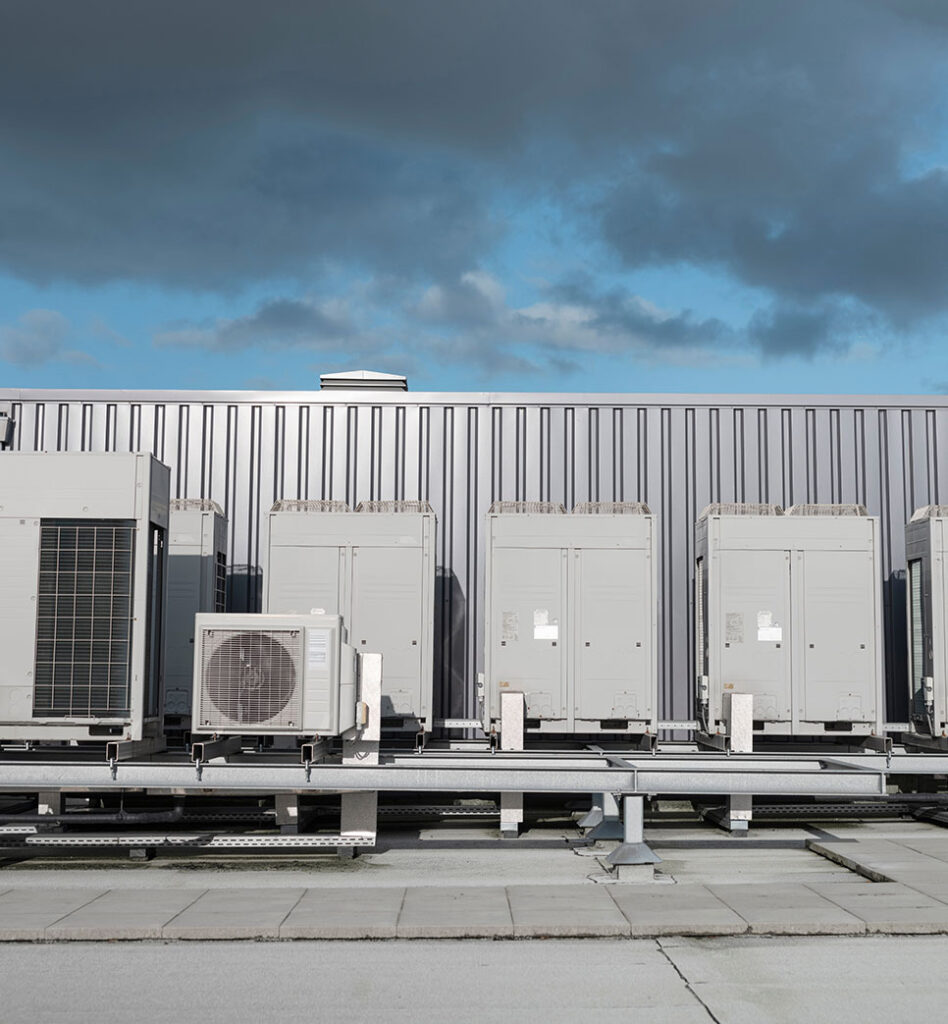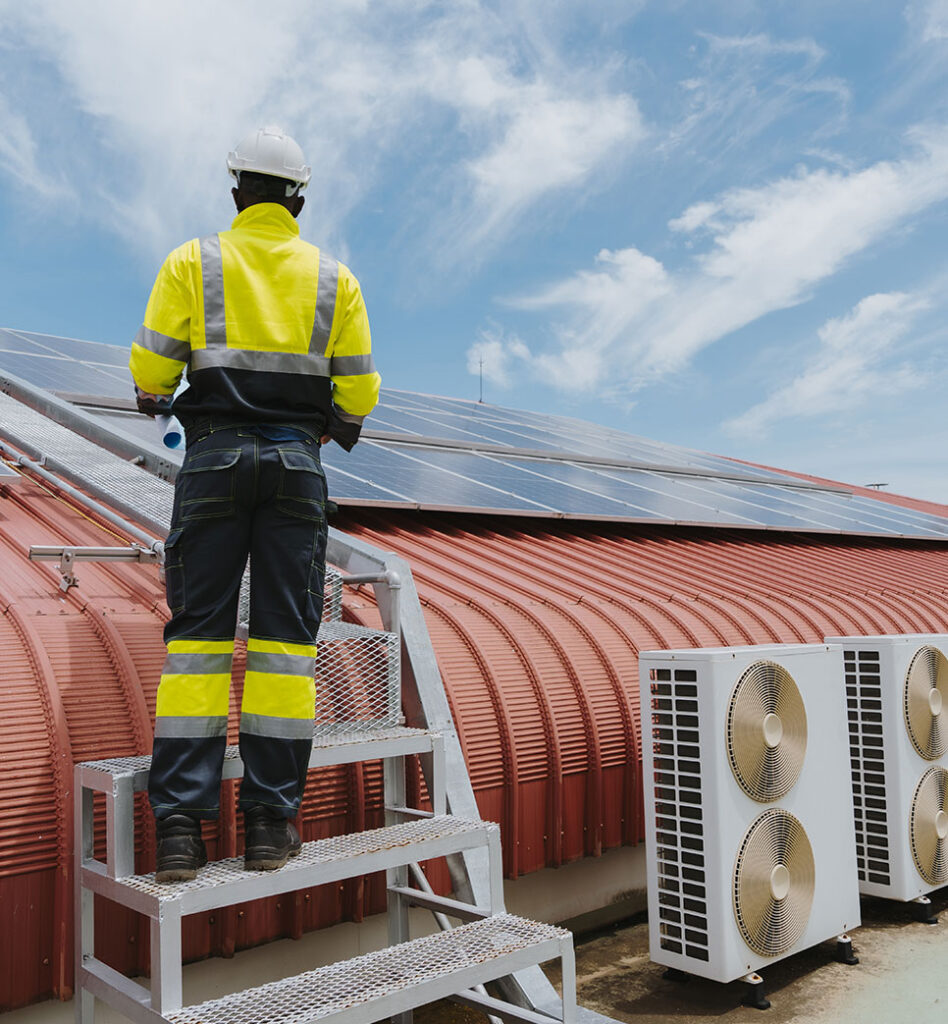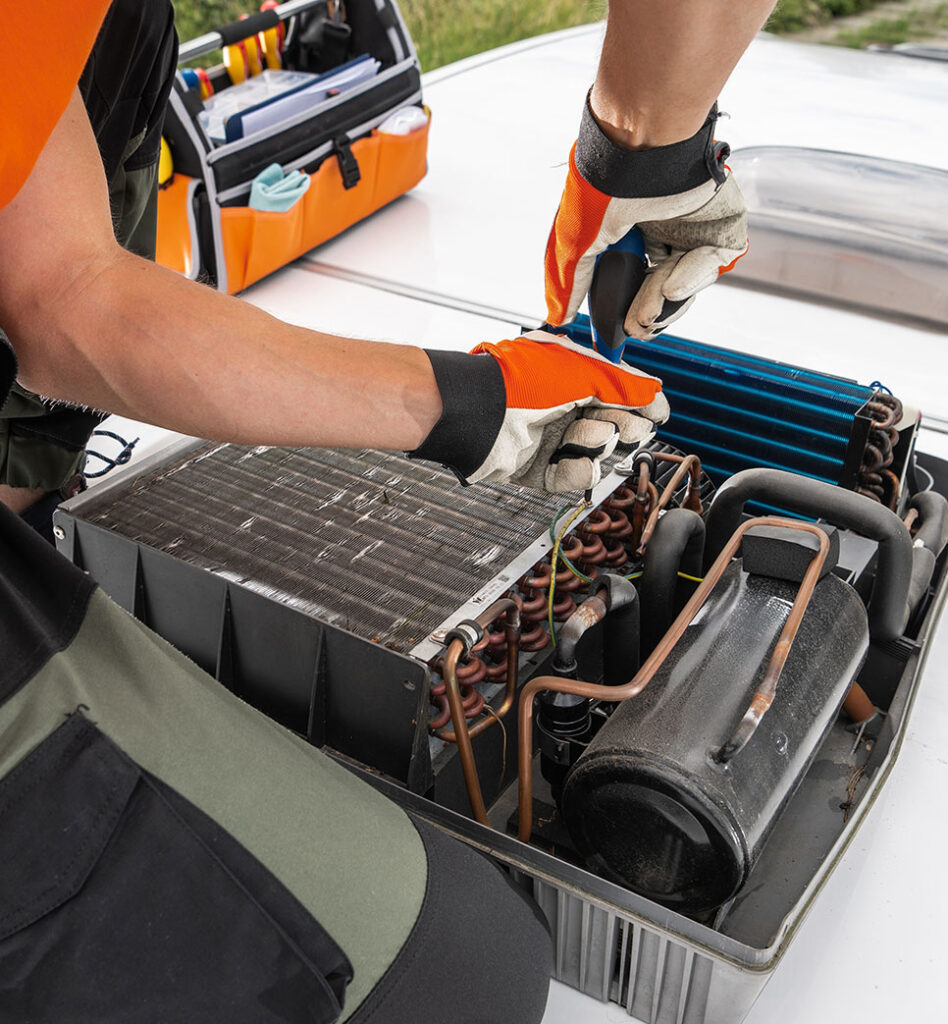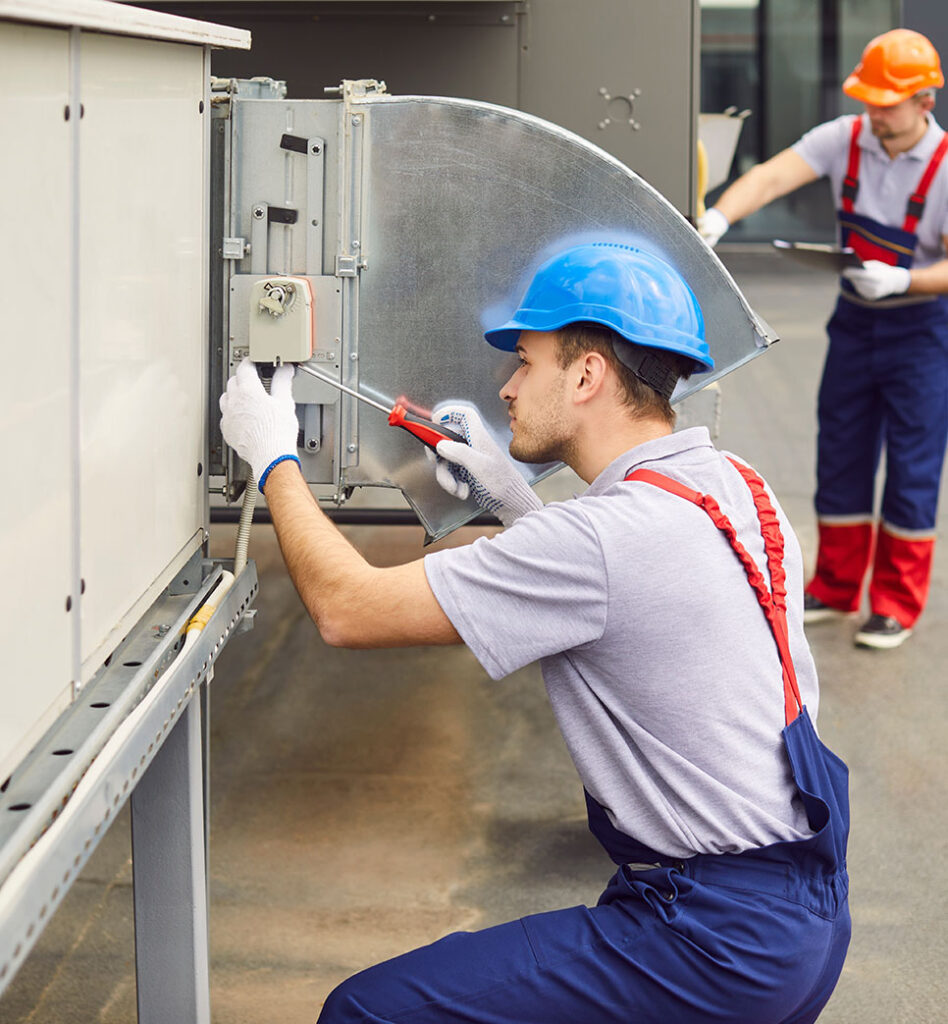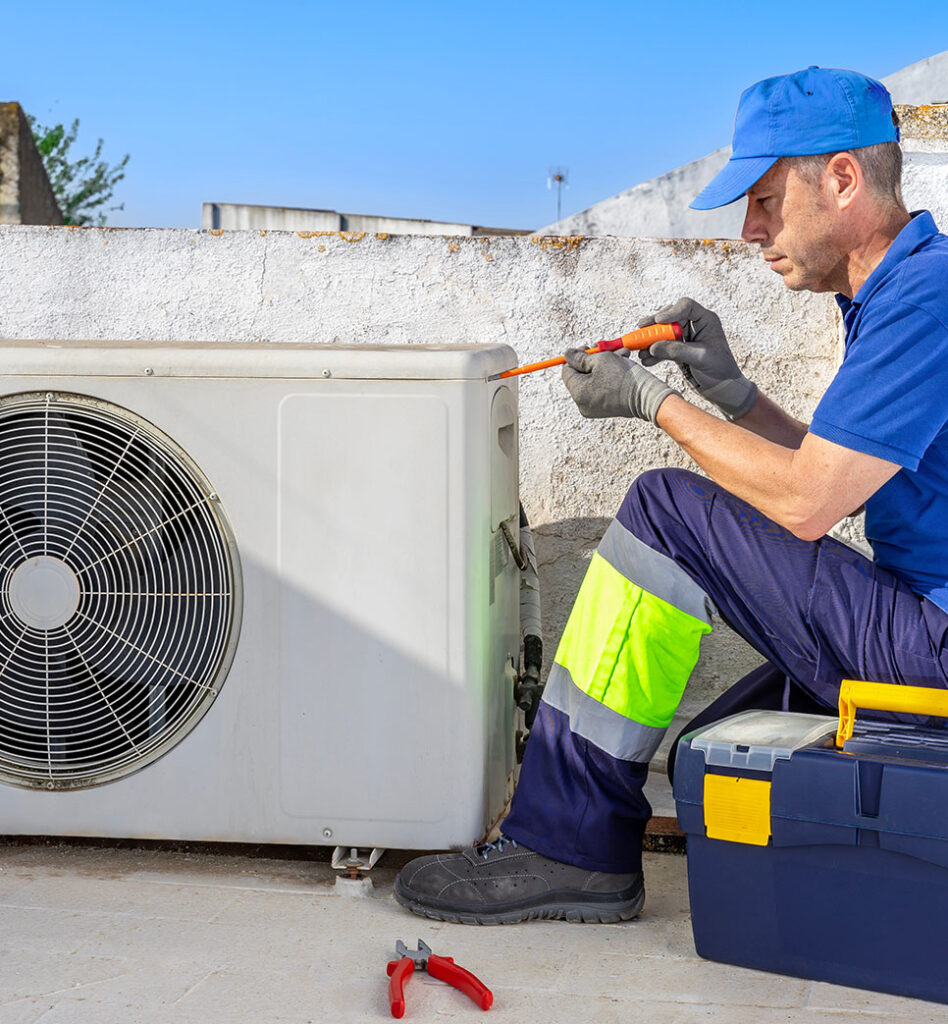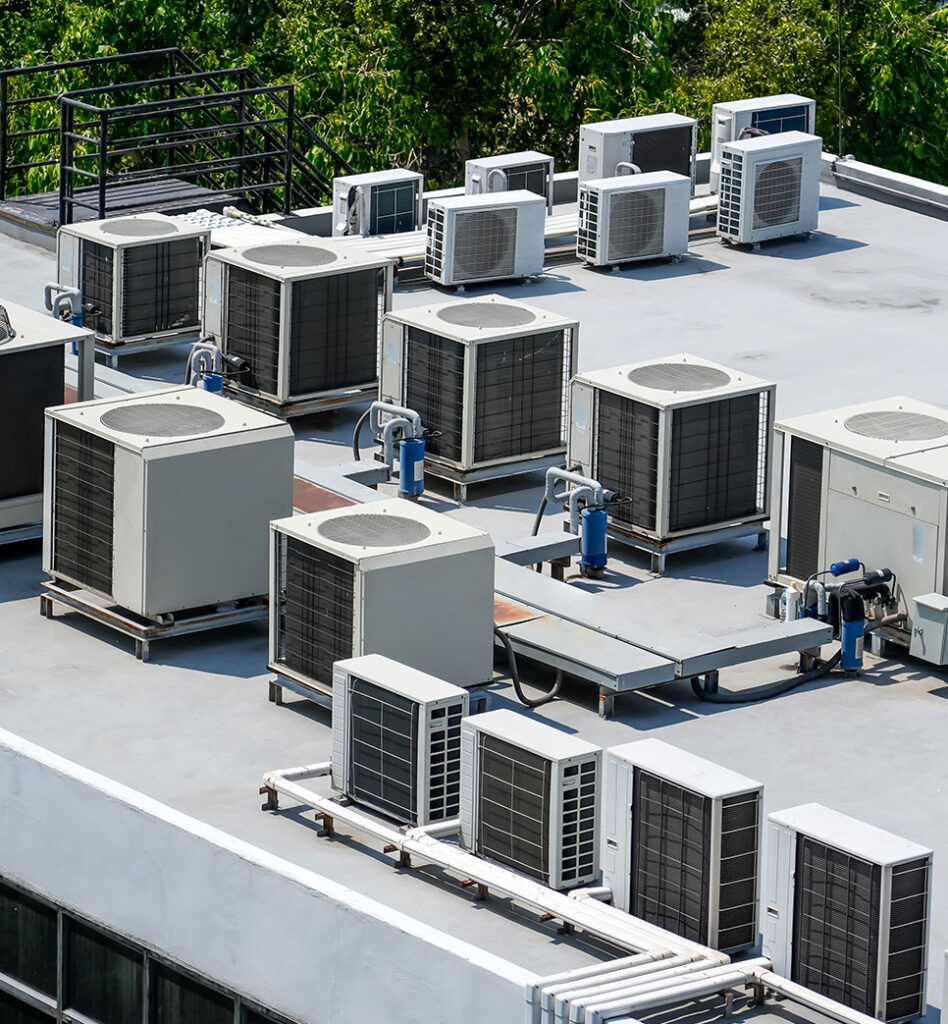
Every business relies on a functional environment. Whether you run a bustling retail store, a quiet office complex, or a high-traffic restaurant, the comfort of your employees and customers is non-negotiable. At the heart of that comfort is your commercial rooftop unit (RTU). These workhorses sit out of sight, battling the elements year-round to maintain a stable indoor climate. But like all mechanical equipment, they have a lifespan.
Ignoring the warning signs of a failing HVAC system can lead to catastrophic failure, often on the hottest day of the year or during a critical business event. The transition from “repairable” to “replaceable” isn’t always obvious, but there are clear indicators if you know where to look.
This comprehensive guide will walk you through the subtle and not-so-subtle signs that your commercial HVAC system is reaching the end of the road. By recognizing these red flags early, you can plan for a seamless commercial HVAC replacement service rather than scrambling for an emergency fix.
The Age Factor: When is “Old” Too Old?
The most straightforward indicator of needing a replacement is simply the age of the unit.
The 15-Year Rule
Most commercial rooftop units are designed to last between 15 and 20 years. However, this lifespan assumes perfect maintenance and mild operating conditions. In reality, units that run 24/7 or operate in harsh climates may start showing significant wear around the 10-12 year mark.
If your unit is approaching its 15th birthday, it is living on borrowed time. Even if it seems to be running okay, the internal components are degrading. Compressors wear down, heat exchangers crack, and electrical connections loosen.
The Efficiency Gap
An HVAC unit manufactured 15 years ago is vastly different from one made today. Energy standards have tightened significantly. Older units often have a SEER (Seasonal Energy Efficiency Ratio) rating of 10 or less. Modern units can reach ratings of 18 or higher.
Holding onto an old unit isn’t just a reliability risk; it’s a financial drain. You are paying premium electricity rates to run obsolete technology. Replacing an aging unit often results in immediate and noticeable drops in monthly utility expenses.
Rising Energy Bills: The Silent Profit Killer
One of the first places a failing HVAC system shows its true colors is in your operating budget.
Unexplained Spikes in Utility Costs
Have you noticed a steady climb in your electric or gas bills, even though your usage habits haven’t changed? If utility rates are stable but your costs are skyrocketing, your HVAC system is the likely culprit.
As components wear out, the system has to work harder to achieve the same results.
- Dirty or damaged coils force the compressor to run at higher pressures.
- Worn fan motors draw more amperage to spin the blades.
- Leaky ductwork wastes conditioned air before it reaches your workspace.
This inefficiency compounds over time. What starts as a 5% increase can quickly become a 20-30% penalty on your bottom line.
Peak Demand Charges
For commercial facilities, peak demand charges can be a massive part of the utility bill. An aging unit that struggles to cool the building will run continuously during the hottest parts of the day, contributing heavily to your peak load. A modern, high-efficiency unit with multi-stage cooling can ramp down during lower demand periods, saving you from hitting those expensive peak tiers.
Frequent and Costly Repairs
There is a tipping point in the life of every machine where repair costs outweigh the value of replacement. In the HVAC industry, we often refer to this as the “50% Rule.”
The 50% Rule Explained
If the cost of a repair approaches 50% of the value of the system (or the cost of a new system), replacement is usually the wiser financial choice.
For example, if you need to replace a compressor—a major and expensive component—on a 12-year-old unit, spending thousands of dollars on a “band-aid” fix doesn’t make sense. You might fix the compressor today, only to have the heat exchanger fail next month.
The “Nickel and Diming” Effect
Sometimes it’s not one massive repair, but a constant stream of smaller ones.
- A capacitor replacement in March.
- A blower motor fix in May.
- Refrigerant recharge in July.
- Contactors failing in September.
When you find yourself calling for commercial HVAC repair services every few months, you are throwing good money after bad. These frequent breakdowns disrupt your business continuity and indicate that the system is suffering from systemic failure.
Inconsistent Temperatures and Humidity Issues
Your HVAC system’s primary job is to maintain a consistent, comfortable environment. When it can no longer do that, it is failing its core mission.
Hot and Cold Spots
Walk through your facility. Is the conference room freezing while the sales floor is sweltering? While this can sometimes be a ductwork or balancing issue, in older systems, it often points to a failing compressor or blower.
If the unit can no longer generate enough pressure to push air to the furthest reaches of the ductwork, distant rooms will suffer. Similarly, if the compressor is losing compression, it may not be able to cool the air sufficiently to satisfy the thermostat before the cycle ends.
The Humidity Problem
Commercial HVAC units don’t just control temperature; they control humidity. In many climates, high indoor humidity can lead to:
- Mold and mildew growth.
- “Sticky” or clammy air that makes customers uncomfortable.
- Damage to inventory or sensitive electronics.
- Health issues for employees.
An aging unit often loses its ability to effectively dehumidify the air. This is frequently due to a process called “short-cycling,” where the unit turns on and off too quickly to remove moisture from the air. If your building feels muggy despite the AC running, your unit is likely oversized or failing.
Strange Noises and Odors
A healthy rooftop unit should be relatively quiet—a steady hum that fades into the background noise of the city. When your HVAC starts making its presence known through sound or smell, pay attention.
The Language of HVAC Noises
Different sounds indicate different catastrophic failures:
- Squealing or Screeching: usually indicates a slipped belt or a bearing that is about to seize in the blower motor or condenser fan.
- Grinding or Metal-on-Metal: often points to a broken fan blade hitting the cage or internal components disintegrating.
- Banging or Clanking: implies a loose part, often inside the compressor itself.
These aren’t sounds that “go away” on their own. They are the death rattle of expensive components.
Unpleasant Odors
Smells traveling through your ductwork are immediate red flags.
- Musty or Moldy Smells: indicate that water is pooling inside the unit (possibly due to a clogged drain) or that mold is growing on the evaporator coil.
- Burning Electrical Smells: suggest wiring insulation is melting or a motor is overheating. This is a serious fire hazard requiring immediate emergency HVAC services.
- Rotten Egg Smell: In units with gas heating, this could indicate a gas leak, which is a critical safety emergency.
Poor Indoor Air Quality (IAQ)
We spend the majority of our waking hours indoors. The quality of the air we breathe directly impacts productivity and health.
Increased Dust and Allergens
If you notice a rapid accumulation of dust on surfaces shortly after cleaning, your HVAC system may be to blame. Older units with failing filter racks or deteriorating insulation can pull unfiltered air from the roof or attic space into your building.
Sick Building Syndrome
If employees are frequently complaining of headaches, fatigue, or respiratory irritation that improves when they leave the building, you may be dealing with “Sick Building Syndrome.” An old HVAC unit that harbors mold, bacteria, or pollen circulates these contaminants continuously. Modern units come equipped with better filtration options and UV light integration capabilities that can drastically improve IAQ—features your 15-year-old unit likely lacks.
The Heat Exchanger: A Critical Safety Warning
For rooftop units that include gas heating, the heat exchanger is the most critical component for safety. Its job is to separate the combustion gases (which include carbon monoxide) from the air you breathe.
Cracks and Corrosion
Over years of expanding and contracting as it heats up and cools down, the metal of the heat exchanger can fatigue and crack. Rust and corrosion can also eat through the metal.
A cracked heat exchanger is not a “repairable” issue. It is an immediate condemnation of the unit. If a technician finds a crack, they are legally and ethically obligated to shut the unit down because it poses a lethal risk of carbon monoxide poisoning.
If your maintenance checks reveal significant rust or early signs of cracks, do not wait. Schedule a replacement immediately to avoid a dangerous situation in the middle of winter.
R-22 Refrigerant: The Obsolescence Problem
Environmental regulations play a massive role in the HVAC lifecycle. The most significant shift in recent years has been the phase-out of R-22 refrigerant (often known by the brand name Freon).
The Phase-Out Reality
As of 2020, the production and import of R-22 were banned in the United States due to its ozone-depleting properties.
- Availability: R-22 is now incredibly scarce.
- Cost: The price of R-22 has skyrocketed. A simple recharge that used to cost a few hundred dollars can now cost thousands.
If your current rooftop unit runs on R-22 and develops a leak, you are in a difficult position. Repairing the leak and refilling it is exorbitantly expensive and only delays the inevitable. Investing that money into a new unit that uses modern, eco-friendly refrigerants (like R-410A or newer alternatives) is the only logical financial move.
Visible Physical Deterioration
Sometimes you don’t need a technician to tell you the unit is done; you can see it with your own eyes.
Rust and Corrosion
Rooftop units are exposed to rain, snow, sun, and smog. Over time, the cabinet can rust through. While surface rust is cosmetic, deep corrosion can compromise the structural integrity of the unit.
- Rusted cabinets allow water to leak into the building.
- Corroded mountings can cause fans or motors to vibrate excessively.
Damage from Elements
Hail damage to the condenser fins is common. When these delicate aluminum fins are flattened by hail, airflow is blocked, and the unit suffocates. While “combing” the fins can help minor damage, extensive hail damage usually totals the unit by destroying its efficiency.
The Benefits of Proactive Replacement
Waiting for your unit to die completely is a gamble that rarely pays off. Proactive replacement—swapping the unit out on your terms—offers distinct advantages.
Avoid Emergency Downtime
Imagine your AC fails on a Friday afternoon in July. Your customers leave because it’s too hot. Your employees are miserable. You call for emergency HVAC services, but parts are on backorder, or cranes aren’t available until Monday. You lose days of revenue.
Proactive replacement allows you to schedule the installation during downtime or off-hours, ensuring zero disruption to your business operations.
Take Advantage of Tax Incentives
Governments often offer tax credits or rebates for upgrading to energy-efficient commercial equipment. Section 179 of the IRS tax code, for example, often allows businesses to deduct the full purchase price of qualifying HVAC equipment. Combined with utility rebates, these incentives can significantly offset the upfront cost of a new unit.
Improved Technology Integration
New HVAC units are “smart.” They can integrate with Building Automation Systems (BAS), allowing you to control and monitor your climate remotely. You can set schedules, receive maintenance alerts on your phone, and track energy usage in real-time. This level of control was impossible with the analog technology of the early 2000s.
Checklist: Is It Time?
To summarize, review this checklist. If you check more than two boxes, it is time to call a professional for a replacement assessment.
- Is the unit over 15 years old?
- Have your energy bills increased by more than 10% in the last year?
- Does the unit use R-22 refrigerant?
- Have you spent more than 50% of the unit’s value on repairs recently?
- Are there hot or cold spots in your building?
- Is the unit making loud noises or producing odors?
- Is there visible rust or physical damage to the cabinet?
Conclusion
Your commercial rooftop HVAC unit is an investment in your business’s infrastructure. While the upfront cost of replacement can seem daunting, the long-term costs of keeping a “zombie” unit running are far higher. Between soaring energy bills, expensive emergency repairs, and lost business due to discomfort, an old unit is a liability.
By recognizing the signs of failure early—whether it’s the groan of a dying compressor, the sticker shock of a utility bill, or the simple fact of the unit’s age—you can take control of the situation.
Don’t wait for a total breakdown to force your hand. If your building is showing these symptoms, contact our experts for a comprehensive evaluation. We can help you navigate the options, calculate the ROI of a new system, and handle the entire commercial HVAC replacement service with precision and care. Secure your comfort, protect your budget, and upgrade your facility today.
Stay Comfortable Year-Round With Expert HVAC Service
Book a trusted technician to handle your heating or cooling issue—fast, professional, and done right the first time.
Book Service Now