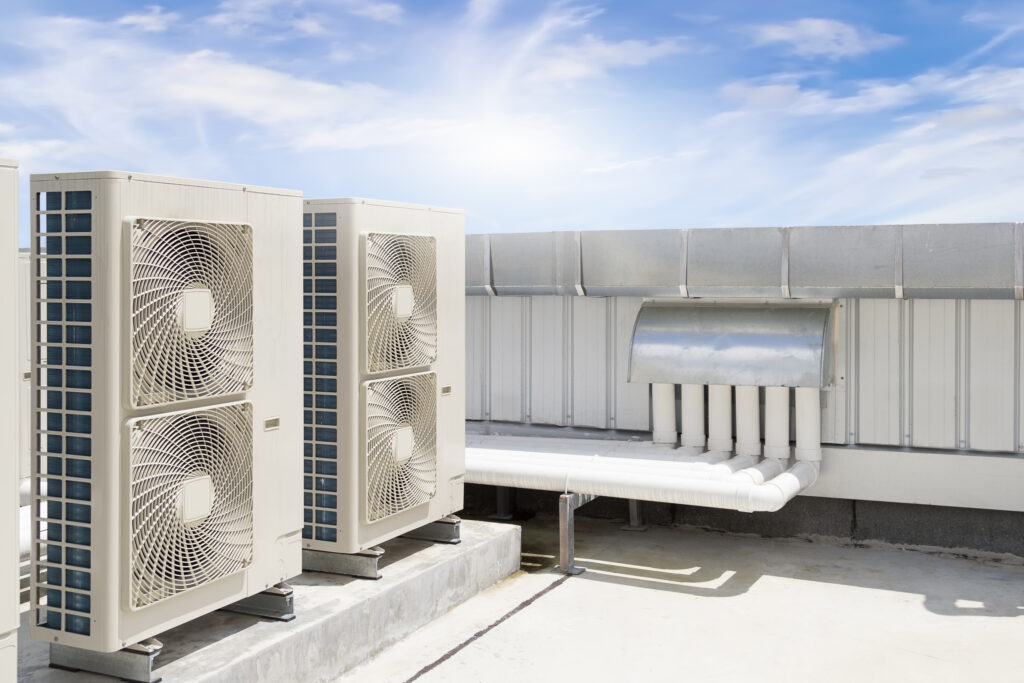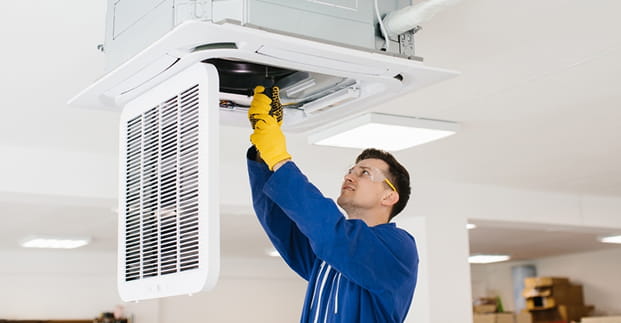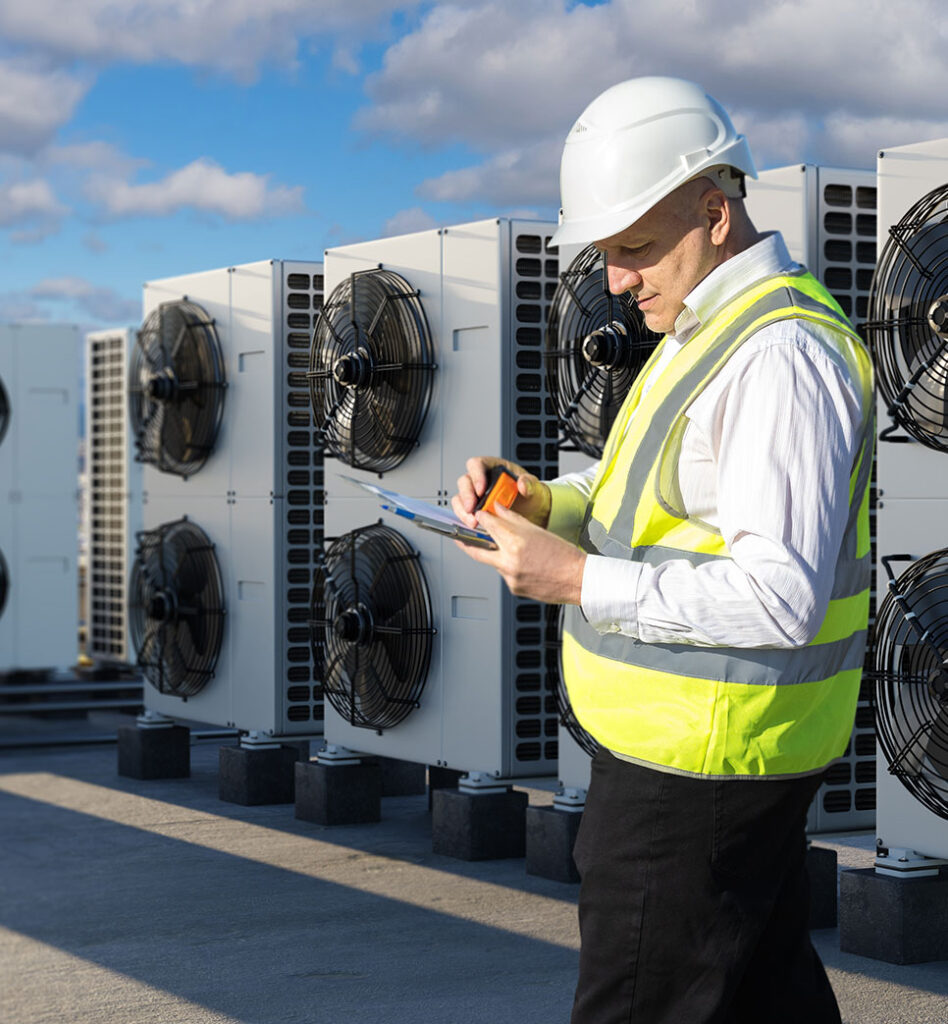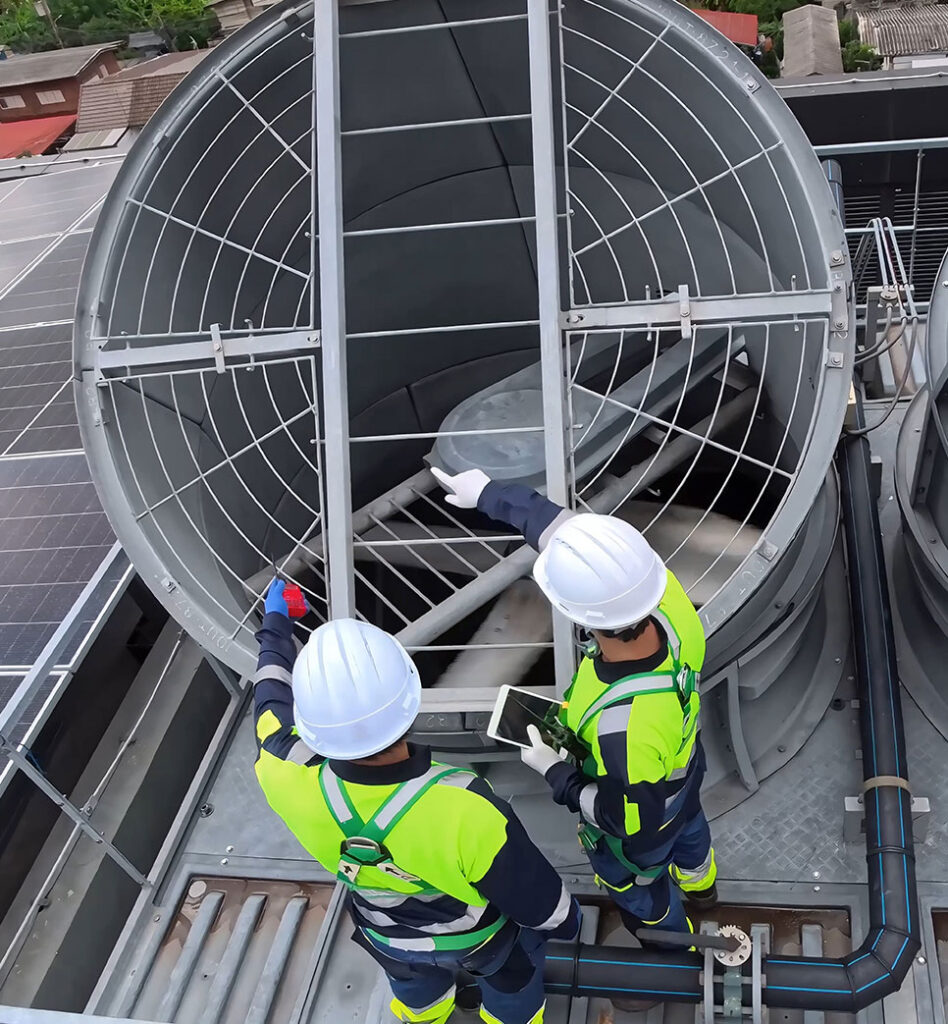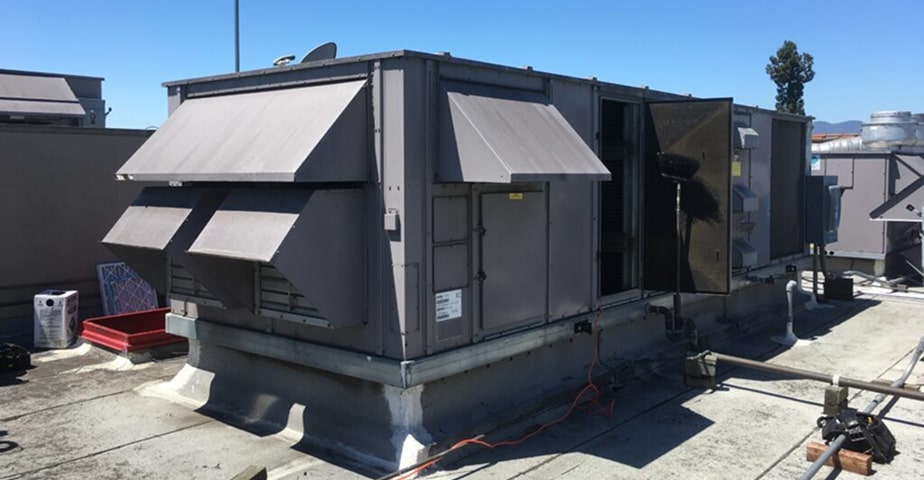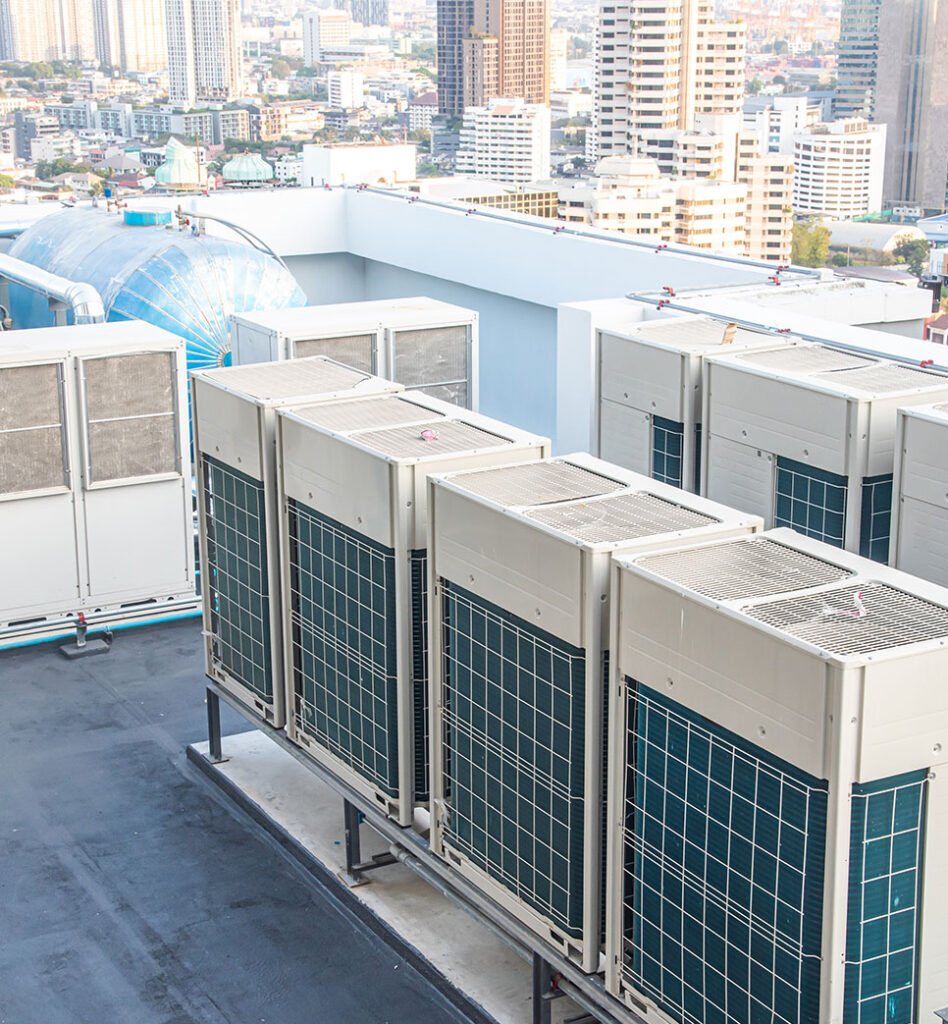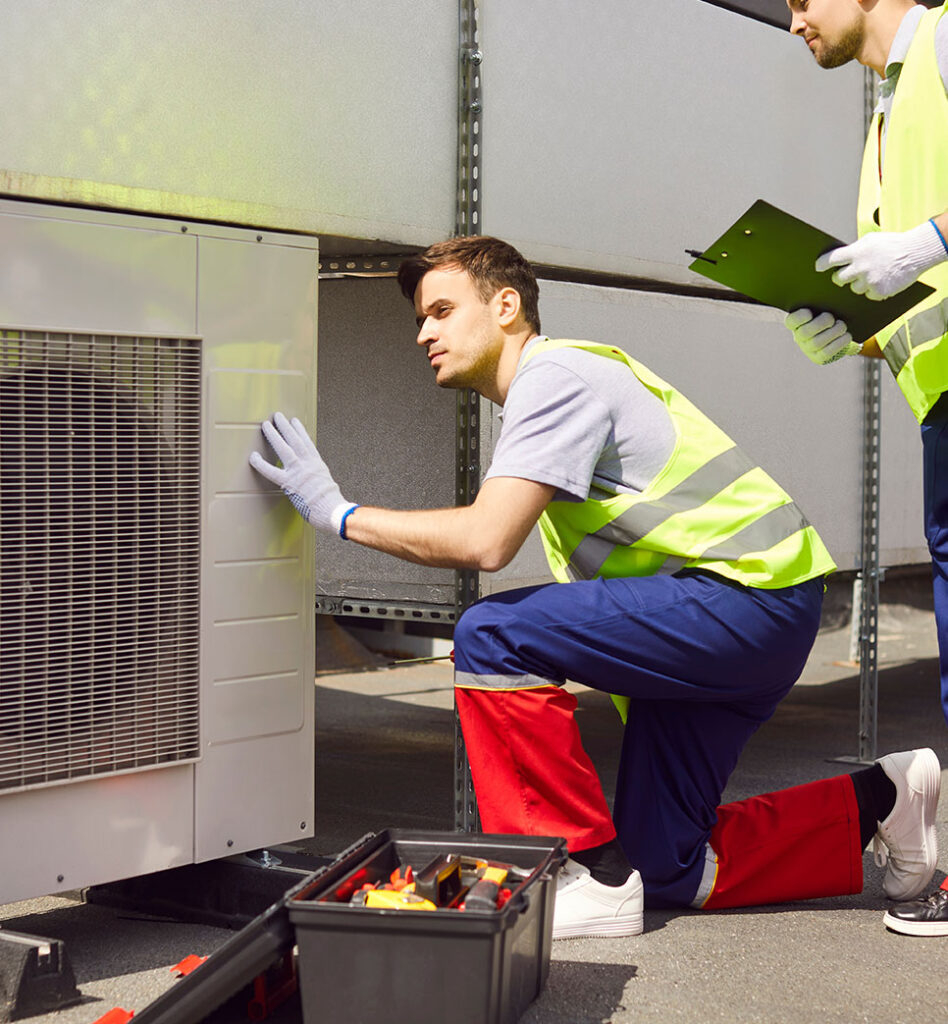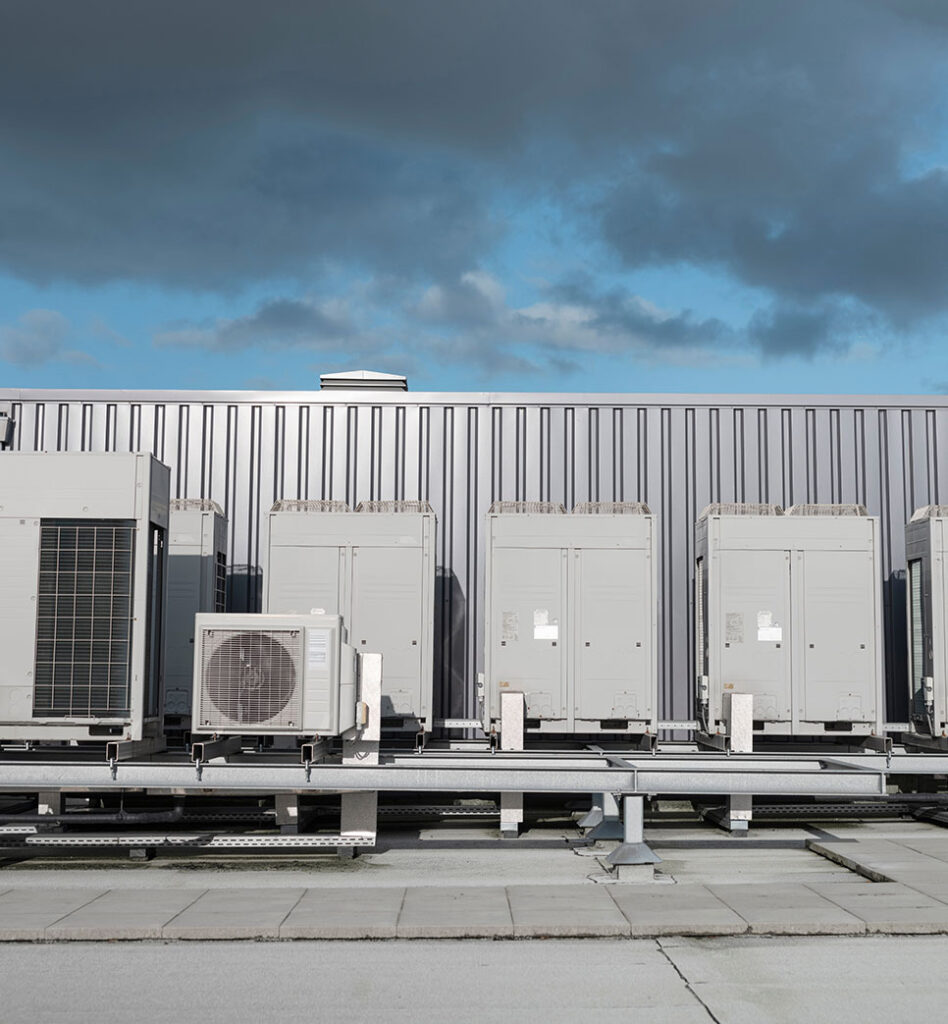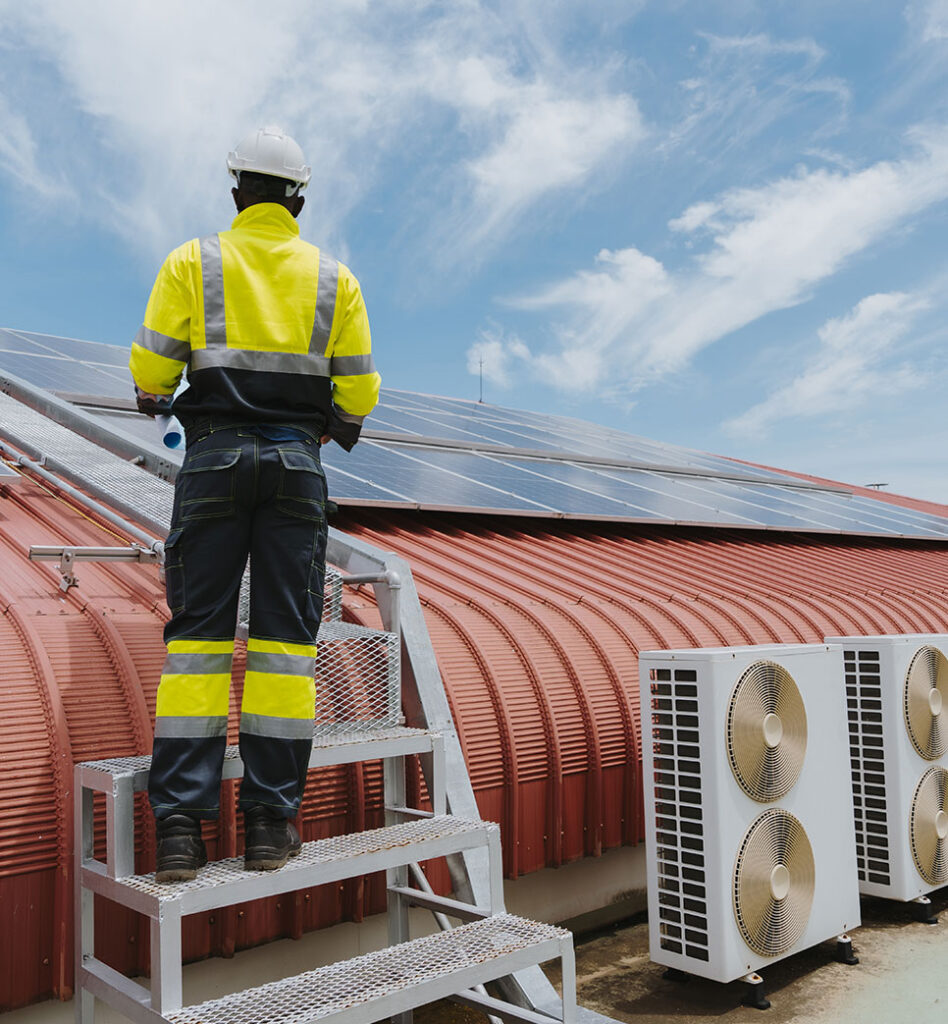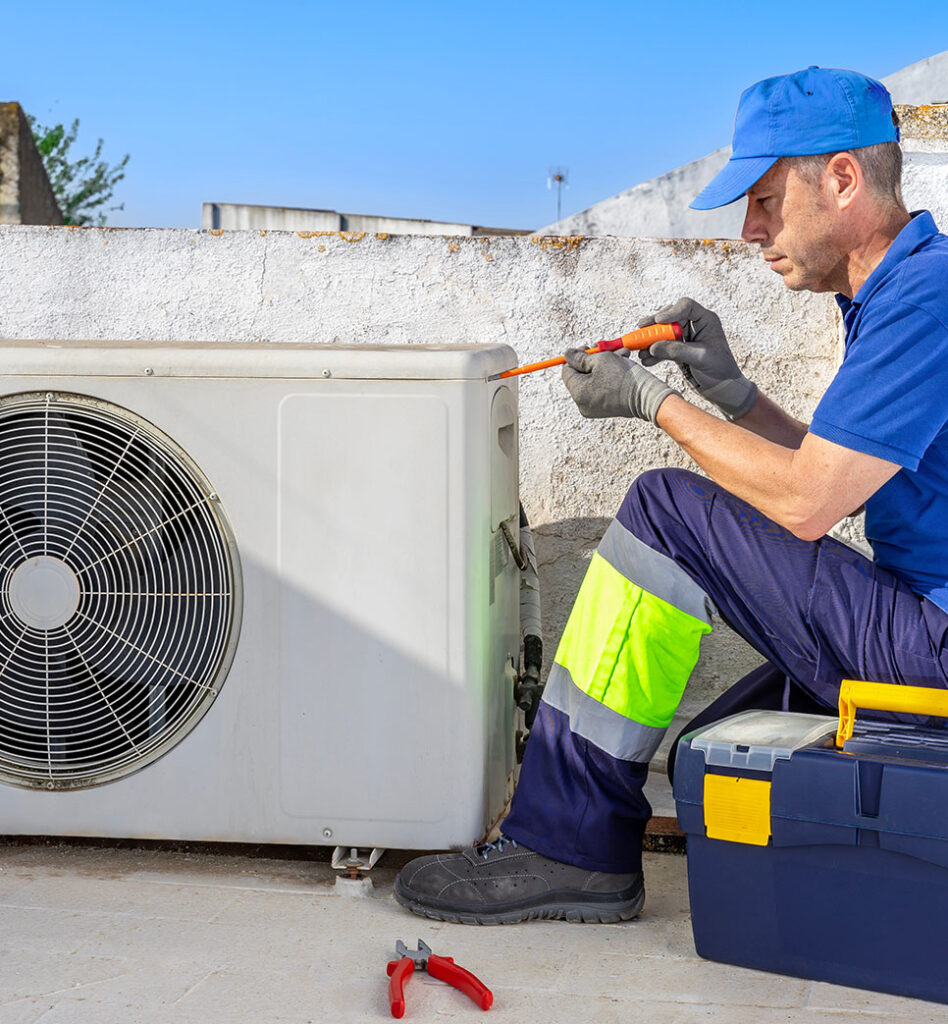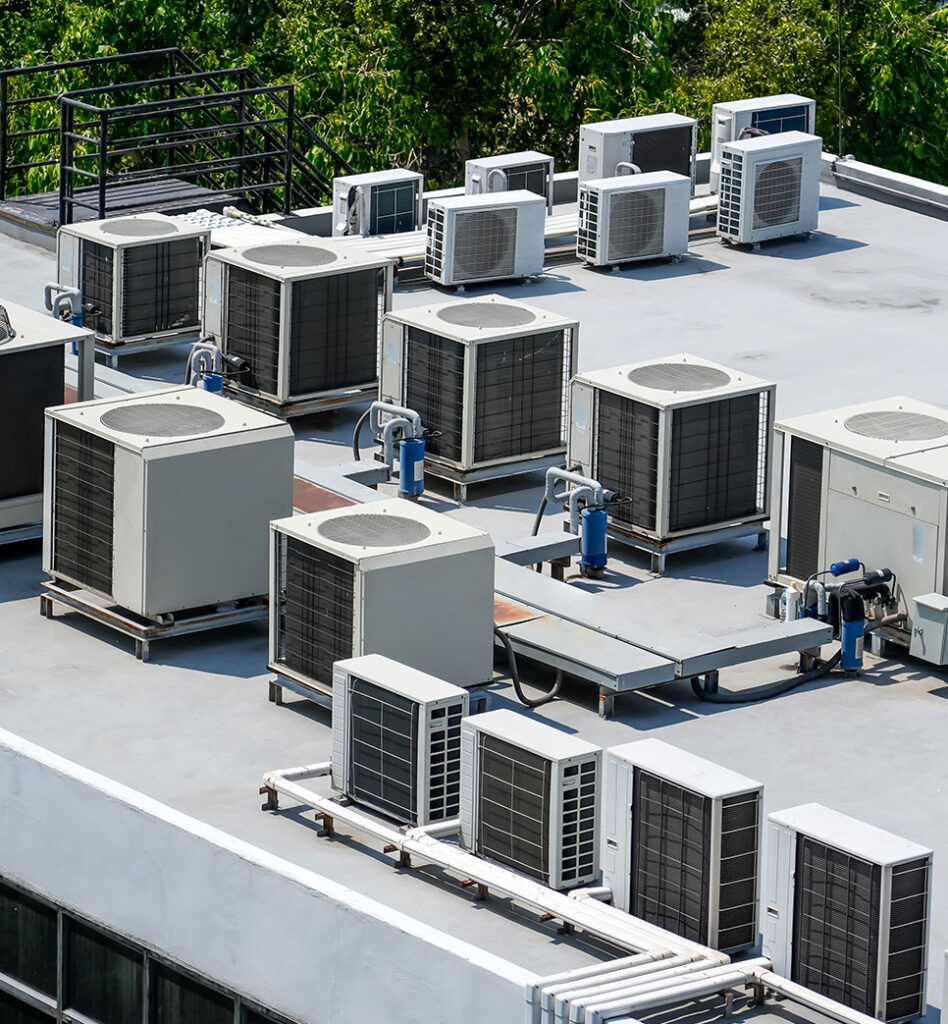
For any commercial property, the rooftop HVAC system is a vital, yet often overlooked, asset. It works day in and day out to provide comfort, safety, and a productive environment. However, its exposed position means it endures the full force of every season, from intense summer heat to chilling winter winds. This constant exposure makes proactive, seasonal maintenance not just a recommendation, but a necessity. A detailed seasonal HVAC maintenance plan is the key to ensuring efficiency, preventing costly breakdowns, and extending the life of your equipment.
Without a structured approach, it’s easy for small issues to go unnoticed until they become major emergencies. A refrigerant leak that starts in spring can lead to a complete system failure on the hottest day of summer. A clogged drain line in the fall can cause a destructive roof leak during the first winter rain. This comprehensive rooftop HVAC checklist is designed to guide facility managers and business owners through the specific tasks required for each season, ensuring nothing is missed. Following this guide for your HVAC seasonal upkeep will help you protect your investment and maintain a comfortable indoor environment all year long.
Spring Maintenance: Preparing for the Cooling Season
As temperatures begin to climb, your HVAC system is about to switch from infrequent use to a heavy, daily workload. Spring is the most critical time to prepare your system for the stress of summer. A thorough tune-up now will ensure it runs efficiently and reliably when you need it most.
The Professional Spring Tune-Up Checklist
This is a comprehensive service that should be performed by a qualified technician before the first major heatwave. It goes far beyond a simple filter change and sets the stage for a trouble-free summer.
1. Deep Cleaning of Condenser Coils
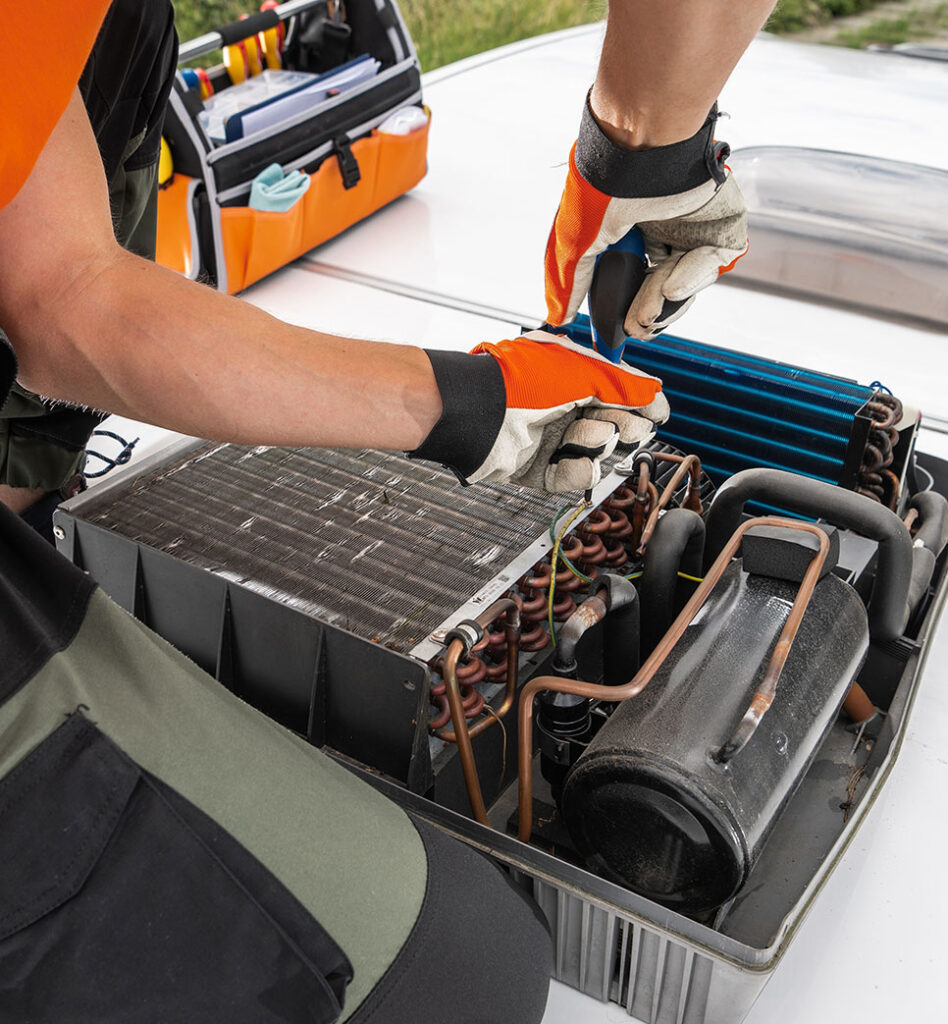
- What it is: The outdoor condenser coil is responsible for releasing heat from your building. Over the fall and winter, it becomes caked with dirt, pollen, leaves, and other debris. The technician will use specialized, non-corrosive chemical cleaners and a low-pressure rinse to remove this buildup from deep within the coil fins.
- Why it’s crucial: A dirty coil acts like an insulating blanket, trapping heat in the system. This forces the compressor to work much harder and run longer, drastically increasing energy consumption and leading to premature wear. A clean coil is the number one factor in maintaining cooling efficiency.
2. Electrical System Inspection and Tightening
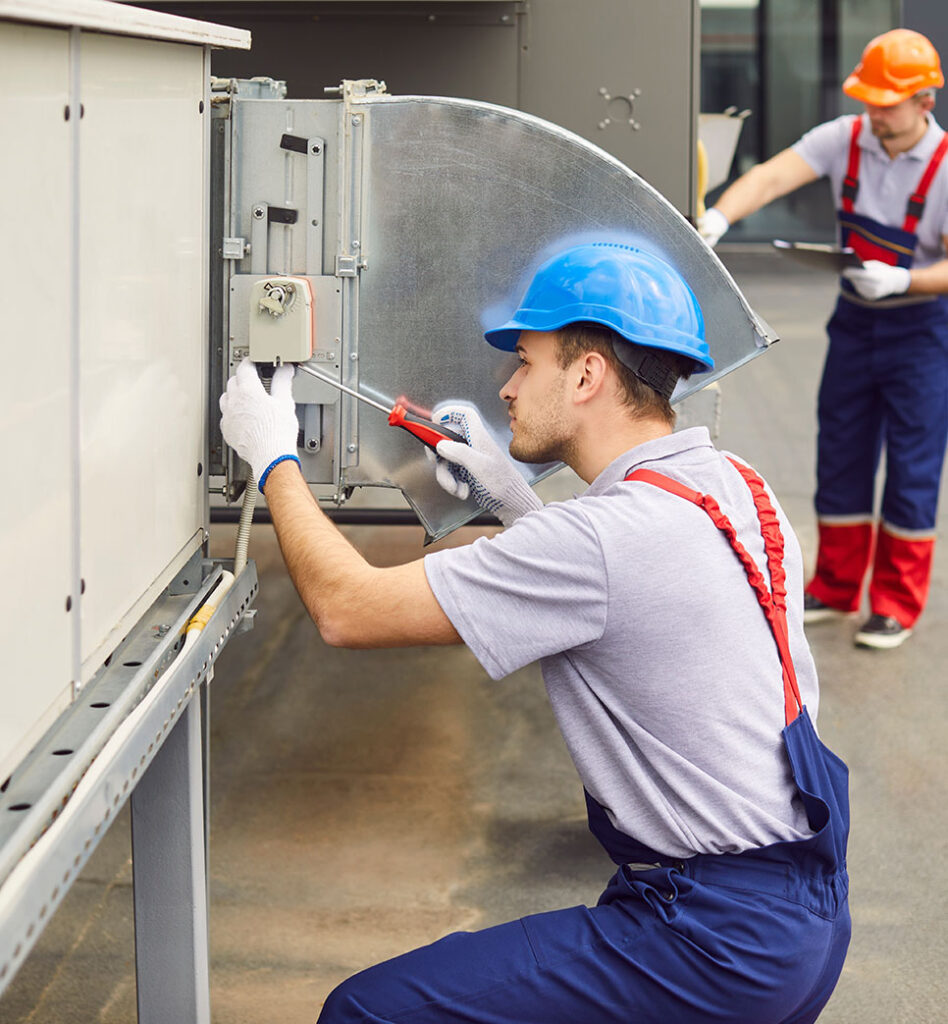
- What it is: The technician will open the electrical panels to inspect all high and low-voltage connections. They will tighten every terminal, as vibrations can cause them to loosen over time. They will also test capacitors and relays, which are essential for starting motors and compressors.
- Why it’s crucial: Loose electrical connections create high resistance, which generates heat and can lead to melted wires, tripped breakers, or even electrical fires. Failing capacitors are a leading cause of compressor and fan motor failure. Replacing a weak capacitor is an inexpensive preventative measure that can save you from a thousand-dollar repair.
3. Refrigerant Level and Pressure Check
- What it is: The technician will connect gauges to the system to measure the refrigerant charge and pressures. This is often called “checking the charge.”
- Why it’s crucial: An HVAC system is a sealed loop; it should not lose refrigerant. If the level is low, it means there is a leak somewhere in the system. Simply adding refrigerant without finding and fixing the leak is a temporary fix that ignores a larger problem. An improperly charged system (either too low or too high) will not cool effectively and can cause severe damage to the compressor.
4. Condensate Drain System Flush
- What it is: The process of removing moisture from the air creates condensation, which collects in a pan and flows out a drain line. The technician will flush this line and clean the pan to remove any sludge or algae that has built up.
- Why it’s crucial: If the drain line becomes clogged, the pan will overflow. On a rooftop unit, this can lead to water pooling on your roof, causing leaks and significant structural damage. A clogged drain can also trigger a safety switch that shuts down the entire AC system.
5. Blower and Fan Motor Inspection
- What it is: The indoor blower motor and outdoor condenser fan will be inspected for wear. The technician will check fan blades for cracks and balance, and lubricate motor bearings if they are not sealed.
- Why it’s crucial: Worn motor bearings will cause squealing noises and eventually lead to motor seizure. An unbalanced fan blade creates vibrations that can damage the entire unit over time.
This professional spring service is the cornerstone of any effective Commercial HVAC Maintenance plan.
Summer Maintenance: Monitoring for Peak Performance
Once the cooling season is in full swing, maintenance shifts from preparation to observation. The goal during the summer is to monitor the system’s performance and catch any signs of trouble before they escalate during a period of high demand.
Monthly In-House Summer Checklist
These are tasks that a facility manager or building maintenance staff can perform safely.
1. Air Filter Replacement
- What it is: Inspect and change the system’s air filters every month during heavy use.
- Why it’s crucial: Dirty filters are the primary cause of restricted airflow. This makes the system work harder, reduces cooling capacity, and can cause the indoor evaporator coil to freeze into a block of ice, stopping all airflow.
2. Visual Inspection of the Unit
- What it is: Take a quick look at the unit from a safe distance. Listen for any new or unusual noises like grinding, squealing, or rattling. Look for any debris, like plastic bags or branches, that may have blown onto the unit.
- Why it’s crucial: A new noise is almost always a sign of a developing mechanical problem. Catching it early can be the difference between a minor adjustment and a major component replacement.
3. Check for Proper Drainage
- What it is: On a hot, humid day, you should see a steady drip or small stream of water coming from the condensate drain line.
- Why it’s crucial: If you don’t see any water draining when the AC has been running for a while, or if you see water pooling around the base of the unit, it’s a sign that the drain is clogged and needs to be cleared immediately to prevent water damage.
If you notice any significant issues during these checks, such as loud noises or a lack of cooling, it is time to call for professional Commercial HVAC Repair Services.
Fall Maintenance: Preparing for the Heating Season
As the weather cools down, it’s time to service the heating components of your system and clean up the mess left by summer. A fall tune-up ensures your building will be warm and safe through the winter and cleans the unit before it sits through the wet season.
The Professional Fall Tune-Up Checklist
Similar to the spring service, this should be performed by a qualified technician to address the heating-specific components and reverse the wear and tear from summer.
1. Heating System Inspection and Test
- What it is: The technician will inspect and test all heating components. For a heat pump, this involves testing the reversing valve and defrost cycle. For a gas furnace, it involves cleaning and inspecting the burners, heat exchanger, and ignition system.
- Why it’s crucial: A malfunctioning reversing valve will leave you with no heat from your heat pump. For gas systems, a cracked heat exchanger is a serious safety hazard that can leak carbon monoxide into the building. This safety check is non-negotiable.
2. Thorough Debris Removal
- What it is: After a summer and fall of blowing winds, the unit is likely filled with leaves, twigs, and dust. The technician will open the unit to clean out all this accumulated organic material from the interior base of the unit.
- Why it’s crucial: This pile of debris will get wet during the winter rains and sit at the base of the unit, creating a corrosive sludge that will rust out the bottom of the system and damage components.
3. Re-Check Electrical and Mechanical Systems
- What it is: The technician will repeat many of the spring checks, such as tightening electrical connections, checking motor operation, and inspecting belts.
- Why it’s crucial: The summer’s heavy workload puts significant stress on all components. This check ensures that any parts that have worn down over the summer are identified and replaced before they fail during a winter cold snap.
4. Calibrate Thermostat and Controls
- What it is: The technician will verify that the thermostat is reading the room temperature correctly and is properly controlling the switch between heating and cooling cycles.
- Why it’s crucial: An uncalibrated thermostat can lead to inefficient operation, causing the system to run too often or not when it’s needed, wasting energy and reducing comfort.
Winter Maintenance: Protecting the System in Dormancy
For many commercial buildings in milder climates, the HVAC system gets a much-needed rest during the winter. Maintenance during this season is about protection and observation, ensuring the system is safe during its “off-season” and ready for any unexpected heating needs.
Quarterly In-House Winter Checklist
1. Keep the Unit Clear of Snow and Ice
- What it is: If your area experiences snow or ice, periodically check to ensure it is not accumulating heavily on or around the unit. Clear away large snow drifts.
- Why it’s crucial: Heavy snow can block vents and place significant weight and stress on the unit’s panels and frame. For heat pumps that run in winter, it’s vital to keep the coils clear so they can “breathe.” If you see the unit encased in ice, shut it off and call for help, as this indicates a defrost system failure.
2. Visual Inspection After Storms
- What it is: After any major wind or rain storm, perform a quick visual check of the unit. Look for any damaged or missing access panels.
- Why it’s crucial: High winds can rip loose panels off the unit, exposing the sensitive internal components to the harsh winter elements. A missing panel should be replaced immediately.
3. Run the Heat Periodically
- What it is: Even if not needed, it’s a good practice to turn on the heat for a short cycle once a month.
- Why it’s crucial: This keeps all the mechanical parts lubricated and moving, preventing them from seizing up during long periods of inactivity.
Should your heating system fail during an unexpected cold spell, it’s important to have a trusted partner you can call. Quick access to Emergency HVAC Services in San Jose, CA can prevent your business operations from grinding to a halt and protect your building’s plumbing from freezing.
The Value of a Year-Round Maintenance Plan
Following a seasonal HVAC maintenance schedule is the most effective way to manage your commercial rooftop unit. This proactive approach delivers significant returns on investment. You will benefit from lower energy bills, as the clean and efficient system uses less power. You will experience fewer unexpected breakdowns, preventing costly downtime and lost revenue. Most importantly, you will significantly extend the lifespan of your equipment, delaying the massive capital expense of a full system replacement by years.
This rooftop HVAC checklist provides a clear roadmap, but the execution is best left to the professionals. Partnering with an experienced commercial HVAC company ensures that every task is performed correctly, safely, and on schedule. Don’t leave the health of your most critical building system to chance. Contact us today to discuss setting up a customized seasonal maintenance plan that fits the unique needs of your building and protects your investment for every season to come.
Stay Comfortable Year-Round With Expert HVAC Service
Book a trusted technician to handle your heating or cooling issue—fast, professional, and done right the first time.
Book Service Now