I Want

    Residential HVACCommercial HVACRefrigerationEmergency HVAC


    Fast | No obligation

    Comparing Energy Costs: Rooftop HVAC vs Split Systems

    Choosing the right Heating, Ventilation, and Air Conditioning (HVAC) system for a commercial building is a decision that impacts your bottom line for decades. It is not just about the upfront price tag; it is about the long-term operational costs, energy efficiency, and maintenance requirements that will appear on your balance sheet month after month.

    For many facility managers and business owners in the San Francisco Bay Area, the debate often comes down to two primary contenders: commercial rooftop units (RTUs) and split systems. Both have their champions, and both have specific use cases where they excel. But when you strip away the marketing and look strictly at the numbers—specifically energy costs and total cost of ownership—which system comes out on top?

    This comprehensive guide dives deep into the rooftop HVAC vs split systems debate. We will break down the mechanics of each, analyze their energy efficiency profiles, and provide a detailed commercial HVAC cost analysis to help you make an informed decision for your facility.

    Understanding the Contenders

    Before we can compare costs, we need to define exactly what we are comparing. While both systems ultimately do the same thing—heat and cool your building—they achieve this through different architectural and mechanical approaches.

    What is a Rooftop Unit (RTU)?

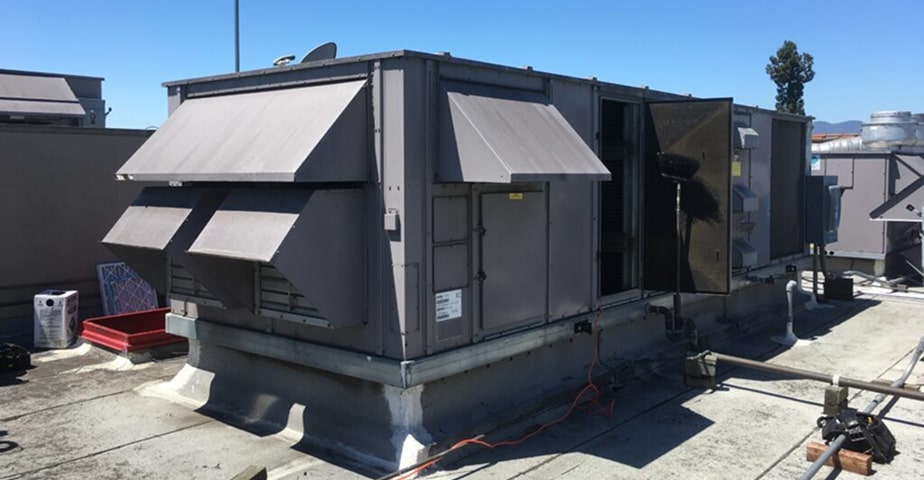
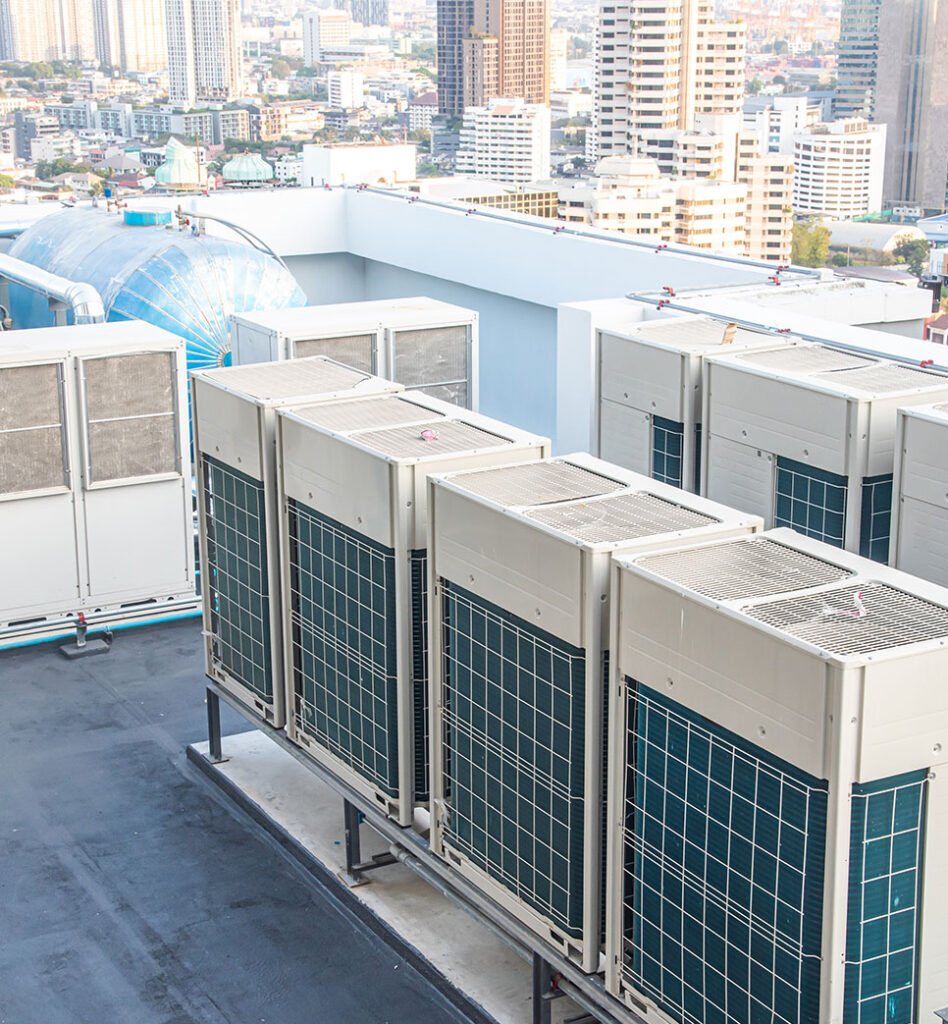
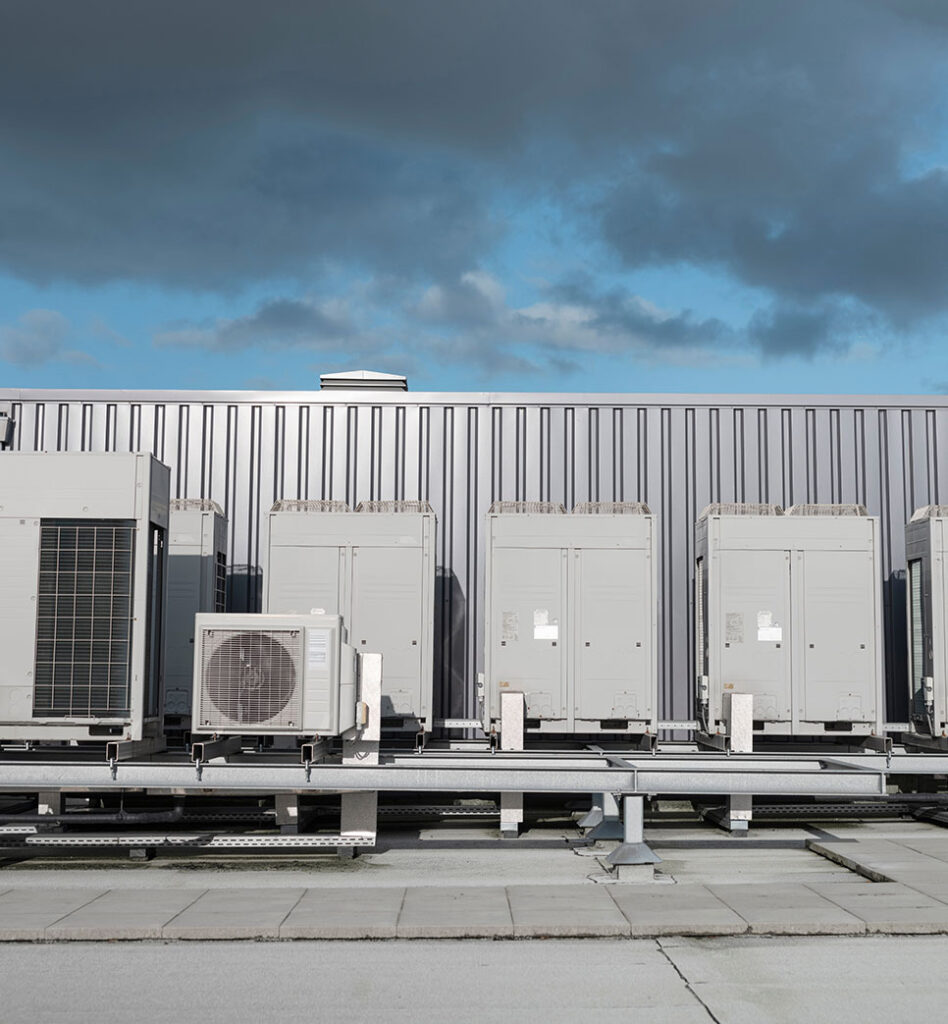
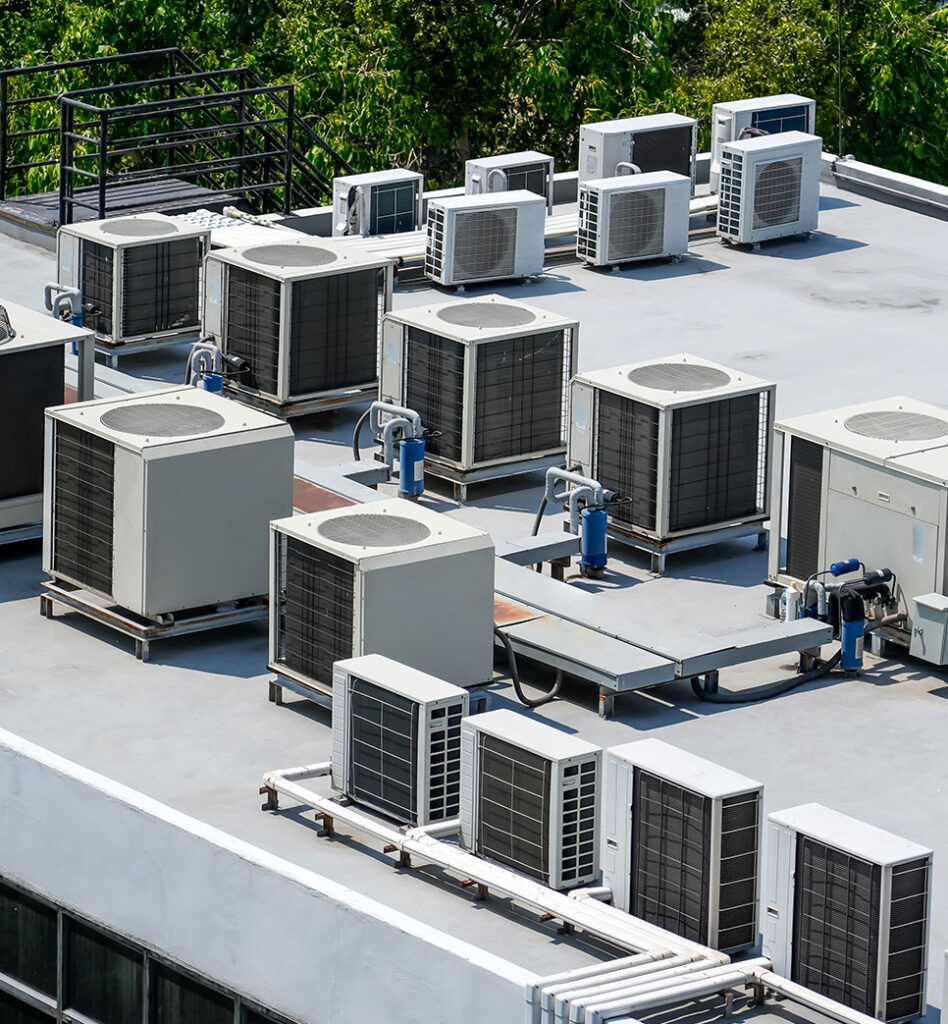
    A rooftop unit, often called a “packaged unit,” is an all-in-one solution. As the name suggests, it is typically installed on the roof of a commercial building. All components—the compressor, condenser, evaporator coil, blower fan, and heating element—are housed in a single metal cabinet. Ductwork connects the unit directly to the building’s interior through a hole in the roof.

    RTUs are the ubiquitous rectangular boxes you see on top of shopping malls, office parks, and big-box retailers. They are prized for saving indoor space and simplifying installation.

    What is a Commercial Split System?

    A split system divides the HVAC components into two separate parts.

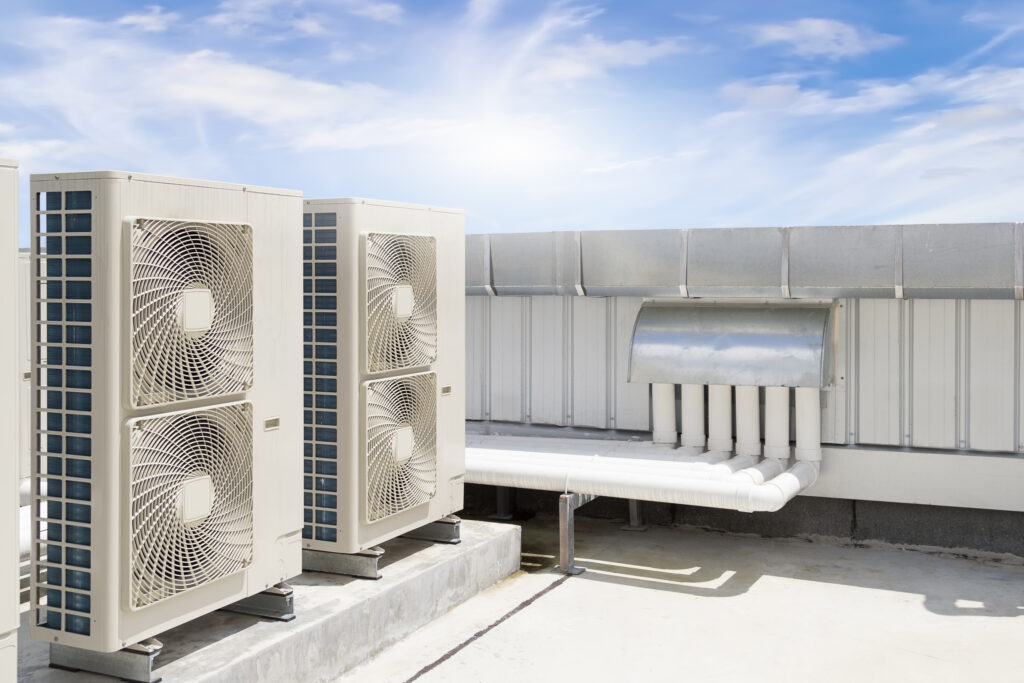
    1. The Outdoor Unit: Contains the compressor and condenser. This is usually located on a concrete pad on the ground or sometimes mounted on a wall or roof.
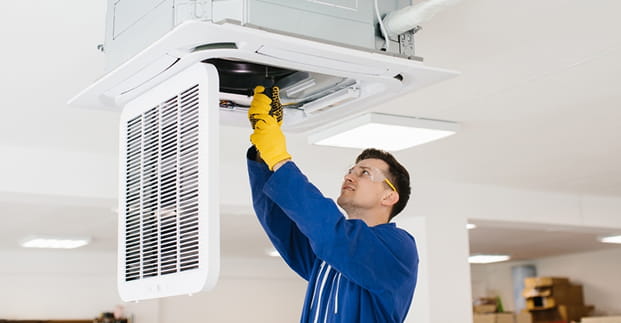
    2. The Indoor Unit: Contains the evaporator coil and air handler (fan). This is located inside the building, often in a closet, basement, or suspended above a drop ceiling.

    Refrigerant lines connect the two units. Split systems are essentially larger, more robust versions of the central AC unit you likely have in your home. They are popular for smaller commercial spaces, multi-tenant buildings, and areas where roof access is limited.

    1. Energy Efficiency: The SEER vs. EER Battle

    When performing an energy-efficient HVAC comparison, you will encounter two main acronyms: SEER (Seasonal Energy Efficiency Ratio) and EER (Energy Efficiency Ratio).

    • SEER measures efficiency over an entire cooling season, accounting for varying temperatures.
    • EER measures efficiency at a specific peak operating temperature (usually 95°F).

    The Split System Advantage

    Generally speaking, split systems often have higher SEER ratings than packaged rooftop units. Because the components are separated, manufacturers have more flexibility in design. The indoor unit is in a conditioned or semi-conditioned space (like a ceiling plenum), which protects it from the harsh solar heat that bakes a rooftop unit.

    High-efficiency ductless split systems (a subset of split systems) can achieve incredibly high SEER ratings, sometimes exceeding 25 or 30. This makes them extremely cheap to run on mild days.

    The Rooftop Unit Evolution

    Historically, RTUs were seen as “good enough” workhorses with lower efficiency. However, recent Department of Energy (DOE) regulations have forced significant improvements. Modern high-efficiency RTUs now feature variable-speed compressors, advanced scroll technology, and better insulation.

    While a standard RTU might have a lower SEER than a top-tier split system, the gap is closing. Furthermore, for large open spaces (like a warehouse or open-plan office), the sheer power and airflow volume of an RTU can be more efficient than trying to link multiple split systems together.

    For businesses looking to maximize current efficiency standards, our Commercial HVAC Replacement Services can help you select units that meet the latest Title 24 energy requirements in California.

    2. Installation Costs and Complexity

    The initial cost of installation is the first hurdle in any commercial HVAC cost analysis.

    Rooftop Units: The “Plug and Play” Solution

    RTUs are designed for simplified installation. Since the unit is pre-assembled at the factory, the on-site labor is reduced. The process typically involves:

    1. Installing a roof curb (the metal frame the unit sits on).
    2. Lifting the unit with a crane.
    3. Connecting the ductwork and electrical.

    While crane rental adds a cost, the reduced labor hours often make RTUs cheaper to install upfront, especially for new construction where the roof penetrations are planned from the start.

    Split Systems: The Labor-Intensive Option

    Split systems require more labor. Technicians must:

    1. Install the outdoor unit on a pad.
    2. Install the indoor air handler (often in a tight, difficult-to-reach space).
    3. Run long lengths of copper refrigerant piping between the two.
    4. Run electrical wiring between the two.
    5. Install condensate drain lines.

    The long refrigerant lines are a critical factor. If the distance between the indoor and outdoor unit is significant, installation costs skyrocket due to the price of copper and the labor to braze, test, and charge the lines. Additionally, longer lines can result in a slight loss of efficiency.

    3. Ductwork and Air Distribution Energy Loss

    The method of delivering air plays a huge role in the total energy bill. You are paying to cool air, but if that air gains heat before it reaches the occupied space, you are wasting money.

    The RTU Challenge: External Ductwork

    In many RTU installations, the ductwork runs across the roof before entering the building. Even with insulation, these ducts are exposed to the sun and wind. In the summer, the sun heats the metal ducts, warming the cool air inside before it even gets to your office. In the winter, heat is lost to the cold outside air.

    If the ductwork is entirely internal (dropping straight down from the unit into the building), this loss is minimized. However, any exterior ductwork represents a significant energy penalty for RTUs.

    The Split System Advantage: Interior Focus

    With a split system, the air handler and all ductwork are typically inside the building envelope. This means any “lost” cooling or heating from the ducts still ends up inside the building, contributing to the overall temperature. There is zero thermal loss to the outside environment from the distribution system.

    This inherent design feature can make split systems more efficient in practice, even if the unit’s efficiency rating is identical to an RTU.

    4. Zoning and Control: Precision vs. Power

    How you use your building determines which system saves you more money.

    RTUs: Centralized Power

    Rooftop units are excellent for single-zone climate control. If you have a large open retail floor or a unified office space, one large RTU is efficient and easy to control.

    However, if you have a building with many small offices, conference rooms, and a server room, using one big RTU is inefficient. You end up cooling the entire building just to keep one conference room comfortable. While VAV (Variable Air Volume) boxes can be added to RTUs to create zones, this adds complexity and cost.

    Split Systems: Granular Control

    Split systems are naturally better suited for zoning. You can install separate systems for different areas. For example, you can have a dedicated split system for the server room that runs 24/7, while the office systems shut down at 5:00 PM.

    “Ductless” mini-splits take this to the extreme, allowing every single room to have its own thermostat. This creates massive energy savings because you stop conditioning unoccupied rooms entirely. If your building usage is fragmented, the ability to turn off 50% of your HVAC capacity while leaving the rest running is a huge financial advantage for split systems.

    Learn more about specialized cooling needs for critical zones on our Commercial Server Room Cooling Services page.

    5. Maintenance Access and Costs

    Energy costs are important, but maintenance costs are the other half of the operational equation. The location of the equipment dictates how easy (and cheap) it is to service.

    Rooftop Units: “Out of Sight” Issues

    RTUs are located on the roof. This has pros and cons.

    • Pro: The technician doesn’t need to enter your workspace, minimizing disruption to your business.
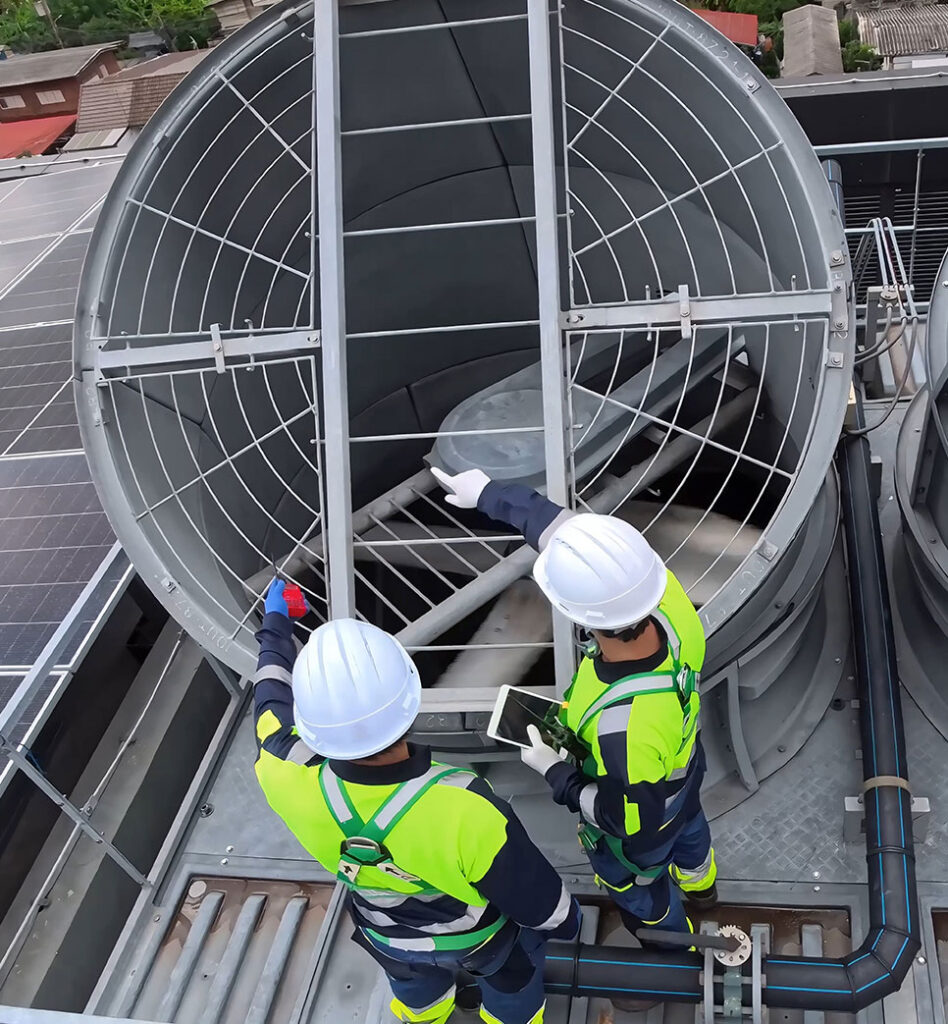
    • Con: Access can be difficult. Technicians need a ladder or roof hatch. Bad weather (rain, high winds) can delay service.
    • Con: Because they are out of sight, they are often out of mind. Filters get clogged and belts slip because no one walks by and hears the noise. Neglect leads to higher energy bills.

    Since all components are in one box, troubleshooting is centralized. A technician can check the compressor, fan, and electricals without moving. This can shorten diagnostic time.

    Split Systems: The Split Reality

    Split systems have components in two places.

    • Pro: The outdoor unit is usually on the ground, making coil cleaning easy.
    • Con: The indoor unit is often above a ceiling tile in an office. Servicing it requires a ladder in the middle of a hallway or workspace, potentially disrupting business operations. Changing filters or fixing a condensate leak can be messy inside a finished office.
    • Con: Leaks in the refrigerant lines running through walls or ceilings can be incredibly expensive and destructive to find and fix.

    Regular maintenance is non-negotiable for both to maintain energy efficiency. Check out our comprehensive Commercial HVAC Maintenance Services to keep either system running at peak performance.

    6. Lifespan and Replacement Costs

    How often will you have to buy this system again?

    The RTU Lifespan

    Because RTUs are exposed to the elements 24/7—sun, rain, hail, bird droppings—they generally have a shorter lifespan than split systems. The average lifespan of a commercial RTU is 15 to 20 years. The cabinet eventually rusts, and the constant thermal expansion and contraction take a toll.

    However, replacing an RTU is relatively easy. You crane the old one off and drop the new one on the existing curb (using a curb adapter if necessary). It is a one-day job with minimal disruption.

    The Split System Lifespan

    The indoor components of a split system are protected and can last 20 to 25 years or more. The outdoor unit is exposed but is often more sheltered than a roof unit.

    However, replacing a split system is complex. If the new unit uses a different refrigerant (which happens as environmental regulations change), the copper lines running through the walls often need to be replaced. Tearing open walls to run new pipes makes replacement significantly more expensive and disruptive than swapping an RTU.

    7. The Noise Factor and Energy Perception

    While not a direct energy cost, noise pollution affects productivity, which is a cost to your business.

    RTUs isolate noise on the roof. However, if the unit is directly above a conference room and vibration isolation isn’t perfect, the hum can be distracting.

    Split systems move the noisy compressor outside (often away from windows), and the indoor air handlers are generally quieter. Quieter operation doesn’t save electricity, but it improves the “environmental quality” of the building, which is part of the overall value proposition.

    8. Economizers: The RTU’s Secret Weapon

    This is where the rooftop HVAC vs split systems battle takes a sharp turn in favor of RTUs for energy efficiency in the Bay Area.

    An economizer is a device that allows an HVAC system to use cool outside air to cool the building, rather than running the compressor.

    • Example: It is 55°F outside, but the sun is heating your office to 76°F. You need cooling.
    • With an Economizer (RTU): The unit opens a damper, sucks in the 55°F air, filters it, and distributes it. The compressor stays off. You get “free cooling.”
    • Without an Economizer (Split System): Standard split systems cannot bring in outside air. They must run the energy-intensive compressor to mechanically cool the recirculated air, even if it is freezing outside.

    In the Bay Area climate, where mornings and evenings are cool even in summer, an economizer can save a massive amount of energy—estimates range from 20% to 50% of cooling costs.

    While you can add fresh air intakes to split systems, it is complicated, expensive, and rarely as effective as the integrated economizer found on almost every commercial RTU. If your building operates during hours when the outside air is cool (mornings/evenings), an RTU with a functional economizer is almost certainly the lower-energy choice.

    Ensure your economizer is working correctly with our Commercial HVAC Repair Services.

    9. Leasability and Tenant Responsibilities

    If you own a commercial building and lease it out, the type of system affects who pays the energy bill and who pays for repairs.

    • RTUs: In single-tenant triple-net leases, the tenant often pays for maintenance and energy. RTUs are easy to assign to a specific tenant space.
    • Split Systems: In multi-tenant buildings, split systems are great for billing individual energy usage. Each tenant has their own meter and their own unit.

    However, if you have a central chiller or boiler (a different type of system), dividing energy costs becomes a complex calculation of square footage, which tenants often dispute. Both RTUs and separate split systems offer clear “pay for what you use” energy accountability.

    10. Aesthetics and Building Codes

    Sometimes the choice isn’t about energy; it’s about what you are allowed to do.

    • Historic Buildings: You may not be allowed to put a modern unit on the roof or hang a condenser on the side of a historic facade. Split systems with hidden condensers might be the only option.
    • Retail Centers: Landlords often mandate RTUs to keep the ground level clear for parking and landscaping.
    • Height Restrictions: Some cities have strict building height limits that might preclude a tall rooftop unit, forcing you toward ground-level split systems.

    Violating codes can lead to fines and forced removal, which is the ultimate wasted cost.

    Summary Comparison Table

    FeatureRooftop Unit (RTU)Split System
    Initial CostLower (Plug & Play installation)Higher (Labor intensive piping/wiring)
    Energy Efficiency (SEER)Good (14-20 SEER)Better (Up to 25+ SEER)
    Free CoolingExcellent (Built-in Economizers)Poor (Requires complex add-ons)
    ZoningGood for large single zonesExcellent for multiple small zones
    Maintenance AccessDifficult (Roof access required)Mixed (Outdoor unit easy, indoor unit disruptive)
    Ductwork EfficiencyProne to loss if exteriorHigh (All interior)
    Lifespan15-20 Years20-25 Years
    Space UsageSaves indoor/ground spaceUses ground/wall space & indoor ceiling space

    Which Wins the Cost Analysis?

    So, in the rooftop HVAC vs split systems showdown, who wins the energy cost battle?

    Choose a Rooftop Unit (RTU) if:

    1. You are in a temperate climate like the Bay Area: The ability to use an economizer for free cooling outweighs the slightly lower SEER rating.
    2. You have large, open spaces: Retail stores, warehouses, and open-plan offices benefit from the high airflow and centralized control.
    3. You want lower upfront costs: The simplified installation preserves capital for other business investments.
    4. Space is a premium: You need every square foot of ground level for parking or operations.

    Choose a Split System if:

    1. You have a segmented floor plan: Many small offices, classrooms, or patient rooms require individual temperature control.
    2. Roof access is impossible or restricted: Historic buildings or high-rises where crane lifts are not feasible.
    3. You need ultra-high efficiency for specific zones: Server rooms or areas with 24/7 cooling needs benefit from high-SEER ductless options.
    4. You want to eliminate roof penetrations: Reducing the risk of roof leaks is a priority.

    Making the Right Choice with 1800coolaid.com

    There is no single “best” system, only the best system for your specific building and budget. An incorrect choice can lead to years of inflated energy bills and comfort complaints.

    At 1800coolaid.com, we specialize in helping Bay Area businesses navigate these complex decisions. We don’t just sell boxes; we design solutions. Whether you are in Palo Alto, Fremont, or Los Gatos, our team can perform a detailed load calculation and cost analysis for your property.

    We look at your building orientation, your insulation, your business hours, and your budget to recommend the system that offers the lowest Total Cost of Ownership (TCO).

    Ready to upgrade your efficiency?
    Whether you need to repair an aging RTU or install a brand-new split system network, we have the expertise to get it done right.

    Visit our Commercial HVAC Services page to learn more, or contact us today to schedule a consultation. Let’s make sure your next HVAC investment is a smart one.

    Frequently Asked Questions

    Q: Which system is cheaper to repair, an RTU or a split system?
    A: Generally, RTUs are cheaper to troubleshoot because all components are in one place. Split systems can take longer to diagnose, especially if the issue involves the refrigerant lines running through walls.

    Q: Can I replace an RTU with a split system?
    A: It is possible but usually cost-prohibitive. You would need to patch the hole in the roof, pour a concrete pad on the ground, run new electrical, and install new copper piping and indoor units. It is almost always more cost-effective to replace an RTU with a newer, more efficient RTU.

    Q: Do split systems provide fresh air?
    A: By default, no. They recirculate indoor air. Fresh air must be provided by a separate ventilation system or by ducting a fresh air intake to the back of the indoor unit, which adds complexity. RTUs handle fresh air intake natively.

    Q: Are ductless mini-splits good for commercial use?
    A: Yes, they are excellent for specific applications like server rooms, lobbies, or retrofitting older office buildings that have no space for ductwork. However, for large open spaces, they may not provide enough air throw compared to a traditional RTU.


    Stay Comfortable Year-Round With Expert HVAC Service

    Book a trusted technician to handle your heating or cooling issue—fast, professional, and done right the first time.

    Book Service Now
    Blog post Image
    Blog post Image
    Blog post Image

    Frequently Asked Questions

    How do I know when condensing unit replacement is better than repair?

    Consider replacement when repair costs exceed 50% of replacement cost, when units are over 12-15 years old, or when efficiency losses significantly increase energy bills. We provide cost-benefit analysis to help you make the right decision for your specific situation.

    What energy savings can I expect from a new high-efficiency condensing unit?

    Modern units typically achieve 20-40% energy savings compared to units installed before 2010. For a business spending $500 monthly on refrigeration energy, this represents $100-200 monthly savings that often pays for replacement within 3-5 years.

    How long does condensing unit replacement take?

    Most replacements take 1-3 days depending on unit size and installation complexity. We coordinate work around your business schedule to minimize disruption and can often provide temporary cooling during installation when necessary.

      Schedule Your Service

      Stay Comfortable Year-Round With Expert HVAC Service

      Book a trusted technician to handle your heating or cooling issue—fast, professional, and done right the first time.

      Schedule a FREE Discovery Call
      Close

      Schedule Your Service