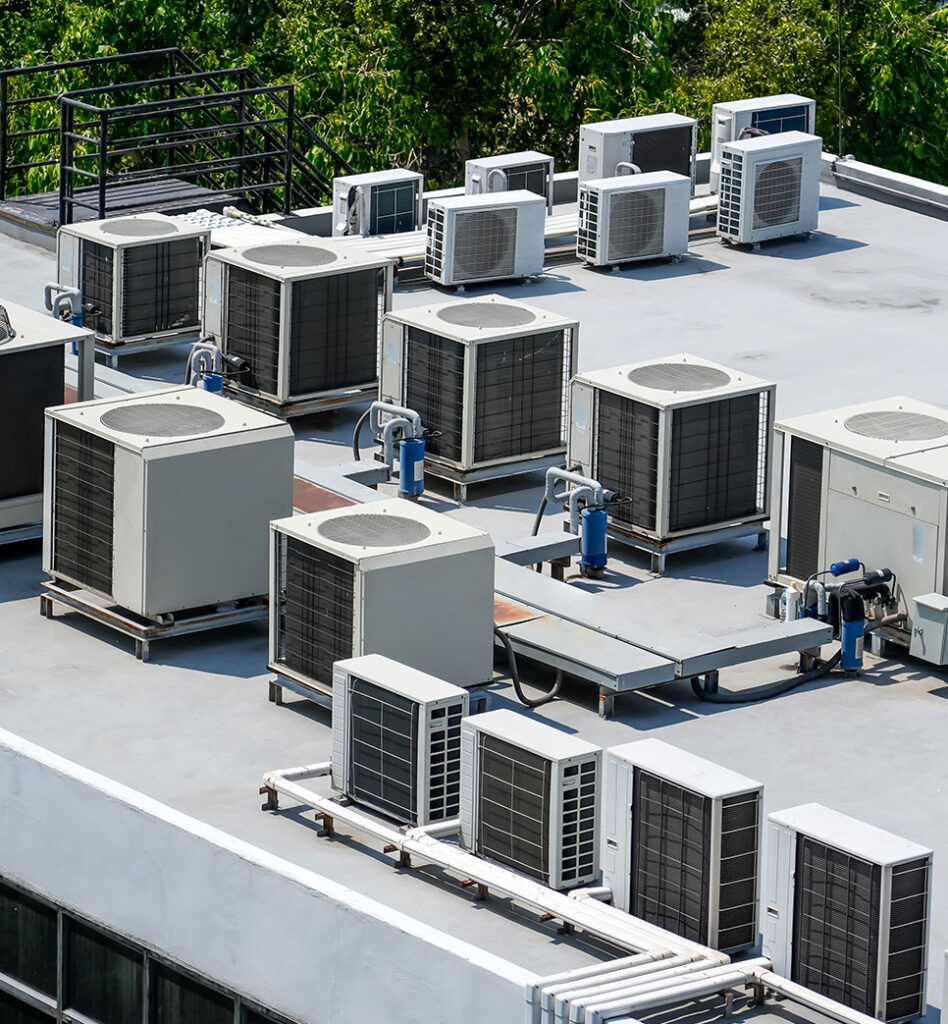
Selecting the right HVAC system is one of the most critical decisions a commercial property owner or manager will make. This choice has long-term implications for everything from upfront installation costs and monthly energy bills to occupant comfort and building aesthetics. The two most common configurations for commercial properties are rooftop units (RTUs) and ground-level systems. Each has a distinct set of advantages and disadvantages that make it better suited for specific applications.
Making an informed decision requires a thorough comparison across several key factors. Should you place your equipment on the roof, out of sight and out of mind? Or is a ground-level installation a more practical choice for your facility? This comprehensive guide will break down the debate between rooftop HVAC units and ground-level systems. We’ll compare them on installation, maintenance, efficiency, cost, and overall suitability, giving you the insights needed to determine the best path forward for your commercial building in places like San Jose or the surrounding Bay Area.
Understanding the Fundamental Difference
Before diving into a detailed comparison, it’s important to understand the basic distinction between these two setups. The core technology—the refrigeration cycle for cooling and the combustion or electric elements for heating—is often very similar. The primary difference lies in the packaging and placement of the equipment.
Rooftop HVAC Units (RTUs)
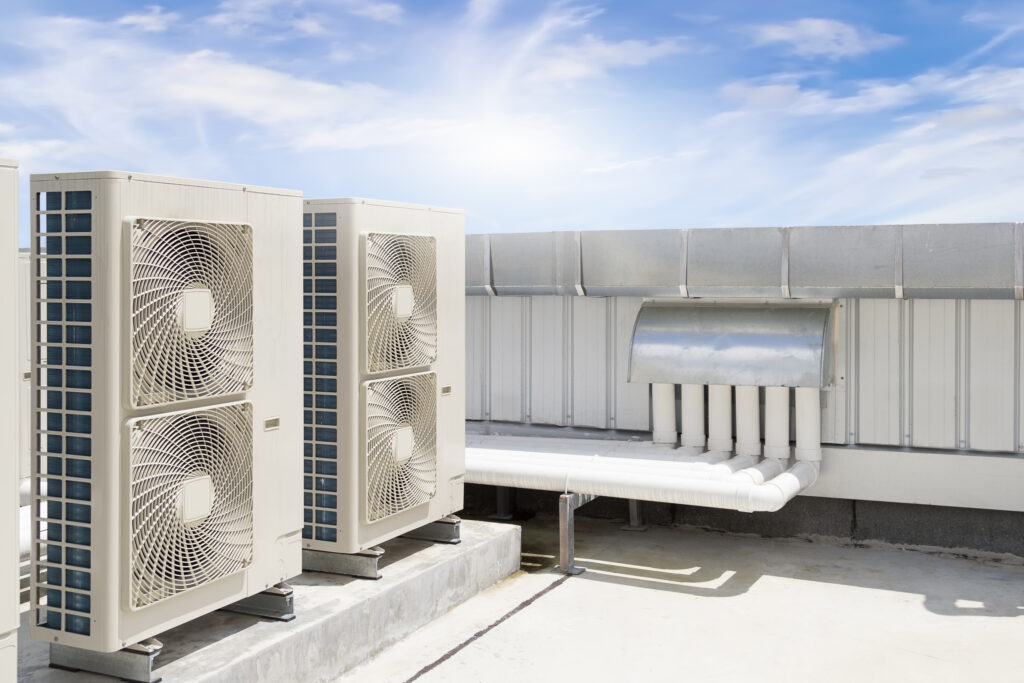
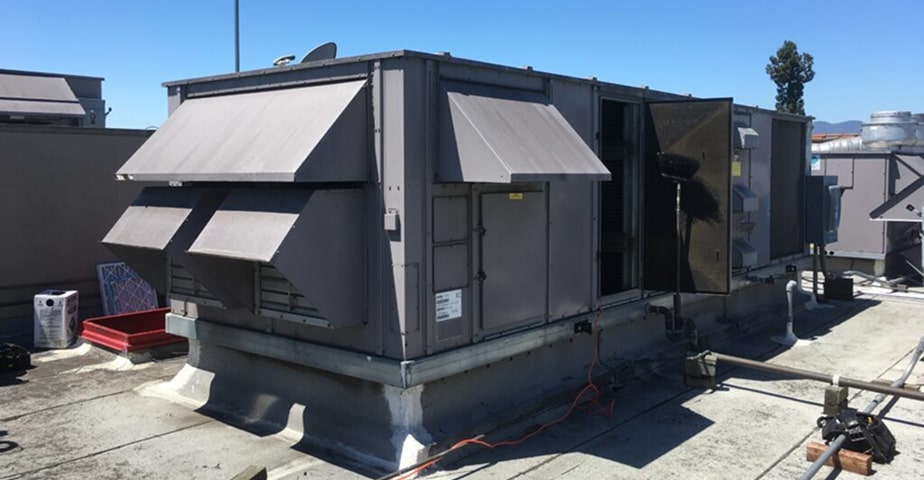
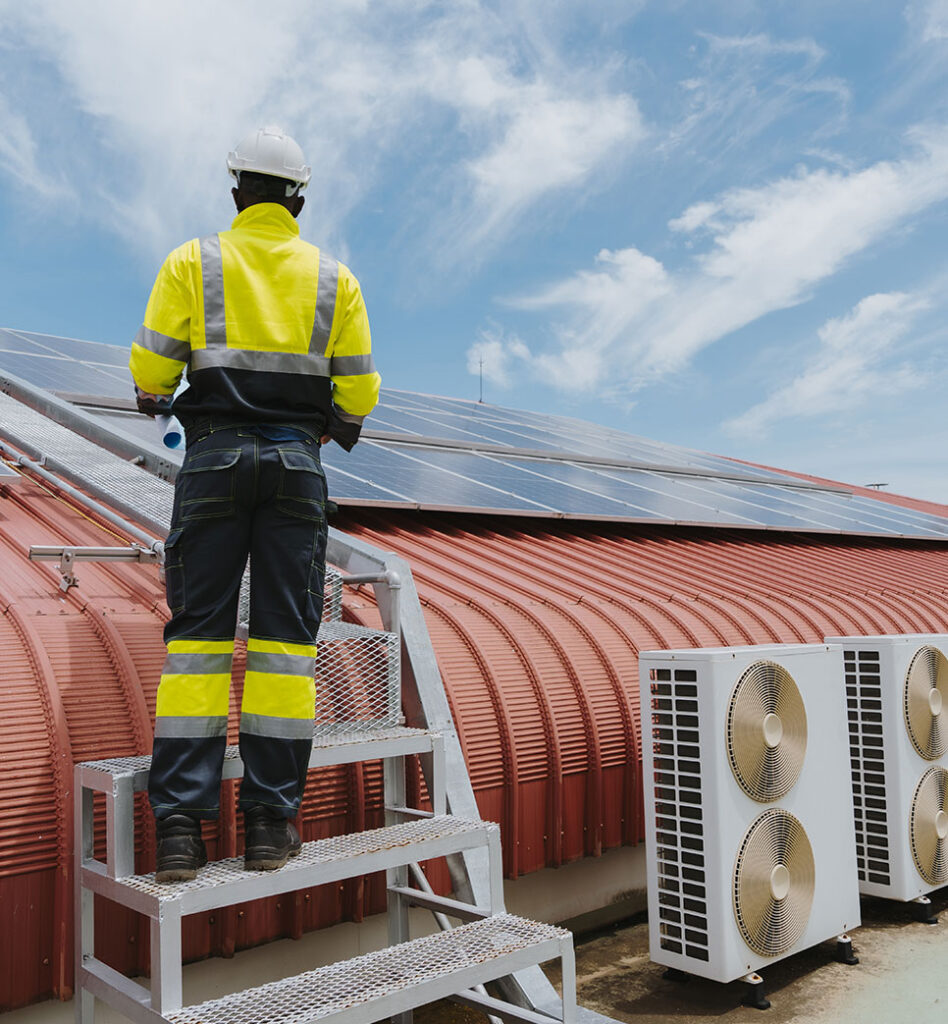
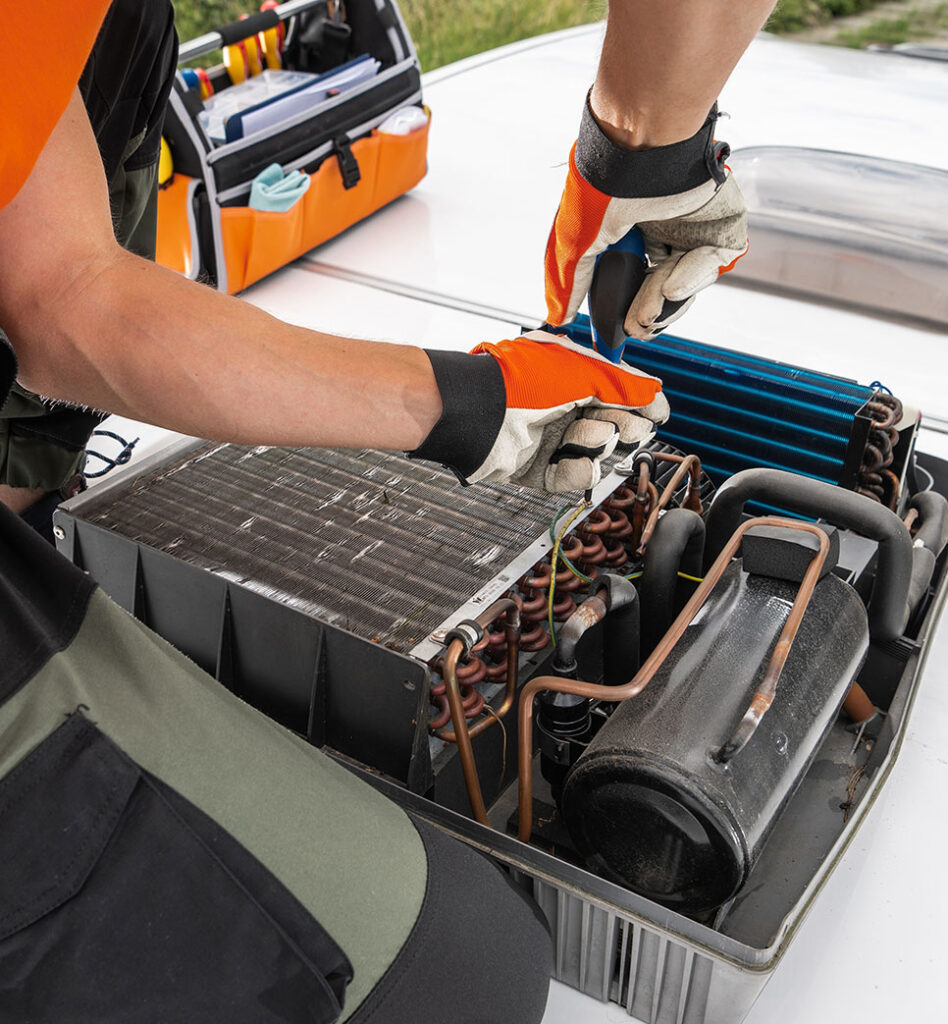
As the name implies, these are self-contained, or “packaged,” systems installed on the roof of a building. A single, large cabinet houses all the essential components: the compressor, condenser coils, evaporator coils, fans, dampers, and the heating section (like a gas furnace or electric heat strips). The unit connects to the building’s interior through ductwork that passes through a weatherproof opening in the roof called a curb. Conditioned air is supplied, and return air is drawn back, all through this single point of connection.
Ground-Level Systems
Ground-level systems are most often “split systems.” This means the equipment is divided into two main parts: an outdoor unit and one or more indoor units.
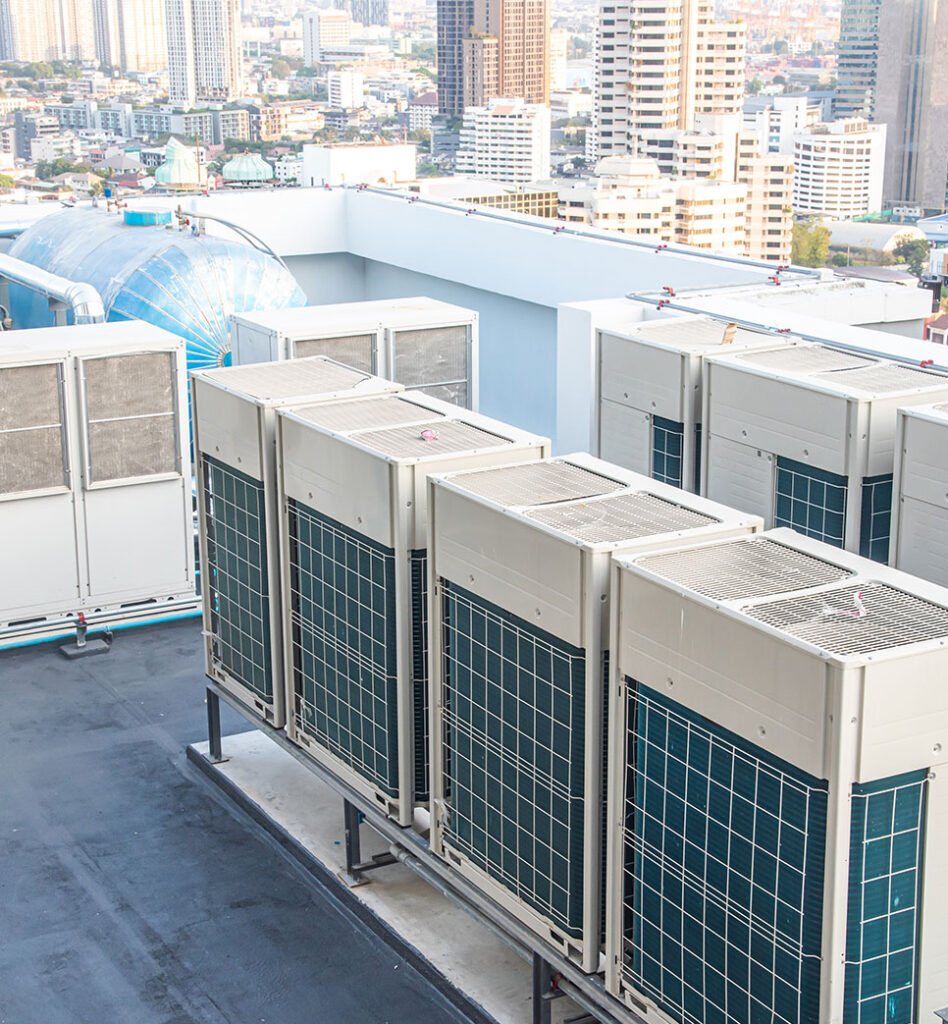
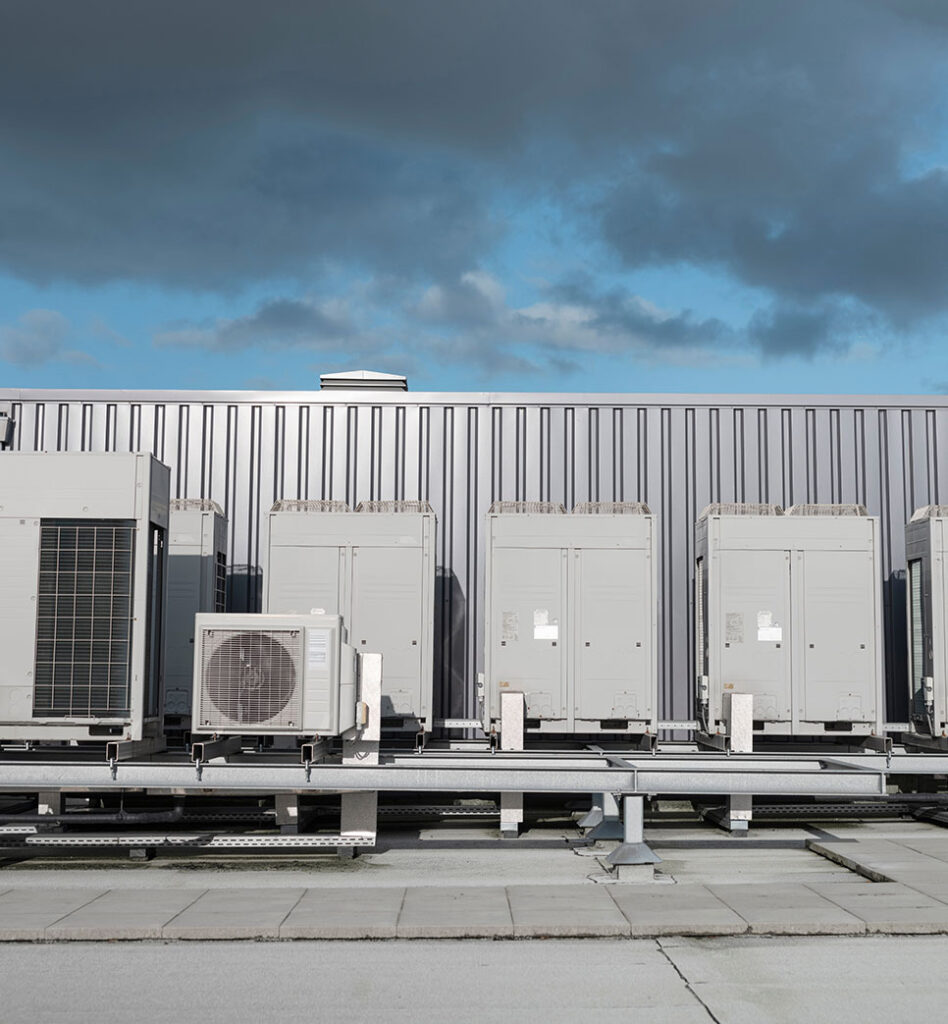
- Outdoor Unit: Typically placed on a concrete slab next to the building, this unit contains the compressor and condenser coils. It’s responsible for rejecting heat to the outdoors during the cooling cycle.
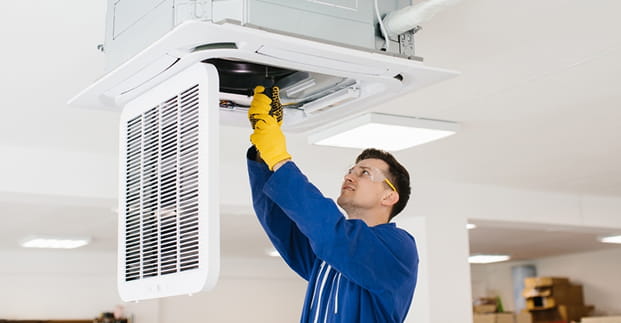
- Indoor Unit: Located inside the building (often in a dedicated mechanical room, attic, or closet), this unit contains the evaporator coils and the blower fan. The furnace or air handler is part of this indoor section.
These two components are connected by a set of copper tubes called a line set, which carries the refrigerant between them. Ductwork originates from the indoor unit and distributes conditioned air throughout the building. For larger commercial properties, multiple split systems may be required to serve different zones.
Factor 1: Installation and Space Utilization
The installation process and its impact on your property’s usable space is a primary differentiator between rooftop and ground-level systems.
Rooftop HVAC Units: Maximizing Your Footprint
The standout advantage of an RTU is its incredible space efficiency. Commercial real estate is a valuable asset, and every square foot counts. By placing the entire HVAC system on an otherwise unused rooftop, you free up significant space both inside and outside the building.
- No Need for a Mechanical Room: RTUs eliminate the need for a large indoor mechanical room to house an air handler or furnace. This interior space can be repurposed for offices, storage, retail displays, or other functions that directly contribute to your business operations.
- Clear Exterior Grounds: A rooftop installation keeps the area around your building’s perimeter clear. This provides more room for parking, landscaping, customer walkways, or delivery access. It also creates a cleaner, more aesthetically pleasing exterior, which can be important for customer-facing businesses in areas like Palo Alto.
- Installation Process: Installing an RTU is a specialized job that requires a crane to lift the heavy unit onto the roof. A prefabricated curb must be properly installed and sealed to the roof deck to provide a stable, waterproof mounting platform. While the use of a crane adds complexity and cost, the installation can be relatively quick once the unit is in place, as it’s a single piece of equipment.
Ground-Level Systems: A More Traditional Approach
Ground-level systems require dedicated space both outdoors and indoors. While this might be a drawback for some, it can be a necessity for buildings that cannot support a heavy rooftop installation.
- Ground and Interior Space Requirements: You must allocate a portion of your property for the outdoor condenser unit(s). This area needs to be level, stable, and have adequate clearance for airflow. Additionally, you must have an accessible indoor space for the furnace or air handler. In a new construction, this can be planned for, but in a retrofit, finding this space can be challenging.
- Aesthetics and Logistics: The outdoor condenser units can be an eyesore and may need to be concealed by fences or landscaping. They can also create logistical challenges for foot traffic or property maintenance around the building.
- Installation Process: Installation of a split system does not require a crane, which can simplify the process. However, it involves more steps. The technician must set the outdoor unit, install the indoor unit, and then run the refrigerant line set between them. This can involve drilling through exterior walls and running lines through ceilings or walls, making it a more invasive process than a straightforward RTU replacement.
Winner: Rooftop HVAC Units. For most commercial buildings, the ability to reclaim valuable indoor and outdoor space gives RTUs a decisive edge in this category.
Factor 2: Maintenance, Accessibility, and Service
Ease of maintenance is critical for minimizing downtime and controlling long-term operational costs. Accessibility plays a huge role in how quickly and efficiently a technician can perform their work.
Rooftop HVAC Units: Centralized but Elevated
The consolidated nature of an RTU offers a significant advantage for service professionals.
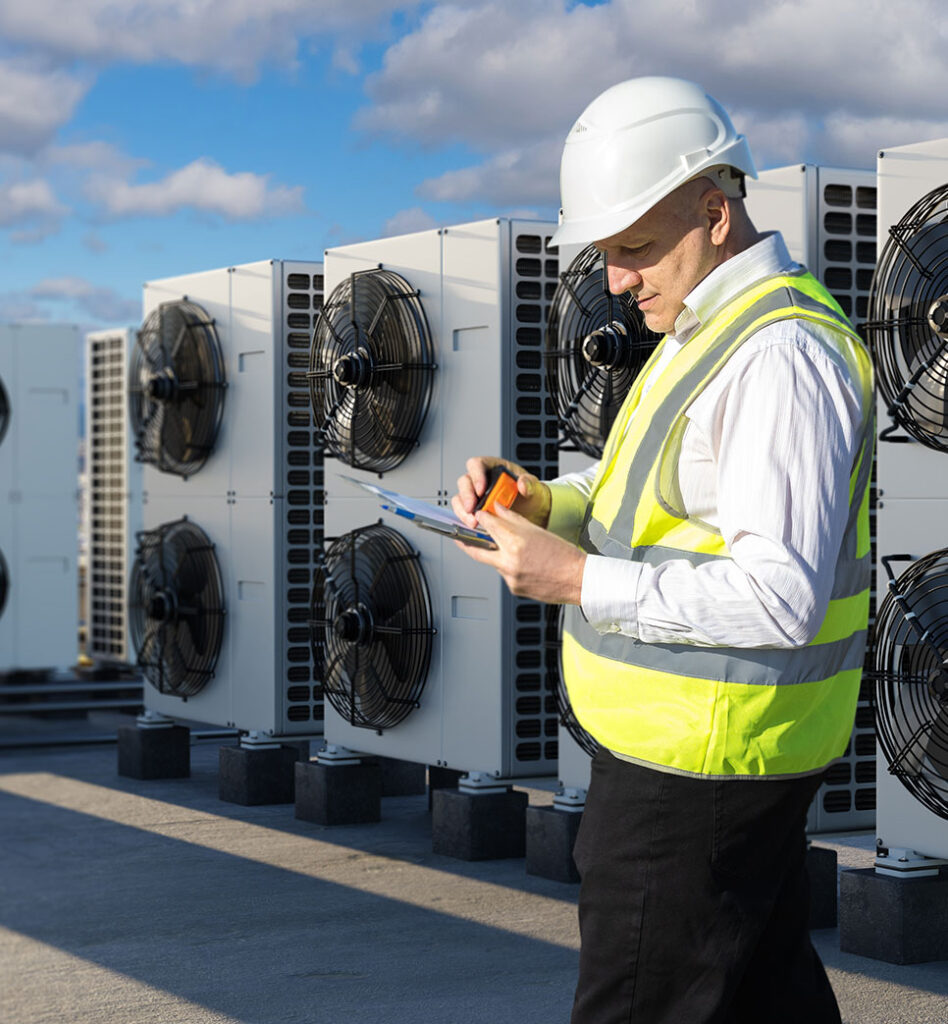
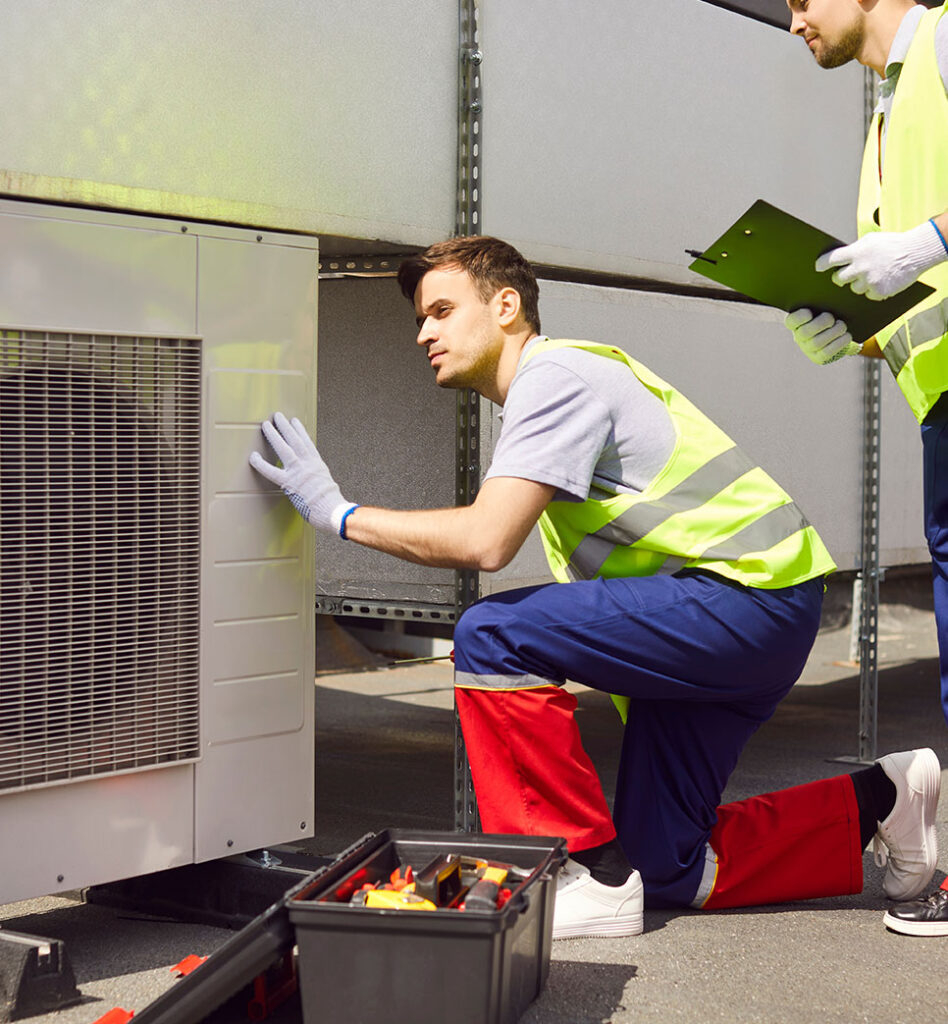
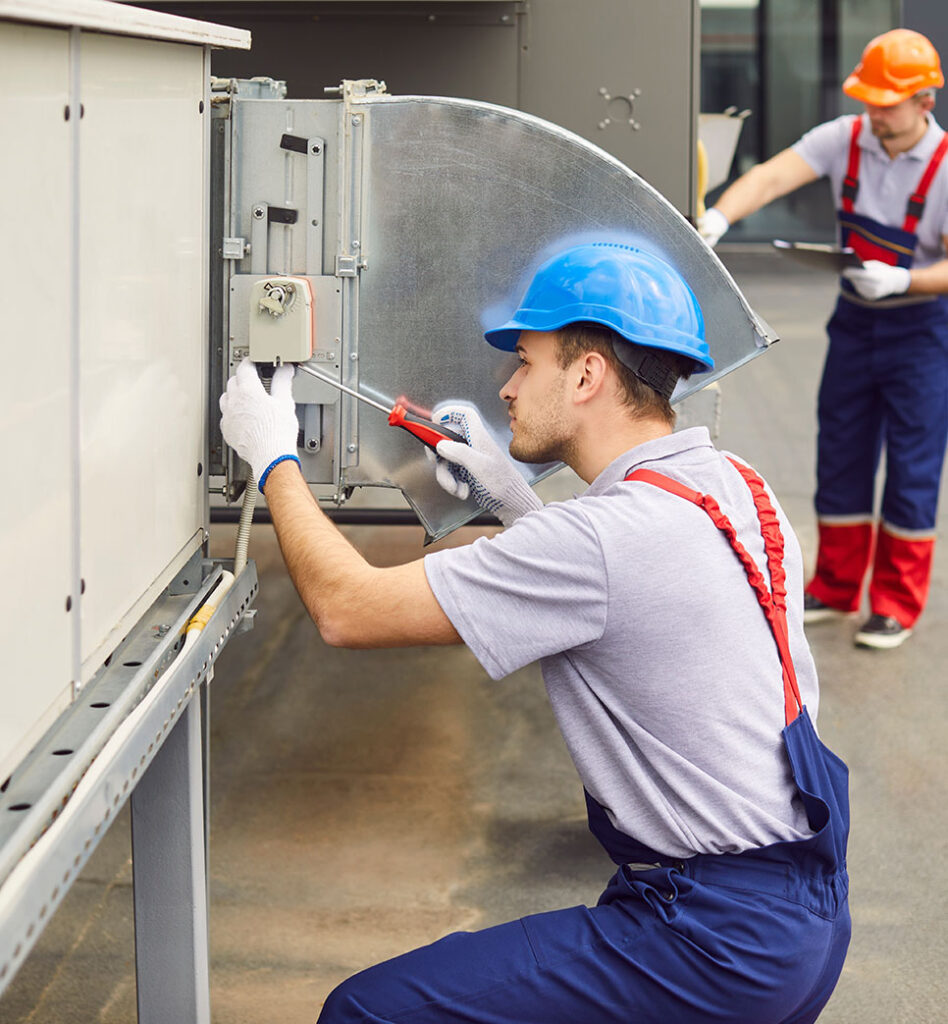
- All-in-One Service: All components are in one location. A technician doesn’t have to go from an indoor unit in a closet to an outdoor unit on the other side of the building. This makes troubleshooting and performing routine commercial HVAC services much more efficient, potentially reducing labor time.
- Minimized Business Disruption: Since the work is performed on the roof, it rarely interferes with your daily business operations. Technicians can work without disturbing employees or customers inside, a major benefit for restaurants, retail stores, and active office environments.
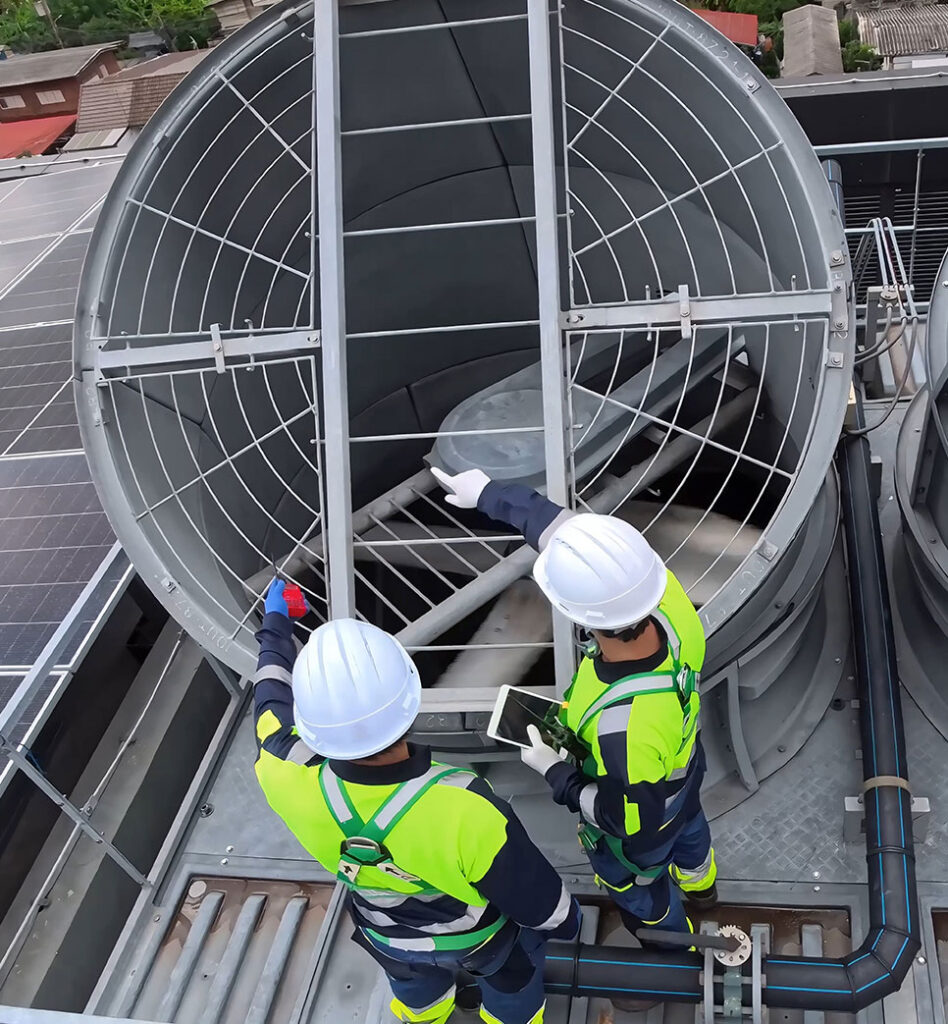
- The Accessibility Challenge: The primary drawback is that the unit is on the roof. Safe access requires a permanent roof hatch or a sturdy, secured ladder. In bad weather (heavy rain, snow, or high winds), accessing the unit can become difficult or unsafe, potentially delaying emergency repairs.
Ground-Level Systems: Easy to Reach, but Dispersed
Ground-level systems are inherently easier to access, but the components are separated.
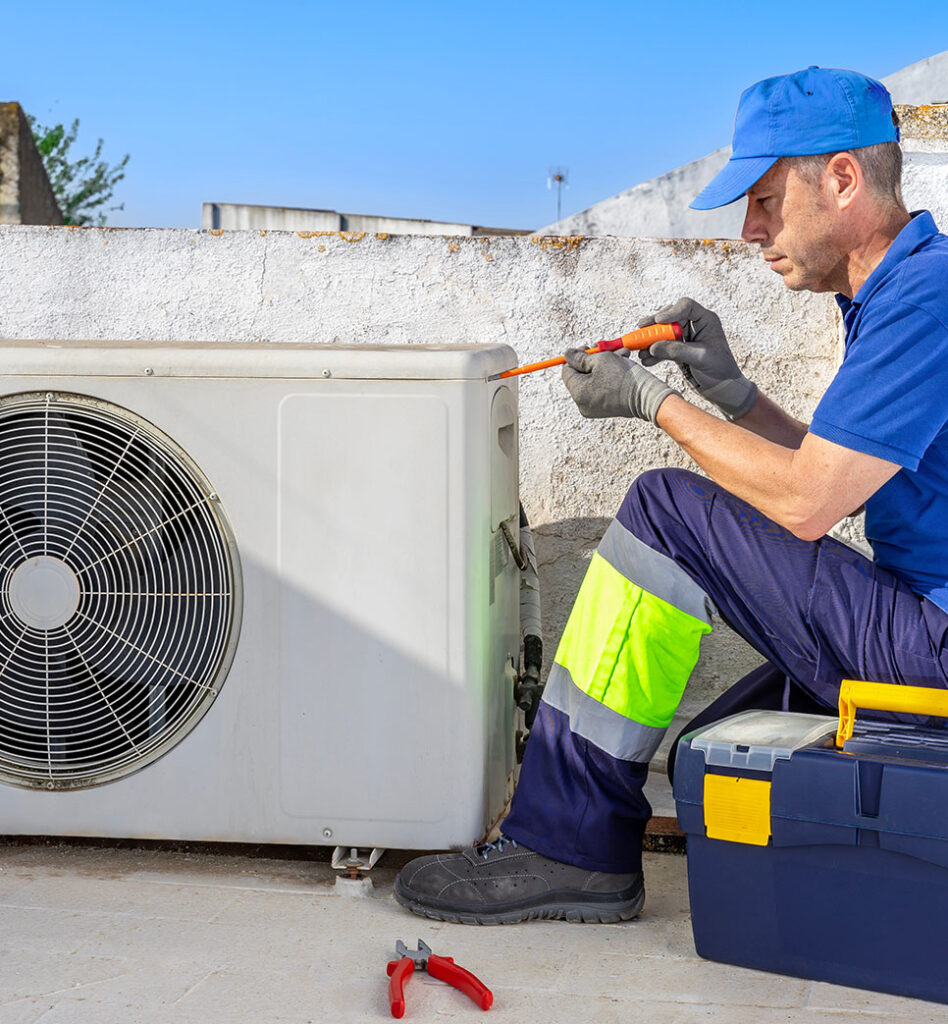
- Excellent Accessibility: Technicians can simply walk up to the outdoor unit. This makes routine tasks like cleaning condenser coils straightforward. The indoor unit is also typically located in an accessible closet or room. This ease of access can be a major plus, especially when urgent repairs are needed.
- Potential for Disruption: Servicing the indoor unit requires the technician to enter your business. This can disrupt workflows and may be less than ideal in a busy commercial setting. The work area inside might be cramped, making service more difficult.
- Dispersed Components: When troubleshooting a problem, the technician may need to move back and forth between the indoor and outdoor units to take readings and make adjustments. This can make the diagnostic process slightly less efficient than with a centralized RTU.
Winner: Tie. This category presents a trade-off. RTUs offer centralized, non-disruptive service but can be harder to access. Ground-level systems are easy to reach but involve dispersed components and can cause interruptions to business operations. The “better” option depends on the specific building layout and the business owner’s priorities.
Factor 3: Energy Efficiency and Performance
Both rooftop and ground-level systems are available in a wide range of efficiency ratings. However, their design and placement can influence real-world performance.
Rooftop HVAC Units: Engineered for Commercial Loads
RTUs are specifically designed for the demands of commercial buildings. Modern units often come with advanced features that boost efficiency.
- Economizers: This is a key feature where RTUs often shine. An economizer is a system of dampers that can draw in cool, fresh outside air for “free cooling” when conditions are right. This allows the unit to satisfy cooling needs without running the energy-hungry compressor, leading to massive energy savings in suitable climates like the Bay Area, which often has cool mornings and evenings.
- Variable Speed Technology: High-efficiency RTUs are available with variable-speed compressors and fans. This allows the unit to modulate its output, running at lower, energy-saving speeds during periods of low demand and ramping up only when necessary. This is far more efficient than older single-stage units that are either on at 100% capacity or off.
- Roof Exposure: A potential downside is the unit’s constant exposure to direct sunlight. A dark-colored RTU on a hot, sunny roof must work harder to reject heat compared to a unit in a shaded, ground-level location. This can slightly reduce its effective efficiency on the hottest days.
Ground-Level Systems: Proven and Reliable
Split systems have been the standard for residential and light commercial applications for decades. Their efficiency is well-understood and highly regulated.
- Potential for Better Placement: A ground-level condenser can often be installed on the shaded side of a building, reducing its heat load and allowing it to run more efficiently. Proper landscaping can also help keep the area around the unit cooler.
- Shorter Duct Runs (Potentially): Depending on the building’s layout and where the indoor unit is placed, it may be possible to have shorter, more direct duct runs compared to a single RTU serving a large, sprawling space. Shorter ducts mean less energy is lost through air leakage and thermal transfer.
- Lack of Integrated Economizer: Standard split systems do not typically come with an integrated economizer for free cooling. While complex custom solutions can be engineered, they lack the seamless, factory-designed integration found in RTUs, which is a major missed opportunity for energy savings in commercial settings.
Winner: Rooftop HVAC Units. While high-efficiency models exist in both configurations, the common availability of integrated economizers and other features designed specifically for commercial energy savings gives RTUs the advantage.
Factor 4: Longevity, Durability, and Security
An HVAC system is a major investment, and you want it to last. The unit’s placement affects its lifespan and exposure to potential damage.
Rooftop HVAC Units: Out of Harm’s Way
Placing a unit on the roof generally protects it from ground-level hazards.
- Protection from Damage and Vandalism: RTUs are safe from accidental impacts from vehicles, lawn equipment, and forklifts. They are also far less susceptible to vandalism, graffiti, and theft of copper components, which can be a problem for accessible ground units.
- Weather Exposure: RTUs are built to be weather-resistant, with heavy-gauge steel cabinets and protective coatings. However, they are fully exposed to the elements—sun, rain, wind, and hail. Over many years, this constant exposure can lead to corrosion and wear, but this is what they are designed to withstand. Proper maintenance is key to mitigating this.
- Debris Accumulation: Rooftops can accumulate leaves, dirt, and other debris, which can clog condenser coils and drainage systems if not regularly cleaned.
Ground-Level Systems: Accessible but Vulnerable
Ground-level units are easier to protect from the elements but more exposed to human and environmental activity.
- Susceptibility to Damage: These units are at risk of being hit by cars, damaged by landscaping crews, or clogged by grass clippings. They can also be damaged by nesting animals or pests.
- Flood Risk: In areas prone to flooding or poor drainage, a ground-level unit can be severely damaged by standing water. They must be installed on raised pads to mitigate this risk.
- Theft and Vandalism: The accessibility of ground units makes them a target. Copper theft from condenser coils is a common and costly problem that can necessitate a complete commercial HVAC replacement. Protective cages are often required, adding to the cost and hindering service access.
Winner: Rooftop HVAC Units. The protection from ground-level damage, vandalism, and theft makes RTUs a more secure and often more durable long-term investment, despite their exposure to the elements.
Factor 5: Cost Comparison
Cost is always a primary consideration. We need to look at the initial purchase and installation price as well as long-term operational costs.
Rooftop HVAC Units: Higher Upfront, Potentially Lower Lifecycle Cost
- Initial Cost: RTUs are generally more expensive to purchase and install than a split system of equivalent capacity. The unit itself is more complex, and the need for a crane and specialized roof curb installation adds to the upfront expense.
- Operating Cost: Thanks to features like economizers and variable-speed technology, a high-efficiency RTU can have a significantly lower operating cost over its lifetime, especially in climates favorable to free cooling.
- Repair Costs: If a major component like the compressor fails, a commercial HVAC repair service can be expensive. However, because the units are so common in the commercial market, parts are generally readily available.
Ground-Level Systems: Lower Upfront, Potentially Higher Lifecycle Cost
- Initial Cost: A standard commercial split system is typically less expensive to purchase than an RTU. The installation is also less complex as it does not require a crane, leading to lower labor costs.
- Operating Cost: The lack of an economizer can lead to higher energy bills over the long run. While high-efficiency split systems exist, they miss out on the significant savings that free cooling provides.
- Repair Costs: Repair costs are comparable to RTUs for similar failures. However, the cost of adding security cages or repairing damage from vandalism or impacts must also be factored in.
Winner: Tie. This depends on your financial priority. Ground-level systems offer a lower barrier to entry with a smaller initial investment. Rooftop units require more capital upfront but can provide a better return on investment over the system’s life through lower energy bills.
The Verdict: Which is Better for Your Commercial Building?
After comparing these systems across five critical factors, a clear pattern emerges.
Rooftop HVAC units are the superior choice for most modern, low to mid-rise commercial buildings with flat or low-slope roofs. This includes retail stores, office buildings, warehouses, and restaurants. The overwhelming benefits of space savings, centralized and non-disruptive maintenance, enhanced security, and superior energy-saving features like economizers make them the industry standard for a reason. While the initial investment is higher, the long-term operational savings and preservation of valuable real estate typically provide a much better overall value proposition.
Ground-level split systems still have their place and can be the better—or only—option in specific scenarios:
- Buildings with Pitched Roofs: Structures that lack a flat roof cannot accommodate a traditional RTU.
- Buildings with Structural Limitations: The roof structure may not be able to support the significant weight of one or more RTUs.
- Properties with Ample Space: If a business has plenty of available land and a secure area to place the units, the drawbacks of a ground-level system are minimized.
- Strict Budget Constraints: When upfront capital is the most critical factor, the lower initial cost of a split system can make it the more attractive option.
- Small, Standalone Buildings: For very small commercial spaces, a simple split system may be all that is required.
Ultimately, choosing between a rooftop and a ground-level HVAC system is a strategic decision. It requires a careful evaluation of your building’s structure, your business’s operational needs, your budget, and your long-term financial goals. Consulting with a qualified commercial HVAC contractor who serves your area, from Fremont to Santa Clara, is the best way to get a professional assessment and a recommendation tailored to your unique situation.
Stay Comfortable Year-Round With Expert HVAC Service
Book a trusted technician to handle your heating or cooling issue—fast, professional, and done right the first time.
Book Service Now