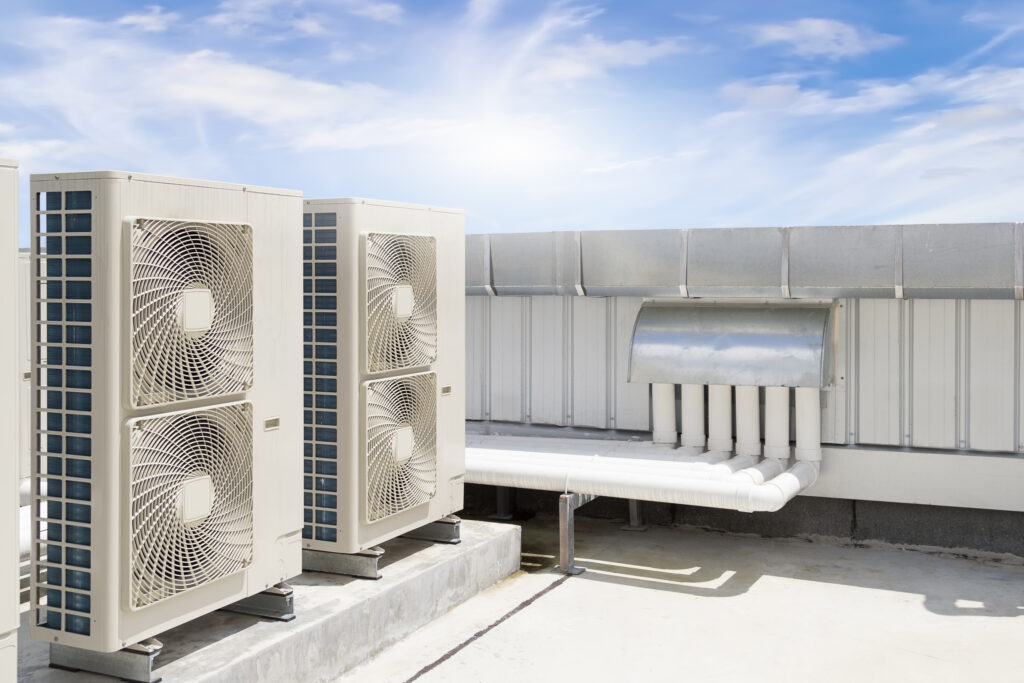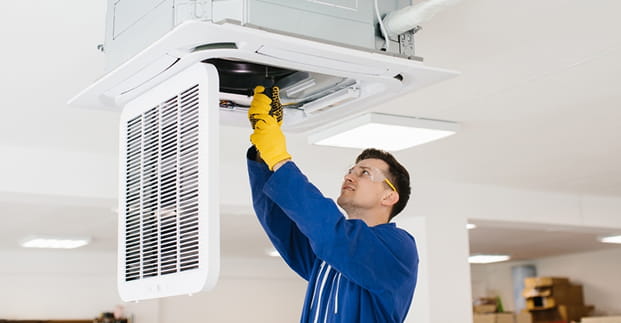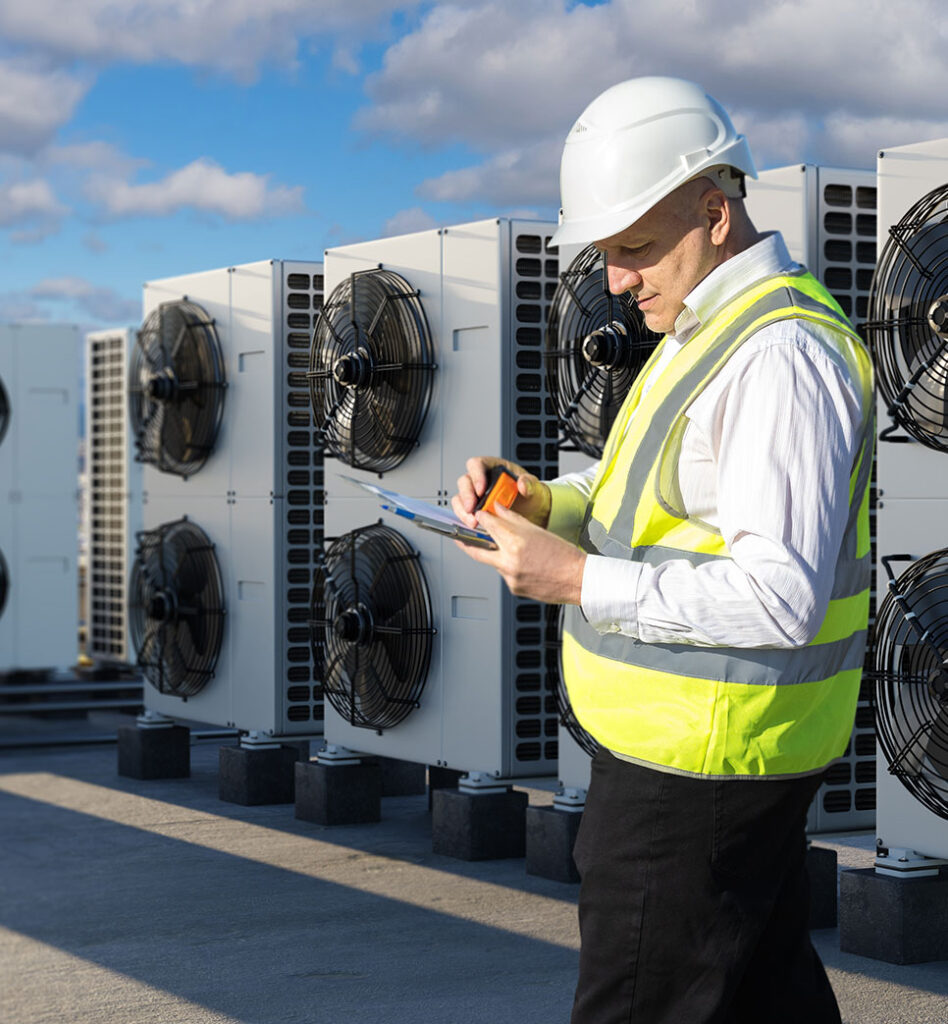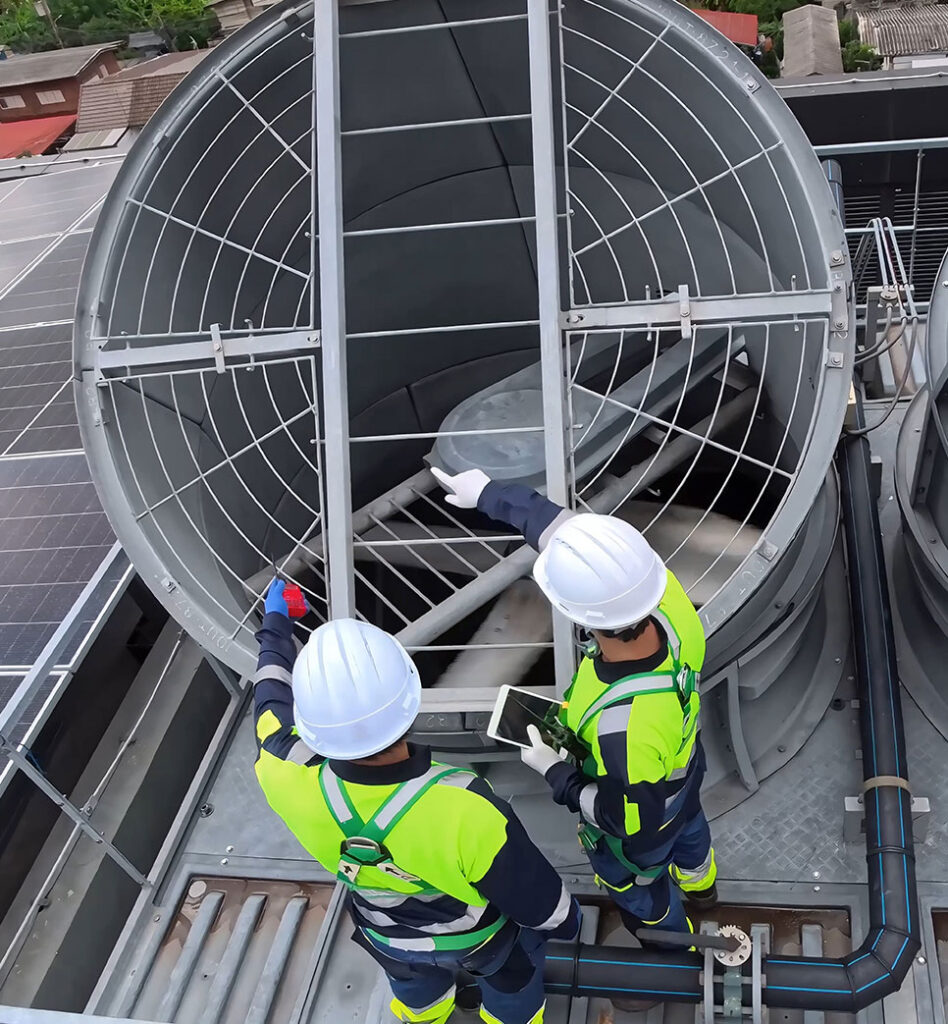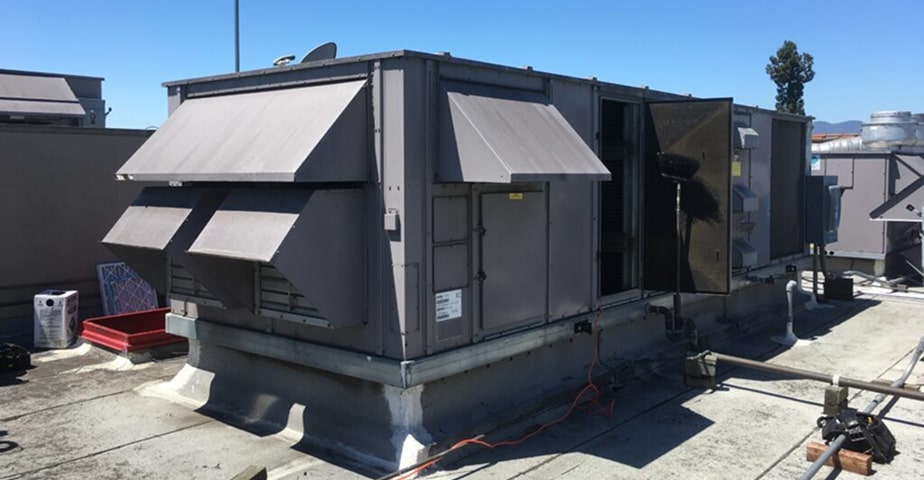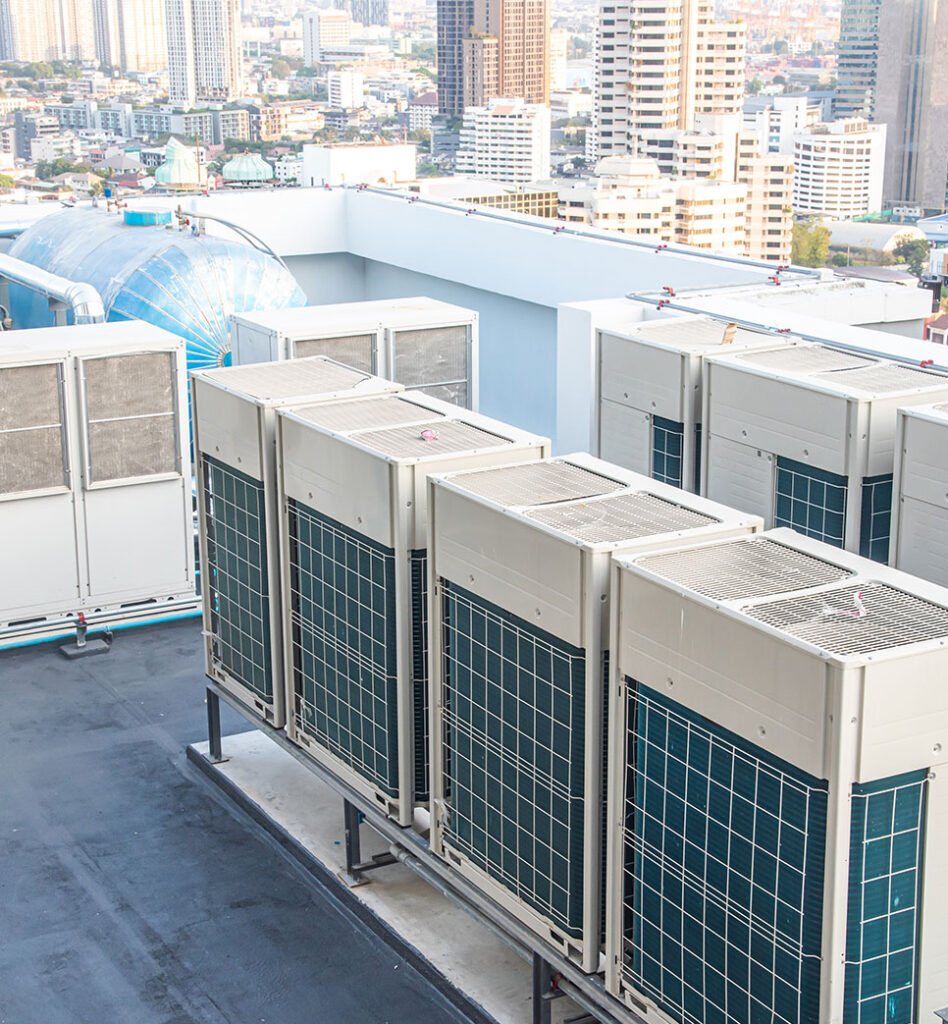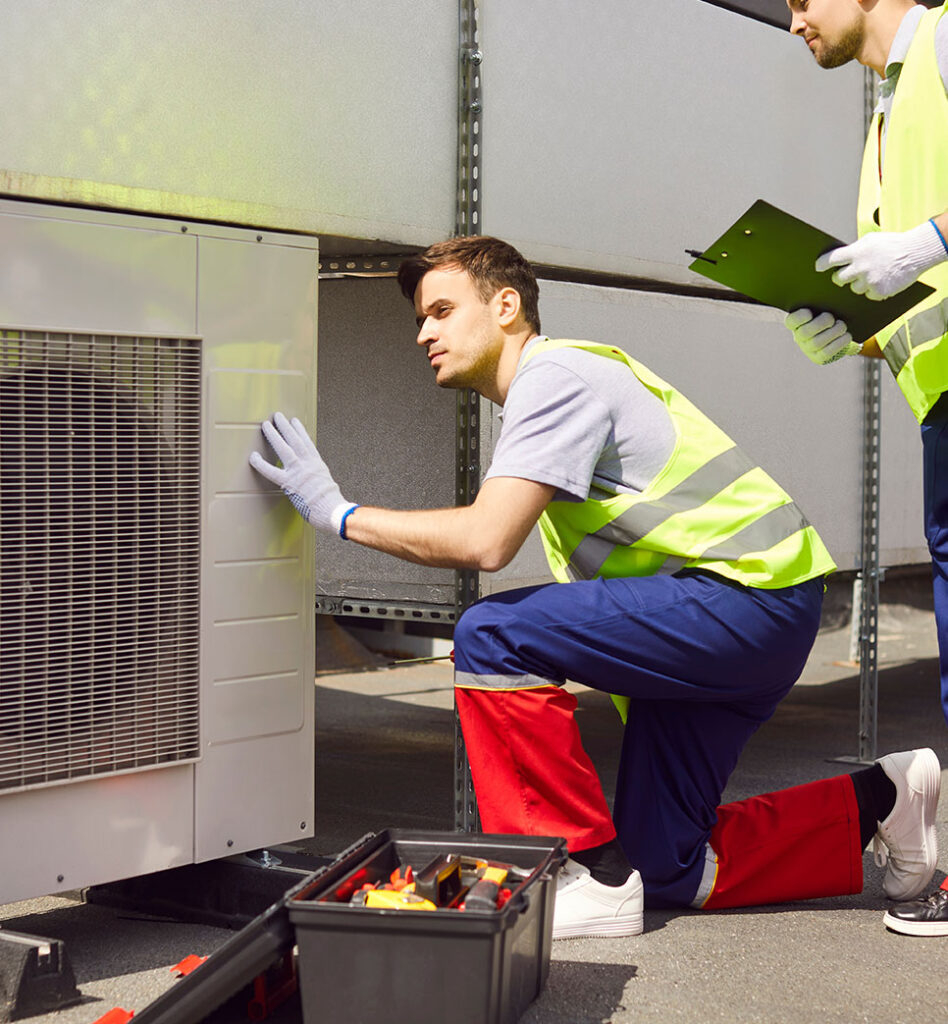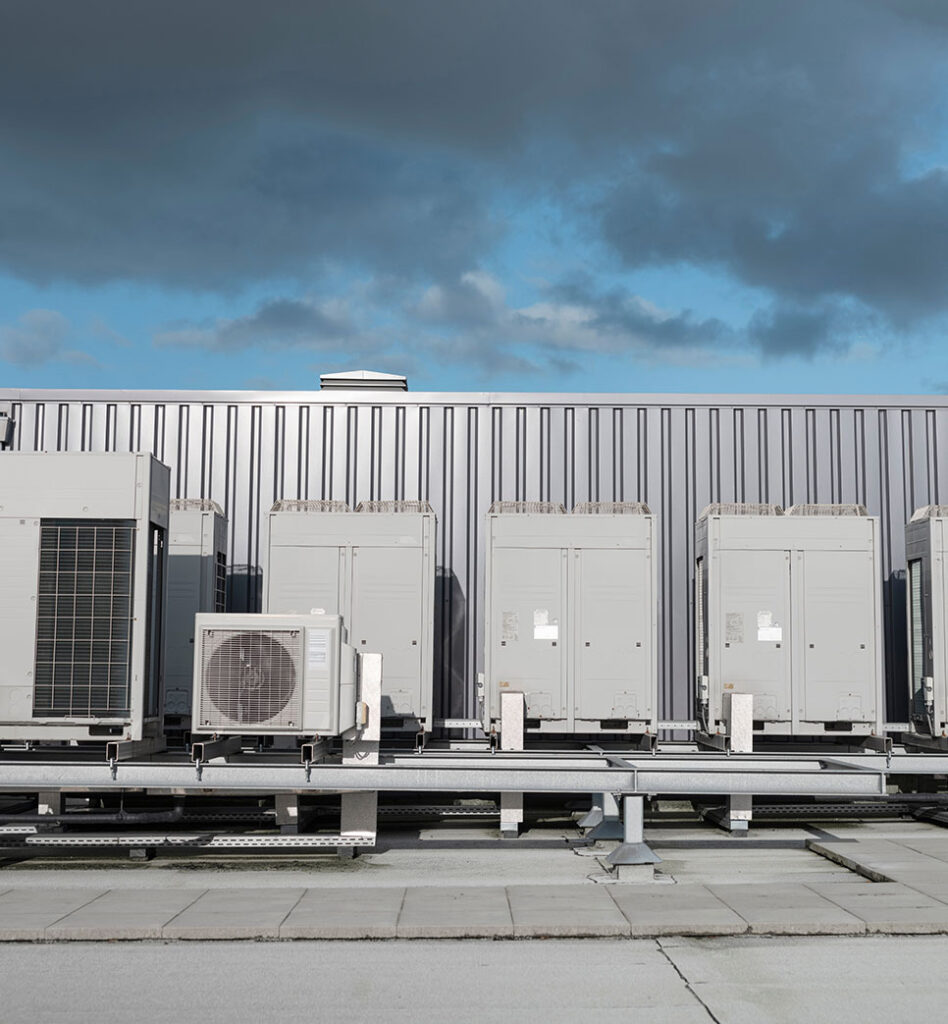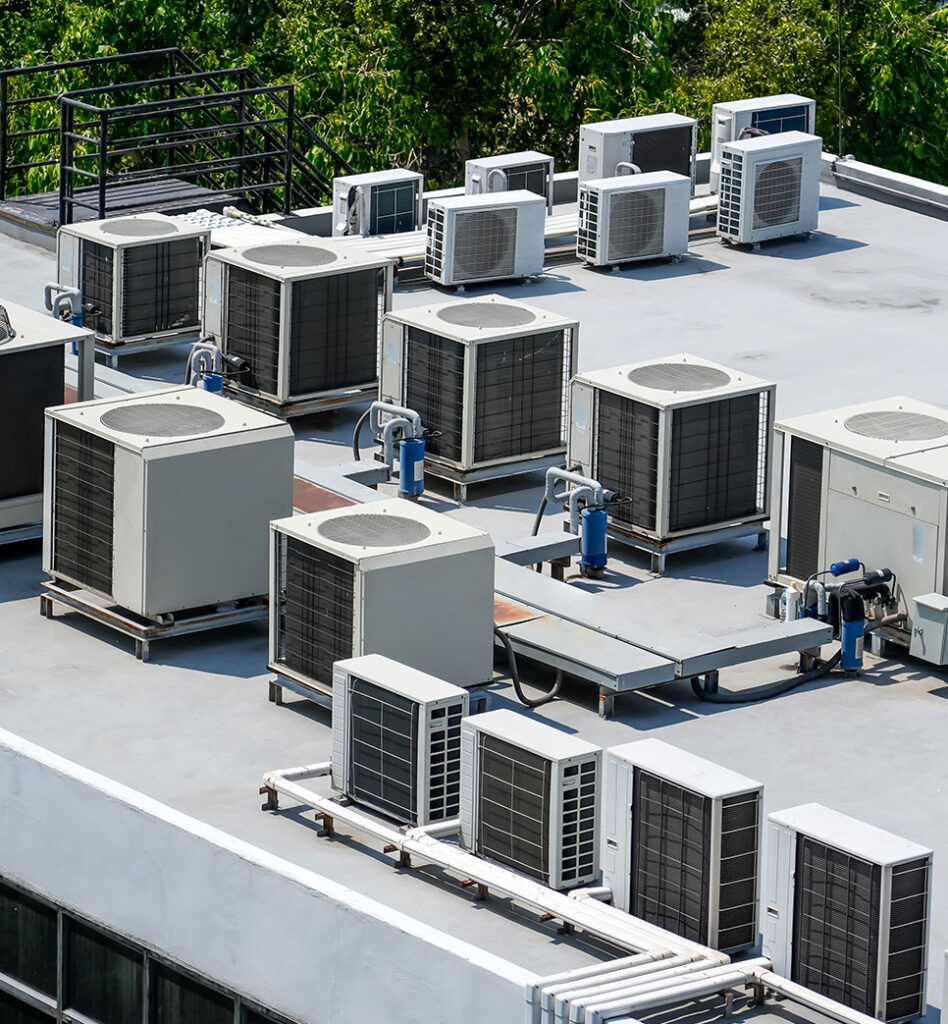
For any facility manager or commercial building owner, the rooftop HVAC unit (RTU) is often out of sight, but it should never be out of mind. These workhorses are the lungs of your building, responsible for maintaining comfort, air quality, and productivity. However, like any mechanical system, they have a finite lifespan. There comes a moment when putting another “band-aid” repair on an aging unit stops making financial sense, and full replacement becomes the only logical path forward.
Navigating a commercial HVAC replacement is significantly more complex than replacing a residential air conditioner. It involves cranes, street permits, precise load calculations, and substantial capital expenditure. The questions are immediate and pressing: How much will it cost? How long will the building be without air? And perhaps most importantly, what is the return on this significant investment?
This comprehensive guide breaks down the financial and operational realities of rooftop HVAC replacement. We will explore the cost drivers, map out the timeline from consultation to commissioning, and help you calculate the ROI of upgrading to a modern, energy-efficient system.
The Lifecycle of a Commercial Rooftop Unit
Before diving into dollars and cents, it is crucial to understand where your current equipment stands in its lifecycle. Most commercial rooftop units are designed to last between 15 and 20 years. However, this lifespan varies heavily based on maintenance history, local climate conditions, and usage intensity.
The “Repair or Replace” Dilemma
Every building owner eventually faces the “repair or replace” crossroad. If your unit is under 10 years old and faces a minor failure, repair is usually the best option. However, as the unit approaches the 15-year mark, the decision becomes purely economic.
Industry experts often cite the “50% Rule”: If the cost of a necessary repair approaches 50% of the value of the system (or the cost of a new unit), replacement is the smarter financial move. Continuing to pour money into an aging asset that will likely fail again in six months is a drain on your operational budget.
Furthermore, older units use outdated technology and often rely on refrigerants that are being phased out, such as R-22. As these refrigerants become scarcer, the cost to recharge a leaking system skyrockets. Upgrading allows you to move to modern, environmentally compliant refrigerants and compressors that consume far less electricity.
If you are unsure whether your current system can be salvaged, a professional assessment is your first step. Our team specializes in honest evaluations for Commercial HVAC Repair Services, helping you determine if a fix is viable or if it’s time to look at replacement options.
The Cost Breakdown of Rooftop HVAC Replacement
One of the most common misconceptions about HVAC replacement is that the price of the unit is the price of the project. In reality, the equipment itself typically accounts for only 40% to 60% of the total project cost. A commercial replacement is a construction project, not just an appliance purchase.
1. Equipment Costs
The base cost of the RTU depends on three primary factors:
- Capacity (Tonnage): A 3-ton unit for a small office differs vastly in price from a 20-ton unit for a large retail space.
- Efficiency (SEER2/IEER Ratings): High-efficiency units cost more upfront. A standard efficiency unit might have a lower sticker price, but a high-efficiency model often qualifies for rebates and lowers long-term energy bills.
- Features: Add-ons like economizers (which use outside air for cooling), variable frequency drives (VFDs) for fans, and smart controls increase the initial capital outlay but improve performance.
2. Installation and Labor
Labor costs in commercial HVAC are significant because of the technical expertise required. This isn’t a plug-and-play scenario.
- Specialized Technicians: You are paying for licensed professionals who understand high-voltage electrical systems, refrigeration cycles, and gas piping.
- Ductwork Modification: The new unit rarely matches the exact footprint or connection points of the old one. Sheet metal fabrication is often needed to transition the existing ductwork to the new unit.
- Curb Adapters: The “curb” is the metal frame on the roof that the unit sits on. If the new unit is a different size, a custom curb adapter must be fabricated and installed to ensure a watertight seal.
3. Cranes and Rigging
Unless your building has a freight elevator capable of carrying a 2,000-pound machine to the roof (which is rare), you will need a crane.
- Crane Rental: Costs vary based on the size of the crane needed. A unit in the center of a wide warehouse requires a much larger (and more expensive) crane than a unit sitting near the edge of a single-story building.
- Logistics: The crane company and the HVAC contractor must coordinate precisely. If the crane is waiting, you are paying.
4. Permits and Compliance
Commercial work is heavily regulated.
- Local Permits: You will need mechanical and electrical permits from your city.
- Title 24 (California): For businesses in California, strict energy codes (Title 24) trigger additional requirements when you replace a unit. You may be required to install updated thermostats, economizers, or duct smoke detectors to meet current code, even if the old unit didn’t have them.
5. Disposal
The old unit doesn’t just disappear. It contains hazardous materials (refrigerant and oil) that must be reclaimed and disposed of according to EPA regulations. The metal carcass must be lowered from the roof and hauled away for recycling.
For a precise estimate tailored to your specific building needs, you can consult our page on Commercial HVAC Replacement Services.
The Installation Timeline: What to Expect
Time is money in business. A prolonged HVAC outage can mean closing a restaurant, sending office workers home, or damaging temperature-sensitive inventory. Understanding the timeline helps you plan and minimize disruption.
Phase 1: Assessment and Engineering (Week 1-2)
The process starts with a site visit. Engineers verify the load requirements of the building. We don’t just look at the old unit’s tag; we check if the building usage has changed. Did you add more people? More servers? Is the old unit actually the right size? (See our previous blog on sizing for why this matters).
Once the right unit is selected, the contractor checks the structural integrity of the roof and the electrical capacity.
Phase 2: Ordering and Lead Times (Week 2-8+)
This is the most variable part of the timeline.
- Standard Units: Common sizes (3-12 tons) are often stocked locally or regionally and can be obtained in 1-2 weeks.
- Custom/Large Units: Units larger than 20 tons, or those with specific custom features, are often built to order. Lead times can range from 4 to 12 weeks, or even longer during supply chain disruptions.
- Permit Processing: While waiting for the unit, the contractor submits plans to the city. Permit approval can take anywhere from a few days to a few weeks depending on the municipality.
Phase 3: Preparation and Logistics (1 Week Prior)
Once the unit ships and the permit is ready, the “lift day” is scheduled.
- Tenant Notification: You inform tenants of the scheduled downtime.
- Safety Plan: If the crane lift requires blocking a parking lot or a street lane, traffic control measures are arranged.
Phase 4: Replacement Day (1-2 Days)
The actual physical replacement is surprisingly fast if planned well.
- Morning: The crew arrives, disconnects the old unit, and prepares the crane.
- The Lift: The crane lifts the old unit off and places the new one (and any curb adapters) onto the roof. This is the critical moment.
- Connection: Once set, the crew connects electrical lines, gas lines, and condensate drains.
- Duration: For a direct replacement, the system is often down for only 4 to 8 hours. By the end of the day, you usually have cooling or heating again.
Phase 5: Commissioning and Testing (Day 2)
Just because it turns on doesn’t mean it’s ready. Technicians perform “commissioning” to ensure the unit is operating at peak efficiency. They adjust fan speeds, calibrate thermostats, and verify refrigerant pressures.
Analyzing the Return on Investment (ROI)
Replacing a commercial HVAC unit is a large capital expense (CapEx), but unlike many expenses, it offers a tangible financial return. The ROI comes from three main buckets: energy savings, maintenance reduction, and productivity gains.
1. Energy Efficiency Savings
HVAC technology has leaped forward in the last 15 years.
- SEER and IEER: An old unit might be operating at 8 or 10 SEER (Seasonal Energy Efficiency Ratio). New commercial units often exceed 14 or 15 SEER, with high-efficiency models going much higher.
- The Math: If a new unit is 30% more efficient than the old one, and your HVAC accounts for 40% of your building’s electricity bill, you effectively cut your total energy costs by 12%. Over the 15-year life of the unit, this can amount to tens of thousands of dollars, often paying for the unit itself.
2. Reduced Repair and Maintenance Costs
An aging unit is a money pit. You might be spending $2,000 to $4,000 annually on emergency repairs, compressor change-outs, and refrigerant top-ups.
- Warranty Coverage: A new unit comes with a manufacturer’s warranty (typically 5 years on parts, 1-year labor). This virtually eliminates out-of-pocket repair costs for the first few years.
- Predictable OpEx: Moving from unpredictable emergency repairs to a standard maintenance schedule stabilizes your Operating Expenses (OpEx).
3. Tax Incentives and Rebates
Government and utility programs often subsidize the cost of high-efficiency equipment.
- Utility Rebates: Local utility providers often offer cash rebates for every ton of high-efficiency cooling installed.
- Section 179 Deduction: Tax laws often allow businesses to deduct the full purchase price of qualifying HVAC equipment from their gross income in the tax year it was installed, rather than depreciating it over 39 years. Always consult your tax professional for current regulations.
4. The “Soft” ROI: Comfort and Productivity
While harder to quantify on a spreadsheet, the impact on building occupants is real.
- Tenant Retention: In commercial leasing, comfort complaints are a leading cause of tenant turnover. A reliable HVAC system keeps tenants happy and lease renewals high.
- Employee Productivity: Studies consistently show that productivity drops in environments that are too hot or too cold. A modern system with better humidity control creates a superior work environment.
Planning for the Unexpected
While we advocate for planned replacement, we know that reality often dictates otherwise. Sometimes, a unit fails catastrophically during a July heatwave. In these scenarios, the “timeline” shrinks to “ASAP.”
Emergency replacements are more expensive due to expedited shipping charges for equipment and overtime labor rates. They also strip you of the leverage to negotiate prices or wait for the most efficient model. This underscores the importance of proactive monitoring. If your maintenance technician tells you a compressor is showing signs of wear, start the budgeting and planning process then, not after it fails.
However, if you do find yourself in a crisis, immediate action is required to protect your business assets and people. We offer Emergency HVAC Services in San Jose, CA and surrounding areas to handle these critical situations swiftly.
Repair vs. Replace: A Strategic Decision Matrix
To help summarize the decision-making process, consider these factors:
| Factor | Repair Indicated | Replace Indicated |
| Age of Unit | Less than 10 years | More than 15 years |
| Repair Cost | < 30% of replacement cost | > 50% of replacement cost |
| Breakdown Frequency | Rare / First time | Frequent / Monthly issues |
| Efficiency | Good / Acceptable bills | Poor / High energy bills |
| Refrigerant | Uses modern refrigerant | Uses phased-out R-22 |
| Comfort | Building is comfortable | Hot/Cold spots, high humidity |
Selecting the Right Partner for the Job
The success of an HVAC replacement project hinges on the contractor. You need a partner who understands the engineering, the logistics, and the local codes.
Transparency in Pricing
A reputable contractor provides a detailed proposal, not a napkin estimate. The quote should separate equipment, labor, crane costs, and permit fees. It should clearly state what is excluded (like unforeseen structural repairs to the roof deck).
Proven Track Record
Look for a company with a history of commercial work. Residential installation is vastly different from commercial rigging. Ask for case studies or examples of similar buildings they have serviced.
Comprehensive Service
The relationship shouldn’t end when the crane drives away. The installer should be the one maintaining the unit. They know exactly how it was installed and are invested in its long-term performance.
Conclusion
Replacing a commercial rooftop HVAC system is a significant undertaking, but it is also an opportunity. It is a chance to reset the clock on your building’s mechanical health, slash your energy footprint, and banish the stress of unreliable cooling.
By understanding the cost drivers, preparing for the logistical timeline, and viewing the expenditure through the lens of ROI, you can make a decision that benefits your bottom line for the next two decades. Don’t wait for the catastrophic failure that forces your hand. Take control of your facility’s future today.
Whether you are in the early stages of budgeting or need an immediate assessment of a failing unit, professional guidance is essential. If you are ready to explore your options for a new system, visit our Commercial HVAC Replacement Services page to get started. Let’s ensure your building remains a comfortable, efficient, and productive place to do business.
Frequently Asked Questions
Q: How much does a commercial rooftop unit cost?
A: Costs vary wildly based on size and efficiency. A small 3-ton unit replacement might cost between $8,000 and $12,000 installed, while a 20-ton system could range from $25,000 to $40,000 or more. A specific site visit is required for an accurate quote.
Q: Can I replace just the compressor instead of the whole unit?
A: Yes, replacing a compressor is a common repair. However, if the rest of the unit (coils, fans, heat exchanger) is old and corroded, a new compressor is just a temporary fix. If the unit is over 15 years old, a full replacement is usually the better investment.
Q: Will my business have to close during installation?
A: Usually, no. We schedule crane lifts early in the morning to minimize traffic disruption. The HVAC downtime is typically only a few hours. In critical environments (like server rooms), we can arrange temporary portable cooling units.
Q: Do new units require new thermostats?
A: Often, yes. To take advantage of the advanced features of a new high-efficiency unit (like multi-stage cooling), a modern, compatible thermostat or building automation system interface is required.
Q: What is a curb adapter?
A: Rooftop units sit on a metal frame called a curb. Different manufacturers and different eras of units have different footprints. A curb adapter is a custom metal frame that transitions the new unit’s footprint to fit the existing curb on your roof, saving you from having to cut open the roof to build a new curb.
Stay Comfortable Year-Round With Expert HVAC Service
Book a trusted technician to handle your heating or cooling issue—fast, professional, and done right the first time.
Book Service Now