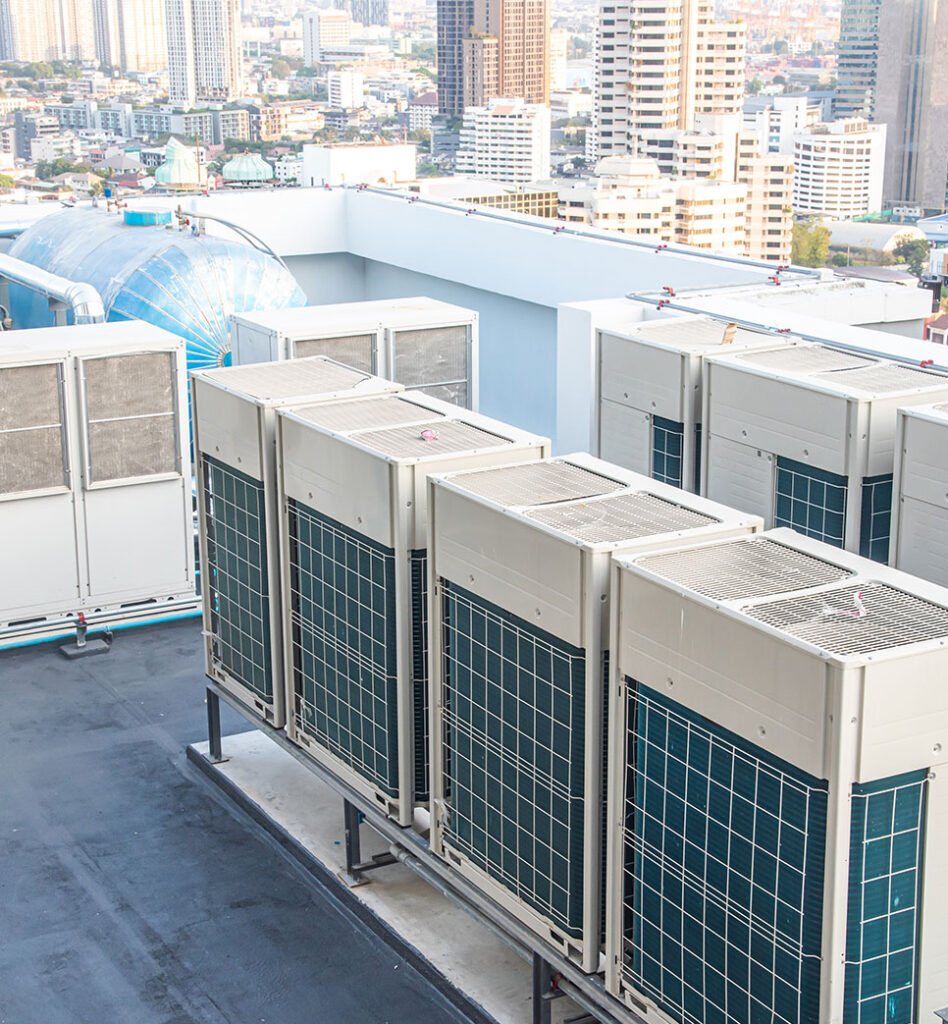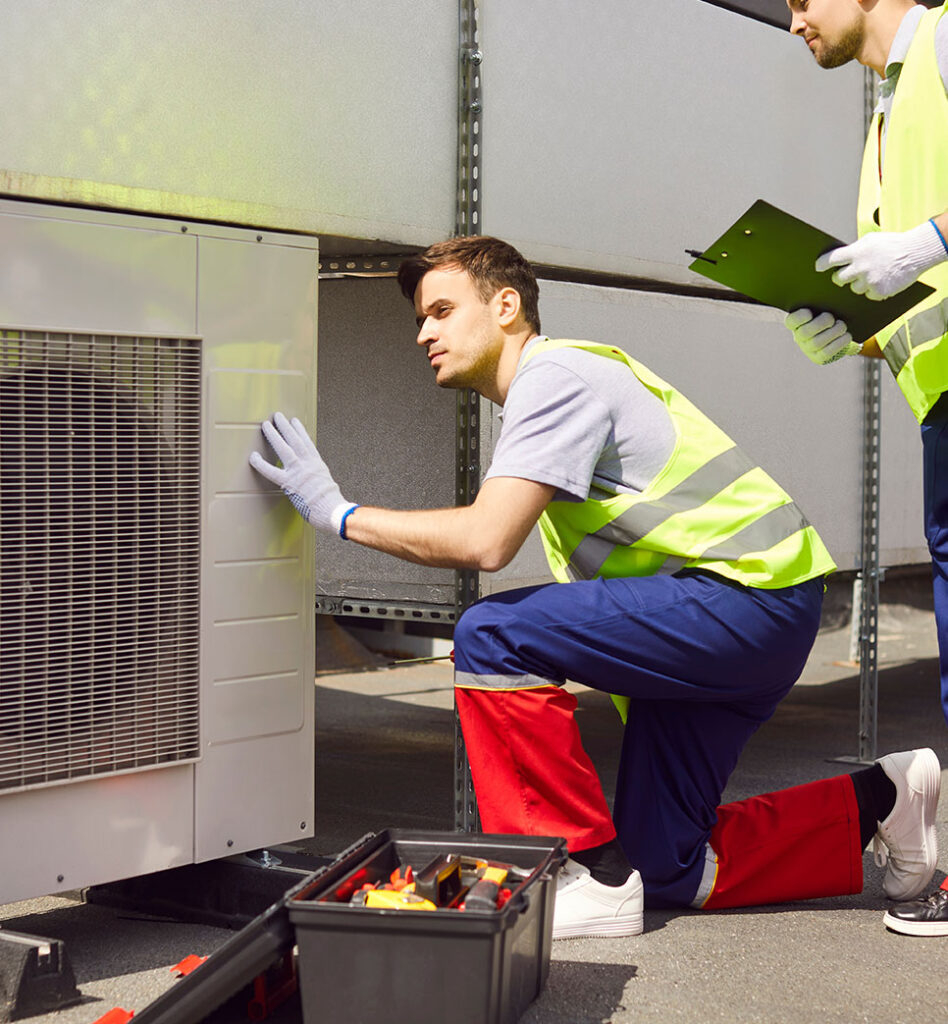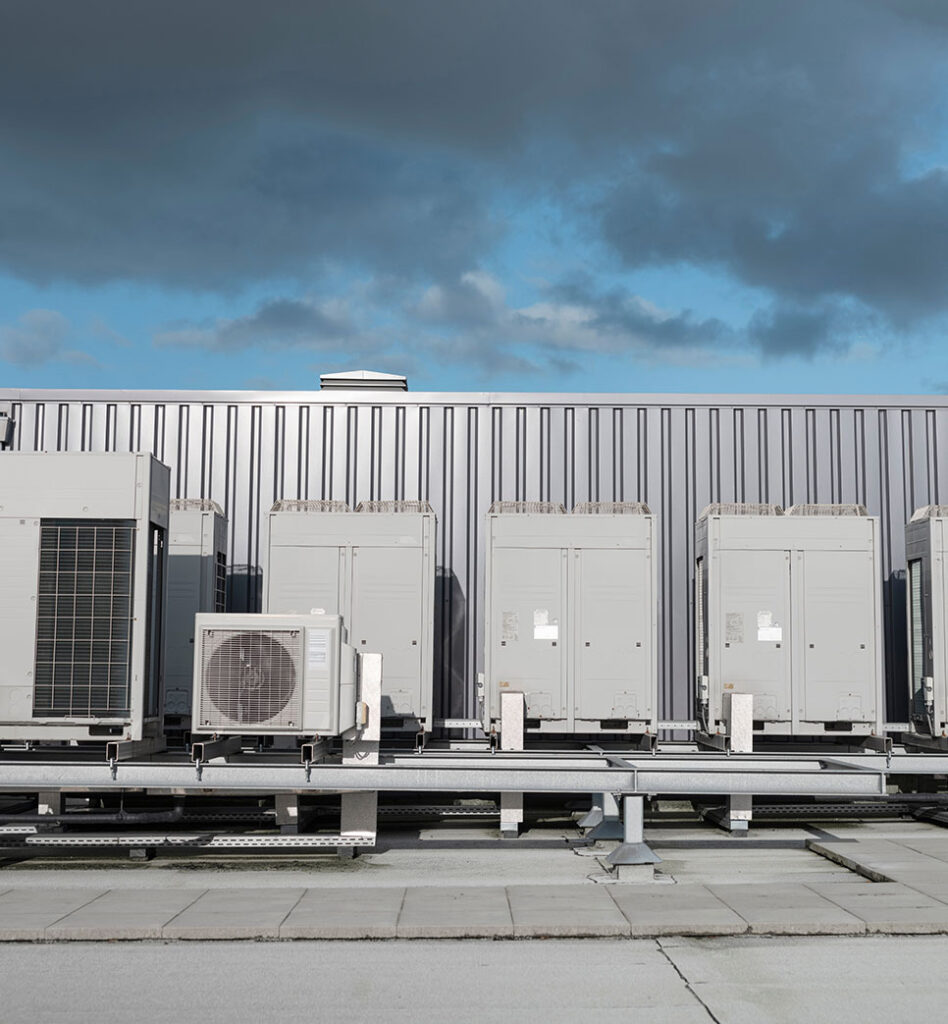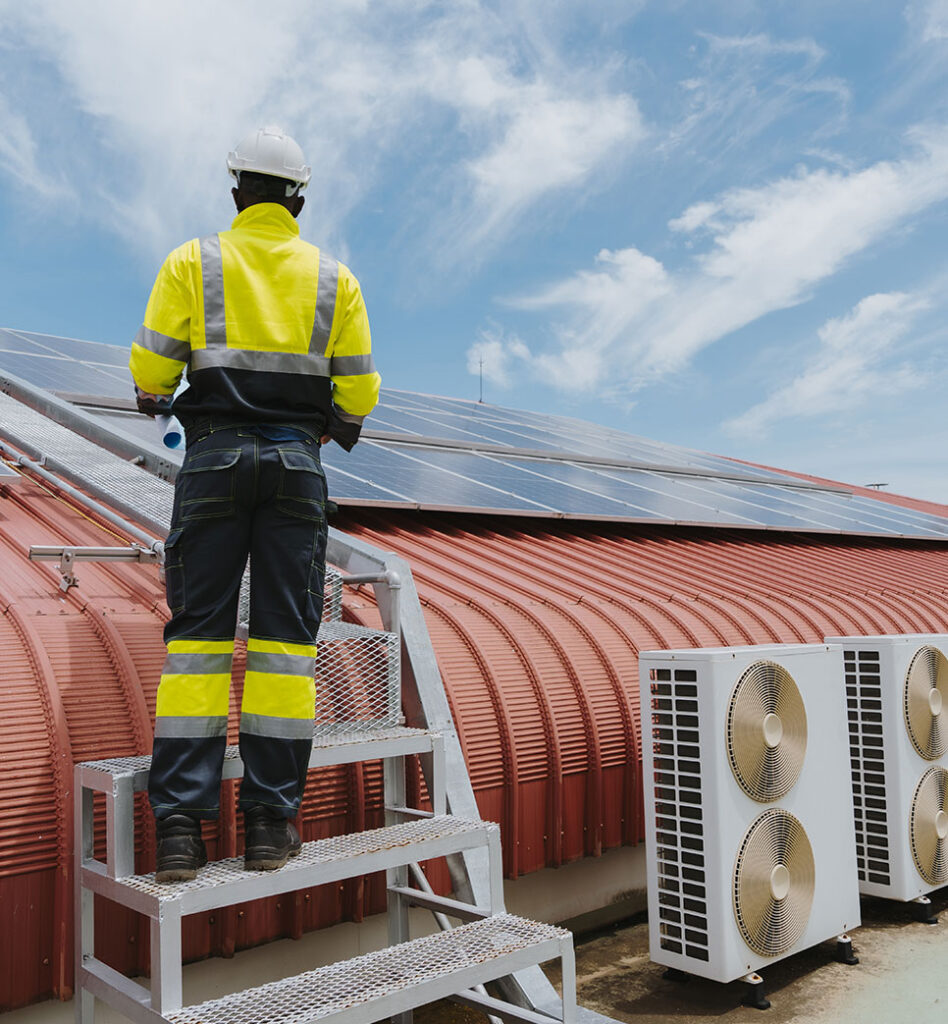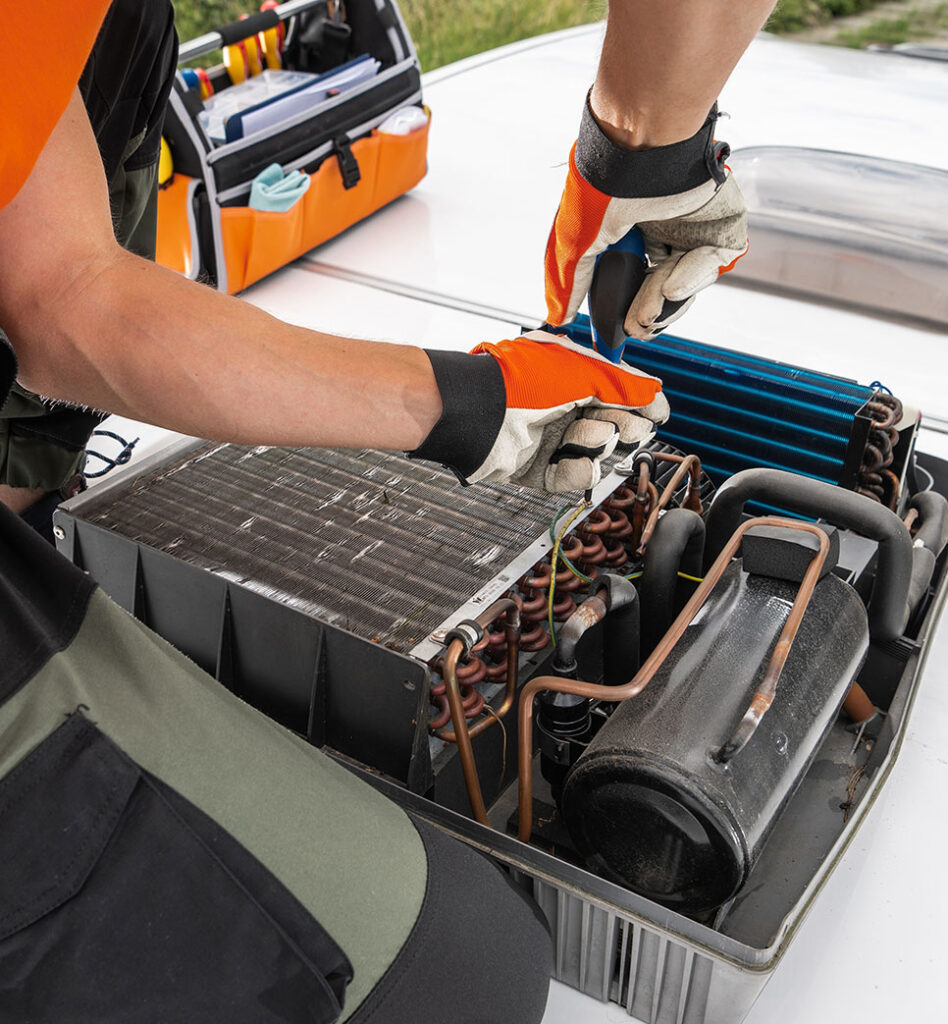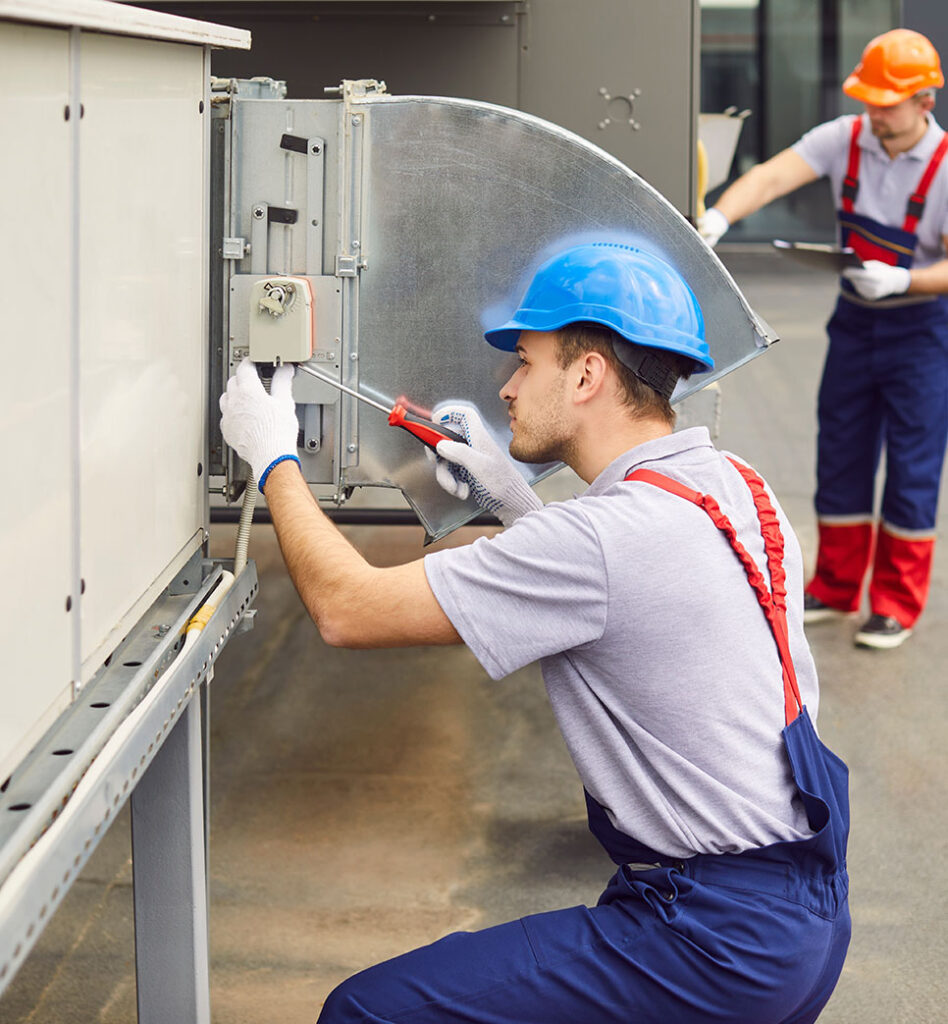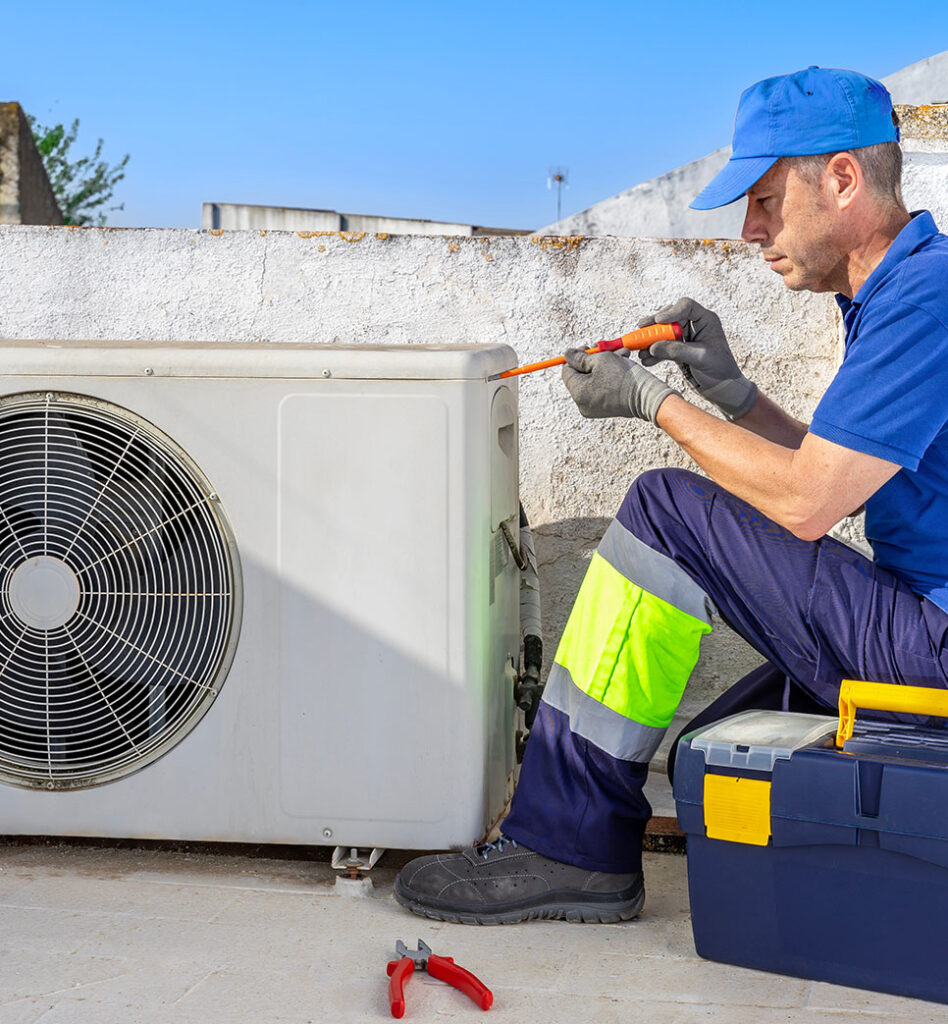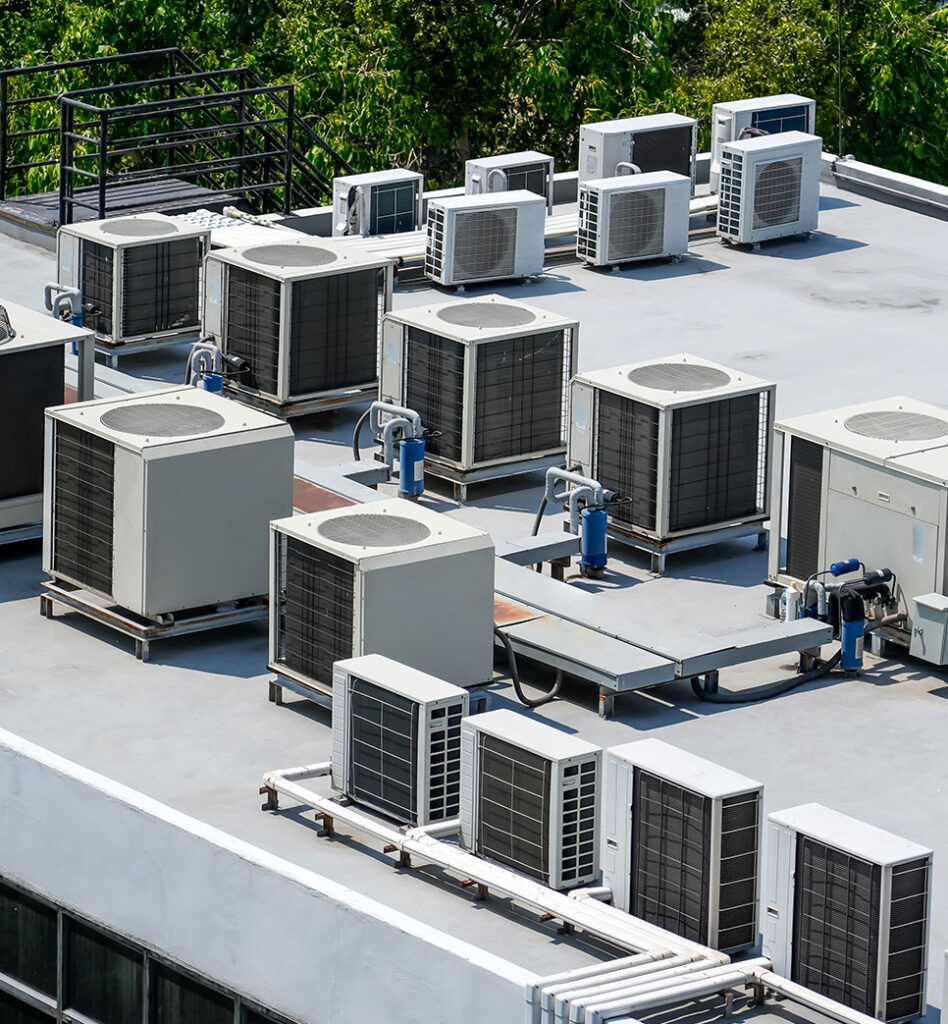
In the world of commercial property management, few things are as universally dreaded as the words “code violation.” For building owners and facility managers, ensuring compliance with local building codes is not just about avoiding fines—it is about ensuring safety, efficiency, and the legal integrity of your asset. When it comes to rooftop HVAC installations, the web of regulations is particularly dense, weaving together structural engineering, electrical safety, environmental protection, and strict energy efficiency standards.
A rooftop HVAC unit (RTU) is a major modification to your building. You are placing thousands of pounds of vibrating machinery on top of a structure, connecting it to high-voltage power, and plumbing it with pressurized gases. It is no surprise that city planners and inspectors scrutinize these projects closely. Yet, many building owners treat code compliance as an afterthought, a bureaucratic hurdle to be jumped over as quickly as possible.
This mindset is dangerous. Code compliance is the bedrock of a successful installation. It ensures your roof won’t collapse, your electrical system won’t spark a fire, and your energy bills won’t skyrocket. In California especially, where energy codes like Title 24 lead the nation in strictness, navigating these regulations requires expertise and foresight.
This comprehensive guide explores the critical intersection of rooftop HVAC installations and local building codes. We will break down the permit process, demystify energy standards, and explain why “doing it by the book” is the only way to protect your investment.
The Purpose of Building Codes in HVAC
Before diving into the specifics, it is helpful to understand why these codes exist. They aren’t arbitrary rules designed to make your life difficult. They are evolved standards written in response to past failures.
1. Safety (The Building Code)
The primary goal is human safety. The International Building Code (IBC) and local amendments dictate how much weight a roof can support, how equipment must be anchored to resist earthquakes (seismic bracing), and how much clearance is needed for safe maintenance access. A code-compliant installation ensures that the unit stays on the roof during a tremor and that technicians don’t fall off while servicing it.
2. Energy Efficiency (The Energy Code)
In many states, particularly California, the energy code is as important as the safety code. Regulations like Title 24 are designed to reduce the state’s carbon footprint. They mandate that new installations meet minimum efficiency ratings (SEER2/IEER), utilize economizers to save power, and employ smart controls to prevent energy waste.
3. Environmental Protection (Mechanical and Plumbing Codes)
These codes govern the handling of refrigerants and condensate. They ensure that ozone-depleting chemicals aren’t released into the atmosphere and that water drainage doesn’t damage the building structure or contaminate the water supply.
Ignoring these codes doesn’t just risk a red tag from an inspector; it risks the operational viability of your business. If you are planning a project and want to ensure it meets all regulatory standards, start by consulting our Commercial HVAC Services.
The Permit Process: Permission to Proceed
The first step in compliance is asking for permission. Almost every commercial rooftop HVAC replacement or new installation requires a permit.
Why You Cannot Skip the Permit
Some “fly-by-night” contractors might suggest doing the work on a weekend to avoid pulling a permit. They might claim it saves time and money. Do not listen to them.
- Legal Liability: If unpermitted work causes a fire or injury, your insurance company can deny the claim. You are left personally liable for millions of dollars in damages.
- Property Value: When you sell the building, unpermitted upgrades are a major red flag during due diligence. You may be forced to pay for retroactive permits and inspections, or even rip out the unit and reinstall it.
- Stop Work Orders: If a city inspector drives by and sees a crane without a permit on file, they will issue a Stop Work Order immediately. Your project halts, fines accumulate, and you still have to go through the permit process—only now, you are on the city’s “naughty list.”
What Goes into a Permit Application?
The application is more than a form. It typically requires:
- Structural Calculations: An engineer must verify that the roof trusses can support the weight of the new unit.
- MEP Drawings: Mechanical, Electrical, and Plumbing drawings showing how the unit connects to the building’s systems.
- Title 24 Report: A document proving the selected equipment meets energy efficiency standards.
- Site Plan: Showing the location of the unit relative to property lines and other equipment.
This paperwork takes time to prepare. A professional contractor handles this entire process for you, ensuring the application is complete and accurate to avoid delays.
Structural Integrity and Seismic Bracing
Rooftop units are heavy. A 10-ton unit can weigh over 1,000 pounds. Placing that load on a roof that wasn’t designed for it is a recipe for disaster.
The “Like-for-Like” Trap
Just because an old unit was there doesn’t mean a new one fits. New units often have different footprints and weight distributions. Even if the weight is similar, building codes may have changed since the original installation.
- Snow and Wind Loads: Codes now account for extreme weather events with greater scrutiny. The unit must be able to withstand high wind shear without tearing off the roof.
- Seismic Safety: In earthquake-prone areas like the Bay Area, seismic bracing is non-negotiable. The unit must be anchored to the curb, and the curb must be anchored to the roof structure using specific hardware. Simply setting the unit on the curb is illegal and dangerous.
Curb Adapters and Structural modifications
If the new unit’s footprint is different, a curb adapter is used. However, curb adapters add height and weight. This changes the center of gravity and increases the wind load on the unit.
- Engineering Review: A structural engineer must review any installation involving a curb adapter to ensure the added leverage won’t buckle the curb or the roof deck during high winds or seismic activity.
For businesses looking to upgrade their infrastructure safely, our Commercial HVAC Replacement Services prioritize structural integrity and code adherence.
Title 24: The California Energy Giant
For California business owners, Title 24, Part 6 of the California Code of Regulations is the elephant in the room. It is one of the strictest energy codes in the world and it triggers significant requirements whenever an HVAC unit is altered or replaced.
Triggered Upgrades
When you replace a rooftop unit, Title 24 doesn’t just say “put in a thorough unit.” It often requires you to upgrade other parts of the system to bring them up to current code.
- Economizers: New units usually require an economizer (which uses outside air for cooling). Furthermore, the economizer must have Fault Detection and Diagnostics (FDD) sensors that alert the owner if it jams or fails.
- Thermostats: You cannot keep your old analog thermostat. You must install a programmable or smart thermostat capable of “occupancy sensing” or “demand response.”
- Duct Sealing: If you replace the unit and more than 40 feet of ductwork (or if the system meets certain criteria), you must pressure test the ducts and seal leaks. In many cases, you must hire a third-party HERS (Home Energy Rating System) rater to verify the sealing.
Why Compliance Saves Money
While Title 24 adds upfront cost to the installation, it is designed to save you money in the long run.
- Lower OpEx: Economizers can provide “free cooling” for hundreds of hours a year in the Bay Area’s mild climate, drastically cutting compressor runtime and electricity usage.
- Grid Stability: Demand-response controls allow the utility company to incentivize you for reducing load during peak grid stress, potentially lowering your rates.
Electrical Code Compliance
The National Electrical Code (NEC) governs the high-voltage connections that power your unit. Rooftop environments are harsh—UV rays, rain, and heat degrade electrical components faster than indoor systems.
The Disconnect Switch
Code requires a service disconnect switch be located within sight of the unit and readily accessible. This allows a technician to cut power immediately in an emergency.
- Condition: Old disconnect boxes are often rusted or corroded. Code compliance usually requires replacing the disconnect box and the “whip” (the flexible conduit connecting the box to the unit) during a unit replacement.
Wire Sizing and Overcurrent Protection
If the new unit is more efficient, it might actually draw less amperage than the old one. However, the breaker and wire size must still match the Minimum Circuit Ampacity (MCA) and Maximum Overcurrent Protection (MOP) listed on the new unit’s nameplate.
- The Hazard: Using a breaker that is too large for the new unit is a code violation. If the unit has an internal short, the oversized breaker won’t trip fast enough, leading to melted wires or a fire.
Convenience Outlets
Modern code requires a 120V service outlet (GFCI) within 25 feet of the rooftop unit. This allows technicians to plug in vacuum pumps and power tools without running extension cords up the side of the building—a major safety hazard. If your roof doesn’t have one, installing one is part of the compliance process.
Clearances and Access
Your HVAC unit needs personal space. The Mechanical Code dictates specific clearances for airflow and serviceability.
Airflow Clearance
Units cannot be crammed against a parapet wall or another unit. They need free airflow to the condenser coils.
- The Code: Manufacturers specify minimum distances (often 36 to 48 inches) from obstructions. Installing a unit closer than this voids the warranty and violates code because it compromises the unit’s performance and safety.
Service Access (The 30-Inch Rule)
There must be a level working space at least 30 inches wide and 30 inches deep in front of the control panel and service access points. Technicians need this space to work safely with live electricity.
- Roof Edge Safety: If the unit is located within 10 feet of the roof edge, code requires a permanent guardrail to prevent technicians from falling. If your unit is near the edge, you cannot just replace the unit; you must install safety rails.
Environmental Compliance: Refrigerants and Condensate
We are in a transition period for refrigerants. The EPA is phasing out high-GWP (Global Warming Potential) refrigerants.
The R-22 Ban and R-410A Phase-down
You cannot install a new unit that uses R-22 refrigerant. It is illegal to manufacture. Even R-410A is being phased down in favor of newer alternatives like R-32 or R-454B.
- Compliance: Ensuring your new unit uses a compliant, future-proof refrigerant is critical. Installing obsolete technology is not technically a code violation today, but it ensures your equipment will be unserviceable in a few years.
Condensate Management
Condensate water is acidic and can damage roofs.
- Piping: Code requires condensate to be piped to an approved drainage point (like a roof drain), not just dumped onto the roof surface where it can grow algae and rot the membrane.
- Treating the Water: In some jurisdictions, condensate must be neutralized before entering the sewer system.
The Role of HERS Testing
In California, the HERS rater is the final judge of compliance. They are a third-party inspector who verifies the work of the HVAC contractor.
What Do They Test?
- Duct Leakage: They pressurize the ducts to measure leakage.
- Airflow: They verify the system moves the correct volume of air.
- Refrigerant Charge: They check that the superheat and subcooling are within spec.
- Fan Watt Draw: They measure how much power the fan motor uses.
You cannot pass your final building inspection until the HERS rater signs off. A contractor who tries to bypass HERS testing is leaving you with an illegal installation.
Consequences of Non-Compliance
What happens if you ignore all this? The risks are tangible and severe.
1. The Red Tag
If a city inspector spots illegal work, they place a red tag on your door. All work stops. You must pay double or triple permit fees. You may have to open up walls or ceilings to expose hidden work. It is a public embarrassment and a financial disaster.
2. Operational Inefficiency
Codes like Title 24 force you to be efficient. By ignoring them, you are voluntarily choosing to pay higher energy bills for the next 15 years. The cost of the permit and compliance upgrades is often paid back in energy savings within 2-3 years.
3. Voided Warranties
Manufacturers write their warranties assuming code-compliant installation. If a compressor fails because the unit was installed with insufficient clearance (a code violation), the manufacturer will deny the warranty claim.
4. Safety Incidents
The worst-case scenario is an injury or property damage. If a technician is electrocuted because there was no disconnect switch, or if a unit falls through the roof during a storm, the negligence of skipping code compliance will be the central factor in the ensuing lawsuits.
How to Ensure Your Project is Compliant
As a building owner, you don’t need to memorize the International Building Code. You just need to hire the people who have.
Hire Licensed Professionals
Only a licensed C-20 HVAC contractor (in California) can pull the necessary mechanical permits. General handymen cannot. Verify the license with the Contractors State License Board (CSLB).
Demand a Permit
Make it a condition of the contract. If a contractor hesitates or says “we don’t need a permit for this,” walk away. They are asking you to assume all the liability.
Ask About Title 24
Ask the contractor specifically: “What Title 24 upgrades will this trigger? Do I need a new thermostat? Do I need duct testing?” A competent contractor will have these answers ready.
Plan for HERS
Ensure the cost of the HERS rater is included in the proposal or budgeted separately. Do not be surprised by this “extra” fee at the end of the project.
Emergency Scenarios
In an emergency—like a total system failure during a heatwave—compliance can feel like a burden that slows things down. However, most cities have provisions for emergency replacements. You can often perform the work immediately to restore safety and comfort, provided you file for the permit the very next business day.
If you are in a crisis, do not cut corners. Our Emergency HVAC Services in San Jose, CA are designed to restore your operations swiftly while still adhering to all legal and safety frameworks.
Conclusion: Compliance is Quality Assurance
Ultimately, building codes are a form of quality assurance. They set a minimum standard for safety and performance. By embracing the code process, you are ensuring that your new rooftop HVAC unit is installed safely, anchored securely, and tuned for maximum efficiency.
It is an investment in peace of mind. You know that when the inspector signs that final card, your building is safe, legal, and ready for business.
Don’t let the complexity of codes intimidate you. Let us handle the bureaucracy while you focus on your business. Whether you are planning a scheduled replacement or need guidance on bringing an old system up to code, we are here to help.
Frequently Asked Questions
Q: Does every HVAC replacement require a permit?
A: In almost all commercial cases, yes. Changing a major component like a rooftop unit requires a mechanical permit. Some minor repairs (like changing a fan motor) do not, but a full unit replacement always does.
Q: What is a HERS rater?
A: A Home Energy Rating System (HERS) rater is a certified third-party inspector required by California law to verify that the HVAC installation meets energy efficiency standards. They are independent of the installation contractor.
Q: If I replace my unit, do I have to replace my ducts?
A: Not necessarily. However, if your existing ducts are leaking or in poor condition, Title 24 may require you to seal them. If they are collapsed or structurally unsound, replacement is the best option for performance.
Q: What happens if my building is historic?
A: Historic buildings sometimes have exemptions or alternative compliance paths for energy codes, especially if bringing them up to code would damage the historical integrity. However, safety codes (electrical, structural) still apply.
Q: Can I install the unit myself to save money?
A: No. Commercial HVAC work requires specialized licensing, high-voltage electrical knowledge, and refrigerant certification. It is illegal and incredibly dangerous for an unlicensed person to attempt this work.
Stay Comfortable Year-Round With Expert HVAC Service
Book a trusted technician to handle your heating or cooling issue—fast, professional, and done right the first time.
Book Service Now