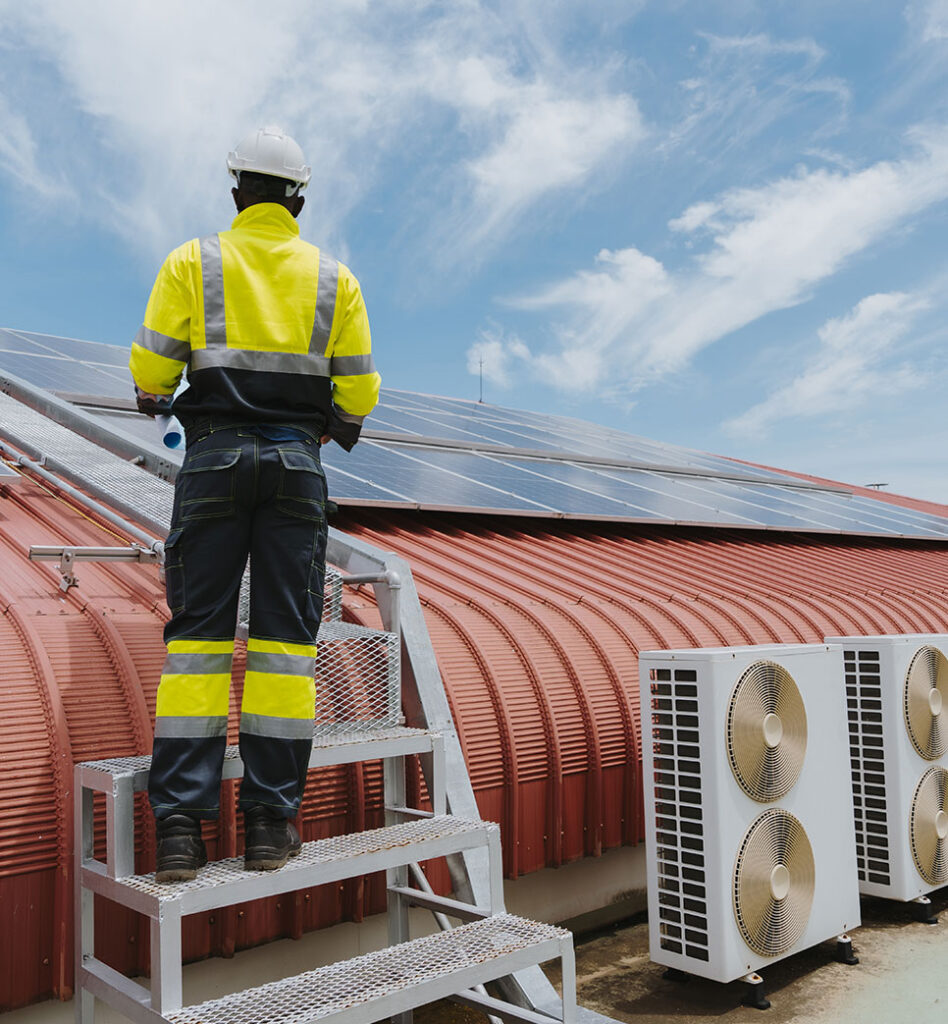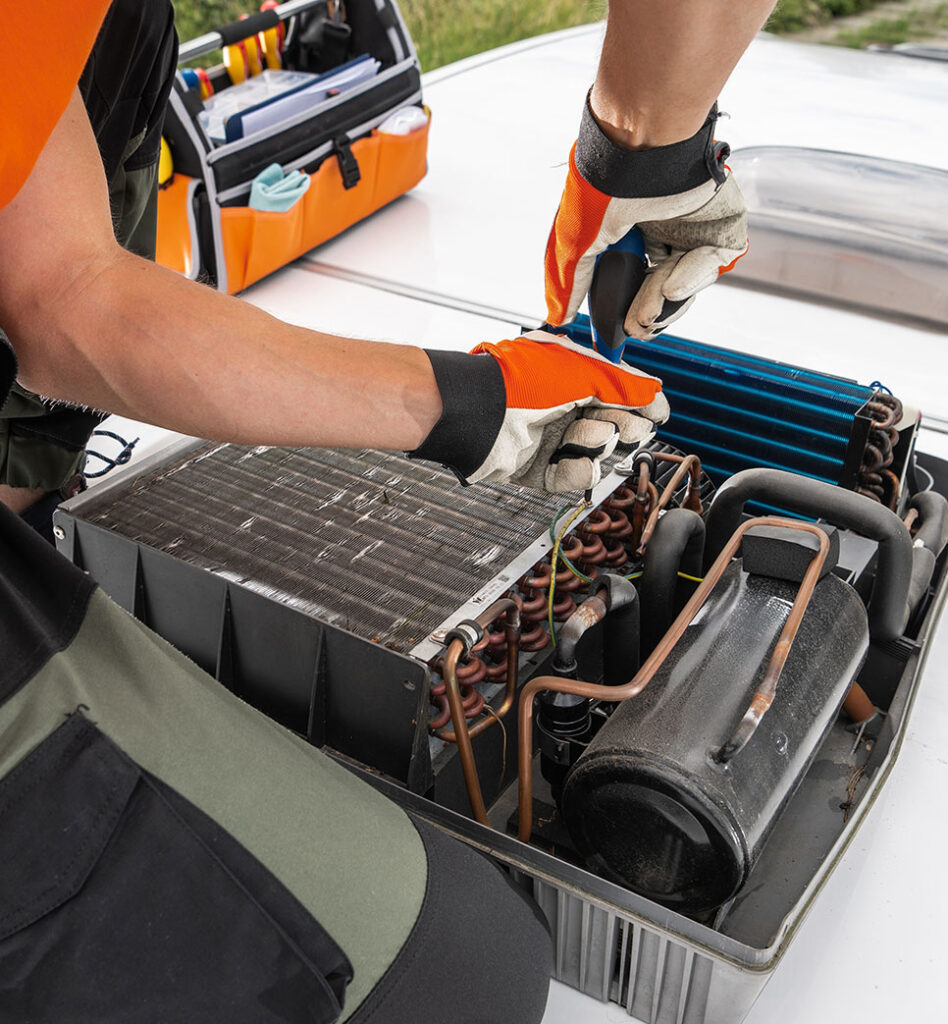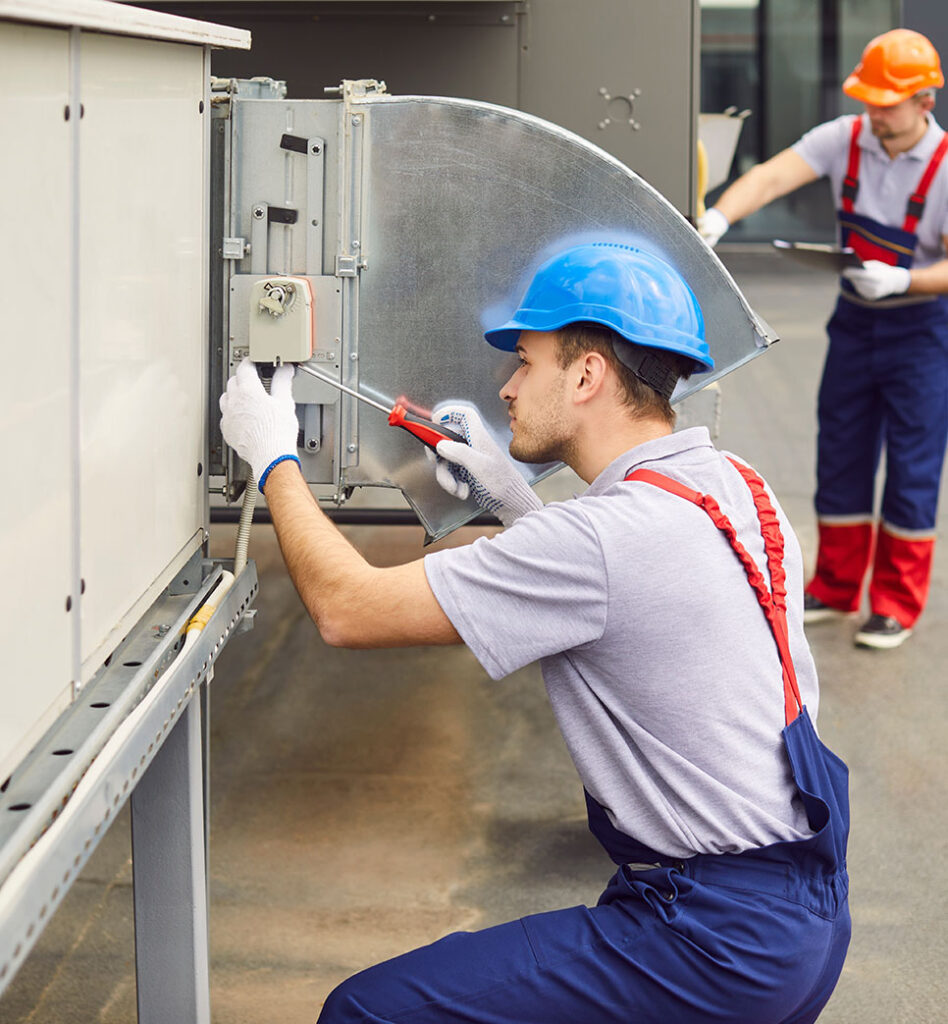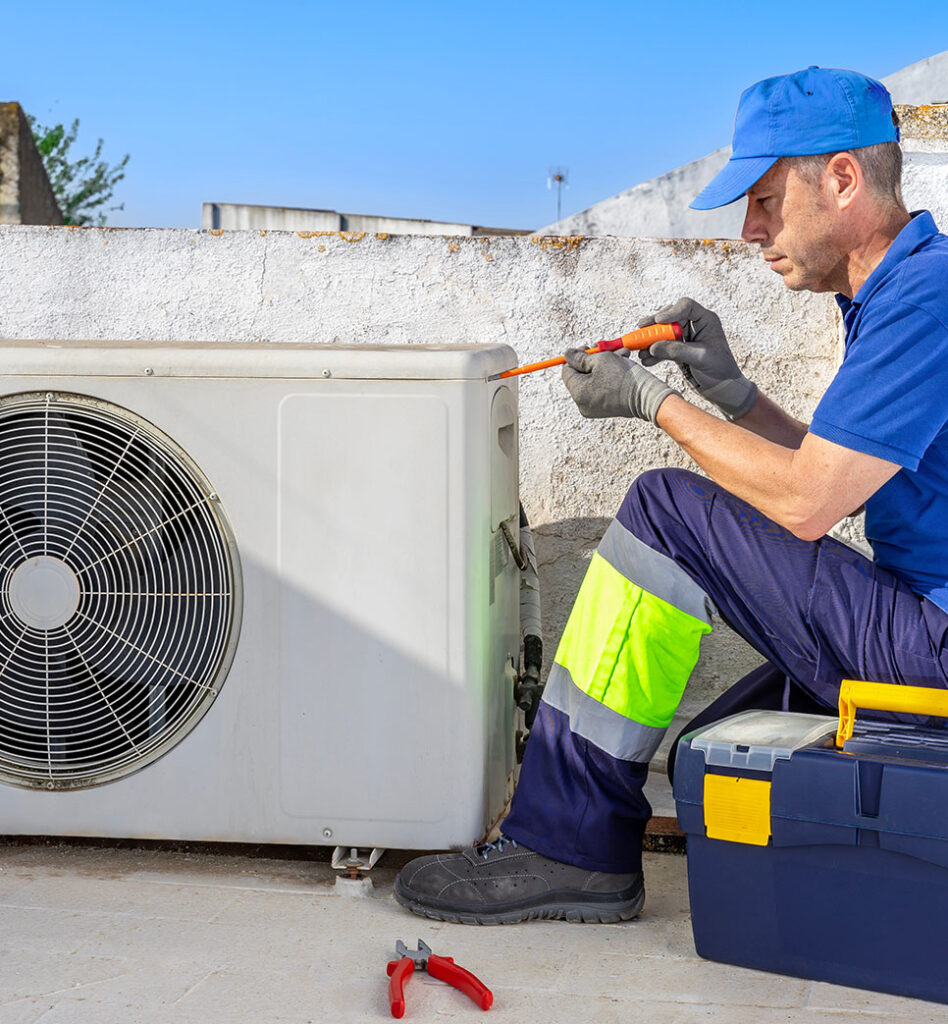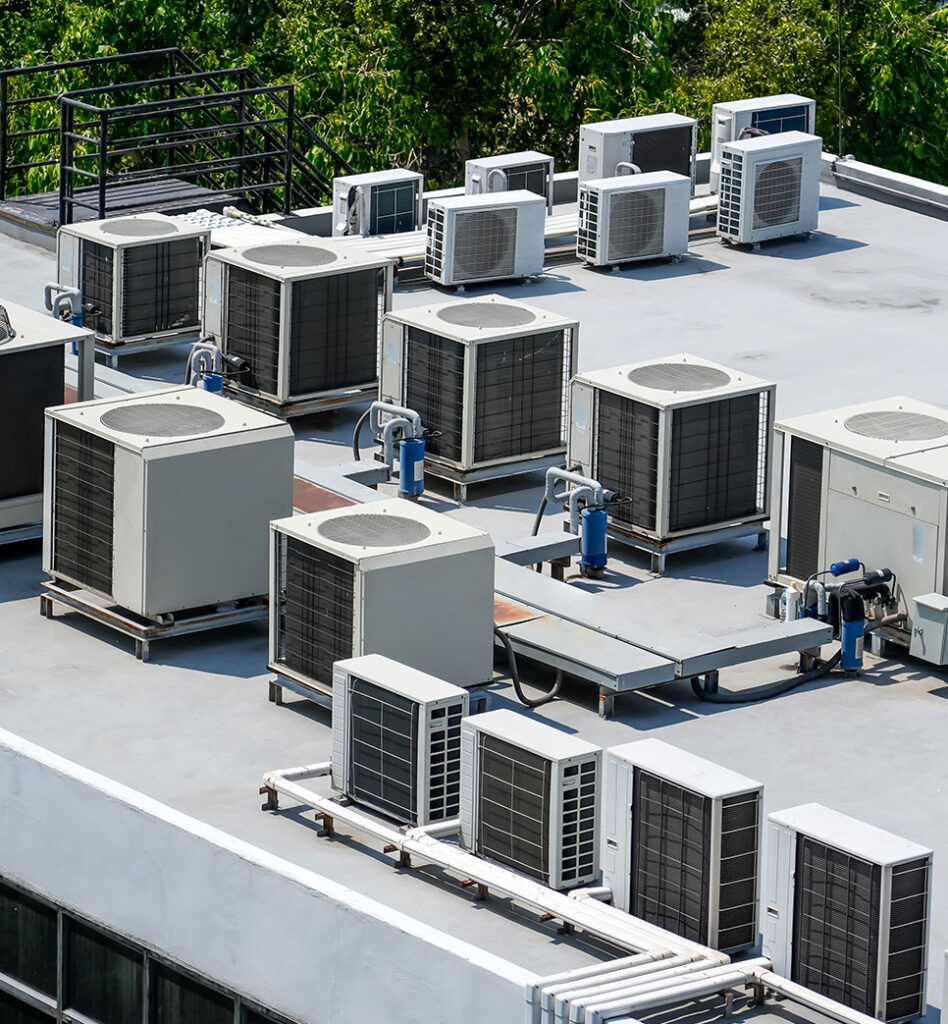
In the world of commercial climate control, the rooftop unit (RTU) is king. It saves valuable indoor floor space, reduces noise pollution within the building, and provides efficient heating and cooling for large commercial footprints. However, getting a multi-ton piece of machinery onto the roof of a building is not as simple as parking a delivery truck and plugging it in.
Commercial rooftop HVAC installation is a complex engineering feat that requires precision, foresight, and a deep understanding of both mechanical systems and building structures. It is a high-stakes operation where a single miscalculation can lead to costly delays, safety hazards, or long-term performance issues.
For facility managers and business owners, understanding these hurdles is the first step toward a successful project. While the process may seem daunting, professional HVAC contractors have developed sophisticated strategies to navigate these obstacles. This guide delves into the most common challenges faced during rooftop HVAC installations and reveals the expert solutions that ensure a seamless transition to superior comfort.
Challenge 1: Logistical Nightmares and Accessibility
The most immediate and visible challenge of any rooftop installation is simply getting the unit to its final destination. Commercial buildings are often located in dense urban environments, busy shopping centers, or industrial parks with limited access.
The Crane Conundrum
Most rooftop units are too heavy to be carried up stairs or elevators. They require a crane. However, bringing a crane to a job site introduces a host of logistical headaches.
- Space Constraints: In city centers, there may be no parking lot large enough to stage a crane.
- Overhead Obstructions: Power lines, trees, and adjacent buildings can block the crane’s boom swing.
- Traffic Disruption: Ideally, the crane needs to park on the street, which requires shutting down traffic lanes.
How Professionals Solve It:
Experienced contractors don’t just “show up” with a crane. They perform rigorous site surveys weeks in advance.
- 3D Lift Planning: Technicians use software to model the lift, calculating the exact boom length and angle needed to reach the target spot without hitting obstacles.
- Permitting and Traffic Control: Professionals handle the bureaucratic heavy lifting. They secure street closure permits from the city and hire certified traffic control services to redirect vehicles and pedestrians safely.
- Helicopter Lifts: In extreme cases where a crane cannot access the building due to height or surrounding density, professionals may utilize a helicopter lift. While more expensive, it is often the only viable solution for high-rises or landlocked buildings.
Time Constraints and Business Continuity
Businesses cannot afford downtime. A retail store can’t close for three days while an AC unit is installed, and an office building can’t operate without ventilation. Coordinating the arrival of the equipment, the crane, and the installation crew within a tight window—often outside of business hours—is a logistical puzzle.
How Professionals Solve It:
Top-tier commercial HVAC services operate on the client’s schedule, not the other way around.
- Weekend and Night Operations: Installations are frequently scheduled for weekends or overnight to minimize disruption.
- Just-in-Time Delivery: Equipment is coordinated to arrive exactly when the crane is set up, avoiding the need for on-site storage which clutters the property.
- Pre-Assembly: Whenever possible, components are assembled on the ground or at the shop to reduce the time spent on the roof.
Challenge 2: Structural Limitations and Weight Distribution
Rooftop units are heavy. A 20-ton commercial unit can weigh several thousand pounds. Placing this much weight on a roof that wasn’t originally designed for it—or placing a new, heavier unit on an old roof—poses significant structural risks.
The Risk of Roof Collapse or Sagging
If a unit is placed on a section of the roof that lacks adequate support, it can cause the decking to sag. This leads to pooling water, membrane tears, and in catastrophic cases, partial collapse. Even minor sagging can disrupt the slope needed for proper drainage.
Vibration Damage
HVAC units contain large moving parts—compressors, fans, and motors. These generate vibration. If not properly isolated, this vibration can travel through the building structure, causing noise complaints from tenants and potentially causing structural fatigue over time.
How Professionals Solve It:
This is where the partnership between HVAC contractors and structural engineers becomes vital.
- Structural Analysis: Before a unit is ordered, an engineer reviews the building’s blueprints to verify load-bearing capacity. They calculate not just the static load (weight of the unit) but the dynamic load (vibration and wind shear).
- Dunnage and Reinforcement: If the existing roof structure is insufficient, professionals install structural steel supports, known as dunnage, underneath the roof deck to transfer the weight to the building’s main columns.
- Vibration Isolation Curbs: Instead of sitting directly on the roof, the unit is mounted on a “curb.” Professionals use spring-isolated curbs or rubber isolation pads that absorb the vibration, ensuring the operation is silent and structurally sound.
Challenge 3: Weather Vulnerability and Waterproofing
Installing a rooftop unit involves cutting a large hole in the roof of your building. This naturally creates a vulnerability. If the penetration isn’t sealed perfectly, water will find a way in.
The “Open Roof” Window
During the transition—when the old unit is removed and the new one is not yet set—the building is exposed. A sudden rainstorm during this window can cause thousands of dollars in water damage to ceilings, inventory, and electrical systems below.
Long-Term Seal Integrity
Even after installation, the connection point between the roof curb and the roofing membrane is the number one source of leaks in commercial buildings. Thermal expansion and contraction can cause seals to crack over time.
How Professionals Solve It:
Waterproofing is treated with the same importance as the mechanical installation.
- Weather Monitoring: Project managers obsessively monitor local radar. If there is a threat of rain, the lift is postponed.
- Temporary Dry-In: Crews come prepared with custom tarps and plywood covers to seal the roof opening instantly if delays occur mid-project.
- Flashing and Counter-Flashing: Professionals don’t rely on caulk. They use a system of metal flashing and counter-flashing integrated with the roof membrane. This mechanical water barrier sheds water away from the curb, providing a permanent solution rather than a temporary seal. For existing issues, commercial HVAC repair services often involve resealing these curb adapters to stop persistent leaks.
Challenge 4: Equipment Compatibility and Adaptation
In replacement scenarios, the new unit is rarely a perfect physical match for the old one. Manufacturers change their designs, dimensions, and connection points over the years.
The Mismatched Footprint
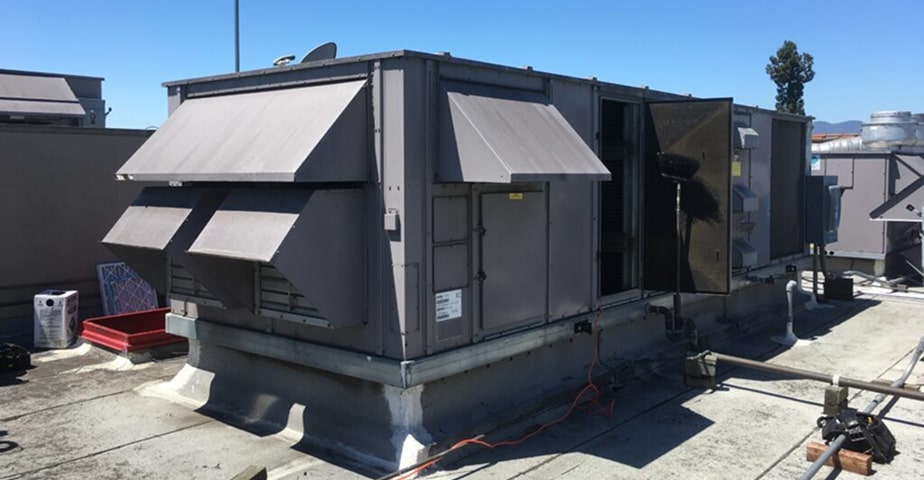
You might have a “curb” (the metal frame the unit sits on) that is 4 feet by 6 feet, but the new high-efficiency unit is 5 feet by 7 feet. Or, the supply and return air openings on the bottom of the new unit might not align with the existing ductwork in the building.
Electrical and Gas Misalignment
The electrical disconnect switch might be on the left side of the old unit but on the right side of the new one. Gas piping might need to be rerouted. If these discrepancies aren’t caught early, the installation crew is left scrambling for parts while the crane clock is ticking.
How Professionals Solve It:
Adaptation is key to modernizing HVAC infrastructure.
- Curb Adapters: Professionals use custom-fabricated curb adapters (also called transition curbs). These metal structures sit on the existing curb and flare out or in to match the footprint of the new unit. Internally, they divert the airflow from the new unit’s openings to the existing ductwork, ensuring a smooth transition without major construction.
- Field Fabrication Skills: A high-quality installation crew always includes skilled sheet metal fabricators and electricians who can modify gas lines and conduit on the fly, ensuring code compliance regardless of the unit’s configuration.
Challenge 5: Regulatory Compliance and Energy Codes
The regulatory landscape for commercial HVAC is shifting rapidly. Governments are mandating higher efficiency standards (like the recent DOE 2023 regulations) and phasing out older refrigerants.
The “Grandfather” Trap
Building owners often assume they can just replace “like for like.” However, new energy codes may require that if you replace a unit, you must also upgrade the thermostat controls, add economizers (which bring in fresh outside air for cooling), or improve duct insulation. Ignoring these codes can lead to failed inspections and fines.
Refrigerant Bans
Older units likely used R-22, which is now banned. New units use R-410A or A2L refrigerants. These new refrigerants have different pressure requirements and safety protocols.
How Professionals Solve It:
Contractors act as compliance consultants.
- Code Mastery: They stay updated on local, state, and federal energy codes (such as Title 24 in California). They ensure the unit selected meets the minimum SEER2 and IEER ratings required by law.
- Permit Management: They handle the permit application process, ensuring that the planned installation includes all necessary upgrades—such as smoke detectors in the ductwork or specific disconnect switches—to pass the final city inspection.
Challenge 6: Safety Hazards for Technicians
Rooftops are dangerous workplaces. Technicians face risks from falls, electrical shock, and exposure to extreme weather.
Fall Risks
Working near the edge of a roof or around open skylights is inherently risky. A slip or a moment of inattention can be fatal.
Electrical Dangers
Commercial units run on high voltage (often 480V three-phase power). Disconnecting and reconnecting this power requires strict adherence to safety protocols.
How Professionals Solve It:
Safety isn’t an afterthought; it’s a culture.
- OSHA Compliance: Professional crews are trained in OSHA safety standards. They utilize fall protection gear, such as harnesses and anchor points, whenever they are within a certain distance of the roof edge.
- Lockout/Tagout (LOTO): Before any electrical work begins, technicians use LOTO procedures to physically lock the power disconnects in the “off” position, ensuring the unit cannot be accidentally energized while someone is working on it.
- Warning Lines: On large roofs, flags and warning lines are set up to designate safe working zones, keeping technicians away from the roof perimeter.
Challenge 7: Unforeseen Site Conditions
Sometimes, you don’t know what you’re dealing with until you open up the unit or the roof.
Hidden Rot or Rust
Once the old unit is lifted, technicians might discover that the steel curb is rusted through or the wood nailer is rotted. Placing a new unit on a compromised base is negligent.
Wildlife Infestation
Rooftop units are warm and sheltered, making them attractive homes for birds, raccoons, or bees. Discovering an active nest or hive during removal can halt work immediately.
How Professionals Solve It:
Contingency planning is the mark of a pro.
- Emergency Material Stock: Service trucks are often stocked with lumber, sheet metal, and structural components to repair curbs on the spot.
- Rapid Response Networks: If a major structural issue is found, professionals have relationships with carpenters and pest control experts who can be on-site within hours, not days.
- Communication: If an unforeseen issue arises, the contractor communicates immediately with the building owner, explaining the problem and the proposed solution, rather than covering it up.
Challenge 8: Post-Installation Performance Issues
The unit is on the roof, the power is on, but the building isn’t cooling correctly. This “failure to launch” is a common nightmare for low-bid contractors who skip the commissioning phase.
Airflow Imbalance
The new unit might be more powerful than the old one, blowing air so hard it slams doors or creates drafts. Conversely, if the ductwork is leaky, the new unit might not reach the furthest offices.
Control Integration
Connecting a modern digital unit to an old analog building automation system can be like trying to connect a smartphone to a rotary phone. If they don’t talk to each other, the unit won’t cycle correctly.
How Professionals Solve It:
The job isn’t done until the system is commissioned.
- Test and Balance: Technicians use flow hoods and anemometers to measure airflow at every register. They adjust dampers to balance the pressure, ensuring every room gets the designed amount of air.
- System Commissioning: This involves a comprehensive checklist. Technicians verify refrigerant pressures, amperage draws, and gas pressure. They simulate different loads to ensure the unit stages up and down correctly.
- Modern Controls: If integration is impossible, they may recommend installing modern, Wi-Fi-enabled thermostats or updated control boards that allow for remote monitoring and diagnostics, preventing the need for future emergency HVAC services in San Jose, CA due to control failures.
Conclusion: The Value of Expertise
Installing a commercial rooftop HVAC unit is a massive undertaking filled with potential pitfalls. From the street-level logistics of crane permits to the rooftop reality of structural engineering, the challenges are real and significant.
However, these challenges are not insurmountable. They are simply part of the landscape that professional HVAC contractors navigate every day. By understanding these obstacles, building owners can appreciate the value of hiring a reputable, experienced team.
Attempting to cut corners on installation is a false economy. A poor installation can reduce the efficiency of your new unit by up to 30%, shorten its lifespan, and create safety liabilities. Conversely, a professional installation solves problems before they happen. It ensures your building is safe, your energy bills are optimized, and your business continues to operate smoothly.
When you are ready to upgrade your facility, look for a partner who talks about logistics, safety, and engineering—not just price. That is the sign of a professional who is prepared to elevate your comfort, regardless of the challenges the roof may present.
Stay Comfortable Year-Round With Expert HVAC Service
Book a trusted technician to handle your heating or cooling issue—fast, professional, and done right the first time.
Book Service Now