I Want

    Residential HVACCommercial HVACRefrigerationEmergency HVAC


    Fast | No obligation

    How Regular Maintenance Boosts Rooftop HVAC Energy Efficiency

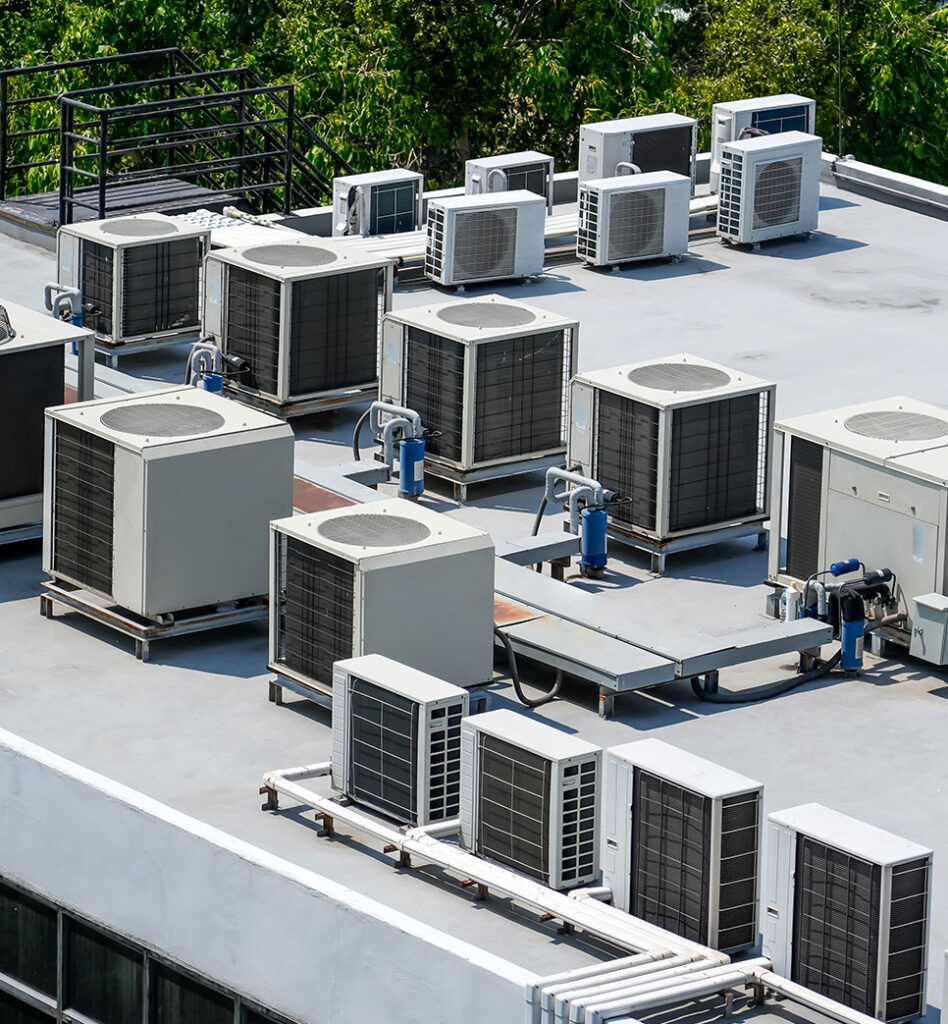
    In the fast-paced world of facility management and commercial business ownership, it is easy to adopt an “out of sight, out of mind” mentality regarding rooftop equipment. Your commercial HVAC system hums along in the background, keeping customers cool and employees productive. However, silence doesn’t always equal efficiency. Without a consistent strategy for rooftop HVAC maintenance, your system is likely slowly bleeding money through increased energy consumption.

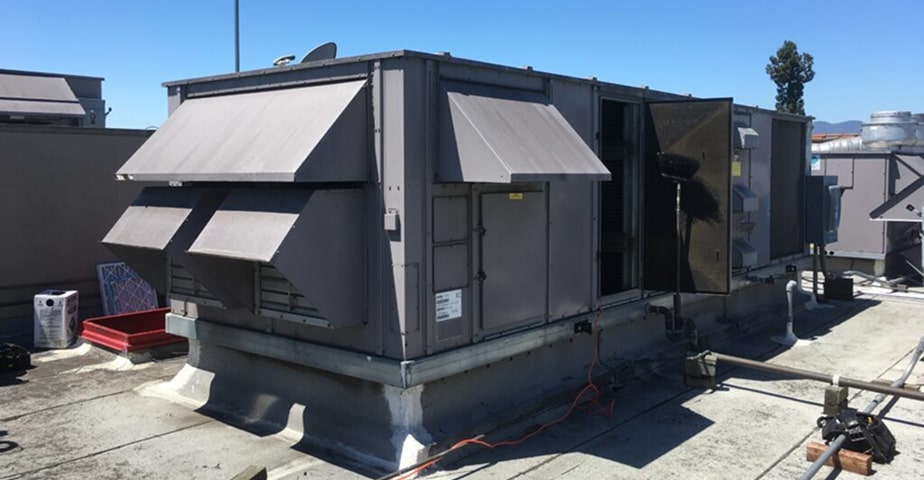
    For businesses in the San Francisco Bay Area, where energy costs are among the highest in the nation, efficiency isn’t just a buzzword—it is a financial necessity. A well-maintained rooftop unit (RTU) operates like a precision instrument, using only the energy required to meet the building’s load. Conversely, a neglected unit is like a car driving with the parking brake on: it works harder, burns more fuel (or electricity), and wears out faster.

    This guide explores exactly how regular maintenance tasks directly correlate to energy savings. We will break down the mechanics of efficiency, explaining why simple actions like changing a filter or cleaning a coil can result in double-digit percentage drops in your utility bill.

    The Mechanics of Efficiency Loss

    To understand why energy-efficient HVAC upkeep is vital, you first need to understand how these systems lose efficiency. Rooftop units are complex machines that rely on heat transfer, airflow, and fluid dynamics. Over time, environmental factors and mechanical wear disrupt these processes.

    Efficiency loss is rarely catastrophic all at once. It is cumulative. A 5% reduction in airflow due to a dirty filter, combined with a 10% reduction in heat transfer from dirty coils, and a 2% increase in amp draw from a loose belt—suddenly, your system is consuming 17% more energy to do the same job.

    This “efficiency drift” is invisible on a day-to-day basis but glaringly obvious on an annual profit and loss statement. Regular maintenance resets the clock on this drift, restoring the system to its factory-designed performance specifications.

    1. The Critical Role of Coil Cleaning

    The heart of any air conditioning system is heat exchange. Your rooftop unit has two main sets of coils: the evaporator coil (indoors, absorbs heat) and the condenser coil (outdoors, releases heat).

    The Condenser Coil Challenge

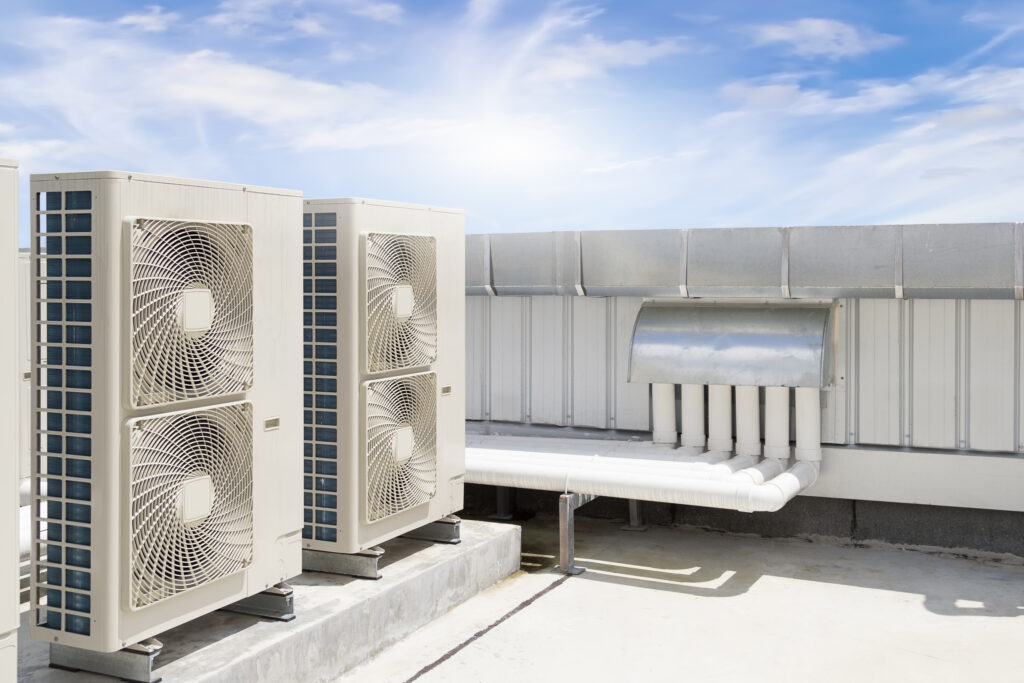
    The outdoor condenser coil is particularly vulnerable. Sitting on the roof, it acts as a magnet for everything the Bay Area environment throws at it: dust, pollen, leaves, urban smog, and even grease from nearby kitchen exhaust fans.

    When dirt builds up on the condenser coil, it acts as an insulator. Instead of releasing heat efficiently into the outside air, the heat stays trapped in the refrigerant. This causes the head pressure in the compressor to rise.

    The Energy Impact

    For every degree the condensing temperature rises above the design point, the compressor uses more electricity. A dirty condenser coil can increase compressor energy consumption by up to 30%. That is a massive penalty for simply having a dirty machine.

    Regular professional cleaning involves chemically treating and washing these coils to remove the insulating layer of grime. This simple commercial HVAC service tip allows the system to “breathe” again, instantly dropping head pressure and reducing amp draw.

    Evaporator Coils and Airflow

    While protected inside the unit, evaporator coils can also become fouled if filters are bypassed or neglected. A dirty evaporator coil reduces the system’s ability to absorb heat from the building. This leads to longer run times. Instead of running for 10 minutes to cool a room, the unit might run for 20. Doubling the run time effectively doubles the energy cost for that cooling cycle.

    Prioritizing coil cleaning is one of the pillars of our Commercial HVAC Maintenance Services, ensuring your heat transfer surfaces remain pristine.

    2. Air Filters: The First Line of Defense

    Air filters are often viewed as a commodity—something to swap out cheaply and quickly. However, in terms of energy efficiency, they are critical.

    The Physics of Airflow

    Your rooftop unit is designed to move a specific volume of air (measured in Cubic Feet per Minute, or CFM). The blower motor consumes energy to push this air through the ductwork. When a filter becomes loaded with dust and debris, the resistance to airflow (static pressure) increases.

    If your system uses a standard constant-speed motor, the airflow drops. The room doesn’t get cool as fast, so the thermostat keeps the unit running longer.

    If your system uses a modern variable-speed motor (ECM or VFD), the motor will sense the resistance and ramp up its speed to maintain airflow. This ramping up requires significantly more electricity. A clogged filter can cause a variable speed motor to run at maximum capacity constantly, negating the energy-saving benefits of the technology.

    Frequency Matters

    In commercial settings, quarterly filter changes are the industry standard, but some environments require monthly attention. Retail spaces with high foot traffic or buildings near construction sites load filters much faster.

    By maintaining clean filters, you ensure the fan motor operates in its most efficient range, reducing electrical demand and preventing the unit from overheating.

    3. Refrigerant Charge Optimization

    Refrigerant is the medium that moves heat. It circulates between the evaporator and condenser, changing state from liquid to gas and back again. The system is engineered to operate with a precise amount of refrigerant—often measured to the ounce.

    The “Goldilocks” Zone

    • Undercharged (Leak): If the system is low on refrigerant, the coil doesn’t get cold enough. The system runs continuously, trying to reach the setpoint but never quite getting there. This is a massive energy waster and a leading cause of compressor burnout.
    • Overcharged: Too much refrigerant creates excessive pressure. The compressor has to work much harder to pump the fluid, drawing more amps and running hotter.

    The Efficiency Penalty

    Studies have shown that a refrigerant charge that is off by just 10% can reduce system efficiency by 15-20%. During routine maintenance, a technician connects gauges to measure subcooling and superheat—technical metrics that tell us exactly what is happening inside the pipes.

    Detecting a slow leak early not only saves energy but also saves the environment and prevents a costly emergency repair down the road. If you suspect a refrigerant issue, our Commercial HVAC Repair Services can locate and seal the leak before recharging the system to factory specs.

    4. Belt Tension and Alignment

    Many commercial rooftop units rely on belt-driven fans. A rubber belt connects the motor pulley to the fan pulley. It is a simple, effective system, but it requires adjustment.

    The Energy Loss of Slippage

    Over time, belts stretch and wear. A loose belt slips on the pulley. You might hear a squeal on startup, or you might hear nothing at all. When a belt slips, the motor is spinning, consuming electricity, but that energy isn’t being fully transferred to the fan.

    If a belt is slipping by 10%, you are wasting 10% of the fan motor’s energy consumption. Furthermore, slipping belts generate heat and friction, which ruins the belt faster and glazes the pulleys, requiring more expensive repairs later.

    Alignment Issues

    Misaligned pulleys cause friction. Friction is the enemy of efficiency. Proper alignment ensures the belt runs true, transferring maximum torque with minimum resistance.

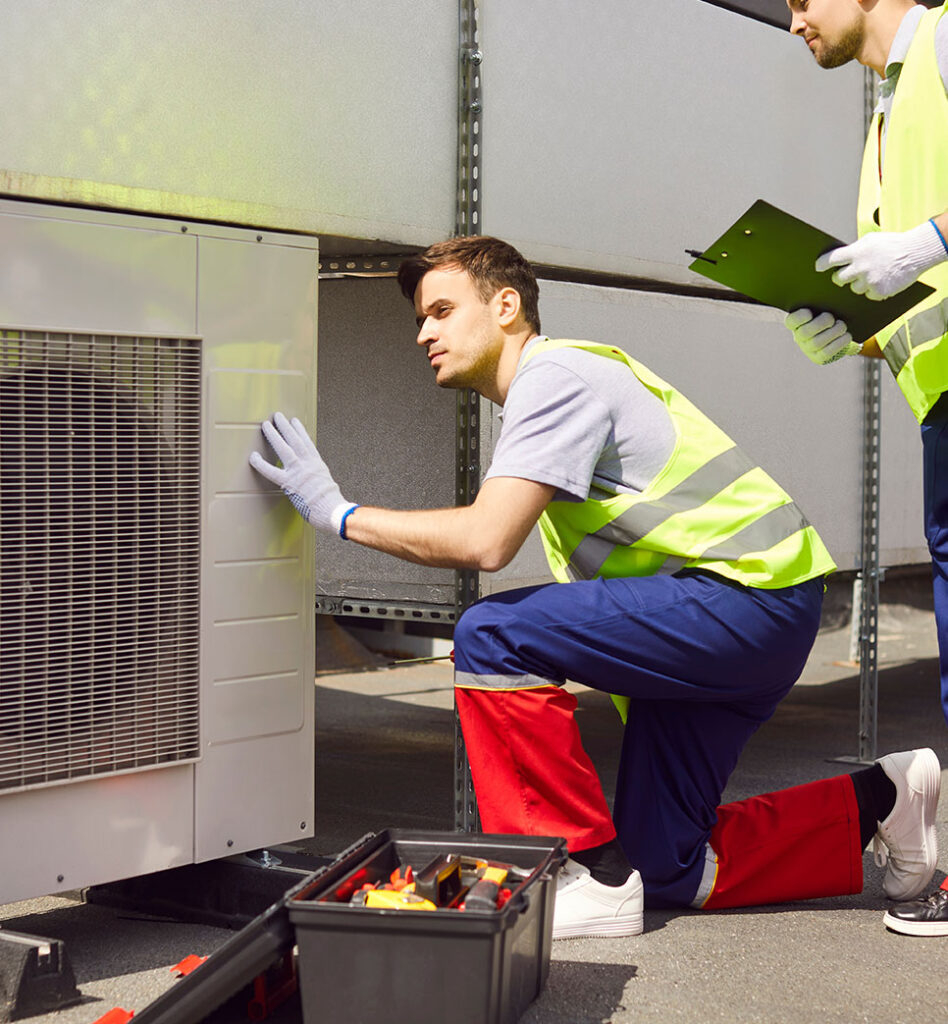
    During a maintenance visit, we check belt tension using proper gauges and inspect pulleys for wear. Replacing a $20 belt can save hundreds of dollars in wasted electricity over a cooling season.

    5. Calibrating Controls and Thermostats

    Hardware is only half the equation. The “brain” of your HVAC system—the thermostat or building automation system—dictates when and how the unit runs.

    Sensor Drift

    Thermostats and temperature sensors can drift out of calibration over time. A sensor that reads 2 degrees warmer than the actual room temperature will keep the AC running long after the room is comfortable. This unnecessary cooling is pure waste.

    Schedule Verification

    Commercial buildings have distinct operating hours. One of the most common issues we find during maintenance audits is schedules that have drifted or been overridden.

    • Is the AC running at full blast on weekends when no one is there?
    • Is the system starting up at 4:00 AM for a 9:00 AM opening?

    Regular maintenance includes a review of these setpoints. We ensure the “occupied” and “unoccupied” settings are correct. Tightening a schedule by just one hour per day can save roughly 10% on HVAC running costs annually.

    6. Economizer Maintenance: Free Cooling

    We mentioned economizers in our previous guide, but their maintenance deserves its own section here because the efficiency stakes are so high. An economizer acts as a smart window, opening dampers to let in cool outside air when weather permits.

    The Failure Rate

    Ideally, economizers save massive amounts of energy. Realistically, they are the most prone-to-failure component on a rooftop unit. Studies have shown that up to 60-70% of economizers on existing buildings are not working correctly.

    Common failures include:

    • Seized Actuators: The motor that moves the damper burns out.
    • Broken Linkages: The mechanical arm connecting the motor to the damper snaps.
    • Bad Sensors: The enthalpy sensor (which measures humidity/temp) fails, telling the unit it’s raining when it’s sunny, or hot when it’s cold.

    The Consequence

    If an economizer fails in the “closed” position, you lose all free cooling benefits. If it fails in the “open” position, you are trying to air condition the great outdoors on a hot day. Both scenarios are disastrous for efficiency.

    Rooftop HVAC maintenance must include a functional test of the economizer. The technician should simulate different weather conditions to ensure the dampers open and close smoothly and at the right times.

    7. Electrical Connection Tightening

    Vibration is constant in a rooftop unit. Fans spin, compressors hum, and the wind blows. This vibration can slowly loosen electrical connections at contactors, terminals, and breakers.

    Resistance Creates Heat

    Loose electrical connections create resistance. In an electrical circuit, resistance manifests as heat. This voltage drop means motors have to pull more amperage to do the same work.

    High resistance leads to:

    1. Increased Energy Use: The motor runs less efficiently.
    2. Component Failure: The excess heat can melt wires and destroy expensive compressors.
    3. Fire Hazards: In extreme cases, arcing can occur.

    Tightening all electrical connections is a standard but vital part of our maintenance protocol. It ensures that the electricity you pay for is powering the motor, not heating up a loose wire.

    8. Lubrication of Moving Parts

    Friction is energy that is not doing useful work. Bearings in fan motors and blower shafts require proper lubrication to spin freely.

    The Drag Factor

    Dry bearings create drag. The motor has to work harder to overcome this friction to spin the fan. This increased load translates directly to higher wattage on your electric meter.

    Eventually, a dry bearing will seize, leading to catastrophic motor failure. However, long before it fails, it is silently stealing energy efficiency. Regular greasing (with the correct amount and type of lubricant) keeps friction to a minimum.

    9. Inspecting and Clearing Condensate Drains

    Air conditioning removes humidity. That moisture has to go somewhere. It collects in a pan and drains away through a pipe.

    The Humidity Issue

    If a drain line clogs with algae or slime (a common occurrence), water backs up in the pan. While this is primarily a water damage risk, it also affects efficiency. Standing water increases the humidity inside the unit. The system then has to work harder to remove that re-evaporated moisture from the air stream.

    Furthermore, many modern units have safety float switches. If the pan fills up, the switch cuts power to the unit completely. While this saves the ceiling from a leak, it results in an emergency service call and downtime. Keeping drains clear ensures the system focuses on cooling air, not fighting standing water.

    10. The Long-Term ROI of Maintenance

    When you look at the cumulative effect of these tasks—clean coils, fresh filters, tight belts, calibrated sensors—the result is a system operating at its peak potential.

    Extends Equipment Lifespan

    An efficient machine is a machine under less stress. By reducing head pressure and amp draw through maintenance, you significantly extend the life of compressors and motors. This allows you to delay the substantial capital expenditure of buying a new unit.

    However, no unit lasts forever. When maintenance can no longer compensate for the inefficiencies of obsolete technology, upgrading becomes the smart financial move. Our Commercial HVAC Replacement Services can help you calculate the payback period of swapping a 15-year-old energy hog for a modern, high-efficiency unit.

    Predictable Budgeting

    Reactive repairs are expensive and unpredictable. They happen on the hottest day of the year and often involve overtime rates. Maintenance contracts are a fixed, predictable line item in your budget. By preventing the emergency, you control your costs.

    Why 1800coolaid.com is Your Efficiency Partner

    In the San Francisco Bay Area, 1800coolaid.com has built a reputation on transparency and technical excellence. We don’t just “check the box” during a maintenance visit. We actively look for ways to improve your facility’s energy profile.

    Our technicians are trained to spot the subtle signs of efficiency loss that others miss. From San Jose to Fremont, we serve a diverse range of commercial clients who trust us to keep their operating costs low and their comfort high.

    Tailored Maintenance Plans

    We understand that a server room in Palo Alto has different needs than a warehouse in Hayward. We customize our maintenance frequency and checklist based on your specific equipment and usage patterns.

    Conclusion: Maintenance is an Investment, Not an Expense

    It is time to reframe how we think about HVAC service. It is not just about fixing things when they break; it is about optimizing performance to save money every single day the unit runs.

    Regular maintenance boosts rooftop HVAC energy efficiency by attacking the root causes of waste: dirt, friction, leaks, and drift. The cost of a maintenance plan is almost always recouped through lower energy bills and avoided repair costs.

    Don’t let your profits fly out the exhaust vent. Take a proactive stance on your building’s energy consumption.

    Contact 1800coolaid.com today. Let us customize a maintenance strategy that protects your equipment, lowers your overhead, and gives you peace of mind.

    Frequently Asked Questions

    Q: How much energy can I really save with maintenance?
    A: According to the U.S. Department of Energy and various industry studies, proper maintenance can reduce energy consumption by 15% to 30% compared to a neglected system.

    Q: My unit is new; does it still need maintenance?
    A: Yes! In fact, most manufacturer warranties require proof of regular maintenance to remain valid. Furthermore, a new unit can get dirty just as fast as an old one. Keeping it clean ensures it keeps its “new” efficiency rating for years.

    Q: Can I change the filters myself?
    A: While facility staff can change filters, a professional maintenance visit includes electrical checks, refrigerant pressure tests, and safety inspections that require specialized training and tools. Filter changes are just one piece of the puzzle.

    Q: How do I know if my refrigerant charge is low?
    A: You likely won’t know until the unit stops cooling effectively or freezes up with ice. However, higher than normal electric bills can be an early warning sign. Only a certified technician with gauges can diagnose the charge level accurately.


    Stay Comfortable Year-Round With Expert HVAC Service

    Book a trusted technician to handle your heating or cooling issue—fast, professional, and done right the first time.

    Book Service Now
    Blog post Image
    Blog post Image
    Blog post Image

    Frequently Asked Questions

    How do I know when condensing unit replacement is better than repair?

    Consider replacement when repair costs exceed 50% of replacement cost, when units are over 12-15 years old, or when efficiency losses significantly increase energy bills. We provide cost-benefit analysis to help you make the right decision for your specific situation.

    What energy savings can I expect from a new high-efficiency condensing unit?

    Modern units typically achieve 20-40% energy savings compared to units installed before 2010. For a business spending $500 monthly on refrigeration energy, this represents $100-200 monthly savings that often pays for replacement within 3-5 years.

    How long does condensing unit replacement take?

    Most replacements take 1-3 days depending on unit size and installation complexity. We coordinate work around your business schedule to minimize disruption and can often provide temporary cooling during installation when necessary.

      Schedule Your Service

      Stay Comfortable Year-Round With Expert HVAC Service

      Book a trusted technician to handle your heating or cooling issue—fast, professional, and done right the first time.

      Schedule a FREE Discovery Call
      Close

      Schedule Your Service