
HVAC Maintenance: A Guide to Year-Round Care
Table of Contents
ToggleYour home’s heating, ventilation, and air conditioning (HVAC) system works tirelessly behind the scenes to keep you comfortable. But like any complex machine, it needs regular care to run efficiently and reliably. Understanding the essentials of HVAC maintenance is the key to preventing unexpected breakdowns, saving money on energy bills, and ensuring your home remains a sanctuary no matter the season. This guide will walk you through what you need to know to keep your system in top shape all year long.
What Is HVAC Maintenance?
HVAC maintenance is a series of checks and services performed on your heating and cooling system to ensure it operates at peak performance. The primary goal is to identify and fix small issues before they become major, expensive problems. Professional technicians inspect, clean, and adjust various components to maintain efficiency and safety.
Common services included in a professional HVAC maintenance visit include:
- Inspecting and cleaning coils
- Checking refrigerant levels
- Testing electrical connections and components
- Lubricating moving parts
- Calibrating the thermostat
- Cleaning or replacing air filters
- Inspecting ductwork for leaks or blockages
How Often Should HVAC Maintenance Be Done?
To get the most out of your system, you should schedule professional HVAC maintenance twice a year. This ensures both your heating and cooling functions are ready for their peak seasons.
A spring tune-up prepares your air conditioner for the hot summer months, while a fall check-up gets your furnace or heat pump ready for winter. This regular schedule helps address the question of how often should hvac maintenance be done by providing a clear, actionable plan for homeowners.
Key Benefits of Regular HVAC Maintenance
Investing in routine maintenance pays for itself through several significant advantages. It’s not just about preventing breakdowns; it’s about optimizing your entire home environment.
Improved Energy Efficiency
A clean, well-maintained system doesn’t have to work as hard to heat or cool your home. When parts are lubricated, coils are clean, and airflow is unobstructed, your unit consumes less energy. This translates directly to lower monthly utility bills.
Extended System Lifespan
The average HVAC system lasts between 15 and 20 years, but that lifespan depends heavily on regular upkeep. Preventative care minimizes wear and tear on critical components, helping your system last as long as possible and delaying the high cost of a full replacement.
Reduced Risk of Costly Repairs
During a maintenance visit, a technician can spot worn belts, failing capacitors, or low refrigerant levels. Addressing these minor issues on the spot prevents them from causing a catastrophic failure, which could lead to emergency repairs costing thousands of dollars.
Better Indoor Air Quality
Your HVAC system circulates all the air in your home. A dirty system can spread dust, pollen, mold, and other allergens. Regular maintenance, including filter changes and duct inspections, helps keep the air you breathe clean and healthy.
Seasonal HVAC Maintenance Checklist
While professional service is crucial, there are things you can do each season to support your system’s health.
Spring HVAC Maintenance Tips
- Clean or Replace Air Filters: Start the cooling season with a fresh filter to ensure maximum airflow.
- Check Refrigerant Lines: Look for any signs of leaks or damage on the insulated lines running to your outdoor unit.
- Ensure Proper Airflow: Clear any furniture, drapes, or clutter away from indoor vents.
Summer HVAC Maintenance Essentials
- Monitor Thermostat Settings: Use a programmable or smart thermostat to reduce strain on your AC during peak hours.
- Inspect Outdoor Unit: Keep the area around your condenser clear of leaves, grass clippings, and other debris to maintain proper ventilation.
Fall HVAC Maintenance Priorities
- Prepare Heating Components: Schedule your professional tune-up to have your furnace or heat pump inspected before you need it.
- Check for Leaks: Test your carbon monoxide detectors and have a professional check for any gas leaks in your furnace.
Winter HVAC Maintenance Reminders
- Test Heating Performance: Once the cold weather arrives, pay attention to how well your system is heating your home.
- Keep Vents and Ducts Clear: Ensure all registers are open and unobstructed to allow for even heat distribution.
DIY HVAC Maintenance vs. Professional Service
Some tasks are perfect for homeowners, while others are best left to the experts.
Tasks Homeowners Can Safely Do
You can easily handle changing your air filters every 1-3 months, cleaning debris from your outdoor unit, and keeping your vents clear. These simple actions make a big difference in your system’s performance and efficiency.
Why Professional Inspections Are Critical
A trained technician has the tools and expertise to perform complex tasks safely. This includes handling refrigerants, checking electrical components, and inspecting the internal workings of your furnace. These actions are essential for safety and are required to maintain your system’s warranty.
Common HVAC Maintenance Mistakes to Avoid
Even with the best intentions, homeowners can make mistakes that harm their HVAC systems.
- Skipping Annual Checkups: The most common mistake is assuming everything is fine until it isn’t. An annual inspection is the single best way to prevent major failures.
- Ignoring Small Issues: That strange noise or slight burning smell might seem minor, but it could be an early warning sign of a serious problem. Don’t wait for it to get worse.
- Using the Wrong Air Filters: Not all filters are created equal. Using a filter that is too restrictive can strain your system’s fan motor and reduce airflow, decreasing efficiency and causing damage.
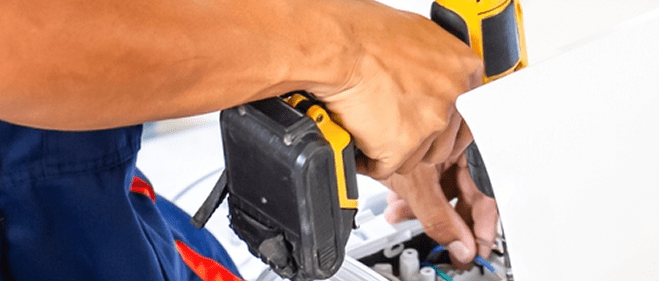
Emergency HVAC Issues We Fix
Your system may need urgent attention if you’re experiencing:
- No airflow from vents
- Furnace blowing cold air
- AC blowing warm air
- System won’t turn on
- Iced-over AC or refrigerant line
- Thermostat not responding
- Loud, unusual noises from the unit
- Weak airflow or poor indoor air quality
- Water leaks around the unit
- Burning smells or electrical odor
- Complete system failure
If you notice any of these signs, don’t wait. Contact COOL AID for immediate HVAC help.
Signs Your HVAC System Needs Immediate Attention
Your system will often tell you when something is wrong. Call a professional if you notice:
- Unusual Noises or Odors: Banging, clanking, or buzzing sounds, as well as musty or burning smells, are red flags.
- Inconsistent Temperatures: If some rooms are too hot while others are too cold, your system is not distributing air properly.
- Rising Energy Bills: A sudden, unexplained spike in your energy usage often points to a decline in your HVAC system’s efficiency.
Choosing the Right HVAC Maintenance Plan
A service contract or maintenance plan is a great way to ensure your system gets the care it needs. When looking for a plan, consider what it includes, such as priority service, discounts on repairs, and two annual tune-ups.
At 1800 Cool Aid, whether is residential or commercial, we make year-round HVAC maintenance simple. Our comprehensive plans are designed to provide peace of mind, optimize your system’s performance, and save you money. Our certified technicians handle everything, so you can relax and stay comfortable.
Conclusion
Regular HVAC maintenance is not an expense—it’s an investment in your home’s comfort, efficiency, and safety. By scheduling professional tune-ups twice a year and performing simple tasks yourself, you can extend your system’s life, lower your energy bills, and avoid stressful breakdowns. Don’t wait for a problem to arise; be proactive about your home’s health.
Ready to schedule your next maintenance visit? Contact 1800 Cool Aid today to ensure your system is ready for whatever the season brings.
Serving the Entire Bay Area
We proudly serve customers in: