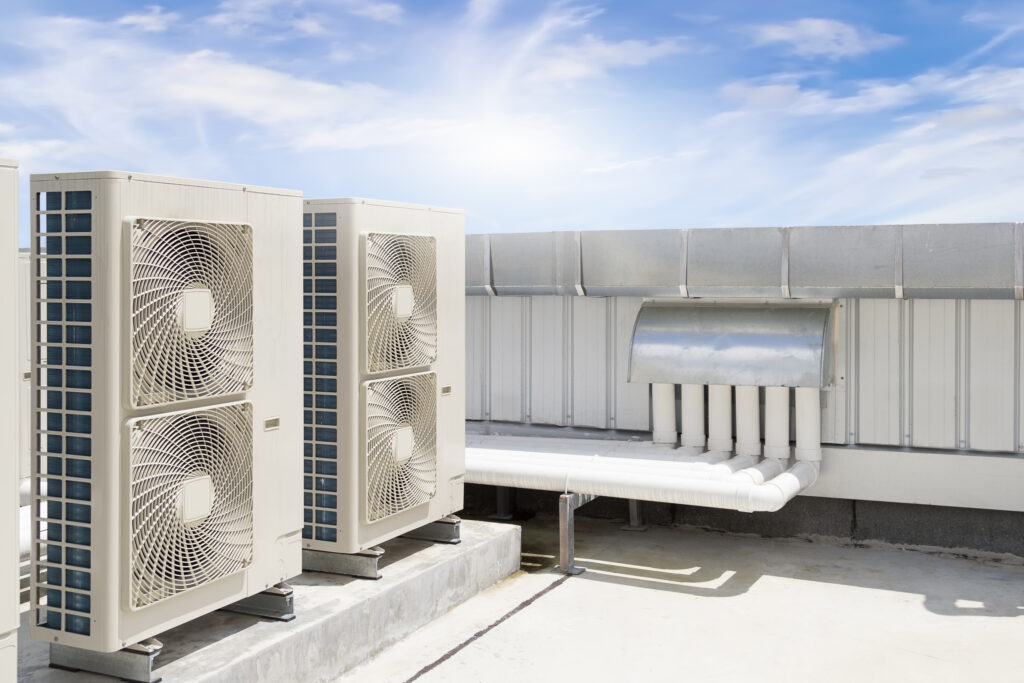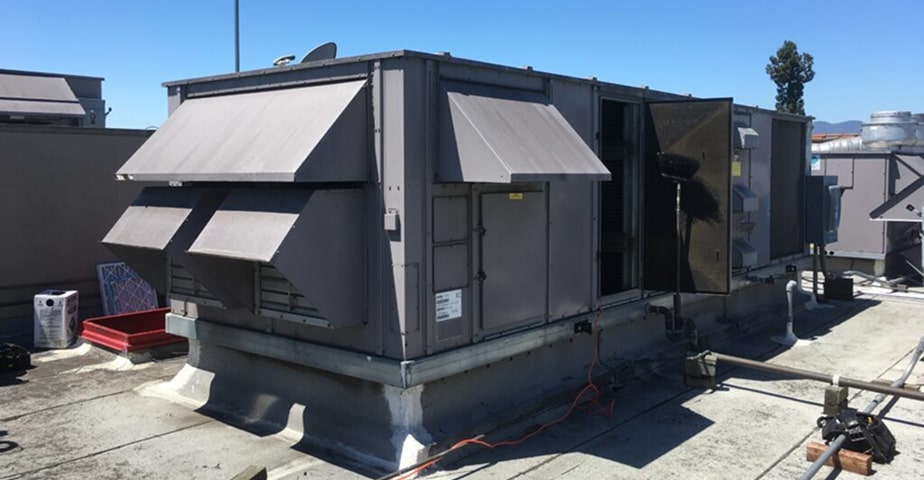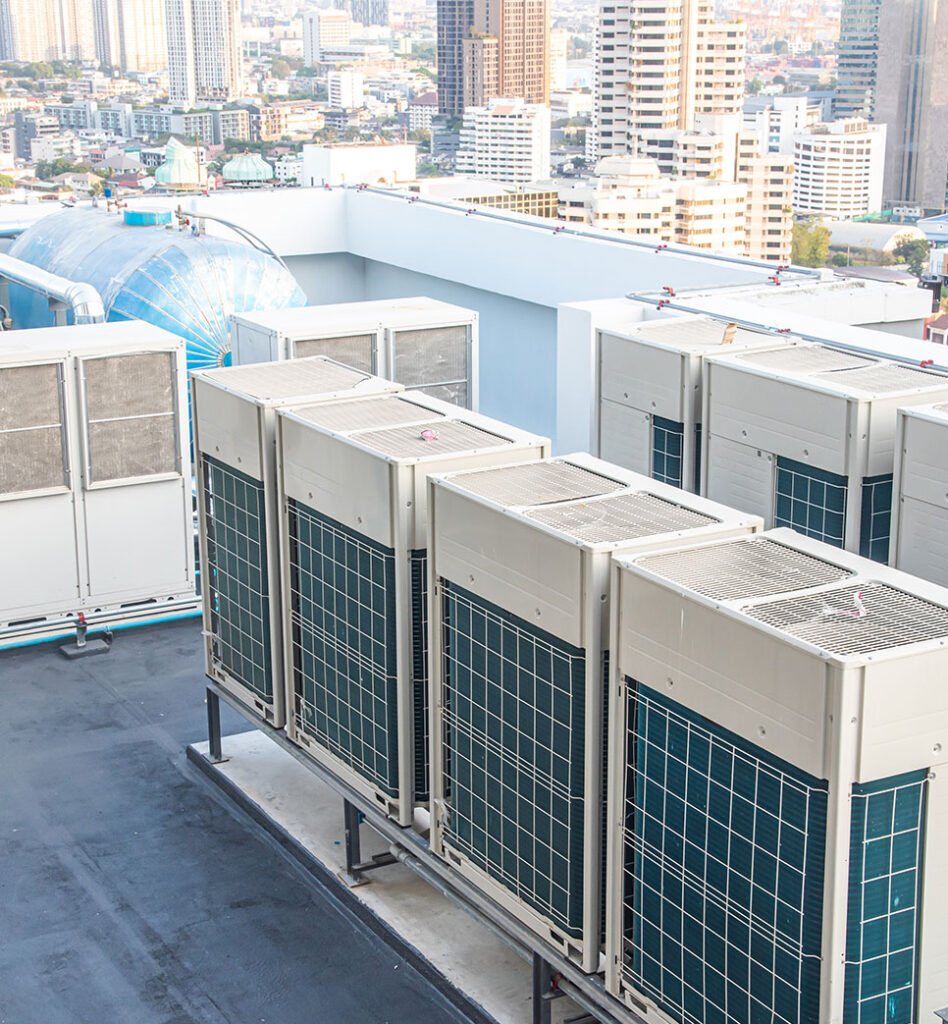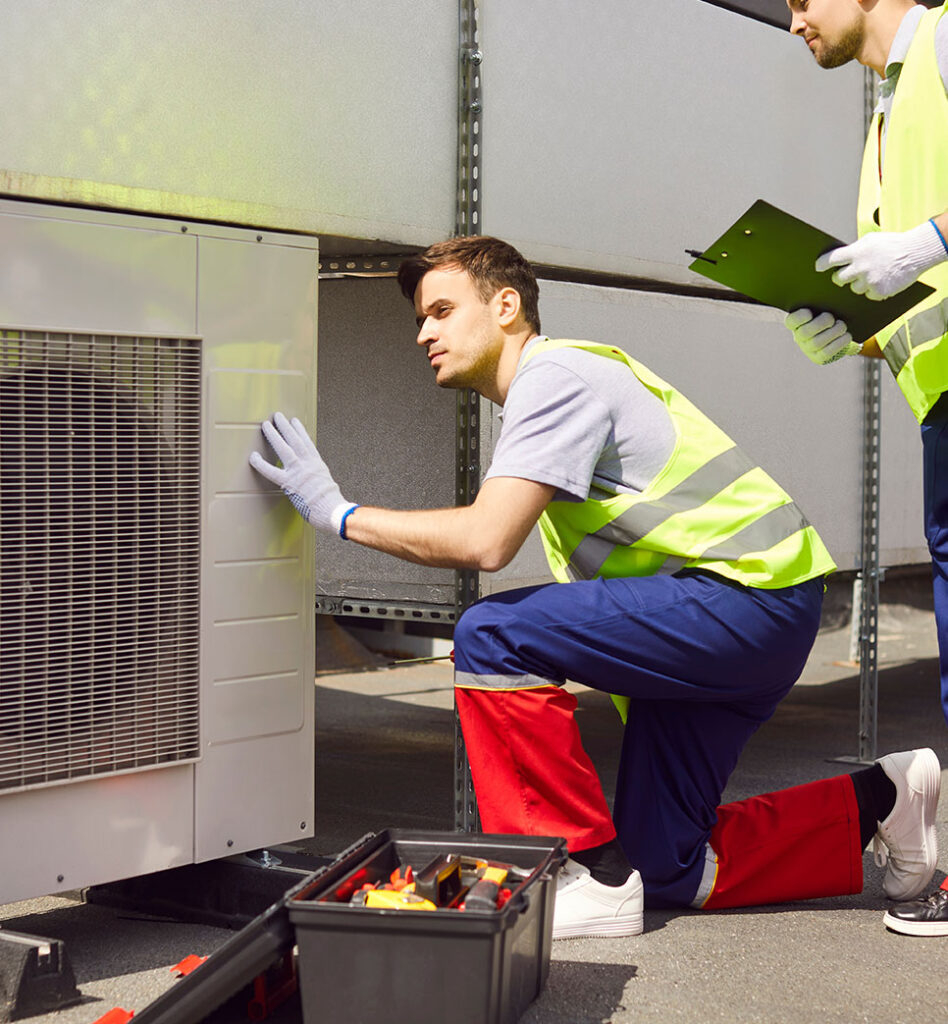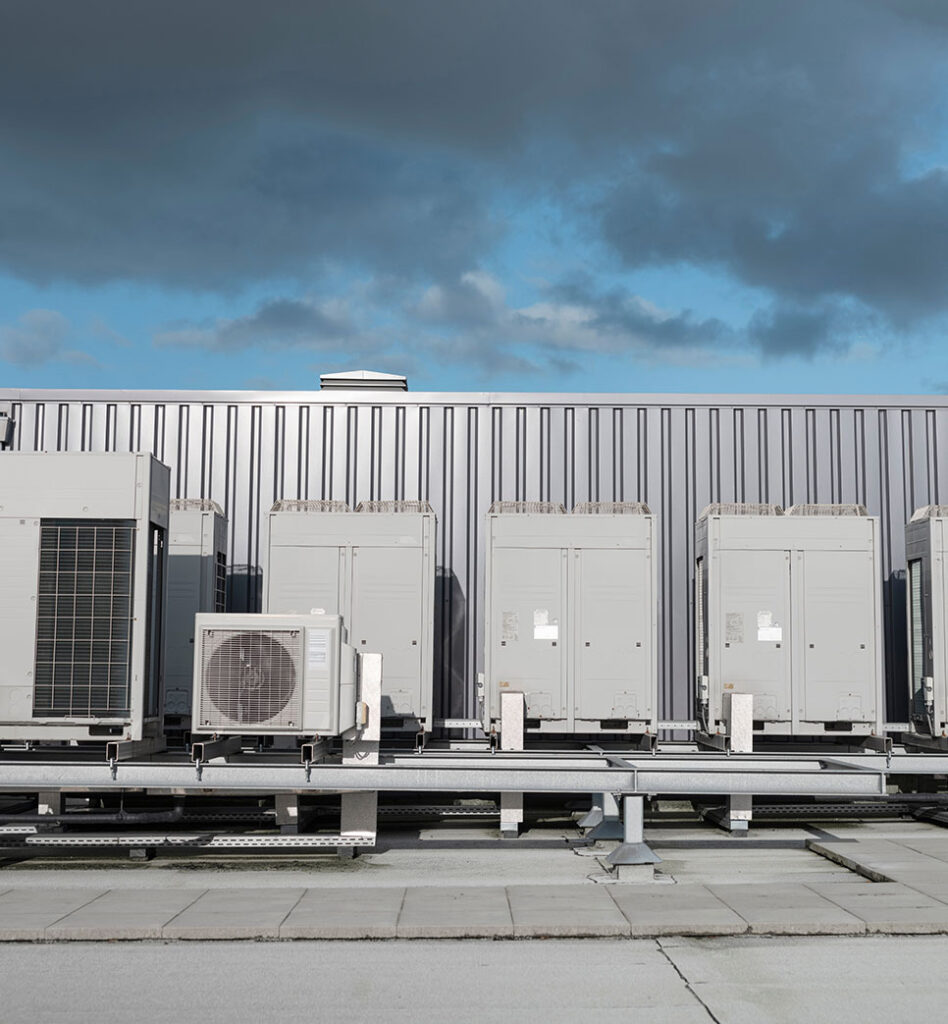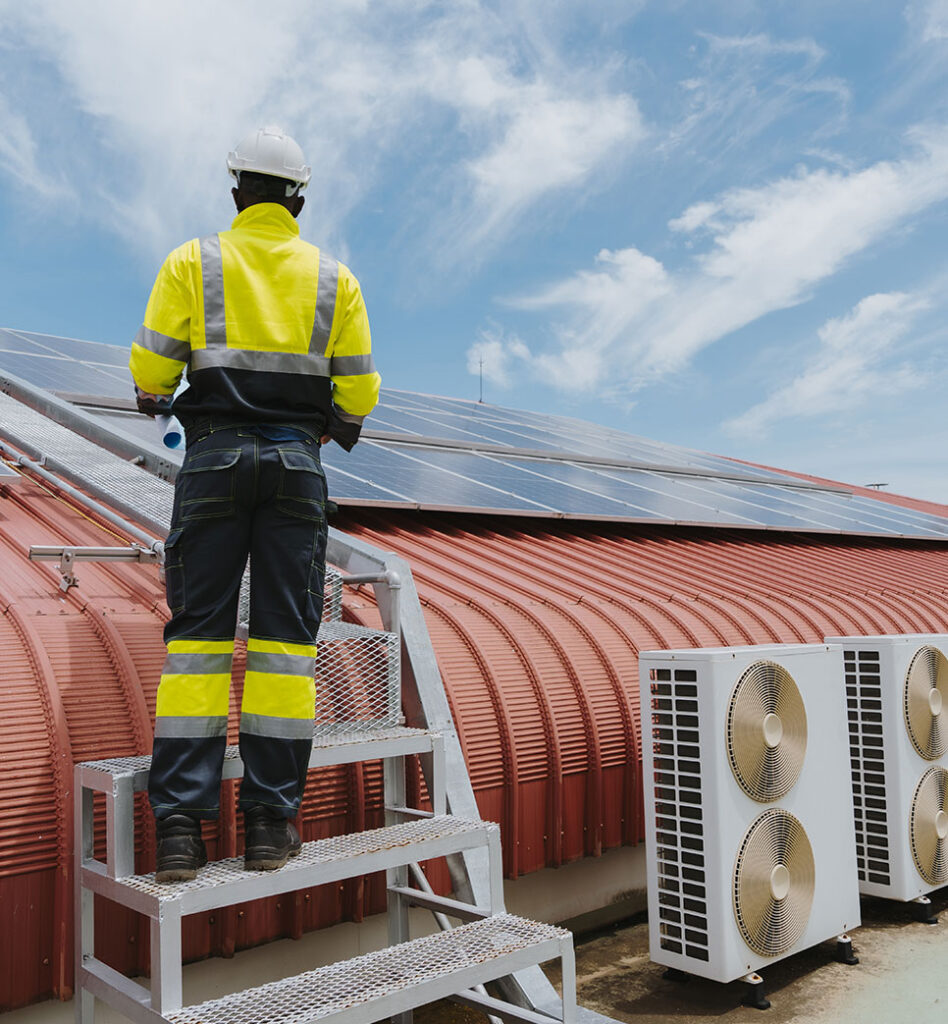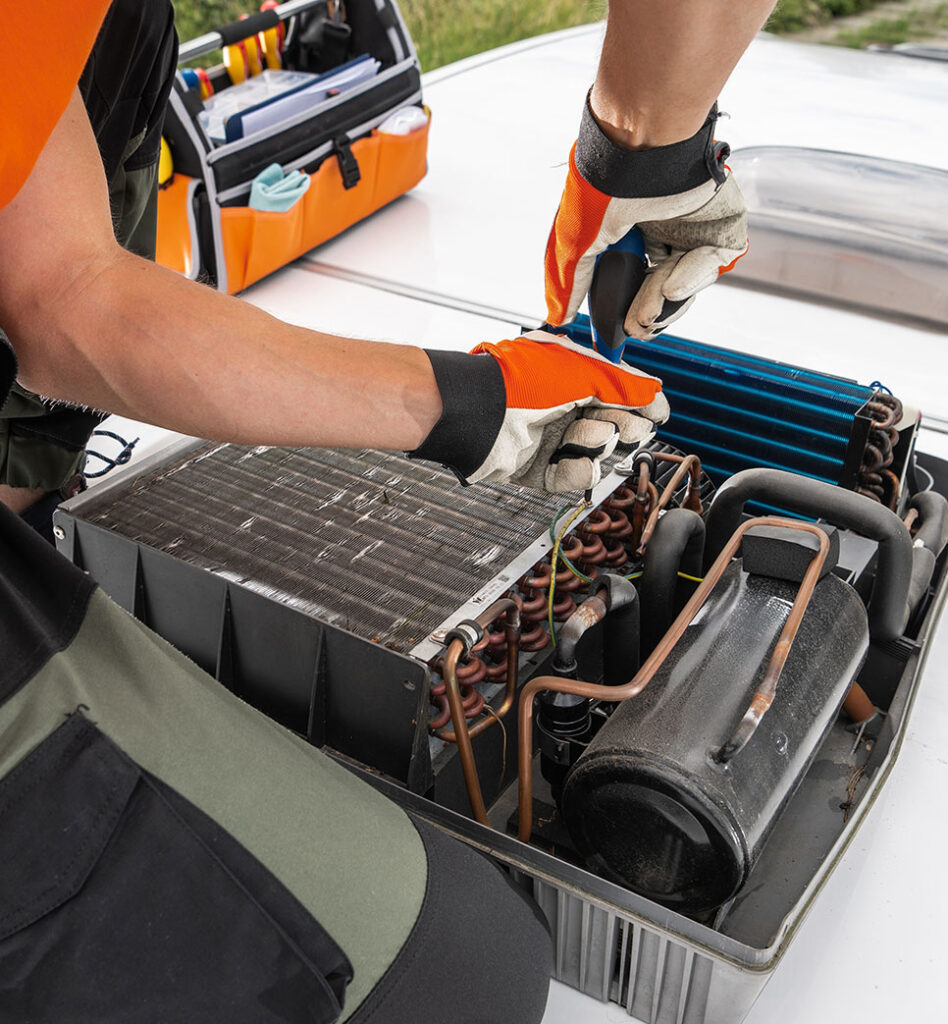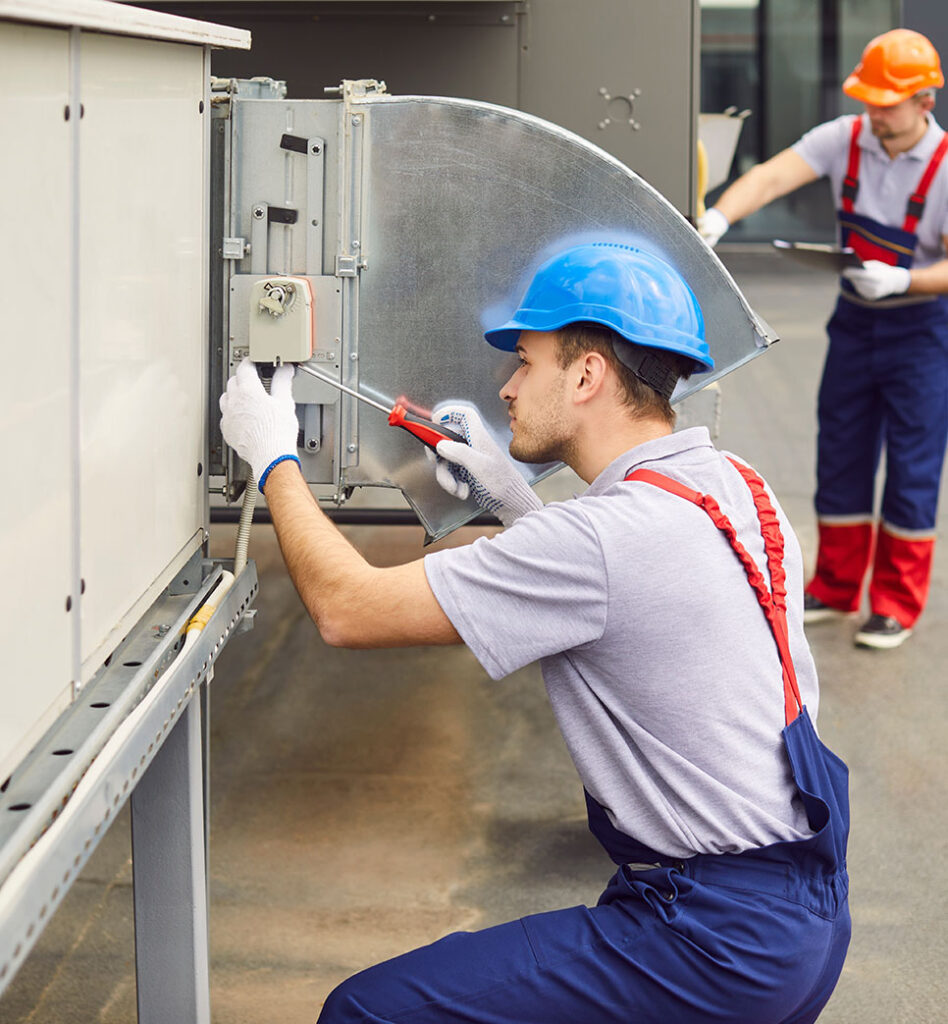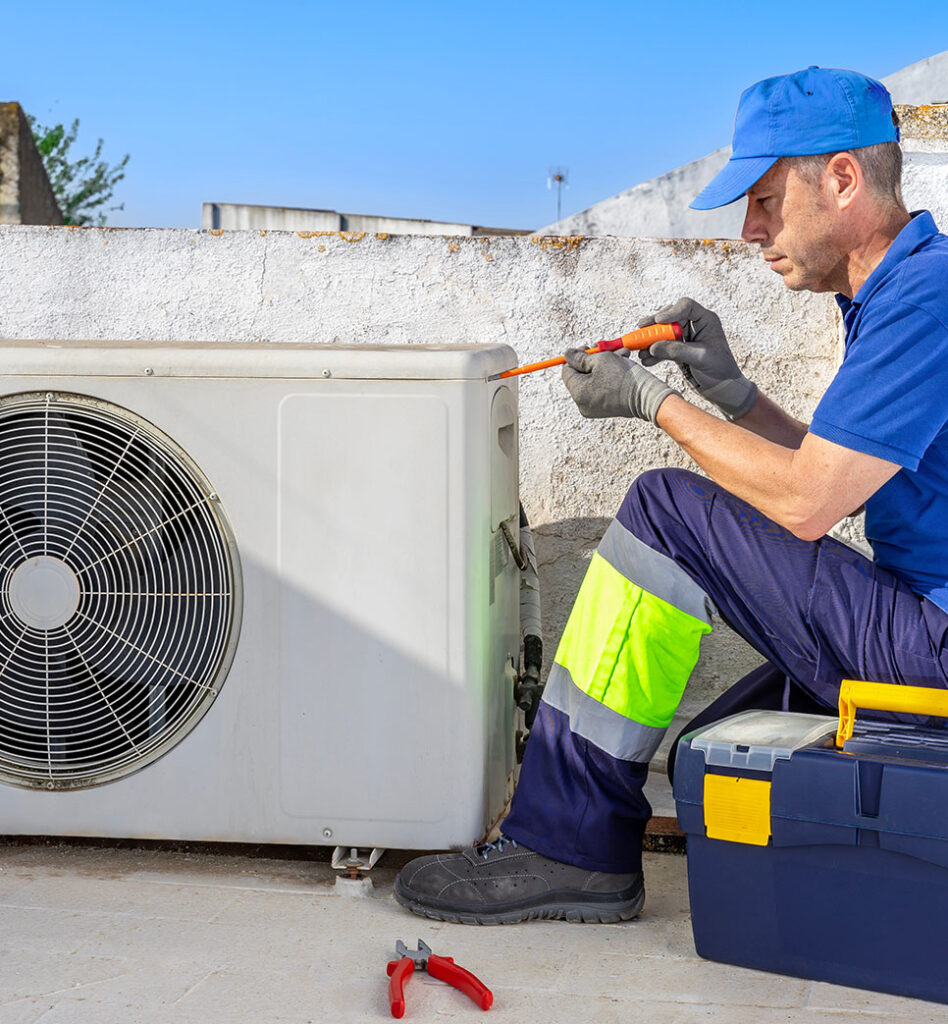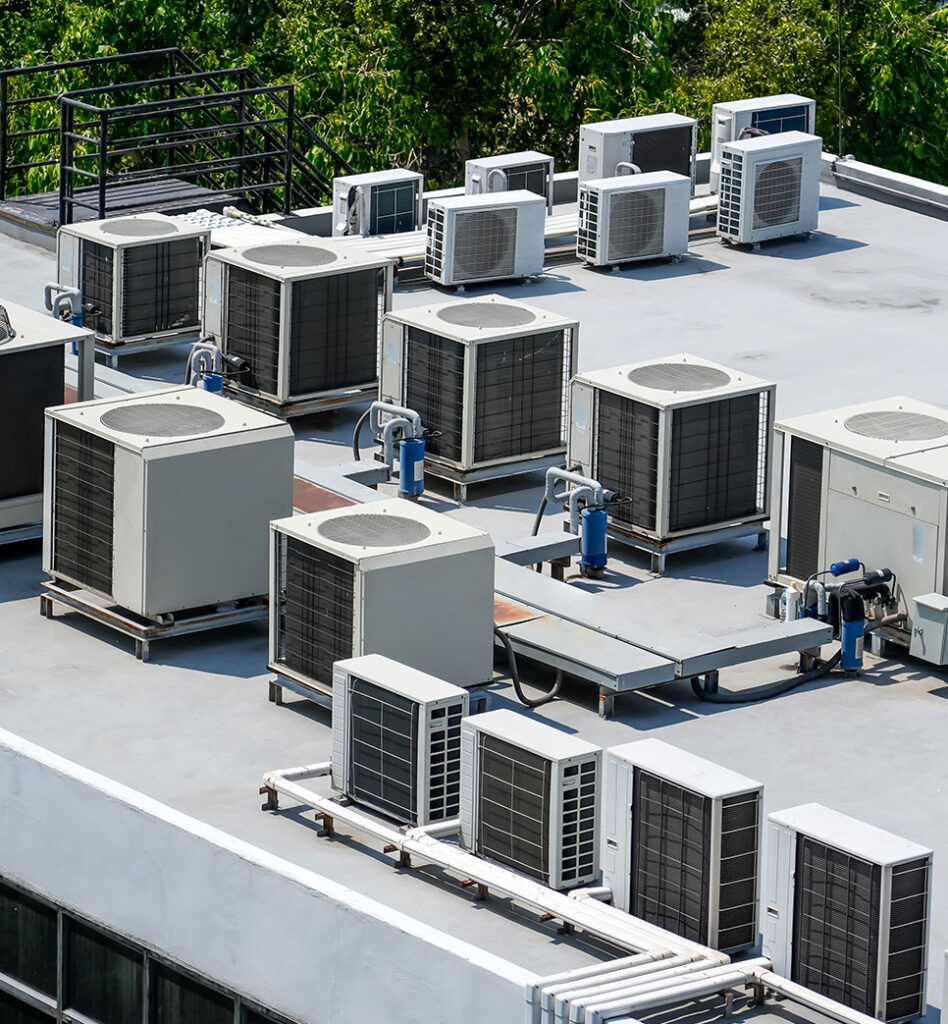
Rooftop HVAC units (RTUs) are the workhorses of commercial climate control. Perched high above the hustle and bustle of daily business operations, these systems work tirelessly to keep offices cool, server rooms stable, and retail spaces comfortable. However, their location makes them uniquely vulnerable. Unlike split systems that might have components sheltered indoors or alongside a building, rooftop units are fully exposed to the elements 24/7/365.
Every season brings a new assault on your equipment. From the blistering summer sun baking electrical components to driving rains that seek out the smallest seal failures, the weather is the primary enemy of HVAC longevity. Understanding exactly how these environmental factors degrade your system is the first step in protecting your investment and avoiding business interruptions.
In this comprehensive guide, we will explore the specific mechanics of how wind, rain, and heat attack your commercial HVAC infrastructure and what you can do to fortify your defenses.
The Invisible Assailant: How Wind Damages Rooftop Units
Wind might seem like the least threatening of the elements. After all, HVAC units are heavy, metal-clad machines bolted to a roof curb. However, wind damage is rarely about the unit blowing away; it is about the accumulation of debris, the stress on mechanical parts, and the disruption of airflow dynamics.
Debris Accumulation and Airflow Blockage
One of the primary ways wind causes breakdowns is by turning everyday objects into projectiles and clogging agents. On windy days, dust, leaves, plastic bags, and other loose debris are whipped into the air. Your rooftop unit, which relies on pulling in massive amounts of outside air for heat exchange, acts like a giant vacuum cleaner.
When this debris slams against the condenser coils, it creates a layer of insulation that shouldn’t be there. This forces the system to work harder to reject heat. Over time, this blockage can lead to:
- Reduced Efficiency: The system runs longer to achieve the same cooling effect.
- High Head Pressure: The compressor undergoes immense strain as it fights against restricted airflow.
- Component Failure: Fan motors burn out trying to pull air through clogged fins.
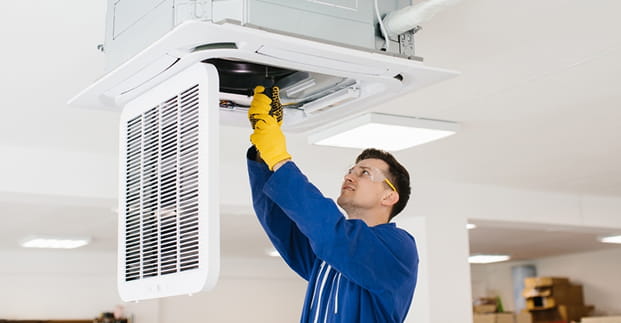
Regular inspections are crucial here. Utilizing professional commercial HVAC maintenance services ensures that these coils remain clean and free of wind-blown obstructions.
Fan Blade Imbalance and Motor Stress
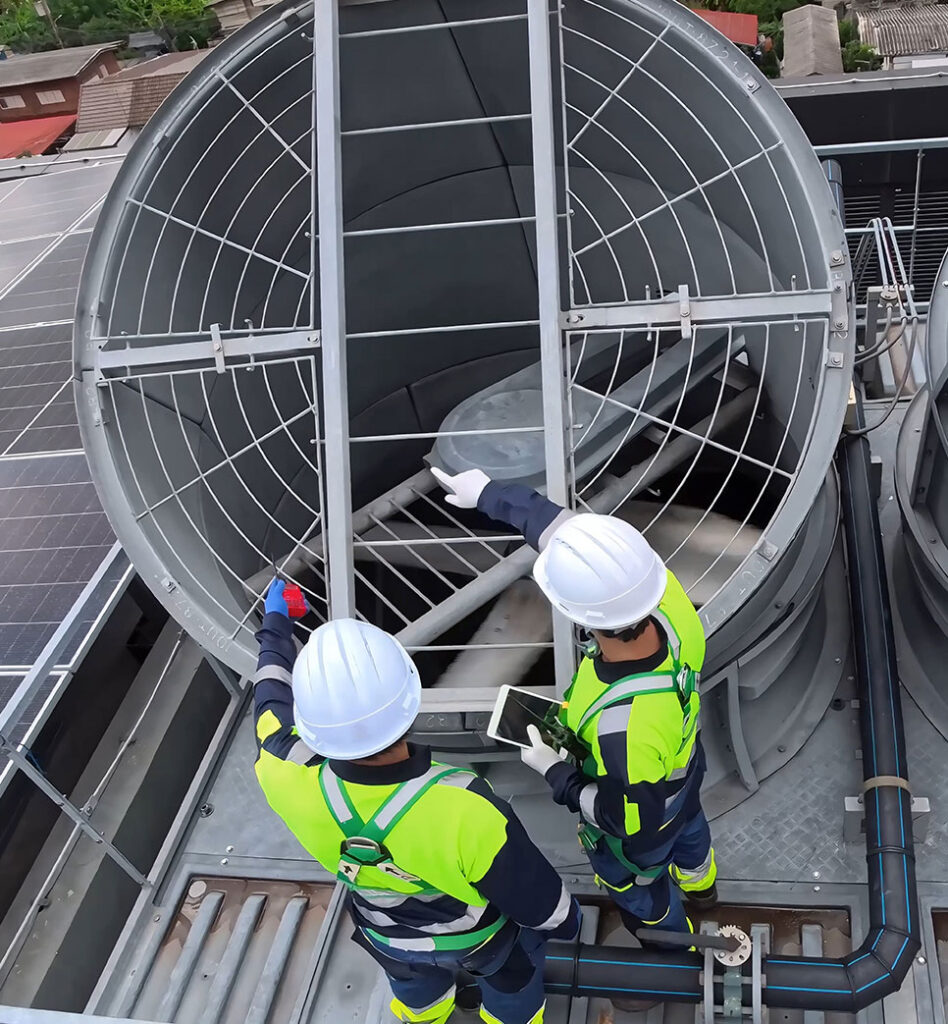
Strong gusts of wind can wreak havoc on the condenser fans located on the top of your RTU. When the unit is running, the fans spin at high RPMs. If a sudden, powerful gust hits the fan blades against their rotation, it creates significant torque stress on the motor shaft and bearings.
Furthermore, wind can carry abrasive particles like sand or grit. Over years of exposure, this “sandblasting” effect can erode the leading edges of fan blades, throwing them off balance. An unbalanced fan vibrates excessively, which can eventually shatter the fan hub or destroy the motor mounts.
Pilot Light and Ignition Issues
For units that provide heating as well as cooling, wind is a notorious troublemaker for gas-fired components. Although modern units have draft inducers and shielded flues, strong, erratic winds can create downdrafts. These downdrafts can blow out pilot lights in older models or interfere with the pressure switches in modern electronic ignition systems. This leads to “lockouts,” where the unit shuts down for safety, leaving your building without heat until a technician can reset it.
The Relentless Intruder: Rain and Moisture Infiltration
Water is the universal solvent, and given enough time, it will find a way into almost anything. Rooftop units are designed to be weatherproof, but “weatherproof” is not the same as “waterproof” or “submersible.” Rain causes damage through corrosion, electrical shorts, and structural degradation.
Corrosion of Coils and Cabinets
The most obvious effect of rain is rust. While the outer cabinets of RTUs are galvanized or painted, scratches from maintenance or hail damage can expose raw metal. Once oxidation starts, it spreads.
More critical is the corrosion of the heat exchanger and coils. Acid rain or simply the combination of moisture and pollutants in the air can eat away at the aluminum fins and copper tubing of your coils. This is particularly dangerous for:
- Condenser Coils: Thinner fins mean less heat transfer capability.
- Evaporator Coils: Leaks here can lead to refrigerant loss, freezing up the system.
- Heat Exchangers: Rust holes in a gas heat exchanger can allow dangerous carbon monoxide to enter the building’s air supply.
If you suspect your unit is suffering from corrosion or water damage, immediate commercial HVAC repair services are necessary to assess the safety and functionality of the equipment.
Electrical Short Circuits
Water and electricity do not mix. Rooftop units contain complex wiring harnesses, contactors, circuit boards, and sensors. Heavy rains, especially those driven sideways by high winds, can penetrate access panels that haven’t been sealed correctly.
When water reaches these electrical components, the results are instantaneous and often expensive. A short circuit can fry a control board, trip main breakers, or ruin a compressor. Even high humidity lingering after a storm can cause contacts to corrode, leading to intermittent electrical “ghosts” that are difficult to diagnose.
Compromised Roof Curbs and Seals
The connection point between the HVAC unit and the building is called the curb. It relies on a gasket system to create a watertight seal. over time, exposure to rain and UV light causes these gaskets to dry rot and crack.
When this seal fails, rain doesn’t just damage the unit; it leaks directly into the building, causing ceiling damage, mold growth, and slipping hazards. Furthermore, water pooling around the base of the unit can accelerate rust on the structural supports, potentially compromising the physical stability of the heavy equipment.
The Silent Killer: Extreme Heat and Thermal Stress
In many regions, particularly places like San Jose and the wider Bay Area, heat is the most consistent threat. It is ironic that the very weather the AC is designed to combat is also what destroys it. Extreme heat pushes every mechanical limit of a rooftop unit.
Capacitor Failure and Electrical Overheating
Capacitors are small electrical components that give motors the torque they need to start and run. They are filled with oil and are sensitive to heat. On a 100°F day, the temperature inside the metal cabinet of a rooftop unit can easily exceed 140°F.
This intense heat causes the oil inside capacitors to expand, often causing them to bulge or leak. A weak or failed capacitor puts immense strain on the compressor and fan motors. If the compressor tries to start with a bad capacitor, it can overheat and seize up permanently, leading to a very expensive commercial HVAC replacement.
High Head Pressure and Compressor Burnout
Thermodynamics dictates that it is harder to transfer heat into hot air than cool air. When the ambient temperature soars, the refrigerant in your condenser coils cannot release its heat efficiently. This causes the pressure inside the system (head pressure) to skyrocket.
The compressor is the heart of the system, pumping this refrigerant. When head pressures are high, the compressor must work significantly harder, drawing more amperage and generating more internal heat. Eventually, the oil that lubricates the compressor breaks down, causing internal friction and, ultimately, a catastrophic burnout.
This is especially critical for specialized environments like server rooms. A server room generates its own massive heat load. If the commercial server room cooling services fail due to ambient heat stress, the data loss and hardware damage can cost millions.
Thermal Expansion and Contraction
Materials expand when hot and contract when cold. A rooftop unit goes through extreme thermal cycles every day. In the summer, the metal may hit 150°F in the sun and cool down to 60°F at night. This constant expansion and contraction loosens electrical connections, cracks refrigerant piping joints, and weakens welds.
These microscopic cracks eventually turn into refrigerant leaks. A system low on refrigerant will struggle to cool, run constantly, and eventually freeze up into a block of ice, halting operations entirely.
The Compound Effect: When Weather Forces Combine
Rarely does weather attack in isolation. The most destructive scenarios occur when these elements combine.
The “Mud” Effect (Rain + Wind/Dust):
When wind blows dust onto a coil and rain subsequently wets it, the dust turns into mud. When this mud dries in the heat, it forms a concrete-like barrier on your coils that standard rinsing cannot remove. This requires specialized chemical cleaning to restore airflow.
The “Thermal Shock” Effect (Heat + Sudden Rain):
Imagine a rooftop unit baking in 95°F heat. Suddenly, a summer thunderstorm rolls in, dumping cold rain on the hot metal. This rapid cooling causes immediate, violent contraction of the metal. This thermal shock is a leading cause of cracked heat exchangers and fractured refrigerant lines.
Prevention Strategies: protecting Your Rooftop Assets
Knowing the dangers is half the battle. The other half is implementing a proactive strategy to mitigate these risks. You cannot control the weather, but you can control how your equipment responds to it.
1. Implement a Rigorous Maintenance Schedule
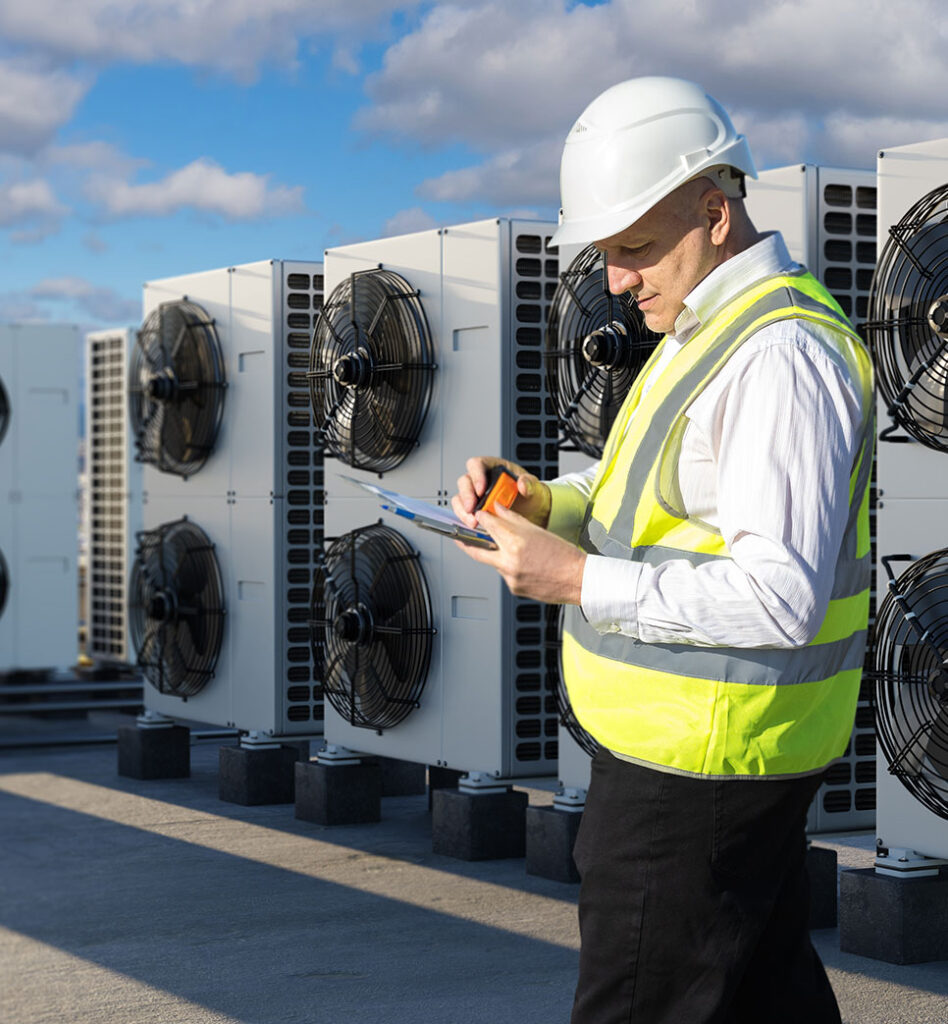
Routine maintenance is not an optional expense; it is a shield against weather damage. A quarterly maintenance plan should include:
- Coil Cleaning: Removing debris and “mud” to ensure proper heat transfer.
- Electrical Tightening: Checking all connections to combat loosening from thermal expansion.
- Drain Line Clearing: Ensuring condensate and rainwater can drain freely prevents water damage.
- Panel Inspection: Verifying all access panels are secure and gaskets are intact to stop wind and rain infiltration.
2. Install Protective Accessories
There are aftermarket modifications that can harden your RTU against the elements:
- Hail Guards: These metal mesh screens protect delicate coil fins from hail and wind-blown debris.
- Wind Baffles: For units in high-wind areas, baffles can help stabilize airflow pressures around the condenser fans.
- Phase Monitors: These electrical devices protect the compressor from voltage fluctuations that often accompany severe storms.
3. Plan for End-of-Life Replacement
No amount of maintenance can make a unit last forever. Weather takes a cumulative toll. If your unit is over 15 years old and has weathered years of heatwaves and storms, it may be time to consider the efficiency gains of a new system. Modern units are built with better weather-resistant materials and smarter controls. Reviewing your options for commercial HVAC replacement services before a catastrophic failure occurs allows you to budget and plan the installation on your terms.
4. Don’t Neglect Refrigeration
For businesses like restaurants and grocery stores, the rooftop HVAC is often tied to or located near refrigeration condensers. These units face the exact same weather threats. A failure in your walk-in cooler due to a heat-stressed condenser can spoil thousands of dollars in inventory. Ensure your maintenance plan covers your commercial refrigeration services as well.
Conclusion: Weathering the Storm with Professional Help
The rooftop environment is harsh, unforgiving, and inevitable. Wind will blow, rain will fall, and the sun will beat down. However, these natural forces do not have to result in downtime for your business.
By understanding the mechanics of weather-related breakdowns—from the blocked airflow of wind debris to the electrical failures of heat stress—you can make informed decisions about your facility management. The key is moving from a reactive “fix-it-when-it-breaks” mentality to a proactive “protect-and-preserve” strategy.
Whether you need a seasonal tune-up, an emergency repair after a storm, or a complete system overhaul, partnering with experienced professionals is essential. For businesses in the Bay Area, 1-800-CoolAid provides the expertise needed to keep your systems running through wind, rain, and heat.
Don’t wait for the next heatwave or storm to test your equipment’s limits. Secure your comfort and your revenue by addressing the vulnerabilities on your roof today.
Frequently Asked Questions (FAQs)
How often should rooftop HVAC units be inspected for weather damage?
Ideally, commercial units should be inspected quarterly (four times a year). This ensures the unit is prepared for the specific challenges of each upcoming season (e.g., cleaning coils before summer, checking gas heat exchangers before winter).
Can I build a shelter over my rooftop HVAC unit to protect it?
Generally, no. Rooftop units are designed to discharge air upwards. Placing a roof or shelter directly over them can cause “recirculation,” where the unit sucks its own hot exhaust air back in. This will overheat the unit and kill efficiency. Always consult a professional before modifying the area around your HVAC system.
What is the first sign that weather has damaged my HVAC?
The most common early warning signs are strange noises (indicating fan/motor issues from wind stress), rapidly increasing energy bills (indicating dirty coils or heat stress), or water spots appearing on ceiling tiles below the unit (indicating seal failure).
Is heavy rain dangerous for my HVAC unit?
While the unit is designed to be outdoors, heavy rain can be dangerous if the drainage holes in the unit are clogged with debris. If the water cannot drain out of the unit’s base pan, it can rise high enough to short out electrical controls or fan motors.
Does homeowners insurance or commercial property insurance cover weather damage to HVAC?
Typically, yes, if the damage is from a specific “peril” like a storm, hail, or lightning strike. However, damage resulting from general wear and tear or neglect (like rust from rain over 10 years) is usually not covered. Routine maintenance records are often required to prove the damage wasn’t due to neglect.
Stay Comfortable Year-Round With Expert HVAC Service
Book a trusted technician to handle your heating or cooling issue—fast, professional, and done right the first time.
Book Service Now