I Want

    Residential HVACCommercial HVACRefrigerationEmergency HVAC


    Fast | No obligation

    How Rooftop HVAC Systems Support Green Building Goals

    The movement toward sustainable and environmentally responsible construction, known as green building, is reshaping skylines and communities worldwide. At the heart of this transformation are the systems that keep buildings comfortable, healthy, and efficient. Among the most critical of these are Heating, Ventilation, and Air Conditioning (HVAC) systems. For commercial buildings, rooftop HVAC units (RTUs) are a popular choice due to their space-saving design and consolidated functionality. But beyond convenience, modern rooftop HVAC systems are becoming powerful tools for achieving ambitious green building goals.

    Choosing the right HVAC system is no longer just about temperature control; it’s a strategic decision that impacts energy consumption, operational costs, environmental footprint, and occupant well-being. This post explores the integral role that advanced rooftop HVAC systems play in supporting green building objectives. We will cover everything from their contribution to energy efficiency and sustainability to their alignment with prestigious green building certifications like LEED. Whether you are constructing a new facility or planning a strategic upgrade, understanding these connections is key to creating a truly sustainable commercial space.

    The Intersection of HVAC and Green Building Principles

    Green building is a holistic approach to design and construction that prioritizes environmental responsibility and resource efficiency. Its core principles include minimizing energy and water use, reducing waste, using sustainable materials, and creating healthier indoor environments. Since HVAC systems can account for 40% to 50% of a commercial building’s total energy consumption, they are a primary focus for any green building project. An inefficient or poorly maintained system can single-handedly undermine sustainability efforts, leading to high energy bills and a larger carbon footprint.

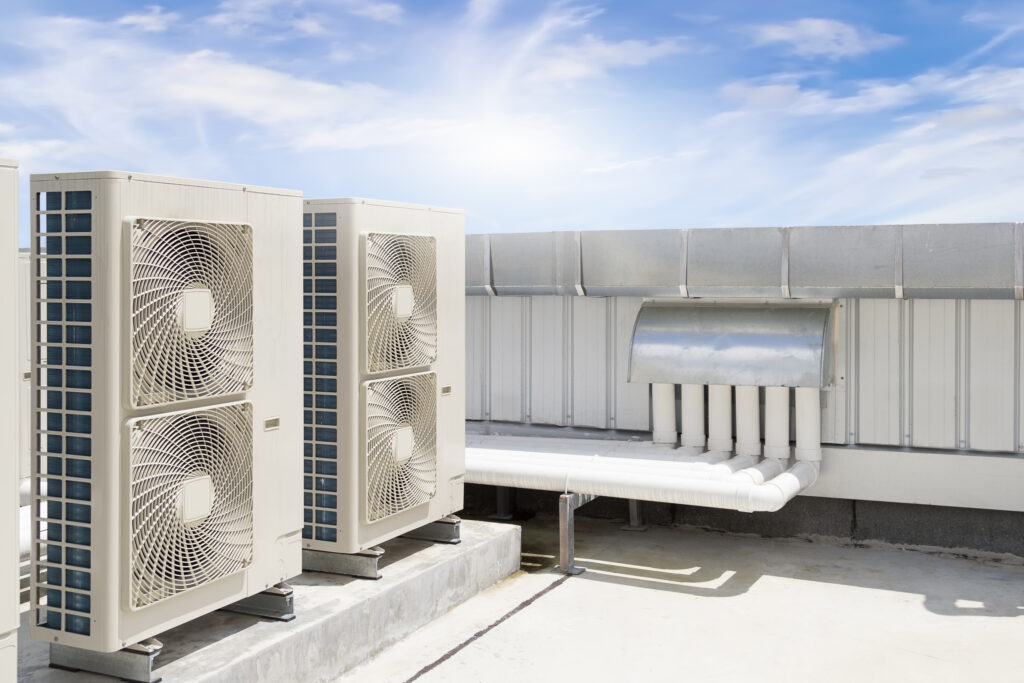
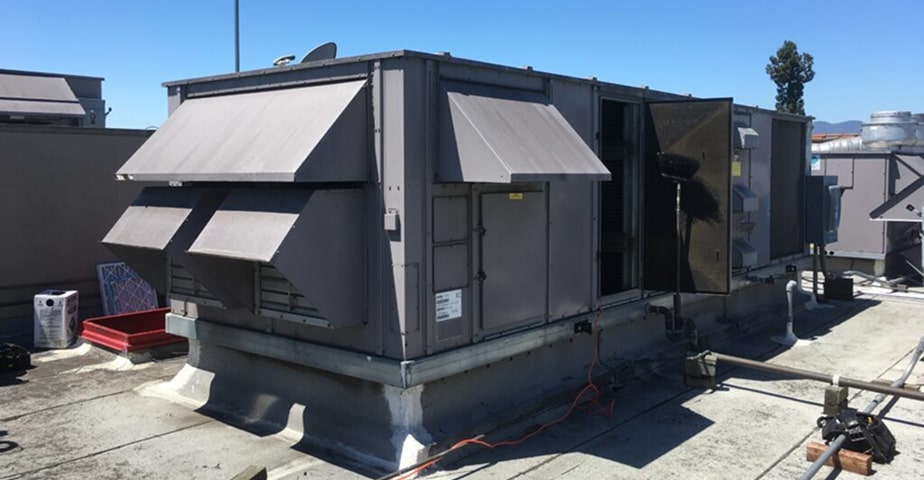
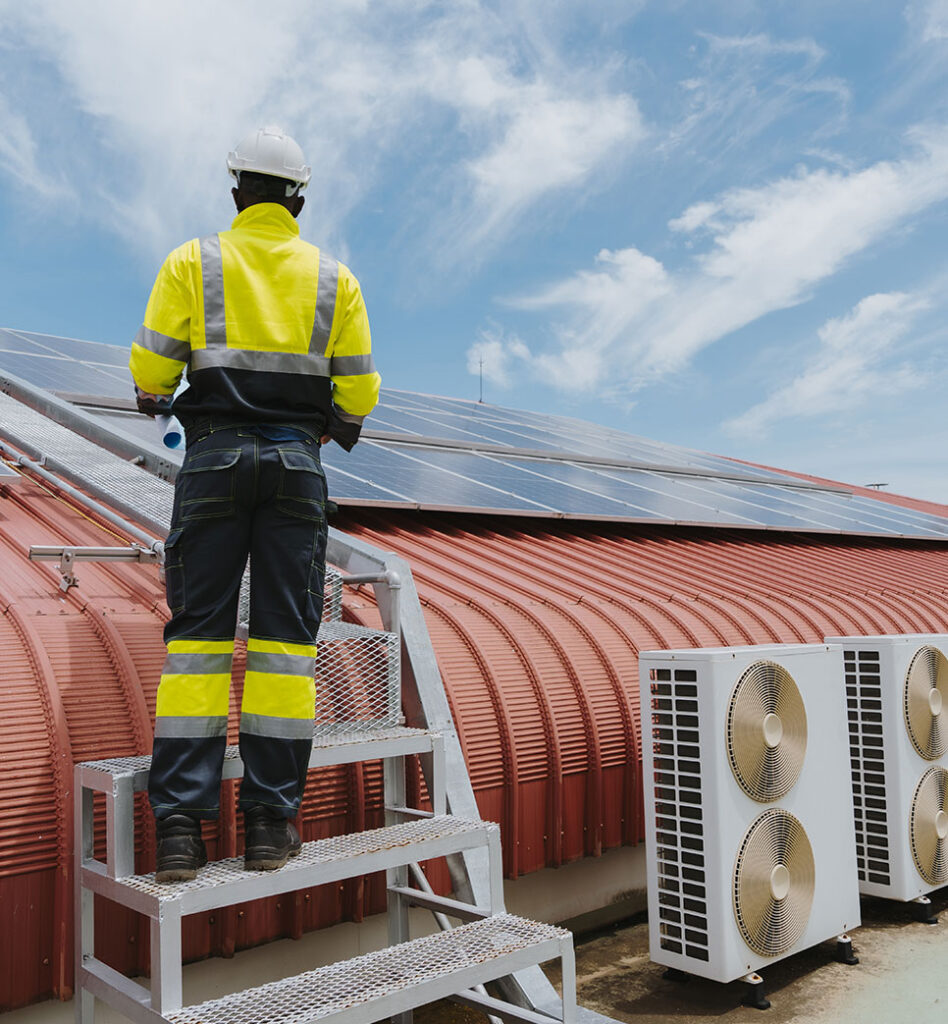
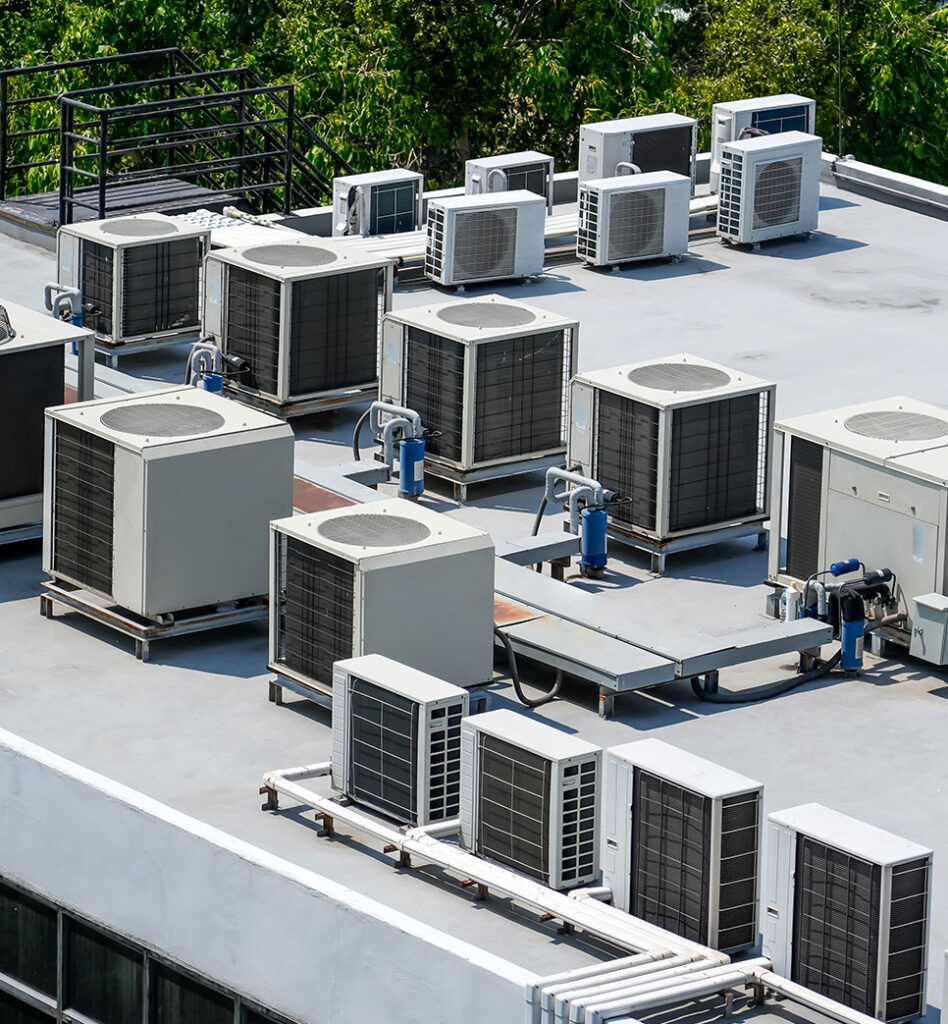
    Rooftop HVAC units, by their very nature, are central to this equation. These packaged systems contain all essential heating and cooling components—compressors, coils, fans, and sometimes even the ventilation system—in a single cabinet located on the roof. This design offers several inherent advantages for green building:

    • Space Optimization: Placing the unit on the roof frees up valuable interior space that can be used for other purposes, aligning with the resource efficiency principle of green design.
    • Reduced Noise: Locating mechanical equipment outside the occupied space significantly lowers indoor noise levels, contributing to a healthier and more productive indoor environment.
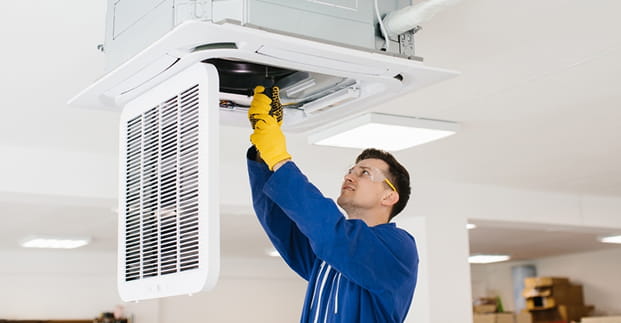
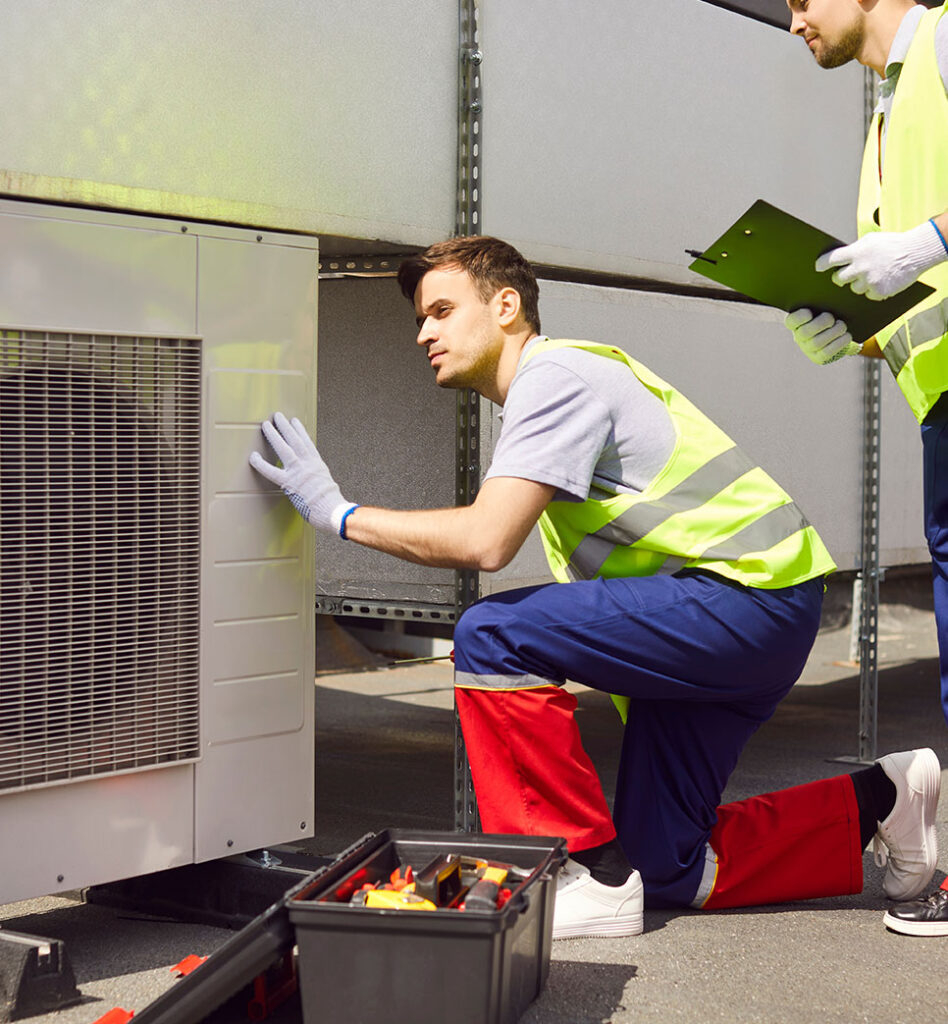
    • Ease of Access: Technicians can perform maintenance and repairs without disrupting business operations inside, facilitating the regular upkeep necessary for peak efficiency.

    However, the most significant contributions of RTUs to green building come from technological advancements in energy efficiency and system design. Modern, energy-efficient rooftop units are engineered to deliver superior comfort while consuming far less energy than their predecessors, making them a cornerstone of sustainable building operations.

    Driving Energy Efficiency from the Rooftop

    Energy efficiency is the most critical component of a green HVAC strategy. Lowering energy consumption directly reduces greenhouse gas emissions, decreases reliance on fossil fuels, and generates substantial operational savings. High-efficiency rooftop HVAC systems achieve these savings through a combination of advanced components and intelligent controls.

    High-Efficiency Components and Technologies

    The efficiency of an RTU is determined by the performance of its individual parts working together. Manufacturers have made significant strides in optimizing each element for maximum energy savings.

    • Variable-Speed and Multi-Stage Compressors: Traditional single-stage compressors operate on a simple on/off cycle, running at full capacity regardless of the actual heating or cooling demand. This is highly inefficient. Modern units often feature multi-stage or variable-speed compressors. Multi-stage compressors can run at different capacities (e.g., a low and high stage), allowing them to better match the building’s load. Variable-speed compressors take this a step further, adjusting their speed in precise increments to deliver the exact amount of cooling or heating needed. This ability to modulate performance drastically reduces energy waste, especially during periods of mild weather.
    • Variable-Frequency Drives (VFDs): VFDs are a game-changer for motor-driven components like condenser fans, evaporator fans, and compressors. By adjusting the electrical frequency supplied to the motor, a VFD controls its speed. This means fans don’t have to run at 100% all the time. On a cool day, the fan can slow down, consuming significantly less power. The energy savings are exponential; reducing a fan’s speed by 20% can cut its energy use by nearly 50%.
    • High-Efficiency Heat Exchangers: The heat exchanger is where the transfer of thermal energy occurs. Advanced rooftop units use larger, more efficient coil designs (condenser and evaporator coils) with greater surface area. Micro-channel heat exchangers, for example, use smaller tubes and enhanced fin designs to improve heat transfer while using less refrigerant. This not only boosts efficiency but also reduces the system’s environmental impact.
    • Economizers: An economizer is a device that utilizes cool, dry outdoor air for “free cooling” instead of running the energy-intensive compressor. When outdoor temperature and humidity are favorable, a damper opens to bring in outside air to cool the building. In many climates, this can eliminate the need for mechanical cooling for hundreds of hours per year, leading to enormous energy savings. Advanced economizer controls use sensors to make intelligent decisions about when to activate, ensuring they only operate under optimal conditions.

    Understanding Efficiency Ratings: SEER, EER, and IEER

    To compare the performance of different rooftop units, it’s essential to understand their efficiency ratings.

    • SEER (Seasonal Energy Efficiency Ratio): This rating measures cooling efficiency over an entire cooling season, accounting for temperature fluctuations. A higher SEER rating indicates greater efficiency.
    • EER (Energy Efficiency Ratio): This measures a unit’s cooling efficiency at a single, fixed outdoor temperature (typically 95°F). It provides a snapshot of performance under peak load conditions.
    • IEER (Integrated Energy Efficiency Ratio): This is the most important rating for modern commercial HVAC systems. Unlike EER, which measures performance at 100% capacity, IEER provides a weighted average of efficiency at four different capacity levels (100%, 75%, 50%, and 25%). Since most HVAC systems spend the majority of their operational hours at partial load, IEER offers a much more realistic picture of a unit’s real-world energy performance. High-efficiency rooftop units with variable-speed components excel in IEER ratings.

    For any organization serious about green building, selecting an RTU with the highest possible IEER rating is a crucial step. This ensures that the system is optimized for efficiency throughout its entire operating range, not just on the hottest days of the year. When considering a system upgrade, partnering with experienced professionals who understand these metrics is vital. Expert commercial HVAC services can help you evaluate different models and select a unit that delivers the best long-term value and sustainability.

    Sustainability Beyond Energy: Refrigerants, Materials, and IAQ

    A truly sustainable HVAC solution goes beyond just kilowatt-hours. Green building principles also emphasize the use of environmentally friendly materials, the reduction of harmful substances, and the creation of healthy indoor spaces. Modern rooftop HVAC systems address these goals in several important ways.

    The Shift to Sustainable Refrigerants

    Refrigerants are the lifeblood of an air conditioning system, but older types have been a major environmental concern. Chlorofluorocarbons (CFCs) and hydrochlorofluorocarbons (HCFCs), such as R-22, were found to deplete the ozone layer and have a high global warming potential (GWP). International agreements like the Montreal Protocol have led to their phase-out.

    Today’s high-efficiency rooftop units use more environmentally friendly refrigerants, primarily hydrofluorocarbons (HFCs) like R-410A. While R-410A does not deplete the ozone layer, it still has a significant GWP. The industry is now moving toward the next generation of refrigerants with even lower GWP, such as R-32 and hydrofluoroolefins (HFOs).

    When selecting a new rooftop HVAC system, choosing one that uses a low-GWP refrigerant is a key part of a forward-looking green building strategy. This not only reduces the building’s direct environmental impact but also helps “future-proof” the investment against upcoming regulations that will likely phase out higher-GWP refrigerants.

    Improving Indoor Air Quality (IAQ)

    Green buildings are healthy buildings. A central tenet of certifications like LEED and the WELL Building Standard is the importance of providing clean air for occupants. Poor indoor air quality can lead to a host of health issues, from allergies and asthma to reduced cognitive function, a phenomenon known as Sick Building Syndrome.

    Rooftop HVAC systems play a direct role in managing and improving IAQ.

    • Advanced Filtration: Modern RTUs can be equipped with high-MERV (Minimum Efficiency Reporting Value) filters that capture a wide range of airborne pollutants, including dust, pollen, mold spores, and bacteria. MERV ratings from 13 to 16 are often specified in green building projects to ensure superior air cleaning.
    • Ventilation and Outdoor Air Control: Proper ventilation is critical for flushing out indoor pollutants like volatile organic compounds (VOCs) and carbon dioxide (CO2). Rooftop units can incorporate sophisticated ventilation strategies, such as Demand-Controlled Ventilation (DCV). DCV systems use CO2 sensors to monitor occupancy levels in real-time. When CO2 levels rise, the system increases the intake of fresh outdoor air. When the space is empty, it reduces ventilation to save energy. This intelligent approach provides excellent IAQ while minimizing the energy penalty associated with conditioning large volumes of outdoor air.
    • Humidity Control: Maintaining proper indoor humidity (typically between 30% and 50%) is essential for both comfort and health. High humidity can promote the growth of mold and mildew, while low humidity can cause respiratory irritation. Advanced RTUs can include dehumidification and humidification options to maintain optimal humidity levels year-round, contributing to a healthier indoor environment.

    The Role of Rooftop HVAC in Green Building Certifications (LEED)

    For many organizations, achieving a green building certification like LEED (Leadership in Energy and Environmental Design) is the ultimate validation of their commitment to sustainability. LEED is a globally recognized, points-based system that evaluates a building’s performance across several key areas. A well-designed rooftop HVAC system can directly contribute points in multiple LEED credit categories.

    Energy and Atmosphere (EA)

    This is the most heavily weighted category in the LEED framework, and HVAC performance is central to it.

    • EA Prerequisite: Minimum Energy Performance: All LEED projects must demonstrate a minimum improvement in energy performance over a baseline standard (typically ASHRAE 90.1). Installing a high-efficiency rooftop unit with a strong IEER rating is fundamental to meeting this prerequisite.
    • EA Credit: Optimize Energy Performance: This credit awards significant points for achieving energy savings beyond the prerequisite. Buildings can earn up to 18 points (in LEED v4.1 for BD+C) based on the percentage of energy cost savings. A state-of-the-art rooftop HVAC system featuring variable-speed technology, economizers, and smart controls is one of the most effective strategies for maximizing points in this category. A commercial HVAC replacement from an old, inefficient unit to a modern one can be a primary driver for earning this credit.

    Indoor Environmental Quality (EQ)

    This category focuses on creating a healthy and comfortable indoor environment, another area where the RTU is critical.

    • EQ Prerequisite: Minimum Indoor Air Quality Performance: This requires meeting the minimum ventilation rates specified by ASHRAE Standard 62.1. A properly sized and configured rooftop unit is essential for compliance.
    • EQ Credit: Enhanced Indoor Air Quality Strategies: Points can be earned by implementing strategies that go beyond the minimum. This includes using MERV 13 or higher filters and monitoring outdoor airflow to ensure ventilation is always adequate.
    • EQ Credit: Thermal Comfort: This credit rewards systems that give occupants control over their thermal environment and meet the comfort standards of ASHRAE 55. RTUs with advanced zoning capabilities and variable-speed components can maintain more stable temperatures, reducing drafts and fluctuations, thereby improving occupant comfort and helping earn this credit.

    Materials and Resources (MR)

    This category addresses the environmental impact of building materials.

    • MR Credit: Building Life-Cycle Impact Reduction: While HVAC is a mechanical system, its refrigerant choice contributes to a building’s life-cycle assessment. Selecting a unit with low-GWP refrigerant can help reduce the building’s overall environmental impact, contributing to this credit.

    Achieving LEED certification is a complex process, but the message is clear: investing in a high-performance rooftop HVAC system is not just an operational decision, it’s a strategic move that directly supports and enables the highest levels of green building achievement.

    The Critical Importance of Maintenance for Sustainable Performance

    Installing a state-of-the-art, energy-efficient rooftop HVAC unit is a significant first step. However, its ability to support green building goals over the long term depends entirely on proper and consistent maintenance. Neglecting maintenance is one of the fastest ways to erase the benefits of a high-efficiency system.

    An unmaintained unit suffers from a range of problems that undermine its performance:

    • Reduced Efficiency: Dirty filters restrict airflow, forcing the fans to work harder and consume more energy. Clogged coils cannot transfer heat effectively, making the compressor run longer and less efficiently. Even a small drop in efficiency can translate into thousands of dollars in wasted energy costs over a year.
    • Decreased Lifespan: When a system has to work harder to compensate for dirty components or low refrigerant levels, it puts excessive strain on critical parts like the compressor and fan motors. This leads to premature wear and tear, increasing the likelihood of costly breakdowns and shortening the unit’s operational lifespan.
    • Poor Indoor Air Quality: Neglected filters and dirty, damp coils can become breeding grounds for mold, bacteria, and other allergens. These contaminants are then circulated throughout the building, compromising the health and well-being of occupants.
    • Unexpected Failures: Minor issues, such as a loose electrical connection or a worn belt, can go unnoticed without regular inspections. These small problems can cascade into major system failures, leading to unexpected downtime and expensive commercial HVAC repair.

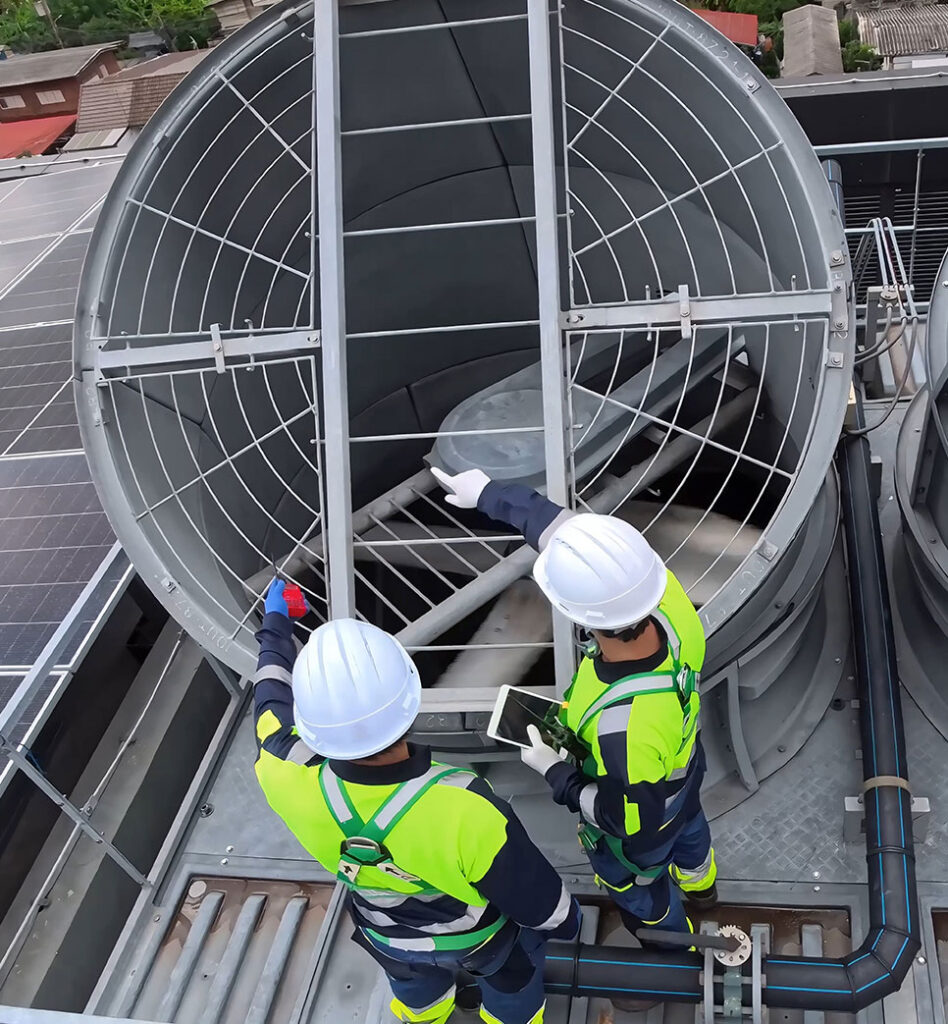
    A proactive, preventative maintenance plan is essential for ensuring your rooftop HVAC system continues to operate at the high-efficiency levels for which it was designed. A comprehensive maintenance program should include:

    • Regular inspection and replacement of air filters.
    • Cleaning of evaporator and condenser coils.
    • Inspection and cleaning of drain pans and lines to prevent mold growth.
    • Checking refrigerant levels and inspecting for leaks.
    • Testing electrical components and tightening connections.
    • Inspecting and lubricating motors and belts.
    • Verifying the proper operation of economizers and controls.

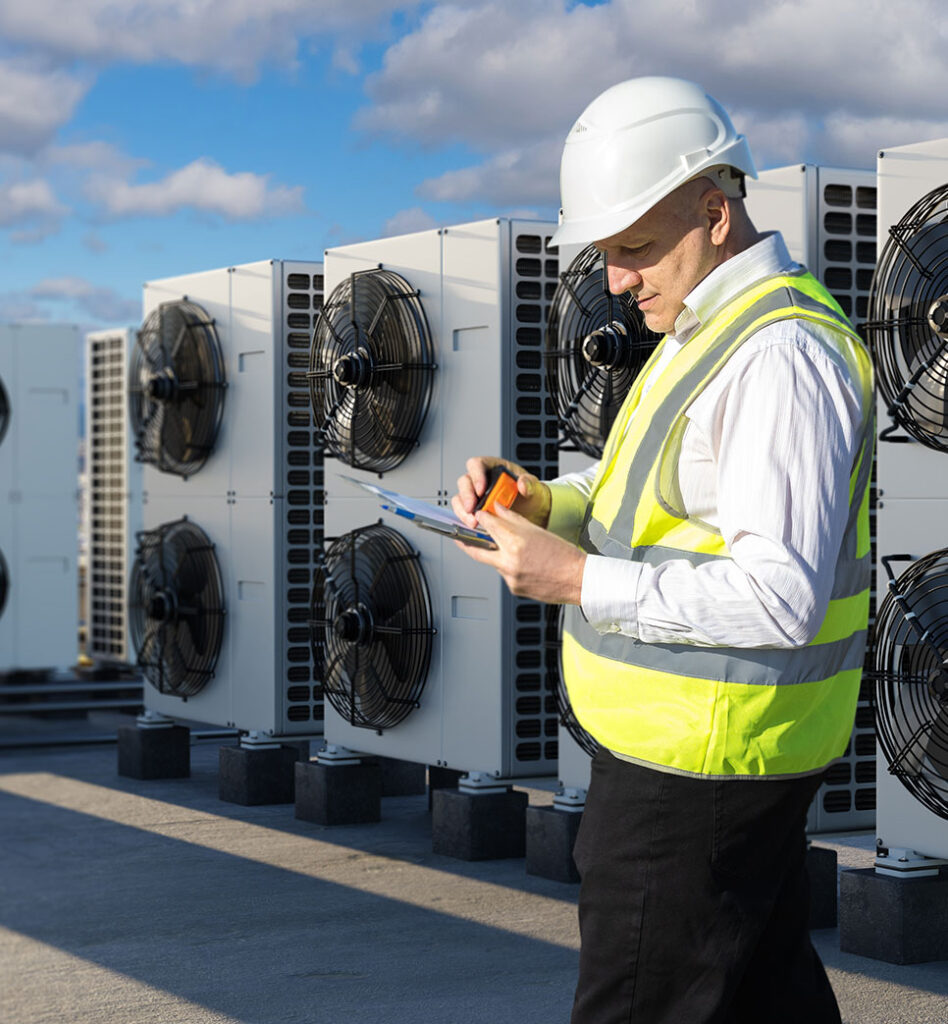
    Partnering with a qualified HVAC service provider to create a tailored maintenance agreement ensures that your investment is protected. This proactive approach not only supports your green building goals by keeping the system efficient but also provides a better return on investment by reducing energy costs, preventing costly repairs, and extending the life of the equipment.

    Making the Business Case for a Green HVAC Upgrade

    While the environmental benefits are clear, any decision to invest in a new rooftop HVAC system must also make financial sense. Upgrading to a high-efficiency RTU is not a cost but an investment with a tangible return. The business case rests on several key financial pillars:

    1. Lower Energy Bills: This is the most direct and immediate financial benefit. A modern, high-efficiency unit can reduce HVAC-related energy consumption by 30% to 50% or more compared to an older, standard-efficiency model. These savings accumulate year after year, directly improving the building’s net operating income.
    2. Rebates and Incentives: Federal, state, and local utility programs often offer significant rebates and tax credits for installing high-efficiency HVAC equipment. These incentives can substantially reduce the initial purchase and installation cost, shortening the payback period.
    3. Reduced Maintenance and Repair Costs: Older systems are prone to breakdowns and require more frequent repairs. A new unit under warranty eliminates the risk of unexpected, costly failures and reduces the overall maintenance burden.
    4. Increased Property Value and Marketability: Green buildings are in high demand. A LEED certification or even just a demonstrated commitment to energy efficiency can make a property more attractive to tenants and buyers. Certified green buildings often command higher rents and sale prices and experience lower vacancy rates.
    5. Enhanced Employee Productivity and Wellness: A building with superior indoor air quality and thermal comfort is a healthier and more productive place to work. Reduced absenteeism and improved cognitive function among employees translate into real, measurable value for any business.

    By combining these factors, it becomes clear that upgrading to an energy-efficient rooftop HVAC system is a financially prudent decision that aligns with both economic and environmental objectives.

    Conclusion: A Greener Future, One Rooftop at a Time

    Rooftop HVAC systems have evolved far beyond their original purpose of simple temperature control. Today, they are sophisticated, intelligent systems that lie at the very core of modern green building design and operation. Through advanced energy-saving technologies, the use of sustainable refrigerants, and a focus on creating healthy indoor environments, high-efficiency RTUs are indispensable tools for any organization looking to reduce its environmental footprint and create a better building.

    From helping to achieve prestigious LEED certifications to delivering significant, long-term operational savings, the benefits of investing in a modern rooftop HVAC system are comprehensive. However, realizing this potential requires a strategic approach—selecting the right unit, ensuring proper installation, and committing to a rigorous maintenance schedule.

    By embracing these advanced solutions, building owners and facility managers can turn their rooftops into powerful engines of sustainability, driving efficiency, promoting wellness, and contributing to a healthier planet.


    Stay Comfortable Year-Round With Expert HVAC Service

    Book a trusted technician to handle your heating or cooling issue—fast, professional, and done right the first time.

    Book Service Now
    Blog post Image
    Blog post Image
    Blog post Image

    Frequently Asked Questions

    How do I know when condensing unit replacement is better than repair?

    Consider replacement when repair costs exceed 50% of replacement cost, when units are over 12-15 years old, or when efficiency losses significantly increase energy bills. We provide cost-benefit analysis to help you make the right decision for your specific situation.

    What energy savings can I expect from a new high-efficiency condensing unit?

    Modern units typically achieve 20-40% energy savings compared to units installed before 2010. For a business spending $500 monthly on refrigeration energy, this represents $100-200 monthly savings that often pays for replacement within 3-5 years.

    How long does condensing unit replacement take?

    Most replacements take 1-3 days depending on unit size and installation complexity. We coordinate work around your business schedule to minimize disruption and can often provide temporary cooling during installation when necessary.

      Schedule Your Service

      Stay Comfortable Year-Round With Expert HVAC Service

      Book a trusted technician to handle your heating or cooling issue—fast, professional, and done right the first time.

      Schedule a FREE Discovery Call
      Close

      Schedule Your Service