I Want

    Residential HVACCommercial HVACRefrigerationEmergency HVAC


    Fast | No obligation

    How Often Should Commercial Rooftop HVAC Units Be Serviced?

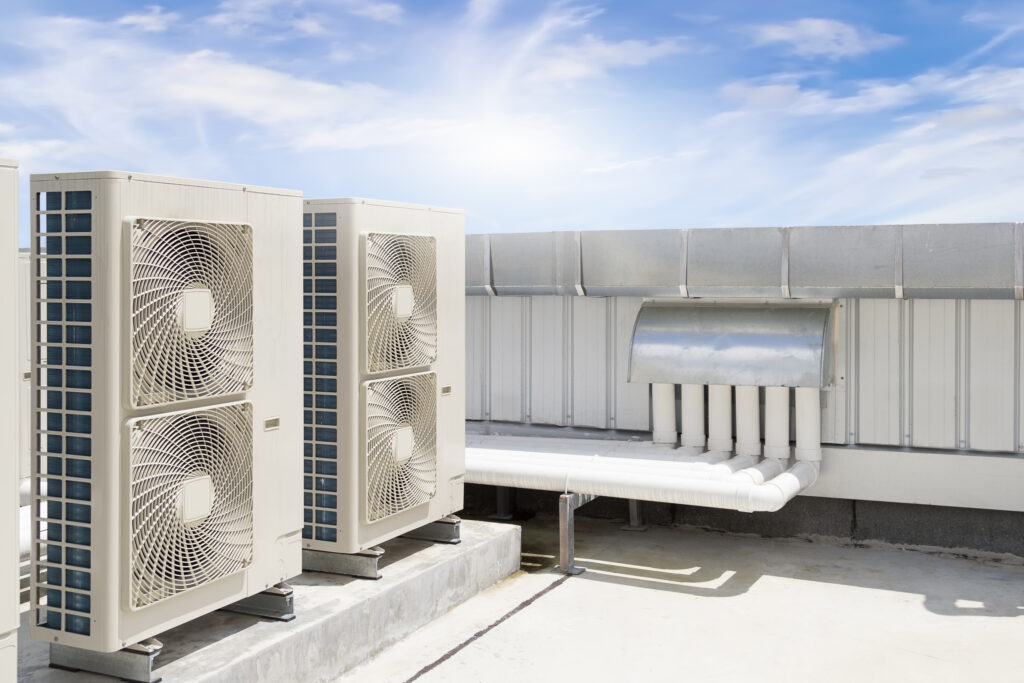
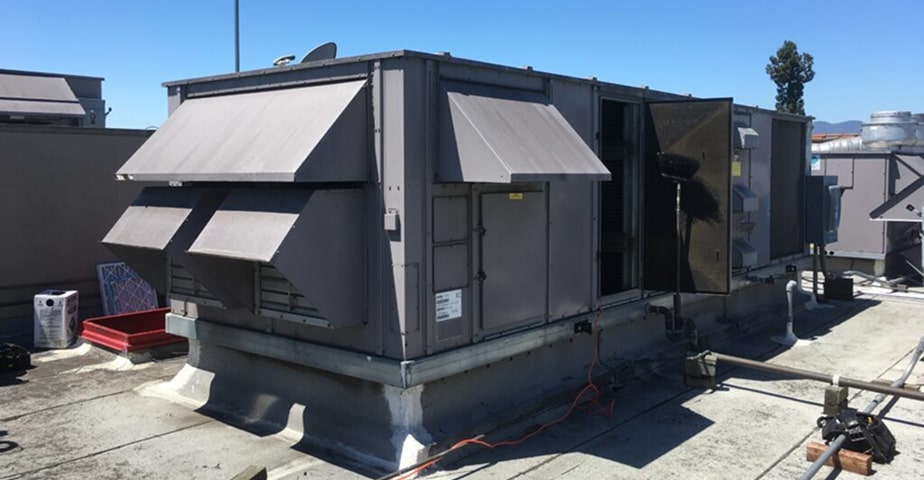
    Your commercial rooftop HVAC unit is a vital component of your business operations, quietly maintaining a comfortable environment for employees, customers, and sensitive equipment. While it’s easy to forget about this powerhouse on your roof, neglecting its service needs is a gamble that can lead to costly breakdowns and operational chaos. A common question facility managers and business owners ask is, “How often does it really need to be serviced?”

    The answer isn’t a simple one-size-fits-all number. The ideal service frequency depends on a variety of factors specific to your business and location. Sticking to a generic schedule might mean you’re either servicing too often, wasting resources, or not often enough, risking catastrophic failure.

    This guide will provide a deep dive into determining the perfect HVAC maintenance schedule for your rooftop unit. We will explore the critical factors that influence service frequency, outline what a comprehensive service visit entails, and explain the immense value of a consistent, professional maintenance plan for your business’s financial health and stability.

    The General Rule: A Starting Point for Your Schedule

    Most HVAC professionals and equipment manufacturers agree on a baseline recommendation for service: at a minimum, your commercial rooftop HVAC unit should be professionally serviced twice a year.

    Typically, this schedule involves:

    1. A Spring/Early Summer Visit: This tune-up prepares the system for the heavy demands of the cooling season. The focus is on ensuring the air conditioning components are clean, calibrated, and ready for peak performance during the hottest months.
    2. A Fall/Early Winter Visit: This visit prepares the system for the heating season. The technician will inspect and service the heating elements, check for safety issues like carbon monoxide risks, and ensure the unit is ready to provide reliable warmth.

    This biannual schedule is the absolute minimum for most businesses. However, considering it sufficient without a deeper analysis can be a mistake. Several crucial factors can demand a more frequent and robust maintenance plan, often requiring quarterly check-ups to ensure reliability and efficiency.

    Key Factors That Influence Service Frequency

    To move beyond the basic biannual model, you must assess the specific conditions your rooftop unit operates under. A system in a high-demand, harsh environment requires more attention than one with light usage in a mild climate. Let’s break down the critical factors that should shape your HVAC maintenance schedule.

    1. Usage Intensity and Business Type

    How hard your HVAC unit works is a primary determinant of its maintenance needs. A system running nearly 24/7 will experience more wear and tear than one operating eight hours a day, five days a week.

    • High-Demand Environments (Quarterly Service Recommended):
      • Restaurants and Commercial Kitchens: The air in these facilities is filled with grease, smoke, and heat, which can quickly clog filters and coat internal components. This buildup forces the system to work harder and can lead to premature failure.
      • Hospitals and Healthcare Facilities: Climate control is a matter of health and safety in these settings. Systems run constantly to maintain precise temperatures and air quality, making frequent inspections essential for reliability.
      • Data Centers and Server Rooms: The financial cost of downtime is astronomical. These specialized server room cooling services must run flawlessly 24/7/365 to prevent servers from overheating. Quarterly maintenance is non-negotiable.
      • 24-Hour Retail or Manufacturing: Facilities that never close place a constant load on their HVAC systems, accelerating wear on motors, belts, and compressors.
    • Standard-Demand Environments (Biannual Service is a Good Start):
      • Typical Office Buildings: Standard 9-to-5 operations mean the system gets a rest overnight and on weekends. A twice-yearly schedule is often adequate, provided other conditions are favorable.
      • Boutique Retail Shops: Stores with regular business hours and moderate foot traffic can typically adhere to a biannual plan.

    2. Environmental and Climate Conditions

    The external environment surrounding your rooftop unit plays a massive role in its health. Your geographical location and the immediate vicinity of the building dictate the kind of debris and stress the unit is exposed to.

    • Harsh Environments (Quarterly Service Recommended):
      • Coastal Areas: Salt in the air is highly corrosive and can rapidly degrade coils, electrical connections, and metal casings. Frequent cleaning and inspection are vital to prevent rust and corrosion-related failures.
      • Industrial Zones or Areas with High Pollution: Airborne pollutants, dust, and industrial byproducts can quickly coat and clog your system’s components, severely impacting efficiency and air quality.
      • Regions with Extreme Weather: Locations with scorching summers (like those in San Jose or Fremont) or frigid winters put immense, prolonged stress on HVAC units. These systems need to be in top condition before the peak season hits.
      • Buildings Surrounded by Trees: Leaves, seeds, pollen, and twigs can be pulled into the unit, clogging coils and condensate drains.
    • Mild Environments (Biannual Service May Suffice):
      • Temperate Climates: Areas without extreme temperature swings place less overall stress on the system.
      • Clean Suburban Areas: Less airborne debris means coils and filters stay cleaner for longer periods.

    3. Age and Condition of the HVAC Unit

    Just like any other piece of machinery, an HVAC unit’s maintenance needs increase as it gets older.

    • Newer Units (0-5 years): Following the manufacturer’s recommended biannual or quarterly schedule is crucial for maintaining the warranty. These units are less likely to have major issues, but regular service ensures they stay in pristine condition.
    • Mid-Life Units (5-12 years): This is a critical period. Components begin to show signs of wear. A consistent biannual or quarterly schedule can catch issues like worn belts, failing capacitors, and minor refrigerant leaks before they become major problems. Sticking to a proactive plan during these years is key to reaching the unit’s full lifespan.
    • Older Units (12+ years): Systems in this age bracket are living on borrowed time. They are less efficient and far more prone to failure. Quarterly service is highly recommended to keep the unit running, monitor its declining performance, and plan for an eventual commercial HVAC replacement. At this stage, maintenance is about maximizing the remaining life and preventing a surprise breakdown.

    4. Manufacturer’s Recommendations

    Always consult the owner’s manual for your specific rooftop unit. The manufacturer provides detailed guidelines for rooftop unit servicing, and failing to follow them can have serious consequences. Most importantly, your warranty may be voided if you cannot prove that the unit was serviced according to the manufacturer’s specified schedule by a qualified professional.

    What Does a Professional Service Visit Include?

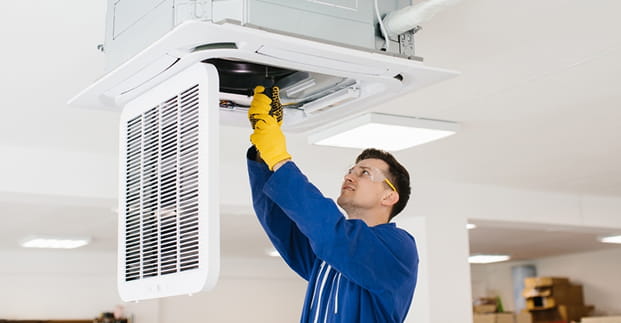
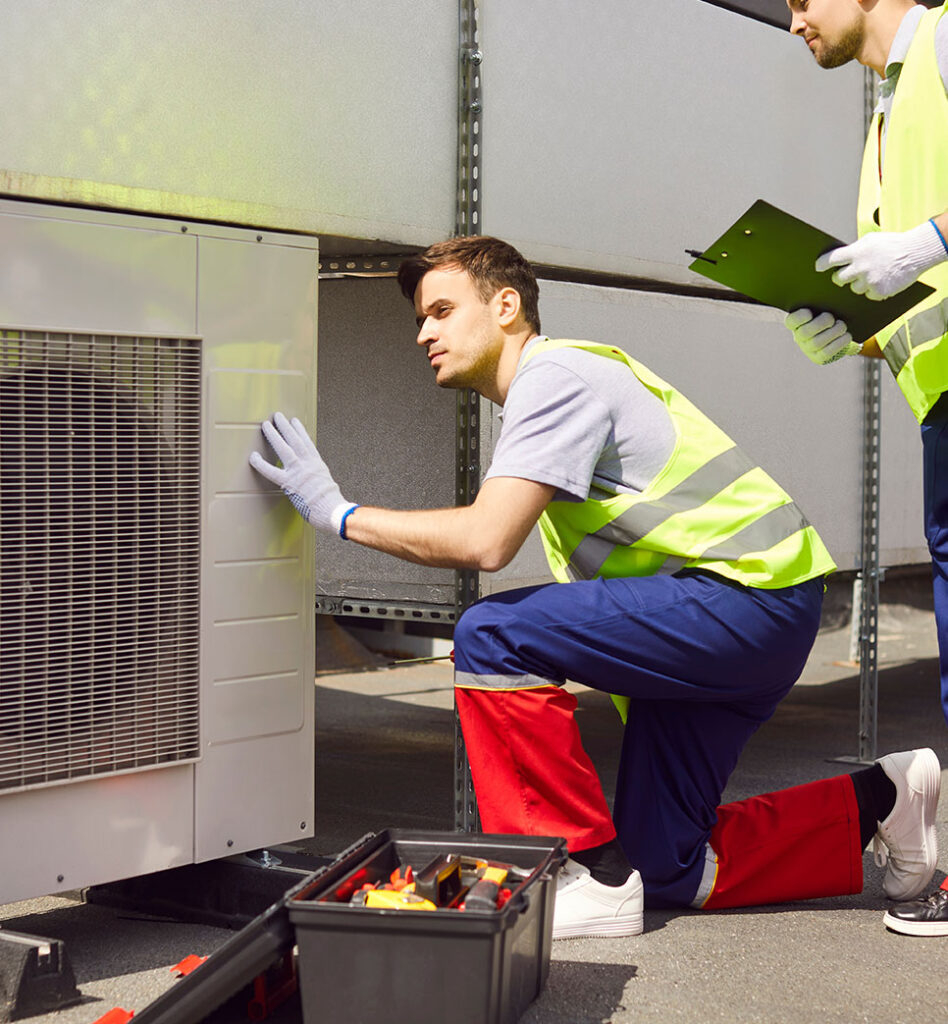
    Understanding what should happen during a maintenance visit helps you appreciate its value. A professional commercial HVAC maintenance plan is more than just changing a filter. It’s a comprehensive health check for your system.

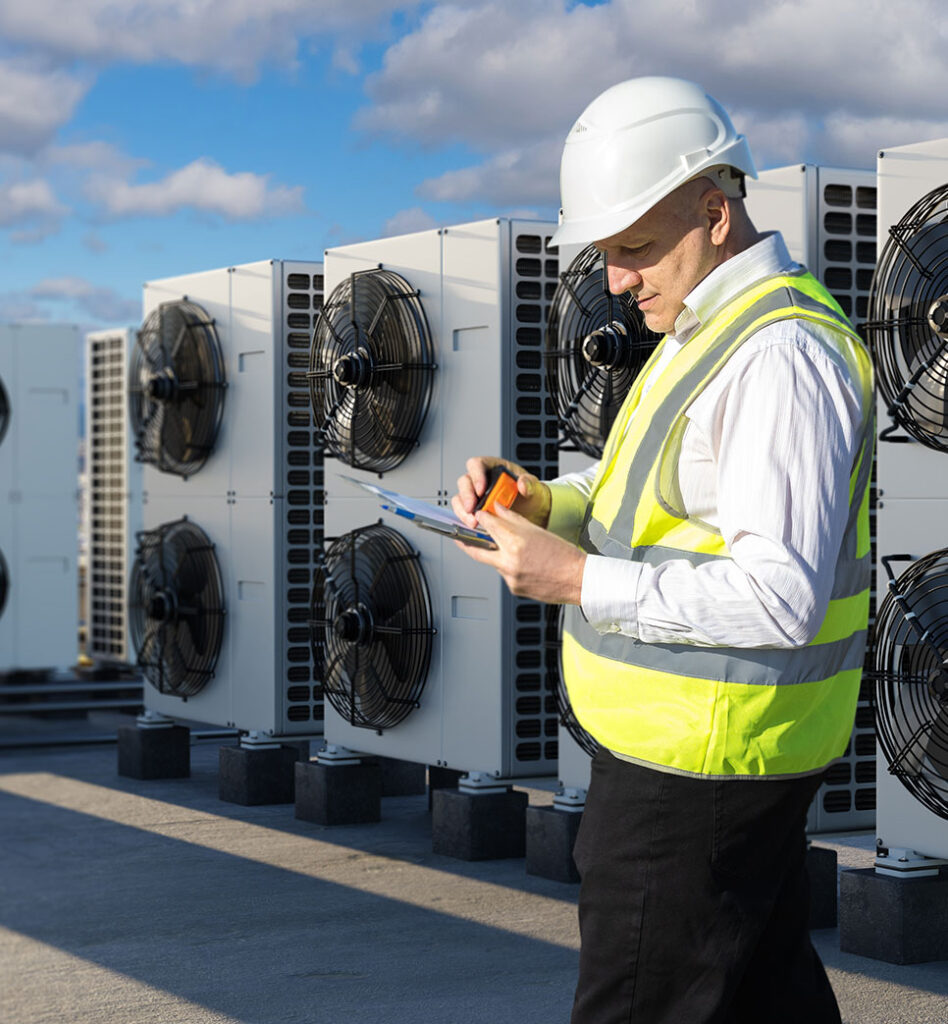
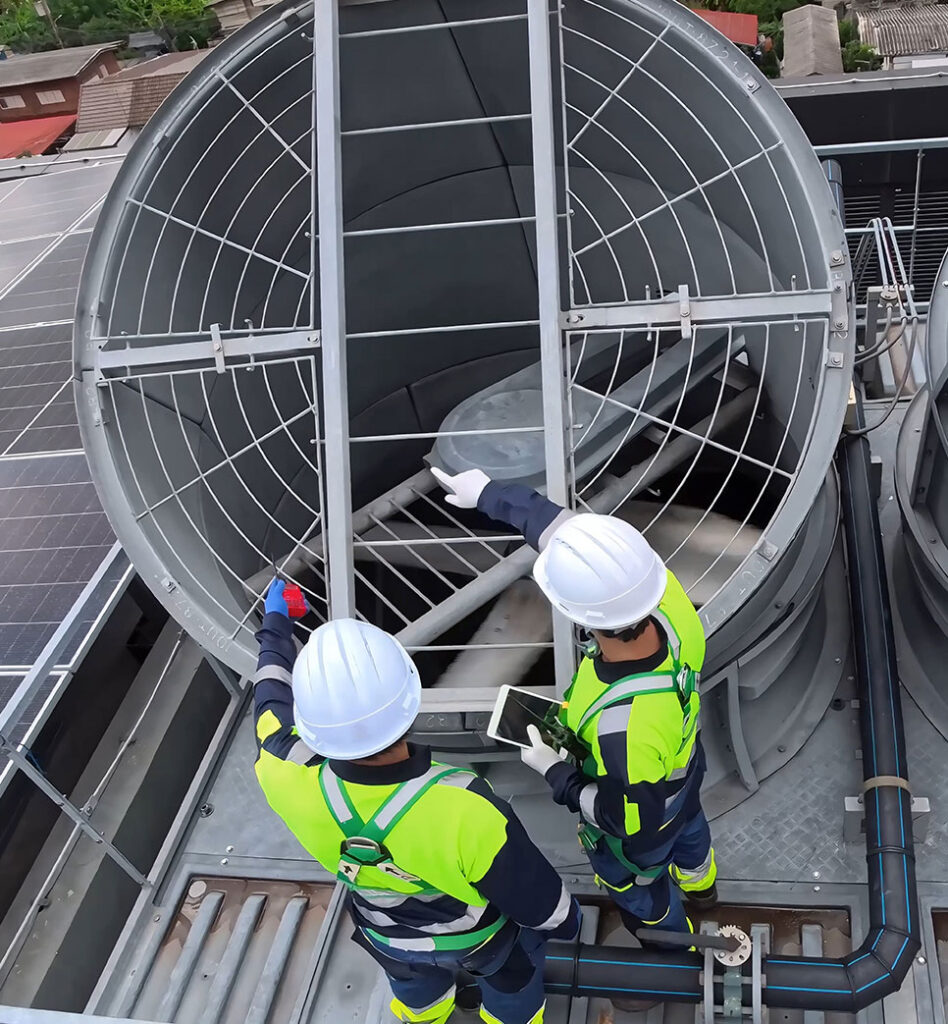
    A qualified technician will typically perform the following:

    Inspection and Cleaning:

    • Coil Cleaning: Inspect and thoroughly clean both the evaporator and condenser coils. Dirty coils are a leading cause of inefficiency and compressor failure.
    • Filter Replacement: Check and replace all air filters. This is one of the most important tasks for maintaining airflow and indoor air quality.
    • Drainage System: Inspect and clear the condensate drain lines and pans to prevent clogs, water overflow, and potential roof damage.
    • Cabinet and Panels: Check for signs of rust, damage, or loose panels that could compromise the unit’s integrity.

    Mechanical and Electrical Checks:

    • Fan Motor and Blades: Inspect for wear and tear, and lubricate moving parts as needed.
    • Belts and Pulleys: Check belt tension and look for cracks or signs of degradation.
    • Electrical Connections: Tighten all electrical connections and test voltage and amperage draws on motors and compressors. Loose connections are a fire hazard.
    • Capacitors and Contactors: Test these components to ensure they are within operational specifications. A weak capacitor can lead to compressor or motor failure.

    Refrigerant and Performance Testing:

    • Refrigerant Levels: Check the refrigerant charge. Both undercharged and overcharged systems run inefficiently and are at risk of damage.
    • System Calibration: Calibrate thermostats and control systems to ensure accurate temperature readings and efficient operation.
    • Performance Evaluation: Run the system through a full cycle to monitor its performance, listen for unusual noises, and ensure it is heating and cooling effectively.

    At the end of the visit, you should receive a detailed report outlining the work performed, the current condition of your unit, and any recommendations for necessary repairs or upcoming concerns. This documentation is your proof of maintenance for warranty purposes and your guide for future budgeting.

    The Undeniable Benefits of a Consistent Service Schedule

    Investing in a regular HVAC maintenance schedule is not an expense; it is one of the most effective cost-control strategies a business can implement.

    1. Drastically Reduced Risk of Unexpected Breakdowns

    The most immediate benefit is the prevention of sudden, costly failures. A technician can identify a failing capacitor (a $200 fix during a planned visit) before it takes out your compressor (a $5,000+ commercial HVAC repair). This proactive approach protects you from the chaos of business downtime and the high cost of emergency HVAC services.

    2. Significant Energy Savings

    According to the Department of Energy, regular HVAC maintenance can reduce energy consumption by 15-20%. A clean, well-calibrated system doesn’t have to work as hard to heat or cool your space. The savings on your monthly utility bills can often be enough to completely offset the cost of the maintenance plan itself.

    3. Extended Equipment Lifespan

    A commercial rooftop unit is a major capital investment expected to last 15-20 years. A reactive “run-to-failure” approach can cut that lifespan in half. Regular maintenance minimizes wear and tear on critical components, allowing your unit to reach and even exceed its projected operational life, delaying a massive replacement cost for years.

    4. Improved Indoor Air Quality

    Clogged filters and dirty coils become breeding grounds for mold, bacteria, and other allergens. These contaminants are then circulated throughout your building, potentially affecting the health of employees and customers. Regular cleaning and filter changes are essential for providing a clean, healthy, and comfortable indoor environment.

    5. Maintained Warranty Coverage

    As mentioned, manufacturers require proof of regular maintenance to honor a warranty claim. If your five-year-old unit suffers a major component failure and you have no service records, you could be on the hook for the entire repair bill, even if the part was faulty.

    Conclusion: Create Your Custom Maintenance Schedule Today

    While a biannual service is a universal starting point, the optimal commercial rooftop HVAC service frequency is unique to your business. A thorough evaluation of your usage, environment, and equipment age is necessary to build a truly effective maintenance strategy. For many businesses, especially those in demanding industries or harsh climates like those in Palo Alto or Los Gatos, a quarterly service schedule is the wisest investment.

    Don’t leave the reliability of your business’s climate control to chance. The cost of a proactive maintenance plan is minimal compared to the enormous financial and operational expenses of a sudden system failure. Consult with a trusted commercial HVAC professional to assess your specific needs and create a customized service schedule. It’s a strategic decision that protects your assets, lowers your operating costs, and provides invaluable peace of mind.


    Stay Comfortable Year-Round With Expert HVAC Service

    Book a trusted technician to handle your heating or cooling issue—fast, professional, and done right the first time.

    Book Service Now
    Blog post Image
    Blog post Image
    Blog post Image

    Frequently Asked Questions

    How do I know when condensing unit replacement is better than repair?

    Consider replacement when repair costs exceed 50% of replacement cost, when units are over 12-15 years old, or when efficiency losses significantly increase energy bills. We provide cost-benefit analysis to help you make the right decision for your specific situation.

    What energy savings can I expect from a new high-efficiency condensing unit?

    Modern units typically achieve 20-40% energy savings compared to units installed before 2010. For a business spending $500 monthly on refrigeration energy, this represents $100-200 monthly savings that often pays for replacement within 3-5 years.

    How long does condensing unit replacement take?

    Most replacements take 1-3 days depending on unit size and installation complexity. We coordinate work around your business schedule to minimize disruption and can often provide temporary cooling during installation when necessary.

      Schedule Your Service

      Stay Comfortable Year-Round With Expert HVAC Service

      Book a trusted technician to handle your heating or cooling issue—fast, professional, and done right the first time.

      Schedule a FREE Discovery Call
      Close

      Schedule Your Service