I Want

    Residential HVACCommercial HVACRefrigerationEmergency HVAC


    Fast | No obligation

    How Long Does It Take to Install a Rooftop HVAC Unit?

    Time is the one resource a business can never recover. In the commercial world, every hour of downtime translates to lost revenue, decreased productivity, or dissatisfied customers. So, when the conversation turns to installing or replacing a commercial rooftop HVAC unit (RTU), the first question is almost always: “How long is this going to take?”

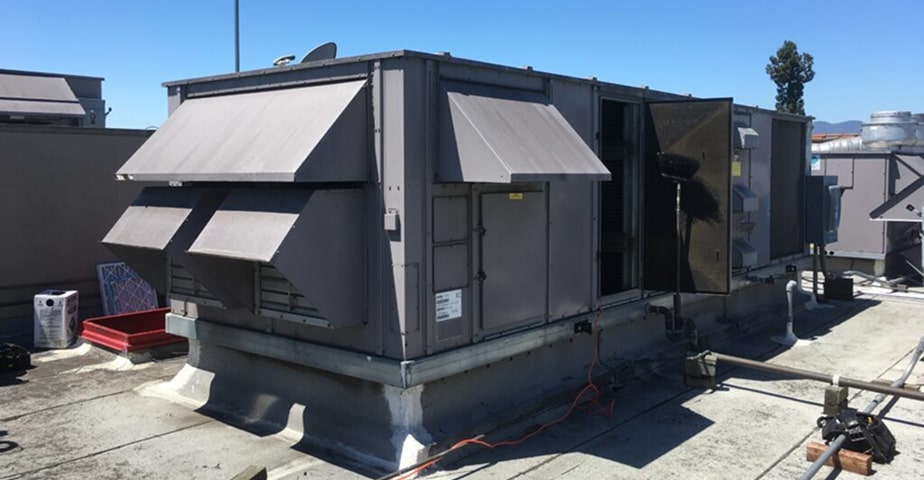
    It is a fair question. You see a massive crane, a crew of technicians, and a gaping hole in your roof, and it’s natural to worry about prolonged disruption. The good news is that the actual physical installation—the part where the crane lifts the unit—is often surprisingly fast. However, the entire project timeline, from the moment you sign the contract to the moment cool air flows through your vents, is a multi-phase process that involves much more than just heavy lifting.

    Understanding this timeline is crucial for facility managers and business owners. It allows you to plan around the disruption, manage employee expectations, and ensure business continuity. Whether you are building a new facility or engaging in a commercial HVAC replacement service, this guide will break down the clockwork of a rooftop installation, helping you navigate the schedule with confidence.

    The Short Answer vs. The Real Answer

    If you want the short answer: The physical replacement of a unit typically takes between 4 to 8 hours per unit. In many cases, a skilled crew can swap out a standard rooftop unit in a single day, minimizing downtime to just a few hours of business operations.

    However, the “real” answer covers the entire lifecycle of the project, which can span several weeks or even months depending on equipment availability and permitting. The timeline is generally divided into four distinct phases:

    1. Assessment and Planning (1-2 Weeks)
    2. Procurement and Logistics (2-12 Weeks)
    3. The Installation Day (1 Day)
    4. Commissioning and Handoff (1-2 Days)

    Let’s dismantle these phases to understand where the time goes and how professional contractors streamline the process.

    Phase 1: Assessment and Planning (1-2 Weeks)

    Before a wrench is turned, a significant amount of data must be gathered. This phase is critical; rushing it is the primary cause of delays later in the project.

    The Site Survey (Day 1-3)

    Once you contact a provider for commercial HVAC services, a lead technician or project manager will visit your site. This isn’t a quick glance. They need to document:

    • Existing Equipment: Model numbers, serial numbers, and physical dimensions of the current unit.
    • Structural Conditions: The condition of the roof curb, the roof membrane, and the underlying structural support.
    • Access Routes: Where can a crane park? Are there overhead power lines? Is there a freight elevator for smaller tools?
    • Electrical Capacity: Does the current electrical disconnect meet the amperage requirements of modern, high-efficiency units?

    Load Calculation and Engineering (Day 3-7)

    You cannot simply assume the new unit should be the same size as the old one. If your business has changed—added more employees, installed new servers, or renovated the layout—the heating and cooling load has changed. Engineers perform a “Manual N” calculation (the commercial standard) to determine the precise tonnage required.

    Simultaneously, if the unit is heavy or the roof is old, a structural engineer may need to review building blueprints to certify load-bearing capacity. This engineering review ensures safety but adds a few days to the front end of the schedule.

    Proposal and Approval (Day 7-14)

    The contractor compiles the data into a proposal outlining the scope of work, the equipment selection, and the price. Once you review and sign this contract, the clock officially starts on the physical project.

    Phase 2: Procurement and Logistics (The Variable Phase)

    This is the phase with the most variance. The timeline here is largely dictated by supply chains and local government bureaucracy.

    Equipment Lead Times (2 to 12+ Weeks)

    In a perfect world, the unit you need is sitting in a local warehouse, ready for delivery tomorrow. For standard 3-to-10-ton package units, this is often true. You might see a lead time of 1 to 2 weeks.

    However, for specialized equipment, such as large 50-ton VAV (Variable Air Volume) units, custom-built makeup air units, or specific high-efficiency models required by new energy codes, the unit must be manufactured to order. Factory lead times can range from 4 weeks to 12 weeks, or even longer during periods of high demand or supply chain disruption.

    Pro Tip: If you know your unit is aging, do not wait for it to fail. Initiating a planned replacement allows you to navigate these lead times without the pressure of an emergency. If you are in a crisis, emergency HVAC services can sometimes expedite shipping or source temporary rental cooling, but this significantly increases costs.

    Permitting (1 to 4 Weeks)

    You cannot legally install a commercial HVAC unit without a permit. The contractor submits plans to the local building department. The review process varies wildly by city. Some municipalities offer “over-the-counter” permits for simple replacements, taking only a day. Others require a full plan review that can take a month.

    Crane and Traffic Logistics (1 to 2 Weeks)

    While waiting for the unit, the project manager coordinates the heavy lifting.

    • Crane Rental: Cranes are booked in advance.
    • Street Use Permits: If the crane needs to park on a public street or block a sidewalk, the city requires a traffic control plan and a separate permit. This process typically takes about 10 business days.
    • FAA Notification: If your building is near an airport, you may need to file a flight path notification for the crane boom, which can add time.

    Phase 3: The Installation Day (1 Day)

    This is the “main event.” When clients ask how long the installation takes, this is usually the day they are thinking about. For a standard single-unit replacement, the timeline is tight and highly choreographed.

    6:00 AM – 7:00 AM: Site Setup and Safety

    The crew arrives early. Their first priority is safety and protection.

    • Barricades and caution tape are set up around the lift zone.
    • Plywood is laid down on the roof to protect the membrane from foot traffic and tools.
    • Interior crews enter the building to cover desks or merchandise directly under the unit to catch any falling dust or debris when the unit is lifted.

    7:00 AM – 8:00 AM: Decommissioning

    The old unit is disconnected.

    • Electrical: Power is shut off at the main breaker and the disconnect switch. Wiring is removed.
    • Gas: Gas lines are shut off, disconnected, and capped.
    • Ductwork: The connection between the unit and the ductwork is severed.
    • Refrigerant: If the unit is being scrapped, refrigerant is recovered into tanks according to EPA regulations. This step might have been done the day prior to save time.

    8:00 AM – 9:00 AM: The Crane Arrival and Lift

    The crane arrives and sets up. This involves deploying outriggers for stability and rigging the old unit.

    • The Removal: The old unit is lifted off the curb and lowered onto a flatbed truck for disposal.
    • Curb Prep: Once the old unit is gone, the crew has a brief window to inspect the roof curb. They clean the surface, apply new gasket material (a foam seal that prevents air and water leaks), and install a “curb adapter” if the new unit has a different footprint than the old one. This prep work is crucial and takes about 30-45 minutes.

    9:00 AM – 10:00 AM: Setting the New Unit

    The new unit is hoisted. It is guided by technicians on the roof using taglines. It is lowered gently onto the curb adapter. Once it is seated and secured, the crane is often dismissed. The heavy lifting is done.

    10:00 AM – 3:00 PM: Connections and Reassembly

    Now the technicians connect the new machine to the building’s infrastructure.

    • Electrical: High-voltage power is reconnected. Often, new disconnect switches and fuses are installed to match the new unit’s specs.
    • Gas Piping: The gas line is re-plumbed to meet the new unit’s inlet location. A new sediment trap (drip leg) is installed.
    • Condensate Drains: A new P-trap and drain line are installed to carry water away from the unit.
    • Control Wiring: The thermostat wires are connected. In modern systems, this might involve running new shielded cable for digital communication.
    • Economizer Setup: The economizer hood (which allows fresh air intake) is assembled and installed.

    3:00 PM – 5:00 PM: Initial Startup

    By late afternoon, the unit is ready to run. The technicians turn the power on and perform an initial check. Does the fan spin the right way? Is the compressor engaging? If it runs, they clean up the site and pack out.

    Total Time on Site: Approximately 8 to 10 hours.

    Phase 4: Commissioning and Handoff (1-2 Days)

    Just because the unit is running doesn’t mean the job is done. “Commissioning” is the process of fine-tuning the system to ensure it operates at peak efficiency. This might happen immediately after installation or on the following day.

    Detailed Testing (2-4 Hours)

    Technicians return to perform rigorous tests:

    • Air Balancing: They measure the airflow at the supply registers to ensuring every room gets the calculated amount of air.
    • Refrigerant Charge: They check superheat and subcooling levels to ensure the cooling cycle is optimized.
    • Thermostat Programming: They set up the schedules, Wi-Fi connections, and setpoints according to your business hours.

    The Inspection (Varies)

    A city inspector must visit to sign off on the permit. This usually happens a few days after installation. The inspector checks the gas connections, electrical grounding, and structural anchorage. While this doesn’t stop you from using the unit, the project isn’t legally “closed” until this signature is obtained.

    Factors That Can Extent the Timeline

    While the one-day installation is the standard, several variables can stretch the timeline.

    1. Structural Reinforcement

    If the engineering report determines that the existing roof cannot support the weight of the new unit, structural modifications are needed. Steel dunnage may need to be fabricated and installed before the unit arrives. This can add 3 to 5 days of on-site work.

    2. Custom Fabrication

    If the ductwork doesn’t align and a standard curb adapter won’t work, custom sheet metal transitions must be fabricated. While much of this is done in the shop, complex on-site modifications can add 1 to 2 days to the installation phase.

    3. Weather Delays

    Crane safety is strictly regulated. High winds, lightning, or heavy rain will ground a crane instantly. If the weather turns on installation day, the lift must be rescheduled. This is a safety non-negotiable.

    4. Asbestos Abatement

    In older buildings (pre-1980s), the mastic used to seal the old ductwork or curb might contain asbestos. If discovered, work stops immediately. A certified abatement team must come in to safely remove the hazardous material, which can add 3 to 7 days to the schedule.

    5. Multi-Unit Projects

    Replacing one unit takes a day. Replacing ten units on a shopping mall roof is a different beast. While economies of scale help (the crane stays on site), a large project is typically broken into phases to keep parts of the building operational. A full multi-unit overhaul might take 1 to 2 weeks of continuous on-site work.

    How to Speed Up the Process

    As a building owner, you have some control over the speed of the project.

    Be Decisive During Planning

    The biggest delays often happen during the approval phase. Taking three weeks to decide between two equipment brands pushes your delivery date back by three weeks. Once the proposal is in hand, quick decision-making locks in your equipment and gets the permit process moving.

    Clear the Way

    On installation day, ensure the team has clear access.

    • Unlock gates and roof hatches.
    • Clear the parking lot where the crane needs to sit.
    • Notify tenants or employees so they aren’t surprised by the noise.
    • Provide contact info for maintenance staff who can grant access to electrical rooms.

    Keep Up with Maintenance

    It sounds counter-intuitive, but regular maintenance speeds up replacement. A unit that has received regular commercial HVAC repair services usually has a well-documented history, cleaner surroundings, and accessible disconnects, making the swap-out smoother than replacing a neglected, rusted-out hulk.

    The Cost of Rushing

    It is tempting to pressure contractors to “just get it done.” However, rushing a rooftop installation is a recipe for disaster. Skipping the load calculation can result in a unit that short-cycles and dies early. Skipping the permit can lead to fines and insurance issues. Rushing the commissioning means you pay for high-efficiency equipment but get low-efficiency performance.

    Professional contractors work quickly, but they do not hurry. They follow a process designed to protect your building and your investment.

    Conclusion: A Predictable Disruption

    So, how long does it take?

    • Planning and Permitting: 2 to 6 weeks.
    • Equipment Wait Time: 2 to 12 weeks (concurrent with permitting).
    • Site Installation: 1 day per unit.
    • Testing and Inspection: 1 to 3 days post-install.

    For most businesses, the painful part—the noise, the crane, the technicians walking through the halls—is extremely brief, often lasting less than 24 hours. The rest is invisible logistics handled by your partner.

    By understanding this timeline, you can stop fearing the downtime and start planning for the upgrade. A modern rooftop unit offers better air quality, lower energy bills, and reliable comfort. It is a short-term project with long-term rewards.

    If you are considering an upgrade or need an assessment of your current timeline, contact our team. We specialize in efficient, high-quality commercial HVAC services designed to get your business back to business as usual—fast.


    Stay Comfortable Year-Round With Expert HVAC Service

    Book a trusted technician to handle your heating or cooling issue—fast, professional, and done right the first time.

    Book Service Now
    Blog post Image
    Blog post Image
    Blog post Image

    Frequently Asked Questions

    How do I know when condensing unit replacement is better than repair?

    Consider replacement when repair costs exceed 50% of replacement cost, when units are over 12-15 years old, or when efficiency losses significantly increase energy bills. We provide cost-benefit analysis to help you make the right decision for your specific situation.

    What energy savings can I expect from a new high-efficiency condensing unit?

    Modern units typically achieve 20-40% energy savings compared to units installed before 2010. For a business spending $500 monthly on refrigeration energy, this represents $100-200 monthly savings that often pays for replacement within 3-5 years.

    How long does condensing unit replacement take?

    Most replacements take 1-3 days depending on unit size and installation complexity. We coordinate work around your business schedule to minimize disruption and can often provide temporary cooling during installation when necessary.

      Schedule Your Service

      Stay Comfortable Year-Round With Expert HVAC Service

      Book a trusted technician to handle your heating or cooling issue—fast, professional, and done right the first time.

      Schedule a FREE Discovery Call
      Close

      Schedule Your Service