I Want

    Residential HVACCommercial HVACRefrigerationEmergency HVAC


    Fast | No obligation

    How HVAC Maintenance Prevents Business Downtime

    For any business, the concept of “downtime” is a critical threat. It represents lost revenue, stalled productivity, and a damaged reputation. While managers often focus on IT systems or supply chain issues as primary causes of downtime, a far more common culprit sits silently on the roof: the commercial HVAC system. An unexpected HVAC failure can bring a business to a grinding halt, especially during peak weather conditions.

    The good news is that this form of operational paralysis is almost entirely preventable. The key lies in shifting from a reactive “fix it when it breaks” mindset to a proactive strategy of regular, professional maintenance. This guide will detail how consistent rooftop HVAC maintenance benefits your business by ensuring HVAC system reliability and, most importantly, helping you prevent business downtime that could cripple your operations.

    The High Cost of Unplanned Downtime

    Before exploring the solution, it’s essential to understand the true cost of an HVAC failure. The financial impact extends far beyond the price of an emergency repair call. When your climate control system fails, it triggers a cascade of negative consequences that affect every aspect of your business.

    1. Direct Loss of Revenue

    For many businesses, a comfortable environment is not a luxury; it’s a prerequisite for commerce.

    • Retail Stores: Customers will not linger or shop in a store that is freezing cold or swelteringly hot. They will leave immediately, likely heading straight to a competitor with a functioning AC or heater.
    • Restaurants and Cafes: An uncomfortable dining room empties out quickly. A kitchen that becomes dangerously hot can force a complete shutdown to comply with health and safety regulations.
    • Hotels and Hospitality: Guest comfort is the entire business model. An HVAC failure can lead to refunded rooms, negative online reviews, and long-term damage to the hotel’s reputation.

    2. Plummeting Employee Productivity

    Your employees cannot perform their best work in a harsh environment. An office that is too hot or cold is more than just a minor inconvenience; it’s a major distraction that directly impacts focus, morale, and output. Studies have consistently shown that when office temperatures fall outside the optimal range, productivity drops significantly. In severe cases, businesses may have to send employees home, halting all work and effectively paying staff for a day of zero productivity.

    3. Damage to Inventory and Equipment

    Many businesses handle products or rely on equipment that is sensitive to temperature and humidity.

    • Grocery Stores and Restaurants: A failure in a building’s HVAC can put extra strain on commercial refrigeration systems. More critically, for businesses like bakeries or produce markets, ambient temperature is key to product quality. Spoilage can lead to thousands of dollars in lost inventory.
    • Data Centers and Server Rooms: This is the ultimate high-stakes environment. Servers generate immense heat and require constant, powerful cooling to function. An HVAC failure can cause servers to overheat in minutes, leading to automatic shutdowns, permanent hardware damage, and catastrophic data loss. The cost of downtime for tech companies can run into millions of dollars per hour. Investing in specialized server room cooling services maintenance is non-negotiable.
    • Healthcare and Laboratories: Medical supplies, pharmaceuticals, and biological samples often require storage within strict temperature ranges. An HVAC failure can render these critical materials useless, compromising patient care and research.

    4. Safety Risks and Liability

    A neglected HVAC system can become a safety hazard. Frayed electrical wiring from components straining under pressure is a fire risk. In heating systems, a cracked heat exchanger—a common issue in unmaintained units—can leak deadly carbon monoxide into your building. The liability and tragedy resulting from such an incident are immeasurable.

    Proactive Maintenance: Your Strategy to Prevent Downtime

    The most effective way to prevent business downtime from an HVAC failure is through a robust, professional maintenance program. A proactive commercial HVAC maintenance plan is designed to identify and resolve small issues before they can escalate into system-crippling emergencies. Here’s how this strategy directly enhances HVAC system reliability.

    Catching Problems Before They Start

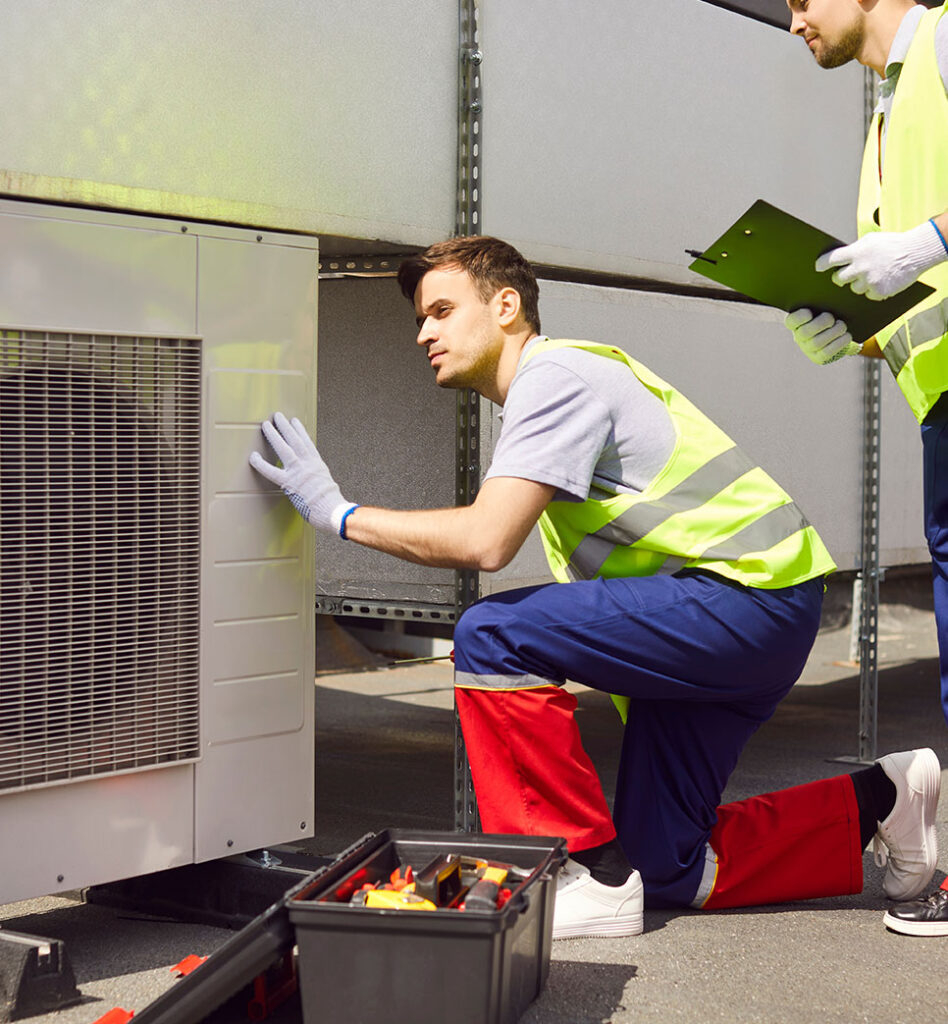
    A trained HVAC technician performing routine maintenance is like a detective looking for clues. They aren’t just cleaning parts; they are conducting a comprehensive diagnostic assessment.

    • Electrical Diagnostics: Technicians measure the electrical draw (amperage) of motors and compressors. An abnormally high reading indicates a component is struggling and likely nearing failure. This allows for a scheduled, low-cost replacement instead of a sudden burnout.
    • Component Testing: Parts like capacitors and contactors wear out over time. A technician can test their performance and replace a weak $200 capacitor before it fails and destroys a $7,000 compressor.
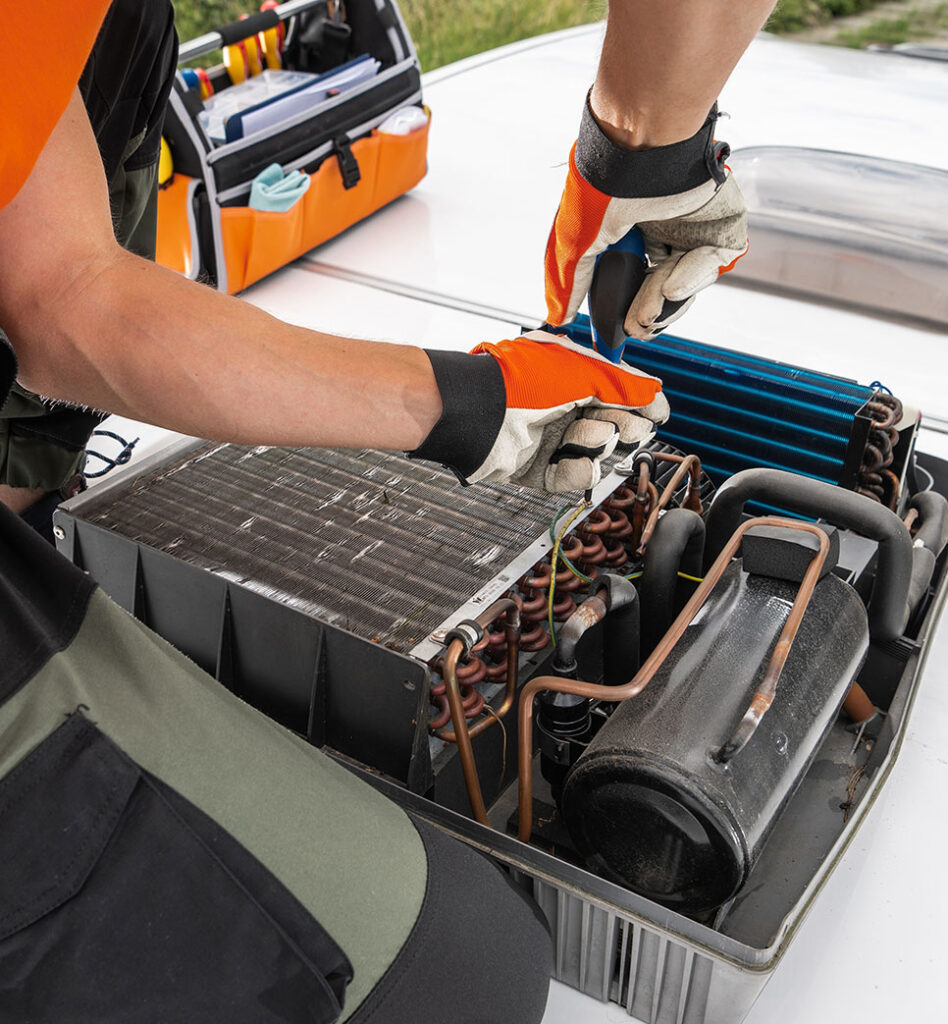
    • Leak Detection: Small refrigerant leaks are often invisible. A technician uses specialized tools to find and repair these leaks. This not only improves efficiency but prevents the system from running dry and seizing up, which is a catastrophic failure.

    By identifying these ticking time bombs during a scheduled visit, maintenance transforms a potential emergency into a simple, manageable repair. This is the very essence of proactive downtime prevention.

    Ensuring Peak Operational Efficiency

    A well-maintained HVAC unit is an efficient one. Regular maintenance tasks have a direct impact on the system’s ability to perform its job without undue stress.

    • Clean Coils: The condenser and evaporator coils are where heat exchange happens. When they are caked in dirt and grime, the system has to work much harder to cool or heat your space. This strain accelerates wear on the entire system. Cleaning the coils is like allowing the system to breathe freely, reducing stress and the likelihood of an overheat-related shutdown.
    • Clear Airflow: Replacing clogged air filters and ensuring ductwork is clear allows air to move without restriction. This prevents the blower motor from straining and ensures conditioned air is delivered effectively, allowing the system to satisfy the thermostat’s call more quickly and run for shorter cycles.
    • Proper Lubrication: Just like in any engine, lubrication of moving parts like motor bearings reduces friction, heat, and wear, preventing seizure and burnout.

    A system that runs efficiently is a system that is not under constant stress. This inherent reduction in daily wear and tear is a massive contributor to its long-term reliability.

    Preventing Environmental Damage

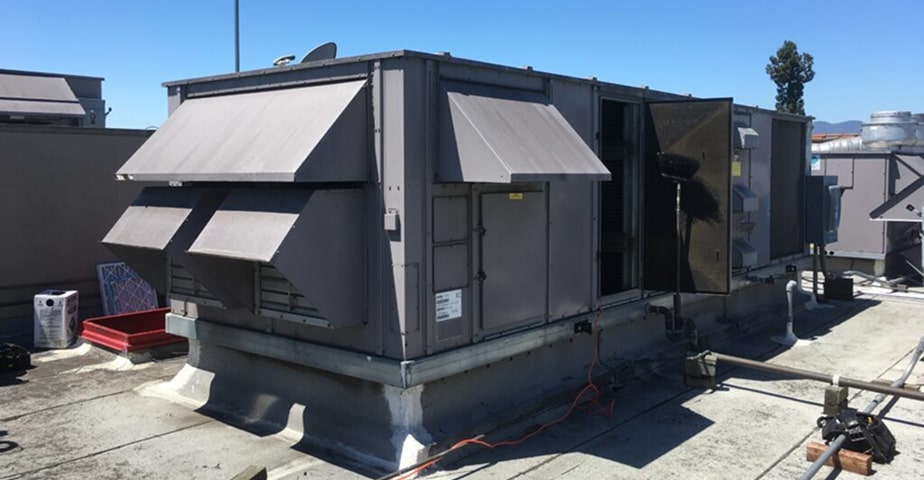
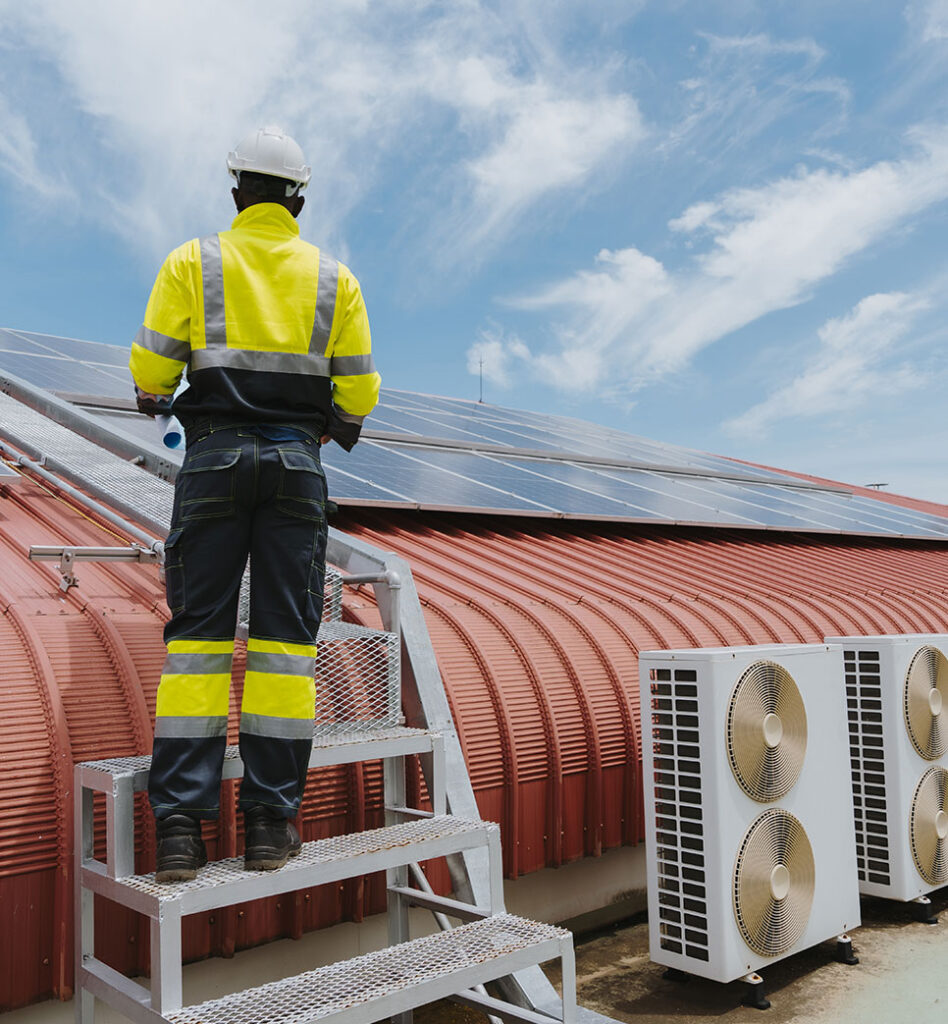
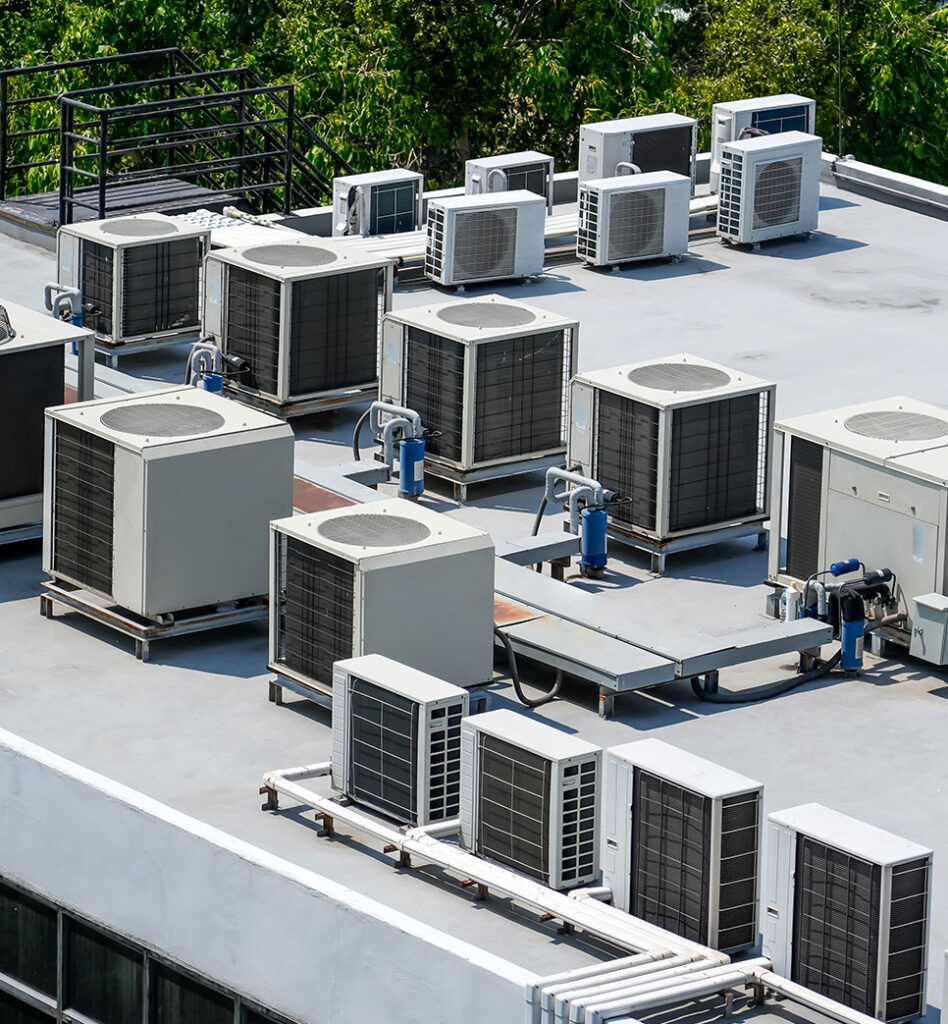
    Rooftop units are exposed to harsh conditions 24/7. Maintenance is crucial for mitigating this environmental assault. Technicians will clear out leaves, nests, and debris that can clog components and restrict airflow. In coastal areas like the San Francisco Bay Area, they inspect for and clean off corrosive salt buildup that can eat away at coils and electrical connections. This preserves the physical integrity of the unit, preventing failures caused by rust and blockages.

    Industries That Depend on HVAC Reliability

    While every business benefits from proactive maintenance, for some industries, it is an absolute operational necessity.

    • Healthcare (Hospitals, Clinics, Labs): In these environments, HVAC is a life-support system. It ensures patient comfort, maintains sterile environments, and protects temperature-sensitive medicines and samples. For a hospital in a city like Palo Alto, with its mix of tech and healthcare, HVAC failure is not an option.
    • Technology (Data Centers): As mentioned, the cost of downtime for a tech company is astronomical. The entire business relies on the flawless operation of its server cooling systems. Regular, specialized maintenance is the only way to guarantee this reliability.
    • Hospitality (Hotels, Resorts): The guest experience is paramount. A single night with a failed AC system can lead to a flood of bad reviews that can damage a hotel’s reputation for years.
    • Food Service (Restaurants, Grocers): From customer comfort in the dining room to the health of refrigeration systems in the back, the entire operation is temperature-dependent. Proactive maintenance is a core part of food safety and business continuity.

    The Financial Logic of Maintenance vs. Emergency Repair

    When an HVAC system fails, your business is in crisis mode. You are forced to call for emergency HVAC services, which come at a premium. The focus is on getting the system running at any cost. This reactive approach is always more expensive.

    Conversely, a maintenance plan is a predictable, budgetable expense. Any repairs found during a maintenance visit can be scheduled at your convenience, using standard labor rates. This puts you in control of your budget.

    Consider this scenario:

    • Reactive Cost: An unmaintained compressor fails on the hottest day of the year in Fremont. The emergency commercial HVAC repair costs $7,000. Your business loses $10,000 in revenue from being closed for a day. Total Cost: $17,000.
    • Proactive Cost: A technician finds the compressor is failing during a routine $400 maintenance visit. A scheduled commercial HVAC replacement of the compressor costs $5,500 during the off-season with zero business interruption. Total Cost: $5,900.

    The savings are immense, and this doesn’t even factor in the long-term energy savings and extended equipment lifespan that maintenance provides.

    Conclusion: Make Maintenance Your Downtime Prevention Plan

    Your rooftop HVAC system is too critical to your daily operations to be ignored. Leaving its health to chance is a high-risk gamble that will eventually lead to costly and disruptive downtime. The path to HVAC system reliability and business continuity is paved with proactive, professional maintenance.

    Investing in a regular maintenance plan is one of the most intelligent, cost-effective decisions a business owner or facility manager can make. It is a direct investment in uptime, productivity, and profitability. By catching problems early, ensuring efficient operation, and extending the life of your equipment, proactive maintenance doesn’t just prevent business downtimeit protects the very health of your business.


    Stay Comfortable Year-Round With Expert HVAC Service

    Book a trusted technician to handle your heating or cooling issue—fast, professional, and done right the first time.

    Book Service Now
    Blog post Image
    Blog post Image
    Blog post Image

    Frequently Asked Questions

    How do I know when condensing unit replacement is better than repair?

    Consider replacement when repair costs exceed 50% of replacement cost, when units are over 12-15 years old, or when efficiency losses significantly increase energy bills. We provide cost-benefit analysis to help you make the right decision for your specific situation.

    What energy savings can I expect from a new high-efficiency condensing unit?

    Modern units typically achieve 20-40% energy savings compared to units installed before 2010. For a business spending $500 monthly on refrigeration energy, this represents $100-200 monthly savings that often pays for replacement within 3-5 years.

    How long does condensing unit replacement take?

    Most replacements take 1-3 days depending on unit size and installation complexity. We coordinate work around your business schedule to minimize disruption and can often provide temporary cooling during installation when necessary.

      Schedule Your Service

      Stay Comfortable Year-Round With Expert HVAC Service

      Book a trusted technician to handle your heating or cooling issue—fast, professional, and done right the first time.

      Schedule a FREE Discovery Call
      Close

      Schedule Your Service