24/7 Emergency Repairs — Call Now!
1 – 800 – 266 – 5243 — Call Now!

I Want
Fast | No obligation
24/7 Emergency Repairs — Call Now!
1 – 800 – 266 – 5243 — Call Now!
Fast | No obligation
When your HVAC system fails unexpectedly, waiting isn’t an option. Whether it’s a commercial rooftop unit shutting down during business hours or a home AC system failing during a heat wave, emergency HVAC repair in the Bay Area requires immediate, experienced response. Delays can mean safety risks, equipment damage, or lost revenue.
At Cool Aid, we provide 24/7 emergency HVAC repair across the Bay Area for both residential and commercial properties. Our technicians respond quickly, diagnose accurately, and focus on restoring system function as fast as possible. From electrical failures and compressor breakdowns to refrigerant leaks and airflow emergencies, we’re equipped to handle urgent HVAC problems the right way.
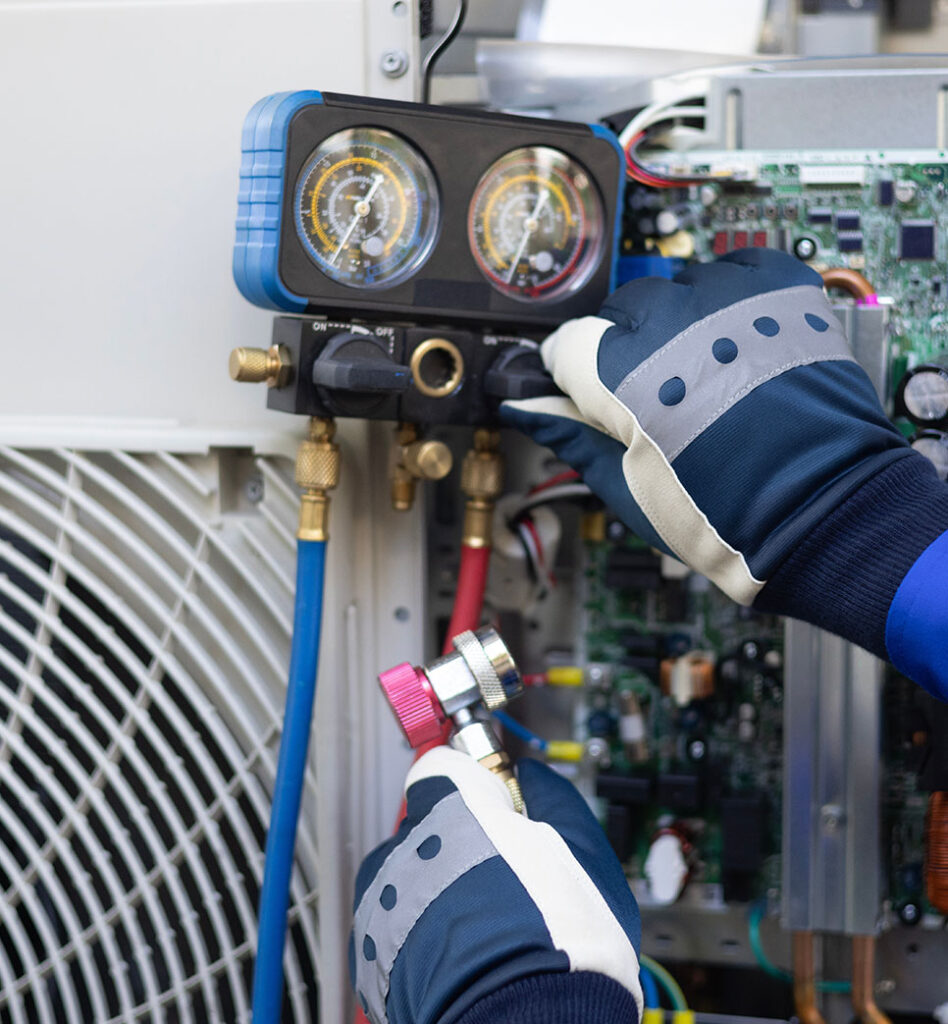
Not every HVAC issue is an emergency. But some problems can’t wait until next week — or even tomorrow.
In the Bay Area, emergency HVAC repair typically means your system has completely stopped working, is creating a safety concern, or is putting your home or business at risk.
Situations That Require Immediate Service
If your system is short cycling, making loud grinding noises, tripping breakers, or blowing warm air when it shouldn’t, it’s time to call. Waiting can turn a repair into a replacement.
Our emergency HVAC technicians don’t guess. We show up prepared to diagnose the issue quickly and get your system stabilized as fast as possible.
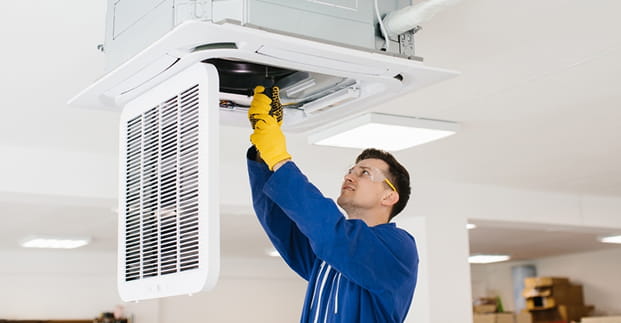
When an HVAC system goes down, the response depends on the equipment involved. A residential split system failure is very different from a 10-ton rooftop unit shutting off at a retail center. Our emergency team is equipped to handle both.
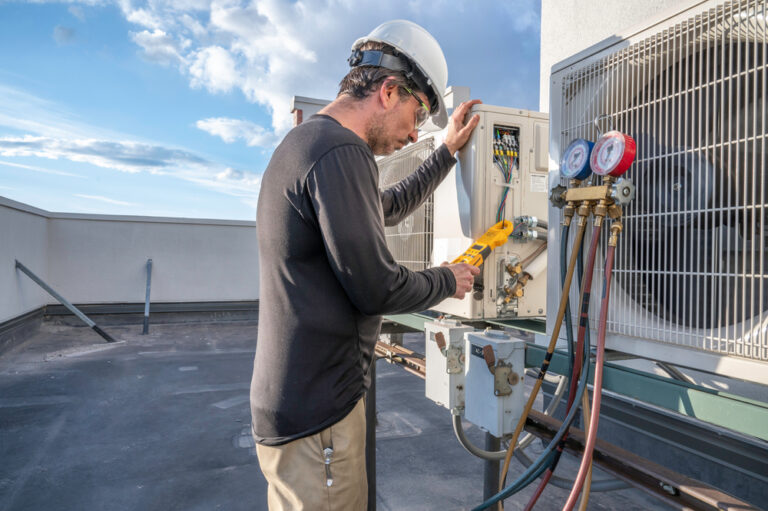
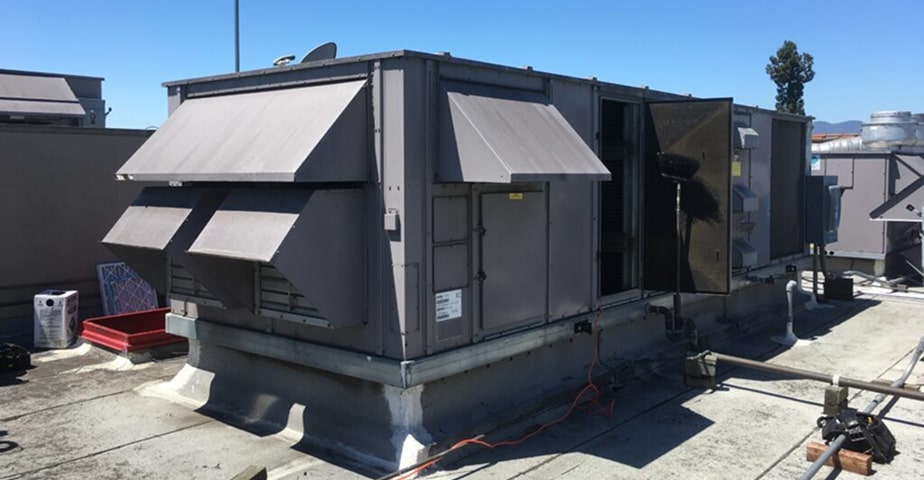
Common across Bay Area commercial properties. Emergency issues often include compressor lockouts, blower motor failures, electrical shorts, or control board malfunctions.
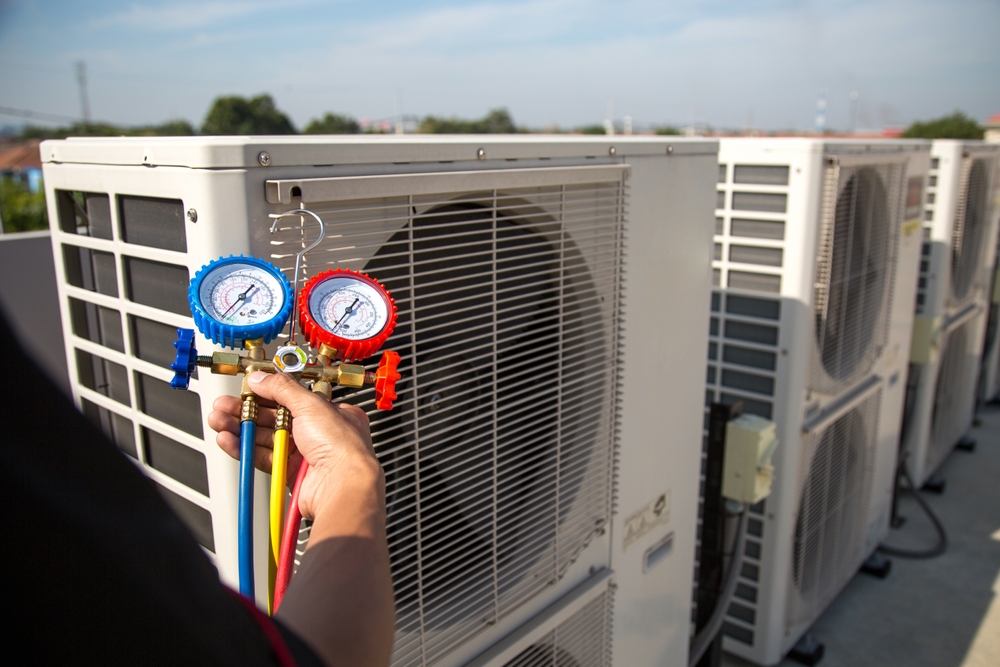
Typical home setups where sudden cooling loss, frozen coils, capacitor failures, or refrigerant leaks require fast attention.
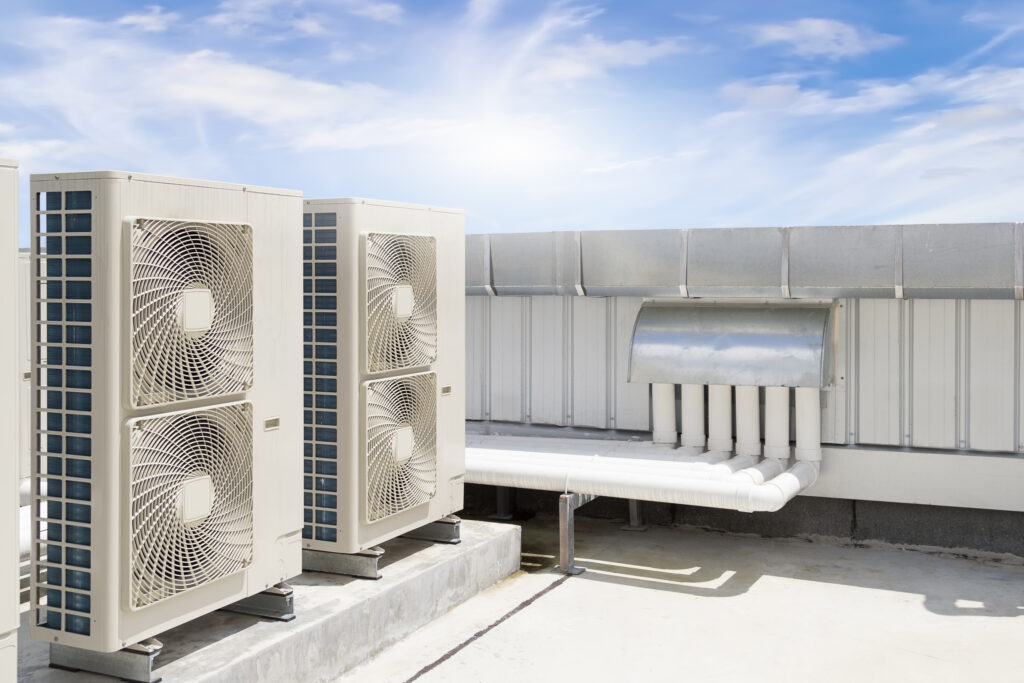
Frequently used in the Bay Area due to the mild climate. Emergency calls usually involve reversing valve problems, defrost cycle failures, or electrical issues.
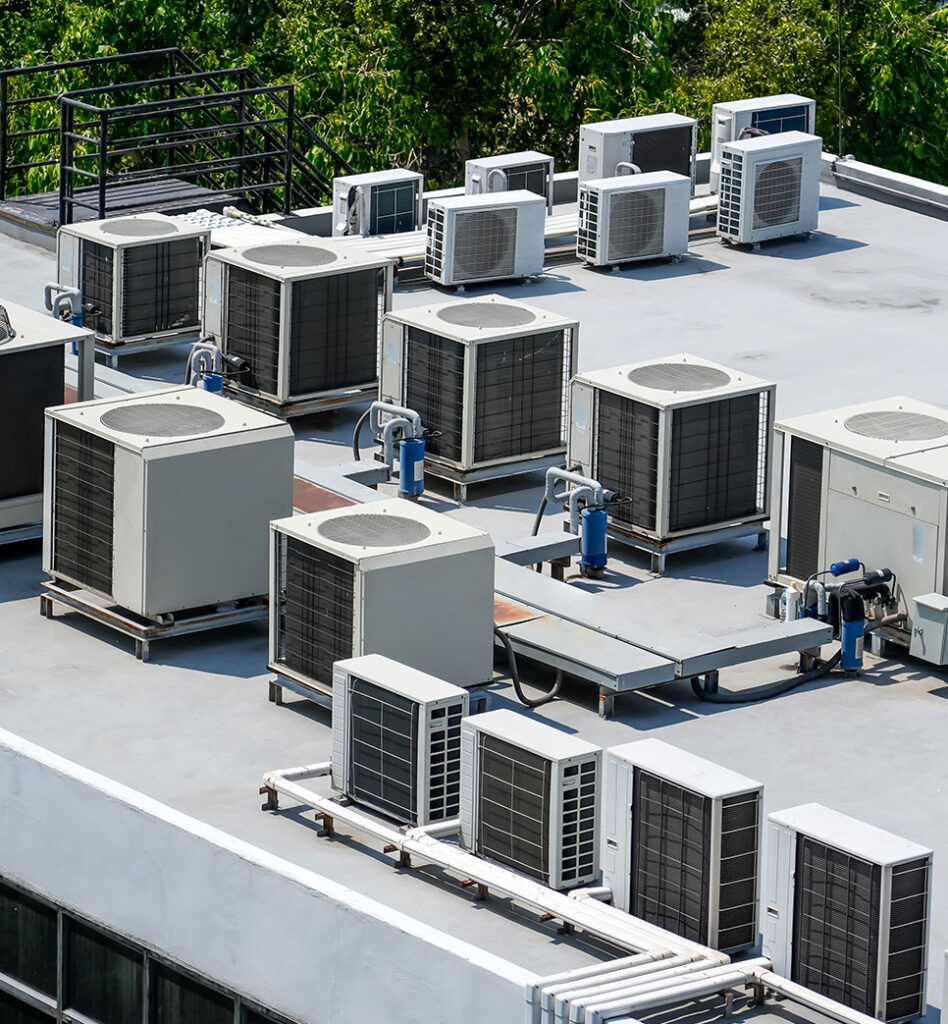
Seen in restaurants, offices, and small commercial spaces. Breakdowns can disrupt operations quickly, especially during peak business hours.
No matter the system type, our goal during an emergency call is simple: identify the failure point, restore safe operation, and prevent additional damage.
Most emergency repair calls don’t come out of nowhere. In the Bay Area, system failures are usually tied to specific stress factors that build up over time — then show up all at once.
Common Triggers for Emergency Breakdowns
Inland cities like San Jose and Pleasanton often see emergency AC failures during sudden temperature spikes. Coastal areas deal with salt exposure that slowly affects wiring and condenser coils. Commercial properties experience high runtime hours that increase wear on motors and compressors.
When we respond to an emergency HVAC call, we don’t just reset the system and leave. We look at what caused the failure so it doesn’t happen again next month.
Fast response matters. But long-term reliability matters more.
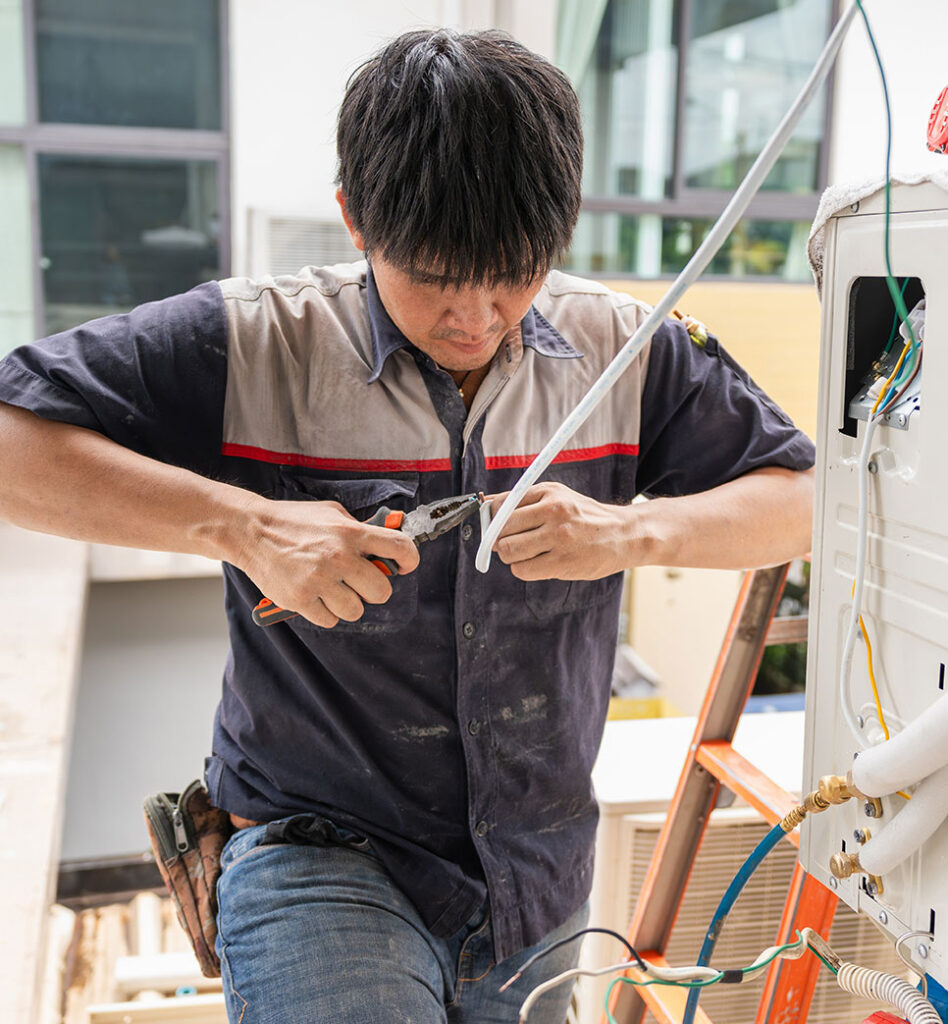
When you call for emergency HVAC repair in the Bay Area, the priority is stabilization. We’re not there to “take a look.” We’re there to identify the failure point and restore operation safely and efficiently.
Step 1: Immediate System Assessment
We start with full diagnostics — checking electrical components, refrigerant pressures, airflow, thermostat signals, and safety switches. Emergency issues are often layered, so guessing isn’t an option.
Step 2: Identify the Root Cause
A tripped breaker might point to a failing motor. Warm air could mean a refrigerant leak or compressor issue. We isolate the actual cause before recommending a fix.
Step 3: On-the-Spot Repair When Possible
Most emergency repairs are completed during the same visit. Our trucks are stocked with common components like capacitors, contactors, relays, motors, and control parts so we can get your system back online quickly.
Step 4: Performance Testing Before We Leave
Once the repair is complete, we test system operation under load to confirm proper airflow, temperature differential, and electrical performance.
The goal isn’t just to “turn it back on.” It’s to make sure it’s running correctly before we leave your property.
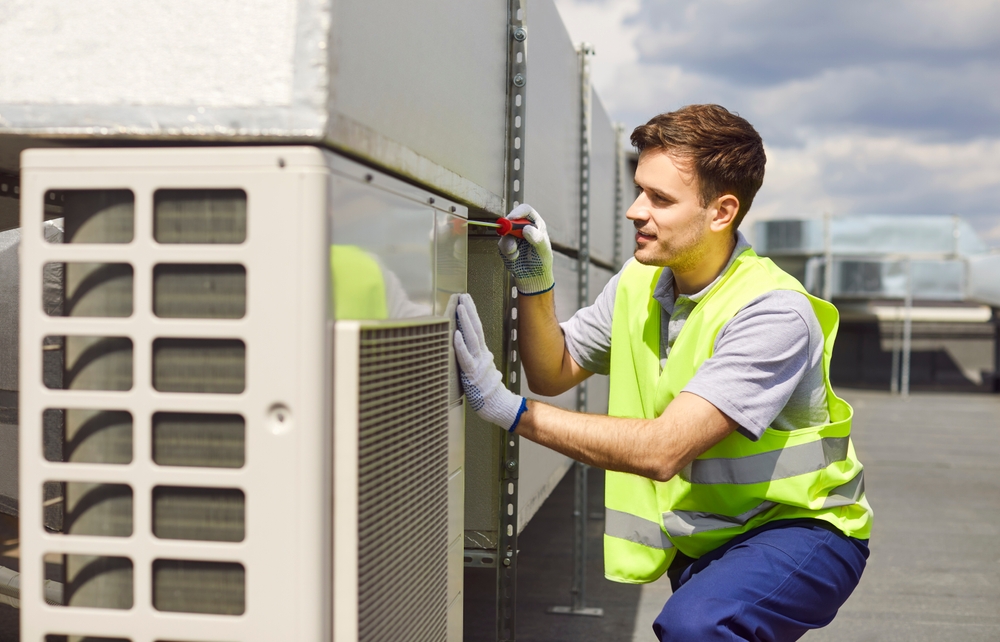
HVAC systems don’t wait for business hours to fail. That’s why our emergency repair team is available 24/7 throughout the Bay Area. Whether it’s late at night, early morning, or over the weekend, we’re ready to respond.
We prioritize emergency calls based on safety risk and system impact. Commercial refrigeration failures, server room overheating, and complete HVAC shutdowns move to the top of the list.
What You Can Expect When You Call
We service San Jose, Santa Clara, Sunnyvale, Mountain View, Palo Alto, Fremont, Walnut Creek, Pleasanton, Los Gatos, and surrounding communities.
When your system is down, time matters. Our focus is rapid response without cutting corners.
Emergency repairs solve the immediate problem. But if the underlying cause isn’t addressed, the same failure can happen again — usually at the worst time.
After restoring your system, we look at why it failed in the first place.
Common Root Causes We Address
In many emergency calls, the breakdown is tied to skipped maintenance or aging components that were showing warning signs. Catching those early can prevent after-hours service calls and major repair costs.
We’ll always let you know if the repair you just made is likely to hold — or if your system is approaching replacement territory. Straight answers, no pressure.
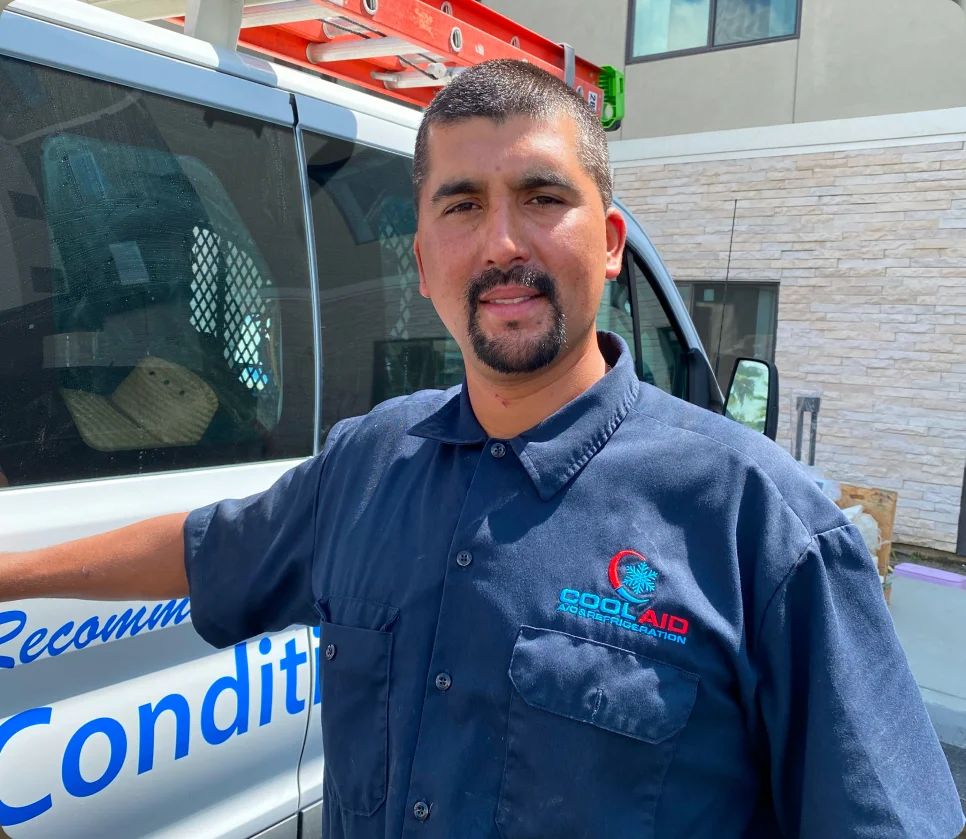
When your system is down, the first priority is getting it running. But cost still matters. During emergency HVAC repair calls in the Bay Area, pricing depends on the type of failure, system size, and parts required — not just the fact that it’s after hours.
We believe in clear communication before work begins.
In many cases, emergency repairs involve common electrical or mechanical components that can be replaced quickly. Larger failures — such as compressor or motor replacements — require a more detailed evaluation.
Before any major repair is performed, we explain your options. If replacement makes more sense than putting money into aging equipment, we’ll tell you directly.
Emergency service shouldn’t feel uncertain. You’ll know what’s happening and why.
Emergency HVAC service isn’t just about speed. It’s about knowing what typically fails in this region and why.
Inland cities like San Jose and Pleasanton see emergency AC failures during sudden heat spikes. Coastal areas deal with corrosion-related electrical problems. Commercial properties in high-demand areas often run equipment longer hours, which increases wear on motors and compressors.
Because we work across the Bay Area every day, we’re not walking into these situations blind.
We provide emergency HVAC repair in:
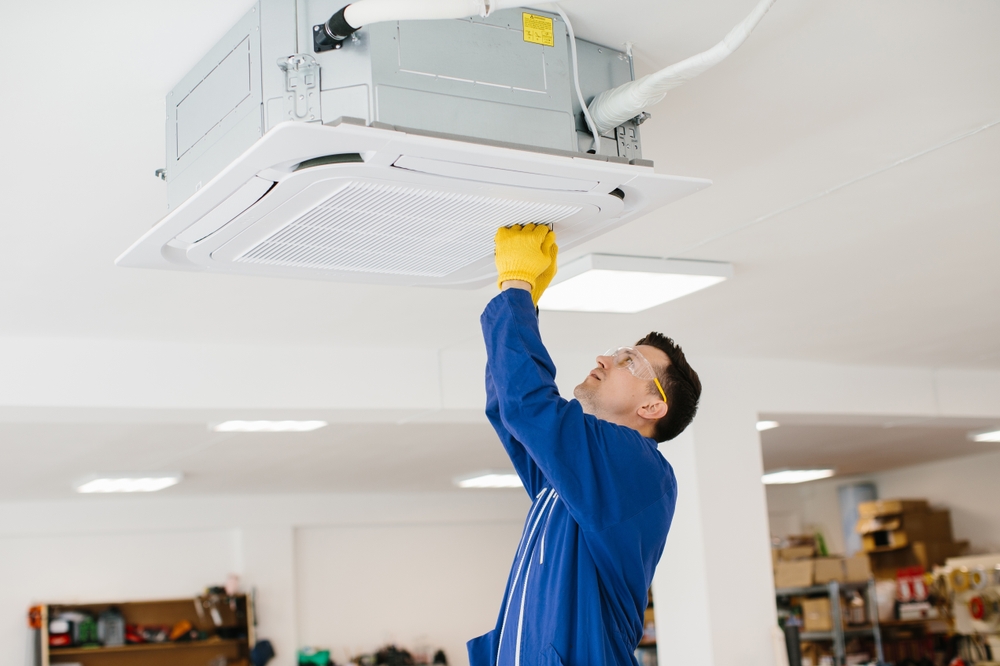
When your HVAC system goes down, you don’t want a callback tomorrow. You want someone who answers, shows up, and fixes it.
Emergency work requires experience. It’s not just replacing parts — it’s diagnosing fast under pressure and making the right call the first time.
What Makes Our Emergency Service Different
We understand that when you call for emergency HVAC repair, you’re already dealing with stress — whether that’s a hot house, a closed restaurant, or a building full of uncomfortable employees.
Our job is to stabilize the situation quickly and professionally. No guesswork. No confusion. Just solutions.
Getting your system back online is the first step. Making sure it stays that way is just as important.
After completing an emergency HVAC repair, we don’t just pack up and leave. We review system performance, check for related stress points, and let you know if anything else needs attention.
Post-Repair Review Includes:
If your equipment is aging or nearing the end of its service life, we’ll be honest about it. Sometimes a repair buys you time. Sometimes it’s a short-term fix on a long-term issue. You’ll know which one it is.
We’re available for follow-up service, maintenance scheduling, or system planning if needed. The goal isn’t just an emergency response — it’s preventing the next one.