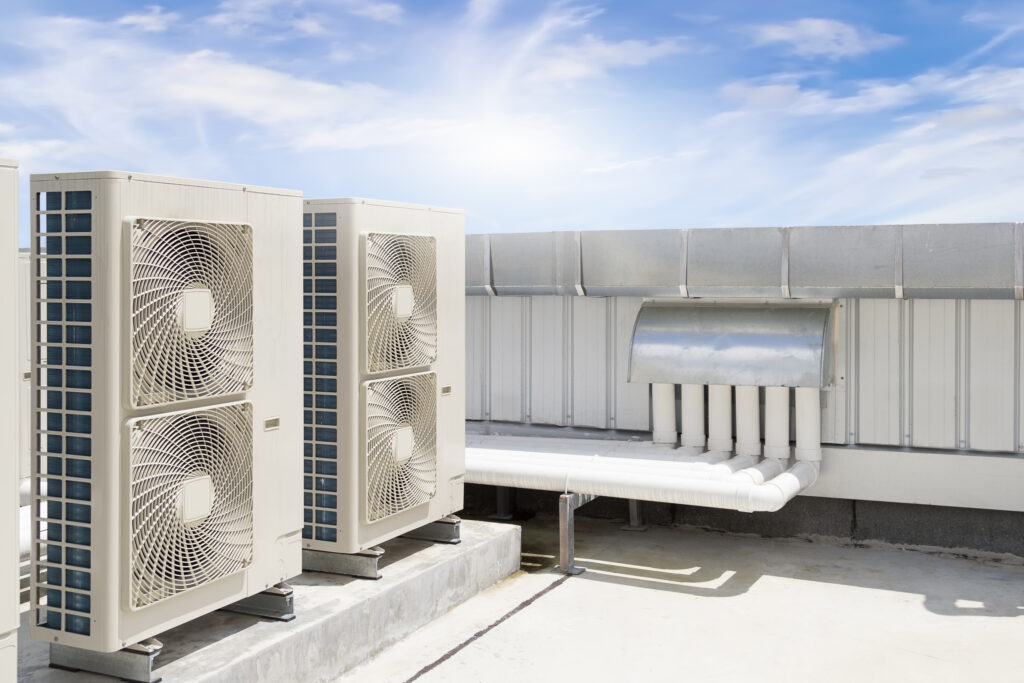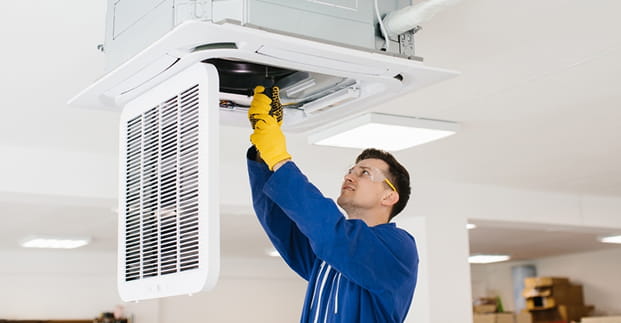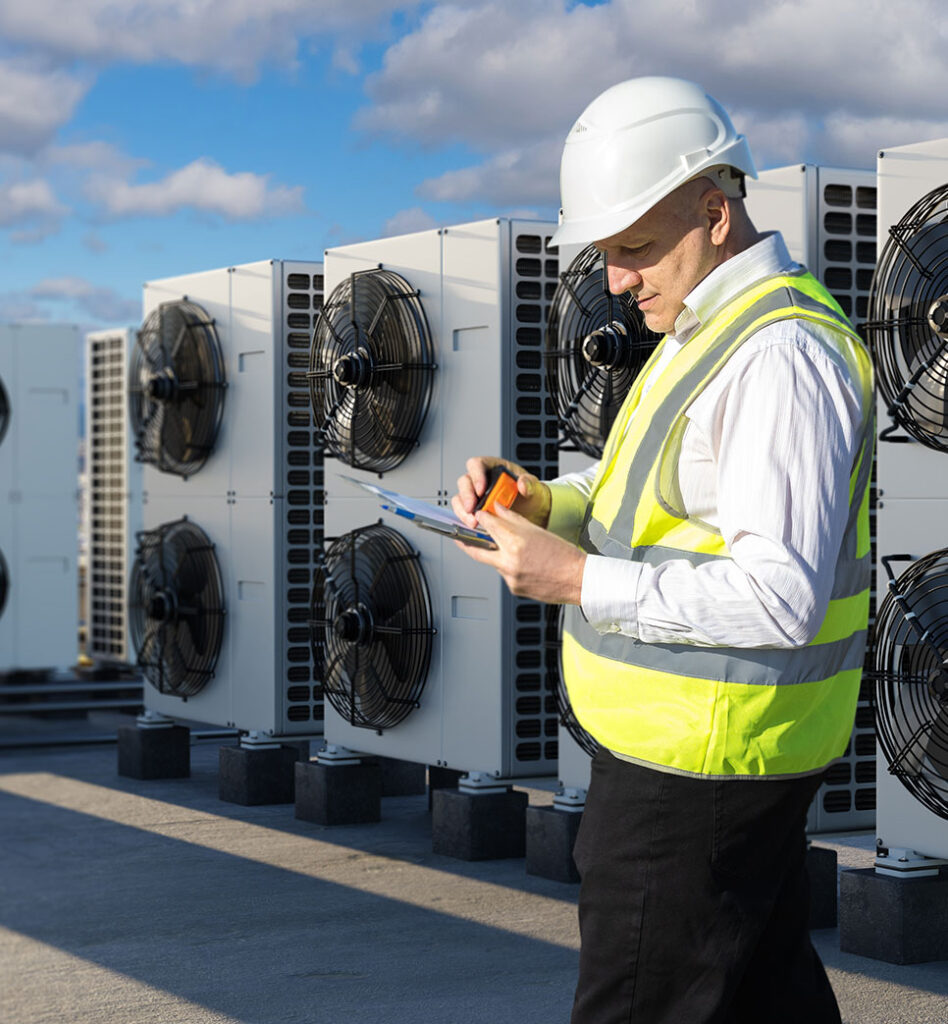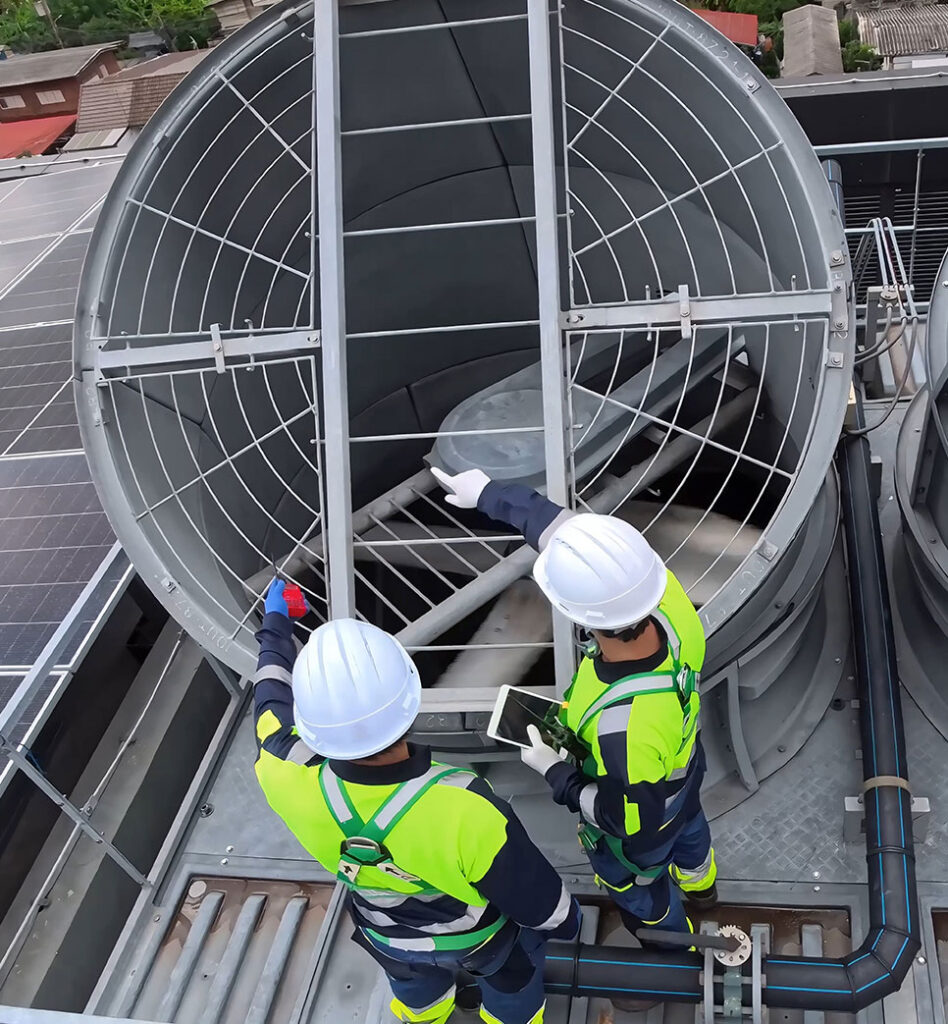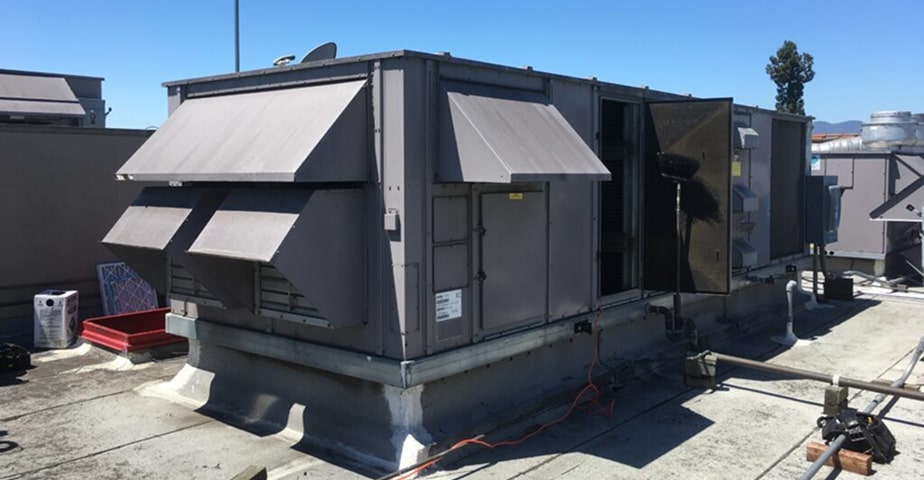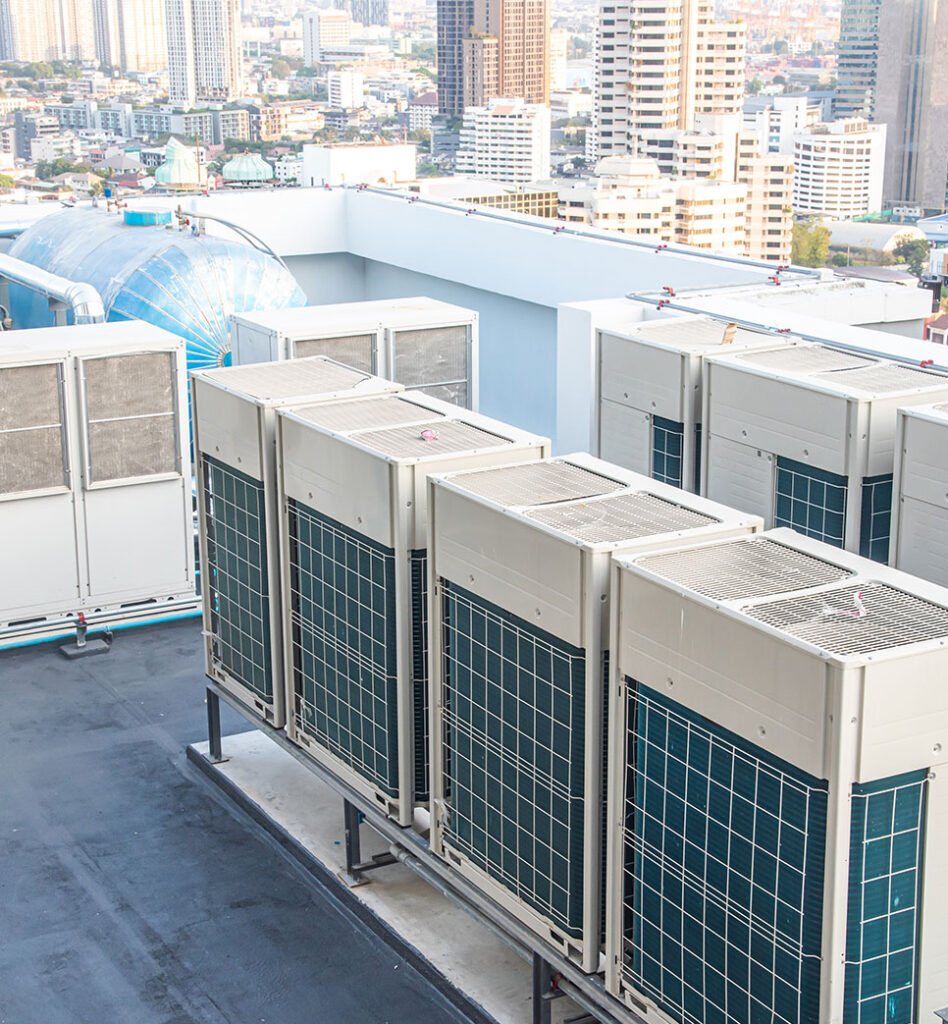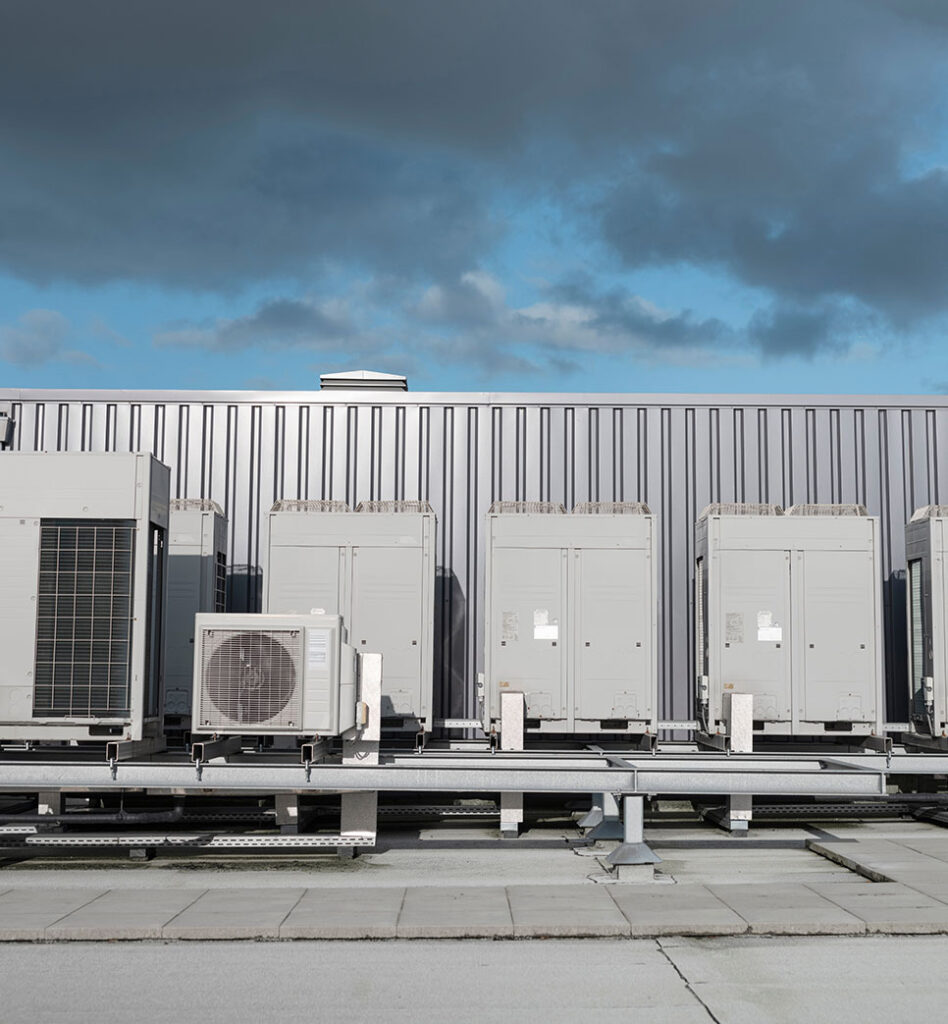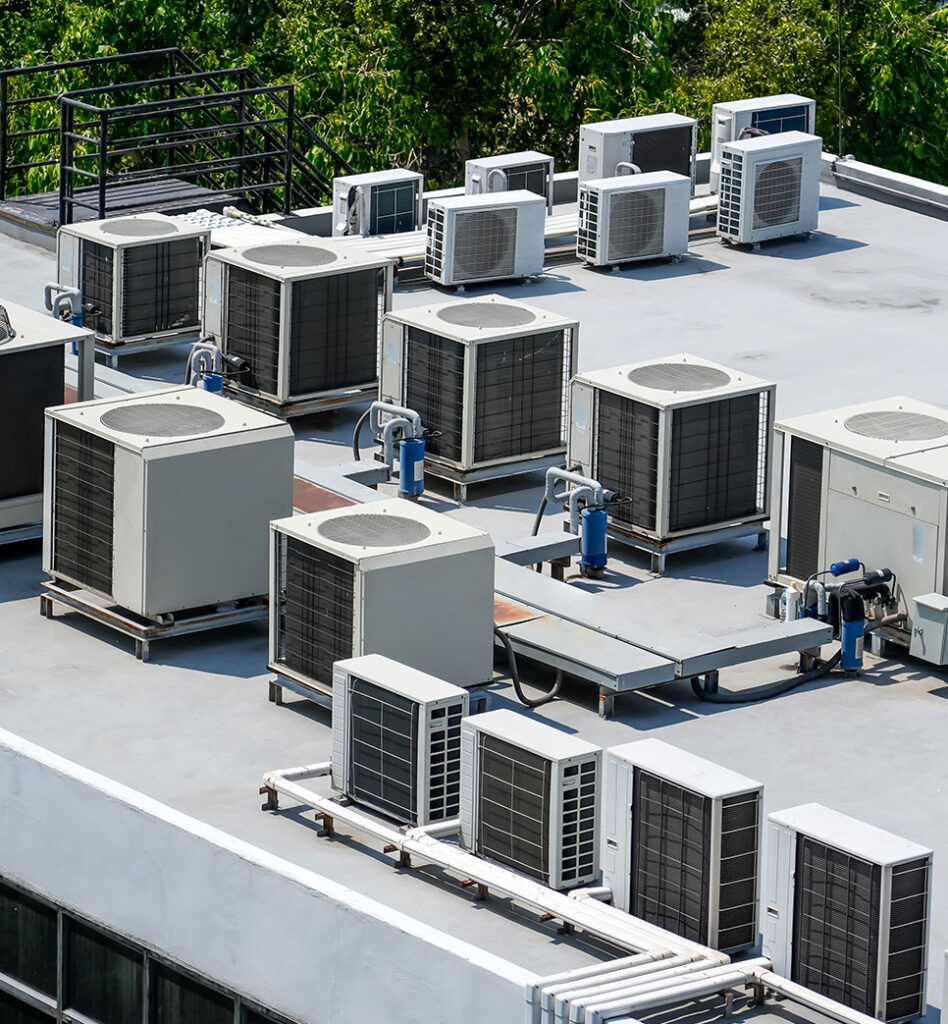
A commercial rooftop HVAC system is a complex machine, a finely tuned orchestra of mechanical and electrical components working in unison to control your building’s climate. While mechanical parts like fans and compressors get a lot of attention, the electrical system is the silent, unseen conductor that makes everything work. It’s also one of the most common sources of failure. An electrical problem can bring your entire HVAC operation to a sudden halt, leading to business disruptions, uncomfortable conditions, and potentially hazardous situations.
For business owners and facility managers, understanding the basics of HVAC electrical systems is crucial. You don’t need to be an electrician, but knowing the common points of failure can help you troubleshoot minor issues, communicate effectively with technicians, and recognize when to call for immediate professional help. From worn-out capacitors to tripped breakers and failing contactors, many electrical issues give off warning signs before they cause a complete breakdown. This guide will illuminate the most frequent electrical problems in rooftop HVAC units, explain their causes, and detail why professional diagnosis and repair are non-negotiable for safety and system longevity.
The Electrical Heartbeat of Your HVAC System
Before diving into the problems, it’s helpful to have a basic map of the electrical components that power your rooftop unit. These systems use a combination of high and low voltage circuits to function.
- High Voltage (Line Voltage): This is the powerful 208/230-volt or 460-volt, three-phase power that runs the heavy-duty components like the compressor, condenser fan motor, and blower motor.
- Low Voltage (Control Voltage): Your thermostat operates on a 24-volt circuit. It acts as a smart switch, sending low-voltage signals to various relays and contactors, which in turn control the flow of high voltage to the powerful motors.
This dual-voltage design allows for safe, precise control over powerful machinery. However, it also creates a complex web of wires, switches, and components, all of which are potential points of failure, especially on a rooftop where they are exposed to extreme temperatures, moisture, and vibration. When you need expert help with these intricate systems, it’s vital to have a trusted partner for commercial HVAC services.
1. Failed Capacitors: The Usual Suspect
If you ask any HVAC technician what the most common electrical failure is, the answer will almost always be the capacitor. Capacitors are small, cylindrical components that function like temporary batteries. Your HVAC system has at least two critical ones:
- Start Capacitor: Provides a powerful initial jolt of energy to overcome inertia and get the compressor and fan motors spinning.
- Run Capacitor: Provides a steady stream of energy to keep the motors running efficiently and smoothly once they’ve started.
Some motors use a single dual-run capacitor that serves both the compressor and condenser fan motor.
Why Capacitors Fail
Capacitors have a finite lifespan and are highly susceptible to damage from a few key factors:
- Heat: This is the number one killer. The combination of intense sun on the roof, the heat generated by the unit itself, and electrical resistance can cause the capacitor to overheat. This breaks down the electrolytic fluid inside, weakening its ability to hold a charge.
- Age: Like all components, capacitors degrade over time. Their electrical capacity, measured in microfarads (µF), slowly diminishes until it’s too low to start or run the motor effectively.
- Voltage Spikes: Power surges from the electrical grid or lightning strikes can instantly destroy a capacitor.
Symptoms of a Bad Capacitor
A failing capacitor leaves distinct clues:
- Humming or Buzzing Noise: If you hear a loud hum when the AC is supposed to kick on, but the compressor or fan doesn’t start, it’s often a sign that the motor isn’t getting the “kick” it needs from a dead capacitor.
- Slow or No Start: The fan blades may be slow to start spinning, or the compressor may struggle to turn on.
- System Shutting Down: A weak run capacitor can cause a motor to draw too much power, leading it to overheat and shut down on its thermal overload protection.
- Bulging or Leaking: A visually bulging top or leaking oily substance are sure signs that a capacitor has failed and needs immediate replacement.
Replacing a capacitor is a relatively quick and inexpensive fix for a qualified technician, but it’s one of the most dangerous DIY repairs. Even when the power is off, a capacitor can hold a powerful electrical charge that can cause severe shock.
2. Worn and Welded Contactors
A contactor is an electromechanical switch. Your thermostat sends a 24-volt signal to an electromagnet inside the contactor. This magnet pulls a set of contacts together, completing a high-voltage circuit and sending power to the compressor and condenser fan. Think of it as a heavy-duty light switch controlled by a much smaller switch (the thermostat).
Why Contactors Fail
Contactors are mechanical devices that cycle on and off thousands of times per season.
- Electrical Arcing: Every time the contacts open or close, a small spark (arc) is created. Over time, this arcing causes the contact points to become pitted, burnt, and corroded. This creates resistance, which generates heat and can eventually prevent a solid electrical connection.
- Welded Contacts: In a worst-case scenario, the intense heat from arcing can melt the contact points, essentially welding them together in the “on” position. This means the outdoor unit will run continuously, even when the thermostat is satisfied, until it either freezes up or the compressor burns out.
- Coil Failure: The low-voltage electromagnet coil can burn out due to age or voltage issues, meaning it can no longer pull the contacts closed. The unit will not turn on.
- Debris and Pests: Ants and other small insects are strangely attracted to the electricity in contactors. They can get crushed between the contact points, preventing the circuit from closing and stopping the unit from starting.
Symptoms of a Bad Contactor
- Outdoor unit won’t turn on: If the indoor blower is running but the outdoor unit is silent, a failed contactor coil or severely pitted contacts could be the cause.
- Outdoor unit won’t turn off: This is a critical sign of welded contacts. You must shut the system off at the breaker to prevent catastrophic damage and call for emergency HVAC services.
- A Loud Chattering Noise: A chattering or buzzing sound from the outdoor unit can indicate the contactor’s electromagnet is failing and struggling to hold the contacts closed.
3. Tripped Breakers and Blown Fuses
Circuit breakers and fuses are safety devices designed to protect your HVAC system and your building’s wiring from excessive electrical current. When a breaker trips or a fuse blows, it’s not the problem itself; it’s a symptom of a deeper issue.
Common Causes of a Tripped Breaker
- Overloaded Circuit: This is the most common reason. It means some component in the HVAC system is drawing more electrical current than the circuit is rated for. This could be a motor that is failing and struggling, a compressor with low refrigerant, or even something as simple as filthy condenser coils forcing the system to work harder.
- Short Circuit: This is a more dangerous situation where a “hot” wire comes into contact with a neutral wire or a ground wire. This could be caused by frayed or damaged wiring insulation due to age, heat, or rodents chewing on them. This creates a path of least resistance for the electricity, causing a massive and instantaneous surge of current that trips the breaker.
- Ground Fault: This occurs when a hot wire touches a grounded part of the HVAC unit’s metal frame. Like a short circuit, this causes an immediate trip.
What to Do (and Not Do)
If your HVAC breaker trips, you can try resetting it once. If it trips again immediately or within a short time, do not reset it again. Repeatedly forcing a breaker to reset against a fault can lead to overheating, component burnout, or a fire. This is a clear signal that there’s a serious electrical problem that requires a professional diagnosis from a company specializing in commercial HVAC repair services.
4. Wiring and Connection Problems
The vast network of wires that connects every component in your rooftop unit is constantly under assault from the elements.
- Corrosion: Moisture on a rooftop is a given. Over time, it can cause electrical terminals and connections to corrode. Corrosion creates resistance, which impedes the flow of electricity and generates heat. A hot, melted-looking wire is often the result of a loose, corroded connection.
- Vibrations: The constant hum of the unit can cause screw-on wire terminals to become loose over time. A loose connection is a major fire hazard.
- Insulation Damage: The sun’s UV rays, extreme heat, and cold can make wire insulation brittle and cause it to crack or flake off, exposing the bare wire. Rodents and other pests may also chew through wiring when nesting inside the unit’s cabinet.
These issues can lead to short circuits, voltage drops, and intermittent problems that are often difficult to diagnose without a thorough inspection.
5. Compressor and Motor Failure
While compressors and motors are mechanical components, their failure is very often electrical in nature.
- Winding Failure: The motors inside compressors and fans are made of tightly wound copper wires. A short or a ground fault can occur within these windings, causing the motor to fail. This can happen due to age, overheating from a separate issue (like a bad capacitor or dirty coils), or a power surge.
- Terminal Burnout: The electrical terminals on top of the compressor are a common failure point. A loose or corroded connection here can overheat to the point that it burns the terminal completely off the compressor, destroying it.
Compressor replacement is one of the most expensive HVAC repairs. Often, the compressor is the final victim of a less-expensive, unaddressed electrical issue. This is why proactive maintenance and addressing minor electrical faults promptly is so critical. A $100 capacitor replacement could prevent a $5,000 compressor failure.
The Importance of Professional Electrical Diagnosis
It can be tempting to try and save money by attempting to fix what seems like a simple electrical issue. However, this is extremely dangerous and often counterproductive.
The Safety Risk
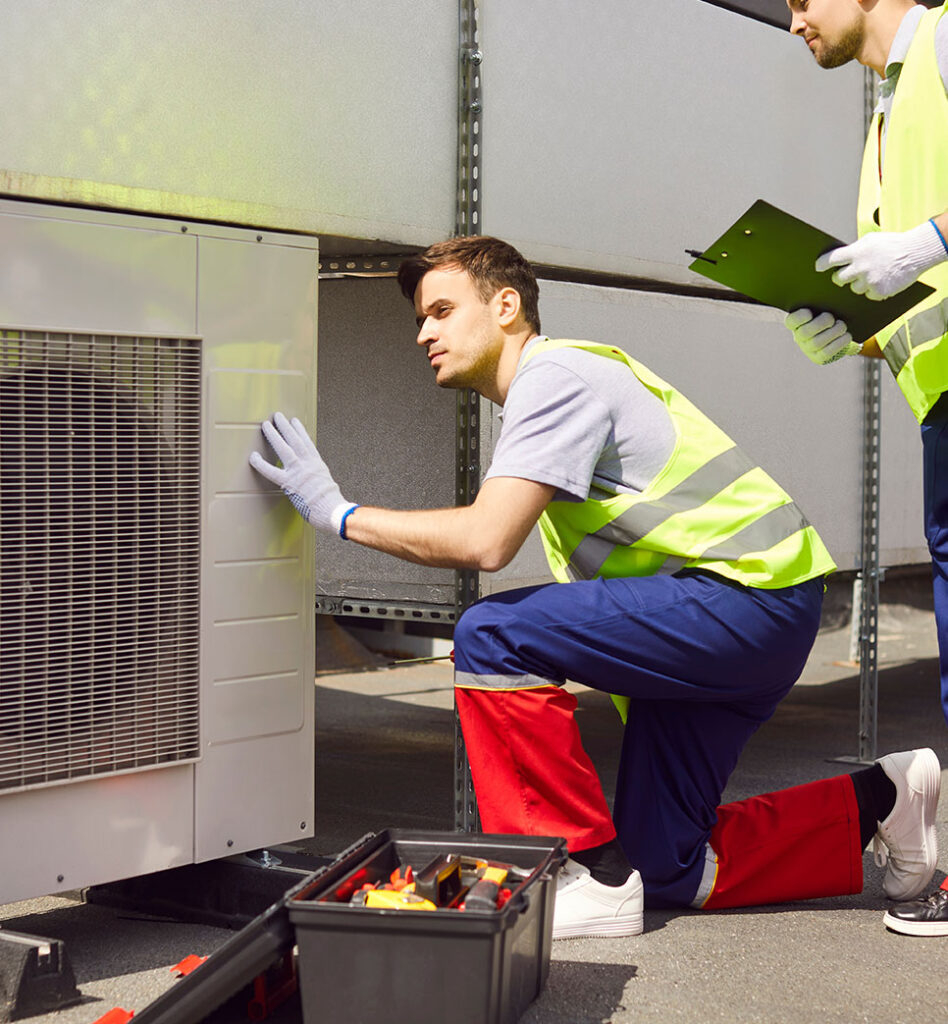
Commercial rooftop HVAC units operate on high-voltage, three-phase power that can be instantly lethal. Even when the power is shut off at the breaker, components like capacitors can retain a powerful charge. Only licensed and trained technicians with the proper safety equipment and knowledge should ever open the electrical panels of a commercial HVAC unit.
The Need for Specialized Tools
Diagnosing electrical problems correctly requires more than just a visual inspection. Technicians use a variety of specialized tools:
- Multimeters: To accurately measure voltage, amperage (current draw), and resistance to identify if components are receiving the correct power and functioning within their specifications.
- Megohmmeters (“Meggers”): To test for failing motor windings and faults in the compressor that a standard multimeter can’t detect.
- Capacitor Testers: To measure the exact microfarad rating of a capacitor and determine if it has weakened.
Using these tools, a technician can move beyond guesswork and pinpoint the exact root cause of the failure, ensuring they fix the right problem the first time. This is especially vital in sensitive environments that rely on systems like commercial server room cooling services, where downtime is not an option.
Preventing a Cascade of Failures
Perhaps most importantly, a professional looks at the whole system. They understand that a tripped breaker isn’t the problem, but a symptom. A layperson might replace a blown fuse only to have it blow again because the underlying issue—a failing motor—wasn’t addressed. A professional technician will diagnose why the fuse blew and fix the root cause, preventing a cascade of more expensive failures down the line.
Electrical problems are at the core of many rooftop HVAC breakdowns. By familiarizing yourself with the common culprits, you can better understand your system and the importance of proactive care. Regular professional maintenance is the best defense, as it allows technicians to spot and rectify corroding wires, loose connections, and weakening capacitors before they leave your business without heating or cooling. When an electrical failure does occur, resist the temptation to troubleshoot it yourself. Your safety and the health of your expensive equipment depend on the expertise of a qualified professional.
Stay Comfortable Year-Round With Expert HVAC Service
Book a trusted technician to handle your heating or cooling issue—fast, professional, and done right the first time.
Book Service Now