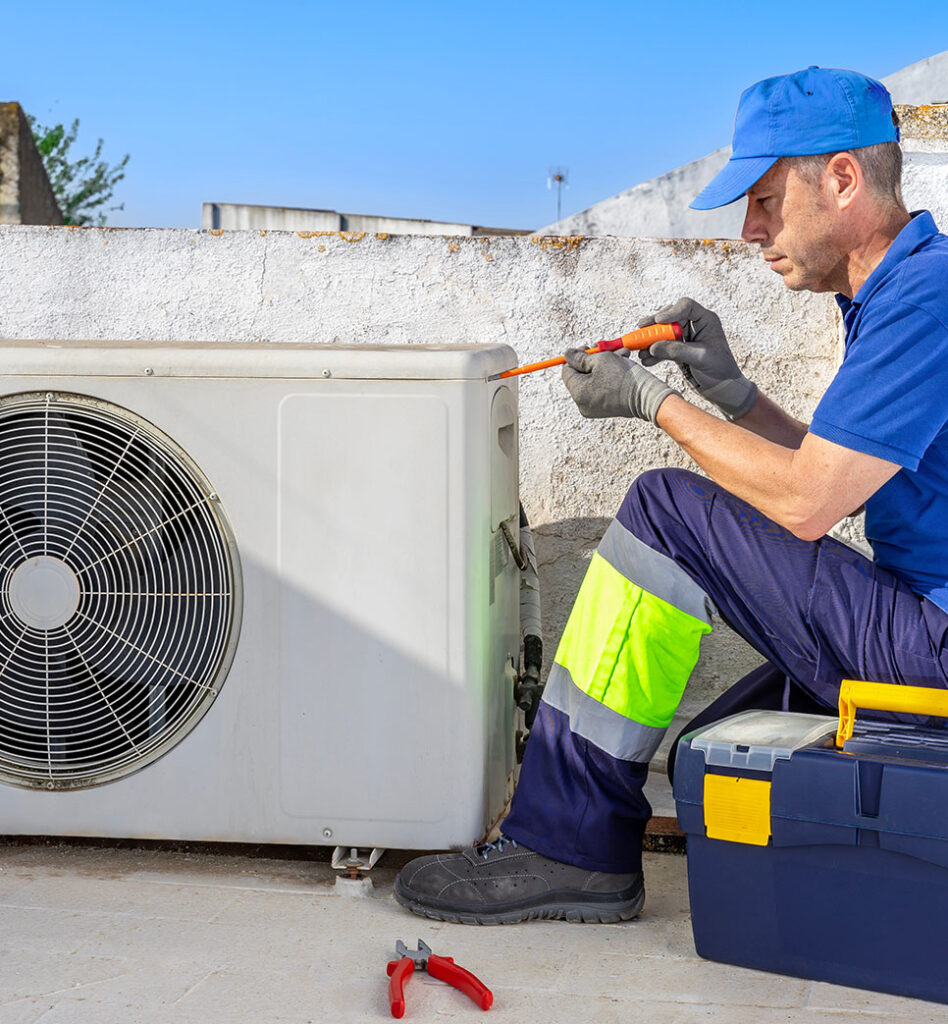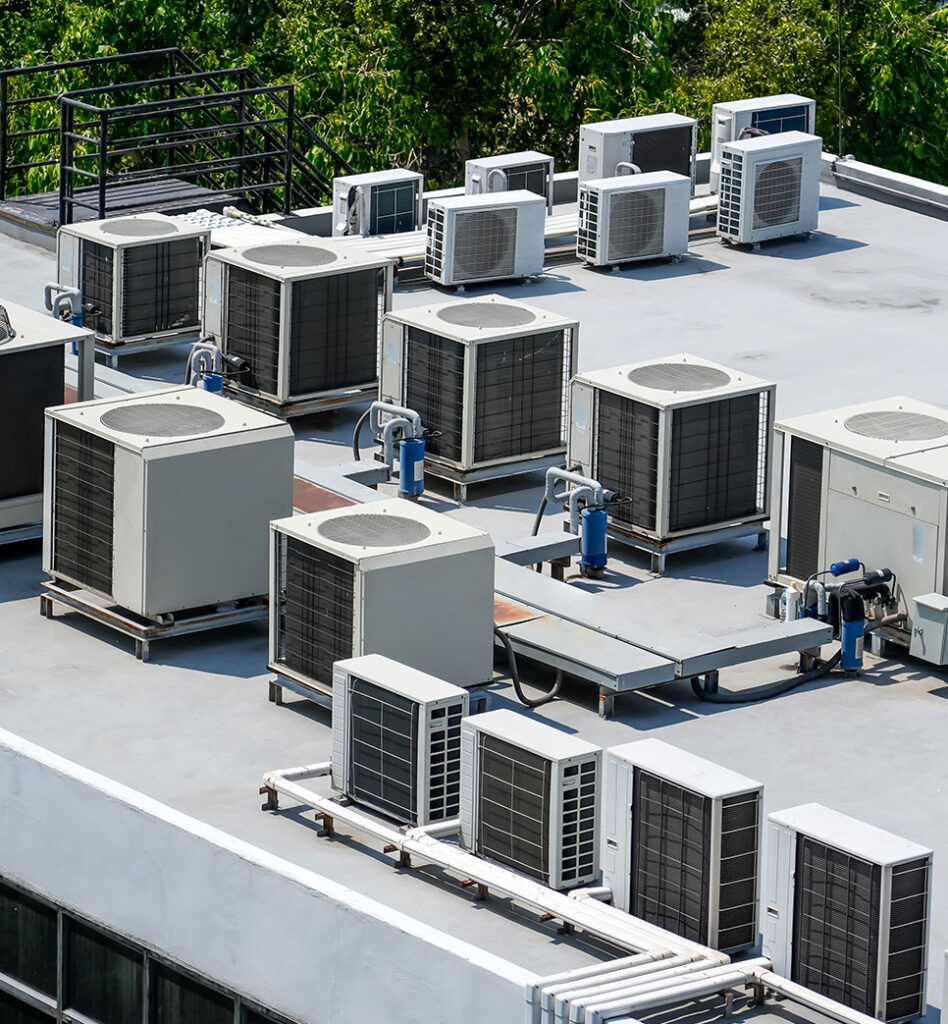
Your commercial rooftop HVAC system works hard to keep your building comfortable, but when it starts to falter, the cause can often be mysterious. The air from the vents might not feel as cold as it used to, or perhaps the unit is running constantly without reaching the set temperature. One of the most common culprits behind this decline in performance is a refrigerant leak. Refrigerant is the essential compound that allows your air conditioner to move heat, and when it escapes, the entire system’s efficiency and health are compromised.
Many business owners mistakenly believe that refrigerant is a type of fuel that gets “used up” over time. This is incorrect. Your HVAC system contains a sealed, closed-loop refrigerant circuit. If the level is low, it means there is a leak somewhere in the system. Ignoring this problem or simply “topping it off” without a proper repair can lead to catastrophic component failure and costly breakdowns. For facility managers in areas like San Jose and Santa Clara, understanding how to recognize the signs of a leak and what the professional diagnostic process involves is critical for effective building management. This guide will break down the causes of leaks, the symptoms to watch for, and how technicians pinpoint and repair these elusive but damaging problems.
The Critical Role of Refrigerant in Your HVAC System
Before we explore the problems, it’s important to understand what refrigerant does. Think of it as the lifeblood of your air conditioning system. This specialized chemical compound has the unique ability to change between a liquid and a gas at manageable temperatures and pressures. This transformation is the key to the entire cooling cycle.
Here is a simplified look at its journey:
- Inside (Evaporator Coil): Low-pressure liquid refrigerant enters the indoor evaporator coil. As the blower fan pushes warm indoor air across this coil, the refrigerant absorbs the heat, causing it to boil and turn into a low-pressure gas. The air that leaves the coil is now cool.
- To the Compressor: This low-pressure gas travels to the compressor, which is the heart of the system. The compressor pressurizes the gas, which dramatically increases its temperature.
- Outside (Condenser Coil): The hot, high-pressure gas then moves to the outdoor condenser coil. The condenser fan pulls cooler outside air across the coil, causing the heat to radiate away from the refrigerant. This process cools the refrigerant enough for it to condense back into a high-pressure liquid.
- Back Inside: This high-pressure liquid travels through an expansion valve, which rapidly lowers its pressure and temperature, turning it into the cold, low-pressure liquid that re-enters the evaporator coil to start the cycle again.
When there isn’t enough refrigerant, this cycle is broken. The system can no longer absorb and release heat effectively, leading to poor performance and putting immense strain on its most vital components.
What Causes Refrigerant Leaks in Rooftop Units?
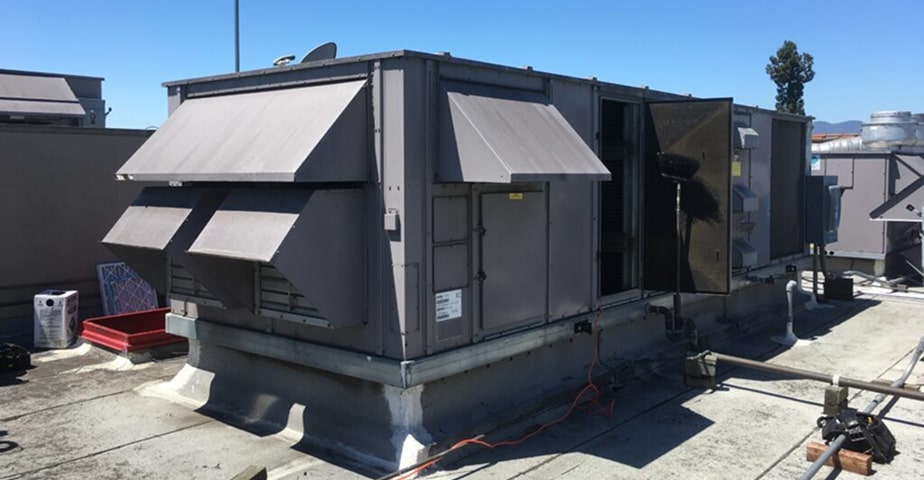
Rooftop HVAC units are durable, but their exposed location makes them vulnerable to conditions that can lead to leaks over time. The primary causes fall into a few key categories.
1. Corrosion
Corrosion is one of the most common enemies of a rooftop unit. Constant exposure to rain, humidity, salt in the air (in coastal areas), and industrial pollutants can eat away at the metal components of the system.
- Formicary Corrosion: This is a specific type of corrosion that affects copper tubing. A chemical reaction between the copper, water, and volatile organic compounds (VOCs) present in the air creates a network of microscopic tunnels and cracks within the copper. These tiny pinhole leaks are notoriously difficult to find.
- General Corrosion: The metal fins and tubing of the condenser and evaporator coils can rust and degrade over time, creating weak spots where refrigerant can escape.
2. Vibrations
An HVAC system is a machine with powerful moving parts, namely the compressor and fan motors. Their normal operation creates vibrations that travel throughout the unit’s frame and refrigerant lines.
- Weakened Joints: Over thousands of hours of operation, these vibrations can stress and weaken the brazed or soldered joints connecting different sections of refrigerant tubing. Eventually, a joint can develop a hairline crack that slowly seeps refrigerant.
3. Physical Damage
The rooftop environment is unpredictable.
- Weather Damage: Hailstorms can dent the delicate aluminum fins on the condenser coil and potentially puncture the copper tubing within. High winds can cause debris to strike the unit.
- Accidental Damage: Sometimes damage is caused by human error. A tool dropped during roof maintenance or careless handling during a filter change can easily damage a fragile refrigerant line or coil.
4. Factory Defects
Although less common in modern, high-quality units, manufacturing defects can sometimes be the source of a leak. A poorly brazed joint or a weak spot in the copper tubing might hold up for a few years before finally failing under operational pressure. This highlights the importance of working with reputable providers of commercial HVAC services from installation onward.
Telltale Signs: How to Identify a Potential Refrigerant Leak
You don’t need to be an HVAC technician to spot the warning signs of a refrigerant leak. Paying attention to your system’s performance can help you catch the problem early before it leads to a major failure.
Symptom 1: Reduced Cooling Performance
This is the most obvious and common symptom. If you notice that the air coming from your vents is merely cool instead of cold, or if the system runs all day but can’t seem to reach the thermostat setting, you likely have an issue. Low refrigerant levels mean the system has lost a significant portion of its capacity to absorb heat from your building’s air.
Symptom 2: Ice or Frost on the Coils
This symptom often seems counterintuitive to business owners—how can the unit be freezing if it’s not cooling properly? The answer lies in system pressure. Low refrigerant levels cause the pressure within the evaporator coil to drop. This pressure drop makes the remaining refrigerant intensely cold, well below the freezing point of water. As humid indoor air passes over the super-chilled coil, the moisture freezes onto its surface.
This ice buildup creates a vicious cycle. The ice acts as an insulator, further blocking heat absorption and restricting airflow, which makes the coil even colder and causes more ice to form. You might see this ice on the indoor evaporator coil or on the refrigerant lines running to the outdoor unit.
Symptom 3: Hissing or Bubbling Noises
While many HVAC sounds are normal, a distinct hissing or bubbling noise is a major red flag. A hissing sound can indicate refrigerant gas escaping from a crack or hole in the system, usually from the high-pressure side. A bubbling or gurgling noise might be heard as the remaining refrigerant struggles to circulate through the lines, indicating air may have entered the system.
Symptom 4: Unusually High Electricity Bills
An HVAC system with a refrigerant leak is an inefficient system. It has to run longer and work much harder to produce less cooling. This inefficiency translates directly into higher energy consumption. If you notice a sudden, unexplained spike in your building’s electricity bills during months of consistent AC use, it’s a strong indicator that your HVAC system needs a professional inspection.
Symptom 5: Compressor Failure
If a refrigerant leak is ignored for too long, it can lead to the failure of the compressor. Refrigerant doesn’t just transfer heat; it also helps cool the compressor motor as it circulates. When levels are low, the compressor can overheat, leading to a shutdown or permanent burnout. This is why a simple “top-off” is never a solution; it’s a temporary patch that allows the root cause to destroy the most expensive part of your unit. This often leads to a need for significant commercial HVAC repair services.
The Professional Diagnostic Process: How Technicians Find Leaks
Because refrigerant is an invisible gas, finding the source of a leak requires specialized tools and a systematic approach. A qualified technician will never just add more refrigerant and leave. They will perform a thorough leak detection process.
Step 1: Visual Inspection
The first step is always a careful visual inspection of the entire system. An experienced technician will look for oily residue around fittings, joints, and on the coils. The refrigerant in your system is mixed with a special oil to lubricate the compressor. When refrigerant leaks out, it often carries a small amount of this oil with it, which then attracts dust and dirt, creating a telltale dark, greasy spot at the leak site.
Step 2: Electronic Leak Detection
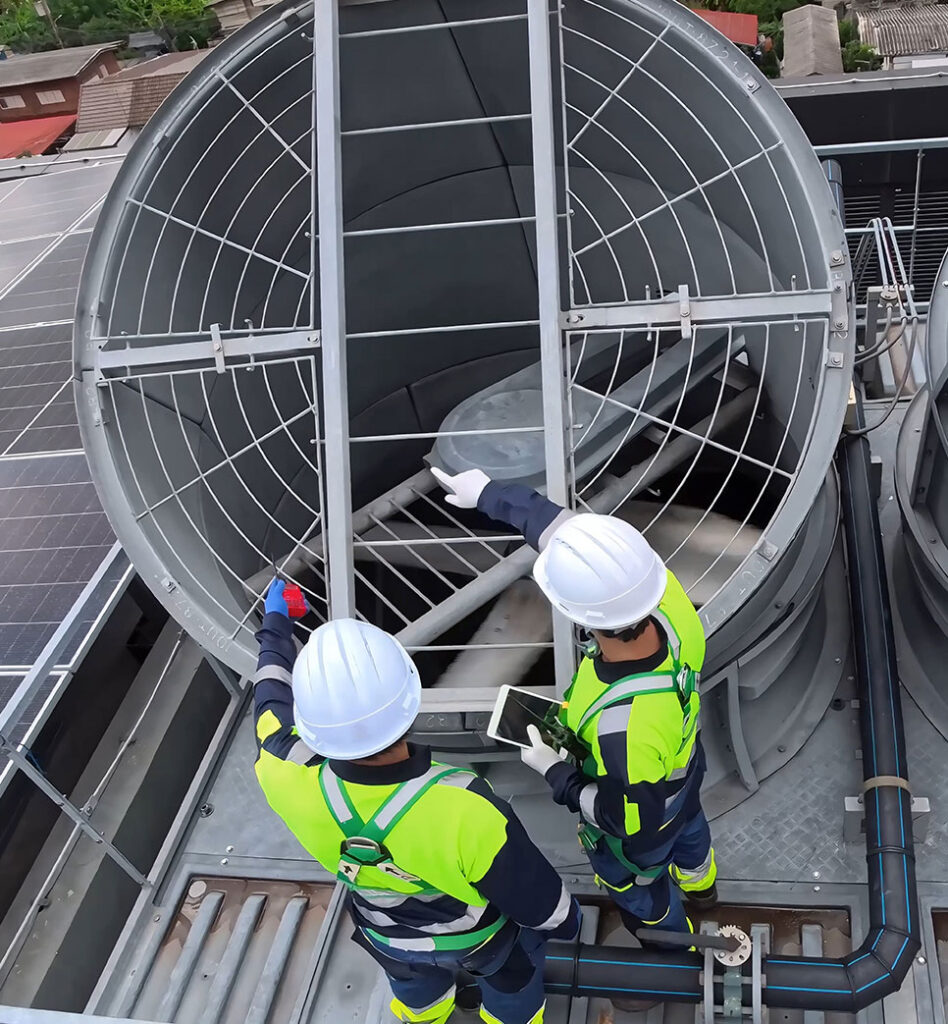
The most common tool for the job is an electronic leak detector, or “sniffer.” This handheld device has a probe at the end that samples the air. It is calibrated to sound an alarm when it detects the specific chemical compounds found in refrigerants. The technician will slowly move the probe along every inch of the refrigerant lines, coils, and joints. The alarm will beep faster and more intensely as it gets closer to the source of the leak, allowing the technician to pinpoint its exact location.
Step 3: The Soap Bubble Test
Once the electronic detector has narrowed down the general area of the leak, a classic method is often used for confirmation. The technician will apply a special soap bubble solution to the suspected area. If there is a leak, the escaping refrigerant gas will blow bubbles in the solution, providing clear visual evidence of the leak’s location and size. This method works best for leaks that are large enough to produce a steady stream of gas.
Step 4: Pressurized Nitrogen and Ultrasonic Detection
For very small or intermittent leaks that are difficult to find with other methods, more advanced techniques are required. A technician may evacuate the remaining refrigerant from the system and fill it with pressurized nitrogen. Nitrogen is an inert, safe gas, and by pressurizing the system to a high level, even a tiny leak will become more pronounced.
- Ultrasonic Leak Detectors: These sophisticated devices don’t “smell” refrigerant; they “listen” for the high-frequency hissing sound that pressurized gas makes when it escapes through a tiny orifice. This sound is beyond the range of human hearing, but the detector can pick it up and lead the technician to the source.
- Trace Dye Detection: In some cases, a UV-fluorescent dye can be added to the system’s refrigerant. The system is then allowed to run for a period of time, circulating the dye. The technician can then inspect the system with a UV light. Any point where the dye has leaked out will glow brightly, making the leak’s location obvious. This method is often used to find multiple small leaks or those that only occur under specific operating conditions.
The Repair Process: Fixing the Leak for Good
Finding the leak is only half the battle. A proper repair is essential for the long-term health of your system.
- Recover Refrigerant: Before any repair can be made, the technician must use a recovery machine to safely pump all remaining refrigerant out of the system and into a certified storage tank. It is illegal and environmentally harmful to vent refrigerant into the atmosphere.
- Repair or Replace: If the leak is in a section of tubing or at a joint, the technician can often repair it by brazing. This process involves using a high-temperature torch to weld the crack or joint closed, creating a permanent, durable seal. If the leak is in a coil that has widespread corrosion or damage, the entire coil may need to be replaced.
- Pressure Test and Evacuation: After the repair is complete, the system is again pressurized with nitrogen and tested to ensure the leak is fixed and no new ones have appeared. Then, a powerful vacuum pump is connected to the system to remove all the nitrogen, air, and, most importantly, any moisture that may have entered while the system was open. This is a critical step, as moisture can react with refrigerant to create corrosive acids.
- Recharge with Refrigerant: Finally, the system is recharged with the precise amount of new, clean refrigerant specified by the manufacturer. The technician uses a digital scale to weigh the exact charge, ensuring optimal performance and efficiency. This precise process is a hallmark of expert commercial refrigeration services and is equally vital for HVAC.
A refrigerant leak is a serious problem that should never be ignored. By understanding the signs and acting quickly, you can prevent a minor issue from escalating into a system-destroying catastrophe. If you suspect your rooftop unit has a leak, don’t wait for it to fail. Contact a professional HVAC company for a thorough inspection and repair. Partnering with experts for regular maintenance and prompt service is the best way to protect your investment and ensure your business remains a comfortable and productive environment.
Stay Comfortable Year-Round With Expert HVAC Service
Book a trusted technician to handle your heating or cooling issue—fast, professional, and done right the first time.
Book Service Now