I Want

    Residential HVACCommercial HVACRefrigerationEmergency HVAC


    Fast | No obligation

    Common Rooftop HVAC Problems in Commercial Buildings

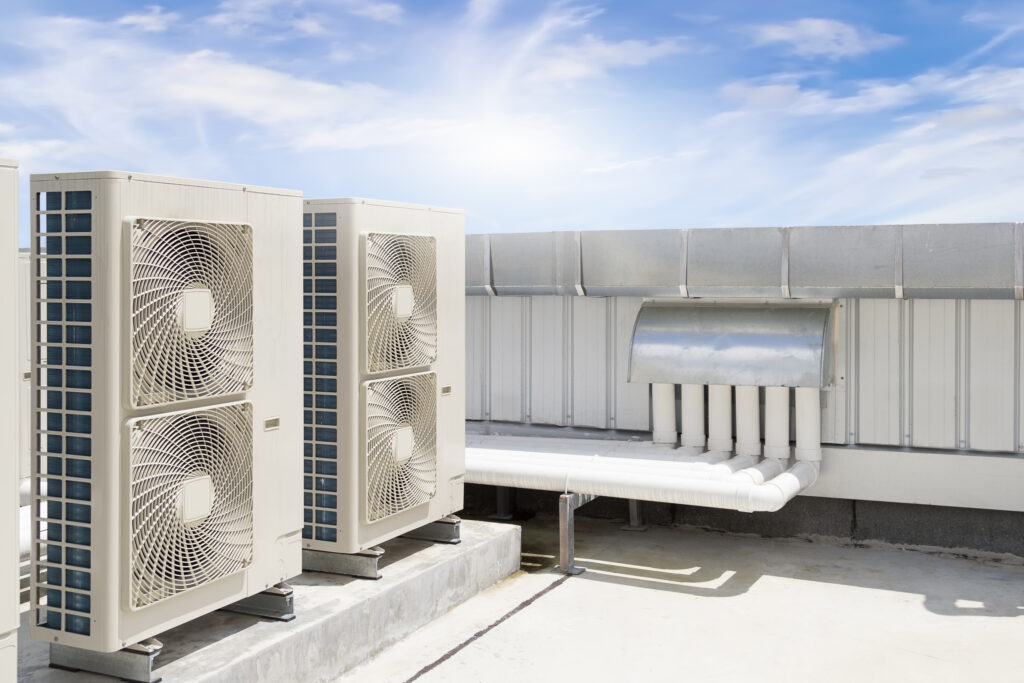
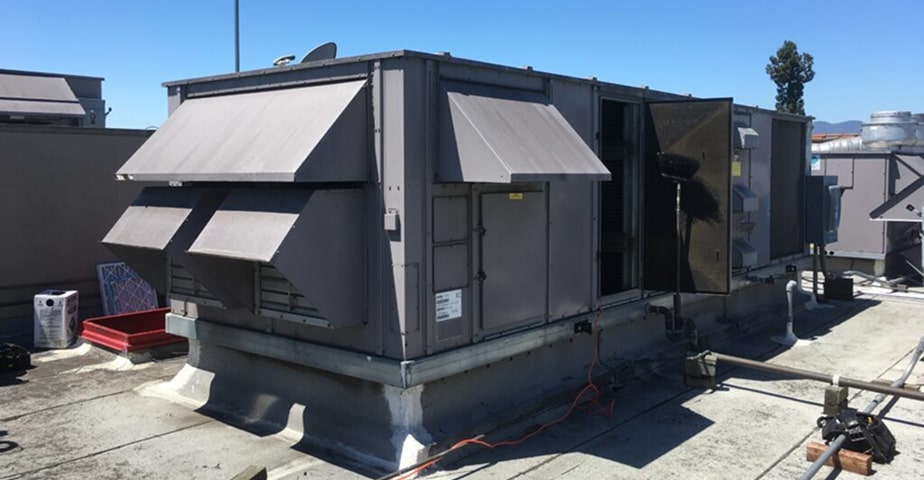
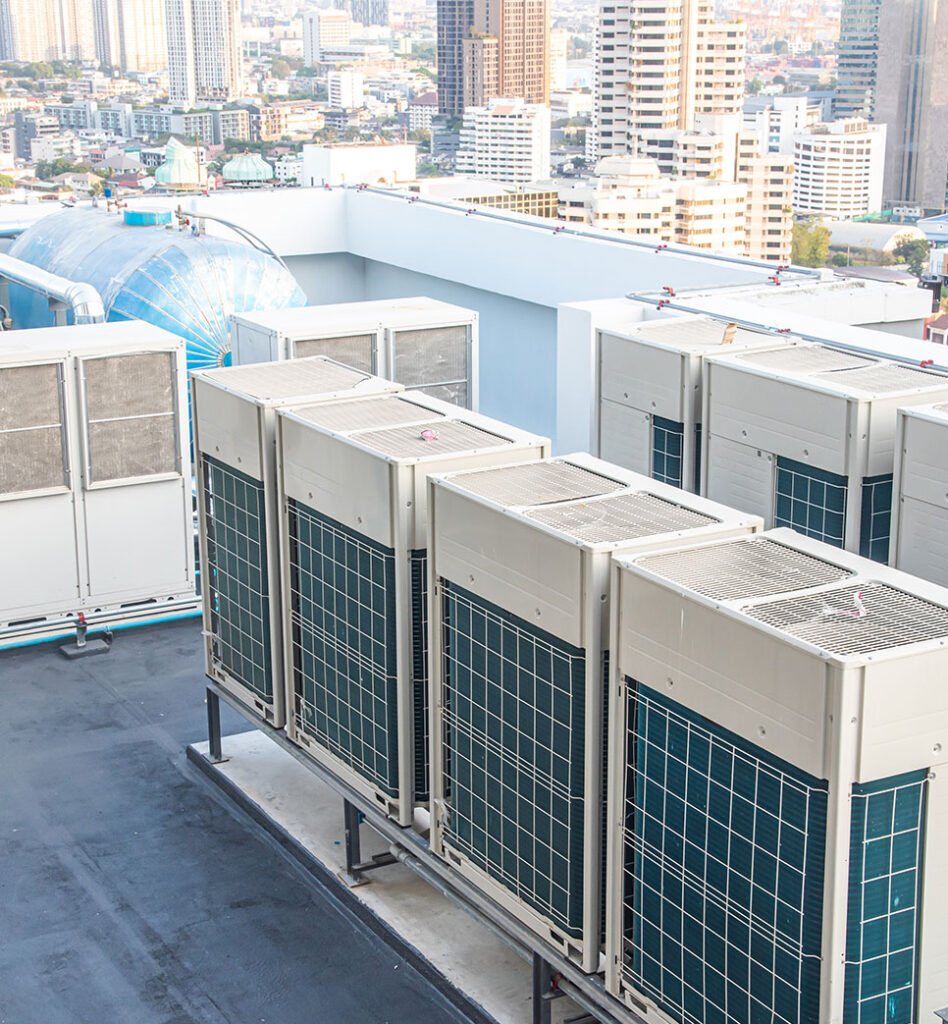
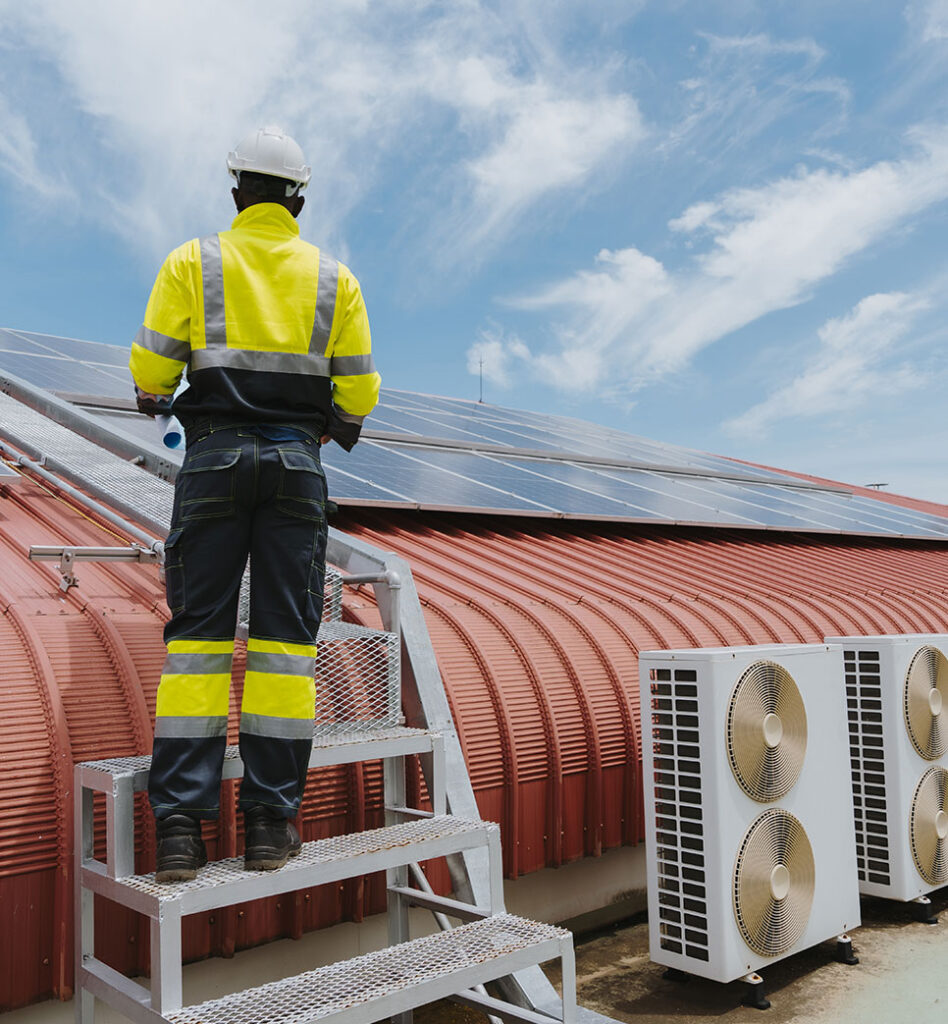
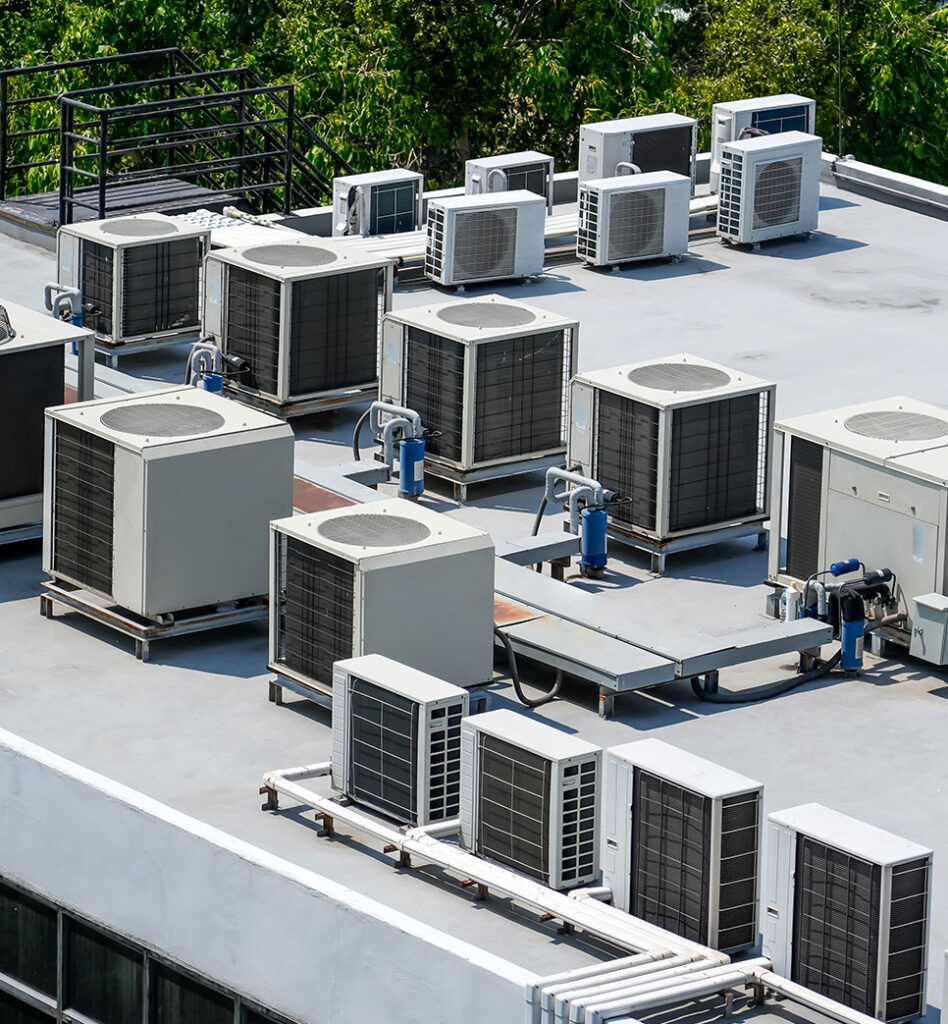
    Rooftop HVAC units are the unsung heroes of many commercial buildings. Perched high above the daily hustle and bustle, these powerful systems are responsible for maintaining a comfortable and productive environment for employees, customers, and tenants. However, their out-of-sight location often means they are also out of mind—until a problem arises. A sudden failure can lead to significant disruptions, uncomfortable conditions, and costly emergency repairs. For business owners and facility managers in areas like San Jose and Palo Alto, understanding the common issues that affect these systems is the first step toward prevention and efficient management.

    These complex machines are constantly exposed to the elements, from scorching summer heat to winter rain, putting them under immense strain. This exposure, combined with the normal operational wear and tear, can lead to a variety of predictable and preventable problems. This guide will walk you through the most frequent rooftop HVAC problems, from refrigerant leaks and electrical faults to mechanical breakdowns and poor maintenance practices. By recognizing the warning signs and understanding the causes, you can take proactive steps to ensure your system runs reliably, efficiently, and for its full intended lifespan.

    The Critical Role of a Healthy Rooftop HVAC System

    Before diving into the problems, it’s important to appreciate the vital role a rooftop unit plays in a commercial setting. Unlike the smaller systems found in homes, commercial HVAC units are designed to handle massive loads, conditioning large volumes of air to maintain consistent temperatures across expansive spaces like office buildings, retail centers, and industrial facilities. They are also crucial for ventilation, managing indoor air quality by circulating fresh air and filtering out pollutants.

    When a commercial HVAC system fails, the consequences extend beyond mere discomfort. A hot, stuffy office can lead to a drop in employee productivity. An overheated server room can result in catastrophic data loss. For retail businesses, an uncomfortable environment can drive customers away. These disruptions underscore the need for vigilance and a proactive approach to system health. Investing in regular upkeep and knowing when to call for professional commercial HVAC services is not just an operational expense; it’s a critical investment in business continuity.

    Problem 1: Refrigerant Leaks and Low Levels

    One of the most pervasive issues plaguing rooftop HVAC systems is related to refrigerant. Refrigerant is the lifeblood of your air conditioning system, a chemical compound that cycles through the unit to absorb heat from inside your building and release it outside. When the refrigerant level is low, the system cannot cool effectively. Contrary to a common misconception, refrigerant is not “used up” like fuel. It operates in a closed loop, so a low level is almost always a sign of a leak.

    Causes of Refrigerant Leaks

    Refrigerant leaks can develop for several reasons, many of which are exacerbated by the rooftop environment:

    • Vibrations: The constant operation of the compressor and fans can cause vibrations throughout the system. Over time, these vibrations can weaken solder joints and flare connections in the refrigerant lines, leading to small, slow leaks.
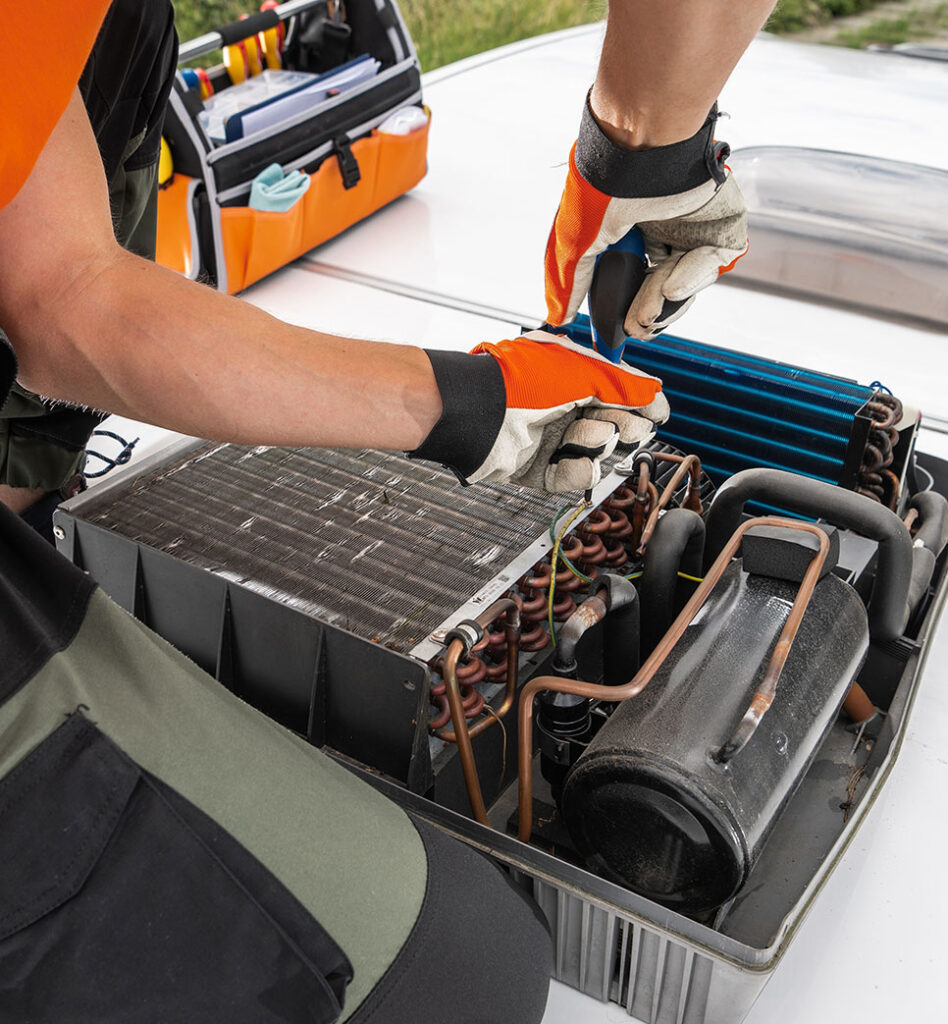
    • Corrosion: Rooftop units are exposed to rain, humidity, and atmospheric pollutants, which can cause metal components, particularly the evaporator and condenser coils, to corrode. This corrosion can create microscopic holes or cracks, allowing refrigerant to escape. Formicary corrosion, a specific type caused by a reaction between copper, water, and volatile organic compounds (VOCs), is a common culprit.
    • Physical Damage: Damage can occur from hail, falling debris from storms, or even accidental impact during maintenance or roof work. A dent or puncture in a refrigerant line or coil can cause a significant leak.

    Symptoms of a Refrigerant Leak

    Identifying a refrigerant leak early is crucial to prevent further damage and costly repairs. Watch for these signs:

    • Reduced Cooling Performance: The most obvious symptom is a decline in the unit’s ability to cool your space. The air coming from the vents may feel lukewarm or simply not as cold as it used to.
    • Ice Buildup on Coils: Low refrigerant levels cause the pressure within the system to drop, which can make the evaporator coil become excessively cold. This can lead to moisture in the air freezing on the coil’s surface, creating a layer of ice that further blocks airflow and reduces efficiency.
    • Hissing or Bubbling Sounds: A large leak may produce an audible hissing sound near the unit. You might also hear a gurgling or bubbling noise as the remaining refrigerant circulates.
    • Increased Energy Bills: When the system is low on refrigerant, it has to run longer and work harder to try and reach the thermostat’s set temperature. This inefficiency directly translates to higher electricity consumption.

    Simply “topping off” the refrigerant without fixing the source of the leak is not a solution. It’s a temporary fix that ignores the underlying problem and is harmful to the environment. A professional technician must locate and repair the leak before recharging the system to the manufacturer’s specifications. This is a key part of our comprehensive commercial refrigeration services.

    Problem 2: Electrical Failures and Component Malfunctions

    Rooftop HVAC units are complex electrical machines with numerous components that can fail. Electrical issues are a leading cause of system breakdowns and can pose significant safety risks if not addressed correctly. These problems can range from a simple blown fuse to a complete compressor failure.

    Common Electrical Issues

    Several key electrical components are prone to failure over time, especially under the heavy load of commercial use.

    • Failed Capacitors: Capacitors are small, cylindrical components that store and release energy to give the motors for the compressor and fans the initial jolt they need to start. They also help keep the motors running smoothly. Capacitors can weaken and fail due to age, overheating, or power surges. A failing capacitor might cause a motor to struggle to start (humming noise) or prevent it from starting at all.
    • Contactor Problems: A contactor is a type of switch that controls the flow of high voltage to the compressor and condenser fan motor. The contactor’s coil can burn out, or its points can become pitted and welded together from repeated electrical arcing. This can cause the outdoor unit to run continuously or not turn on at all.
    • Worn or Damaged Wiring: Exposure to sun, moisture, and high temperatures on a roof can cause wiring insulation to become brittle, crack, or corrode. Pests like rodents may also chew through wires. Damaged wiring can lead to short circuits, tripped breakers, and complete system failure.
    • Tripped Breakers: A circuit breaker that repeatedly trips is a clear warning sign. It indicates that the system is drawing too much current. This could be due to a failing motor, a short circuit, or a compressor that is struggling to start. Ignoring this can lead to more severe damage.

    The Dangers of DIY Electrical Repairs

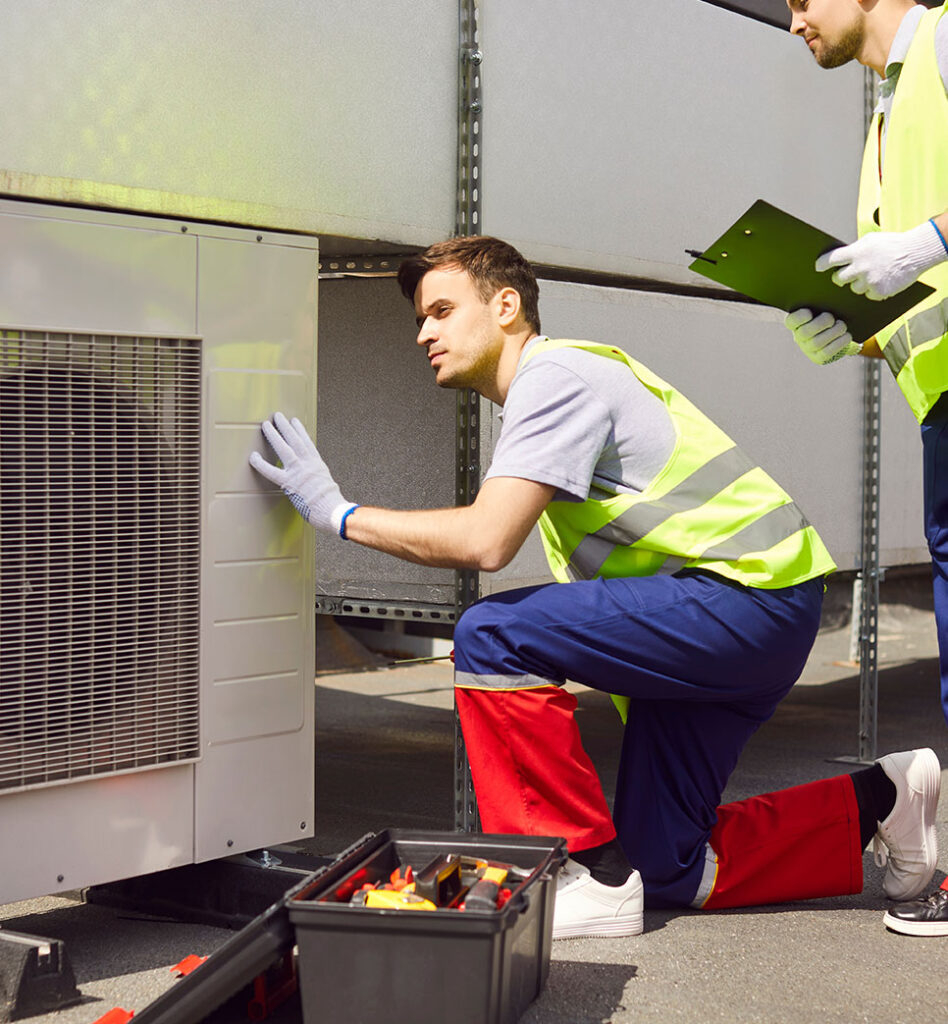
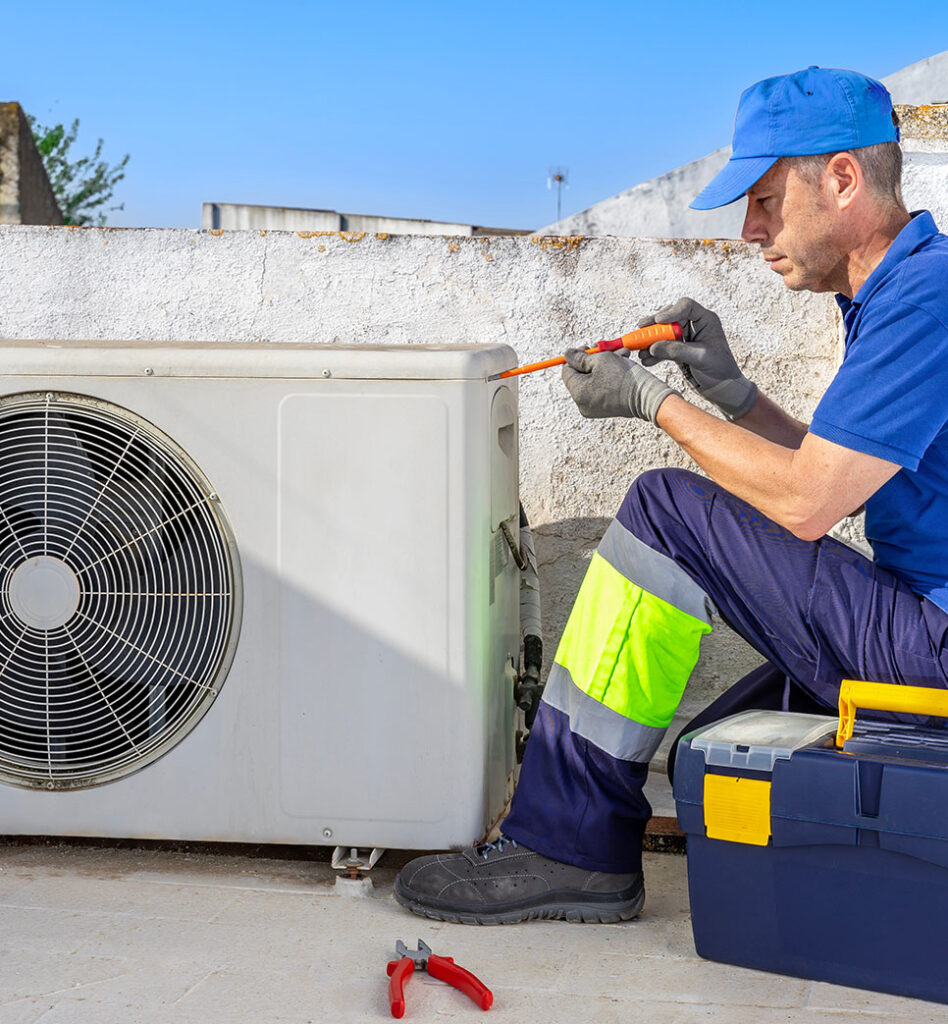
    While it might be tempting to try and fix a simple electrical issue yourself, it is extremely dangerous. Commercial HVAC systems operate on high voltage, and mishandling these components can result in severe electrical shock or fire. Diagnosing electrical problems requires specialized tools and knowledge. Always rely on a qualified technician for any commercial HVAC repair services, especially those involving the electrical system.

    Problem 3: Neglected Maintenance and Dirty Components

    Perhaps the most common—and most preventable—cause of rooftop HVAC problems is a lack of routine maintenance. When units are left to run without regular cleaning and inspection, small issues quickly snowball into major failures. Dirt, dust, and debris are the primary enemies of an efficient HVAC system.

    Dirty Coils (Condenser and Evaporator)

    The condenser and evaporator coils are essential for the heat exchange process. The condenser coil, located in the outdoor unit, releases heat into the outside air. The evaporator coil, inside the air handler, absorbs heat from your building’s air.

    • Dirty Condenser Coils: The outdoor unit’s fan pulls vast amounts of air across the condenser coils. This air contains dust, pollen, leaves, and other debris that can accumulate on the coil’s fins, creating an insulating blanket. When the coil is dirty, it cannot effectively release heat. This forces the compressor to work harder, increasing pressure and temperature within the system, raising energy consumption, and leading to premature component failure.
    • Dirty Evaporator Coils: Dirt on the evaporator coil obstructs airflow and insulates the coil, hindering its ability to absorb heat from the indoor air. This leads to poor cooling performance and can cause the coil to freeze over, similar to the effect of a refrigerant leak. A dirty evaporator coil can also contribute to poor indoor air quality as mold and bacteria can grow in the accumulated grime.

    Clogged Air Filters

    Air filters are the system’s first line of defense against dirt. They are designed to capture airborne particles before they can reach and accumulate on sensitive components like the evaporator coil and fan motor. When filters become clogged:

    • Airflow is Restricted: A clogged filter chokes the system, drastically reducing the amount of air that can pass through it. This strains the blower motor and leads to uneven temperatures and poor performance.
    • System Overheats: The reduced airflow can cause the heat exchanger in a furnace or the compressor in an AC unit to overheat, potentially leading to a complete shutdown or permanent damage.
    • Indoor Air Quality Suffers: A filter that is full of contaminants can no longer effectively clean the air. In fact, it can become a breeding ground for mold and bacteria, which are then circulated throughout your building.

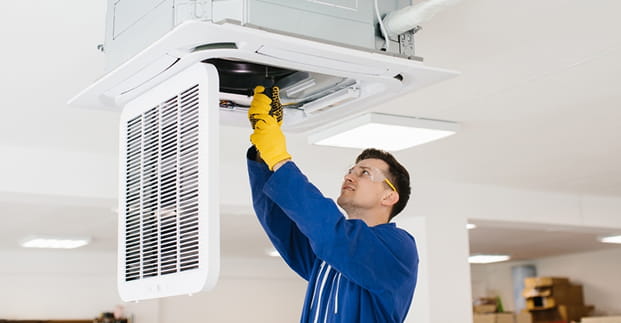
    Regularly scheduled filter changes and coil cleanings are fundamental aspects of any effective commercial refrigeration maintenance services plan. These simple tasks can dramatically improve efficiency, extend the life of your unit, and prevent costly breakdowns.

    Problem 4: Wear and Tear on Mechanical Components

    Like any machine with moving parts, a rooftop HVAC unit is subject to mechanical wear and tear. Over thousands of hours of operation, key components will degrade and eventually fail.

    Common Mechanical Failures

    • Fan Motor and Belt Issues: The blower motor and condenser fan motor are critical for moving air. The bearings in these motors can wear out over time, leading to screeching or grinding noises and eventual seizure. For units that use belts to connect the motor to the fan, these belts can stretch, crack, and break, causing the fan to stop spinning.
    • Compressor Failure: The compressor is the heart of the air conditioning system. It’s also the most expensive component to replace. Compressor failure can be caused by a wide range of issues, including electrical problems, refrigerant leaks, or a lack of lubrication. Often, a compressor fails as a result of other unresolved issues putting it under excessive strain for a prolonged period.
    • Drainage Problems: Air conditioning naturally produces condensation, which is collected in a drain pan and removed via a condensate drain line. Algae, sludge, and debris can clog this line, causing water to back up and overflow. On a rooftop unit, this overflow can cause significant water damage to the roof and potentially the building’s interior. In some systems, a clogged drain will trigger a float switch that shuts the entire unit down to prevent water damage.

    Preventing catastrophic mechanical failure often comes down to proactive maintenance. Regular inspections can identify worn belts, failing motor bearings, and partially clogged drain lines before they cause a complete system breakdown. When a major component like a compressor does fail, you’ll need to decide between repair and a full system overhaul, a decision best made with guidance from experts in commercial HVAC replacement services.

    Problem 5: Improper Installation or Sizing

    Sometimes, the problems with a rooftop unit date back to the day it was installed. An improperly installed or incorrectly sized unit will never operate efficiently and is destined for a short, trouble-prone life.

    • Incorrect Sizing: An oversized unit will cool the space too quickly without adequately removing humidity, leading to a cold, clammy feeling. This rapid cycling (short-cycling) also causes excessive wear on the compressor and other components. An undersized unit will run constantly without ever reaching the desired temperature, leading to high energy bills and premature failure from being overworked.
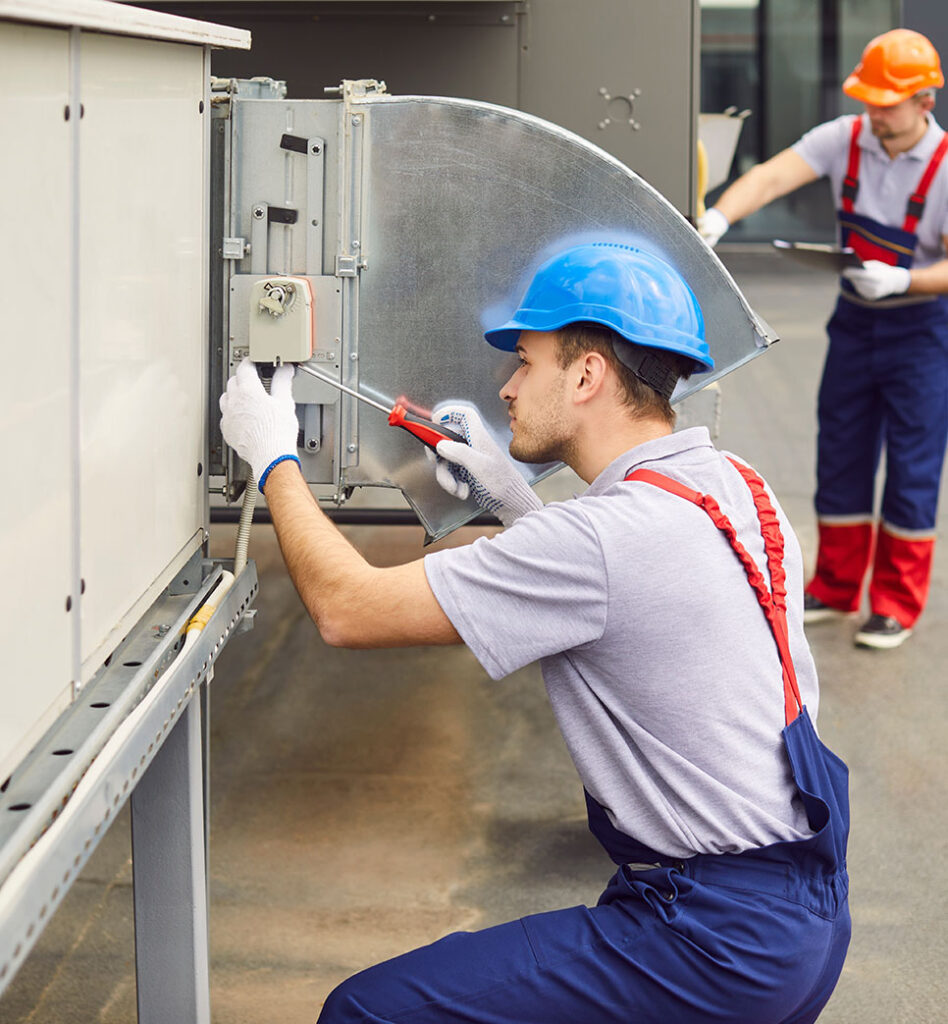
    • Ductwork Issues: Poorly designed or installed ductwork can create major performance problems. Leaky ducts can lose a significant portion of conditioned air into unconditioned spaces. Improperly sized ducts can create high static pressure, restricting airflow and straining the blower motor.
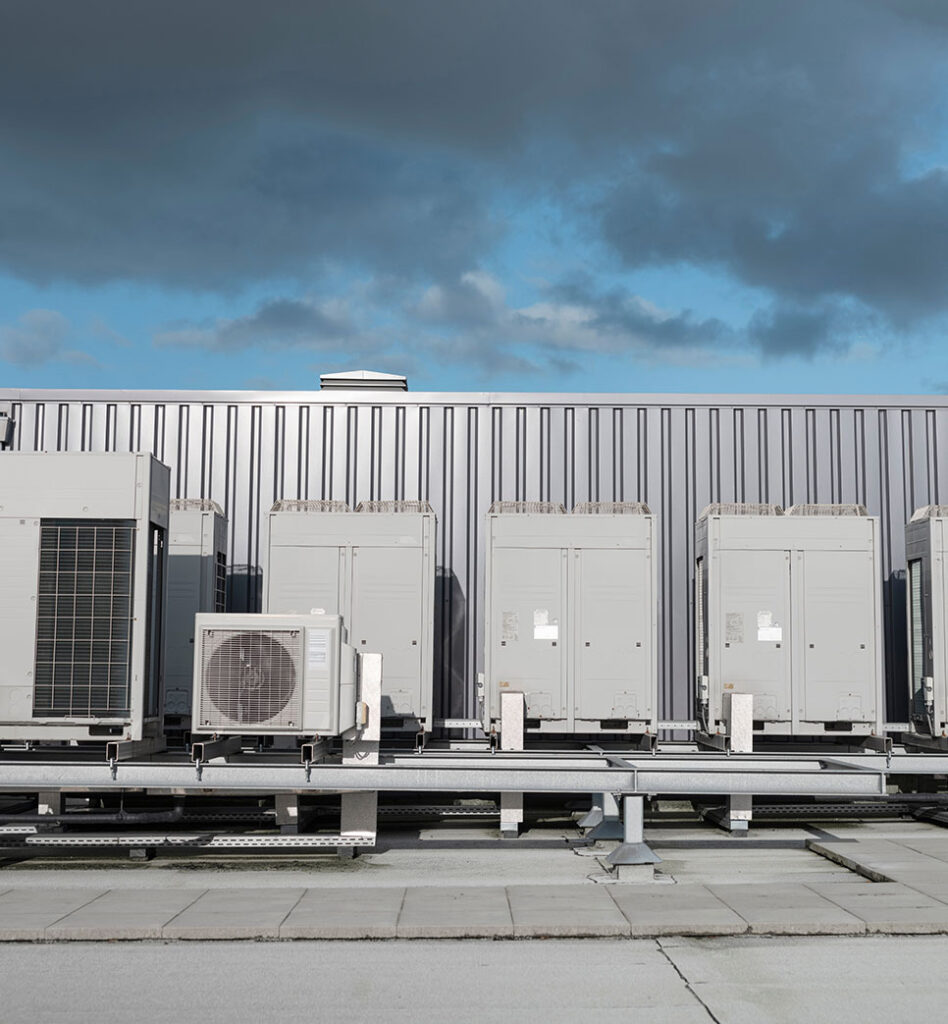
    • Improper Unit Placement: The unit must be placed on a level, stable curb that can support its weight and is properly sealed to prevent roof leaks. There must also be adequate clearance around the unit for proper airflow and service access.

    These issues highlight the importance of choosing a reputable and experienced contractor for the initial installation. If you suspect your building’s existing system suffers from these foundational problems, a professional assessment can determine the best course of action. This is particularly important for specialized environments like those requiring commercial server room cooling services, where precise sizing and installation are non-negotiable.

    The Solution: A Proactive Approach with Professional Partners

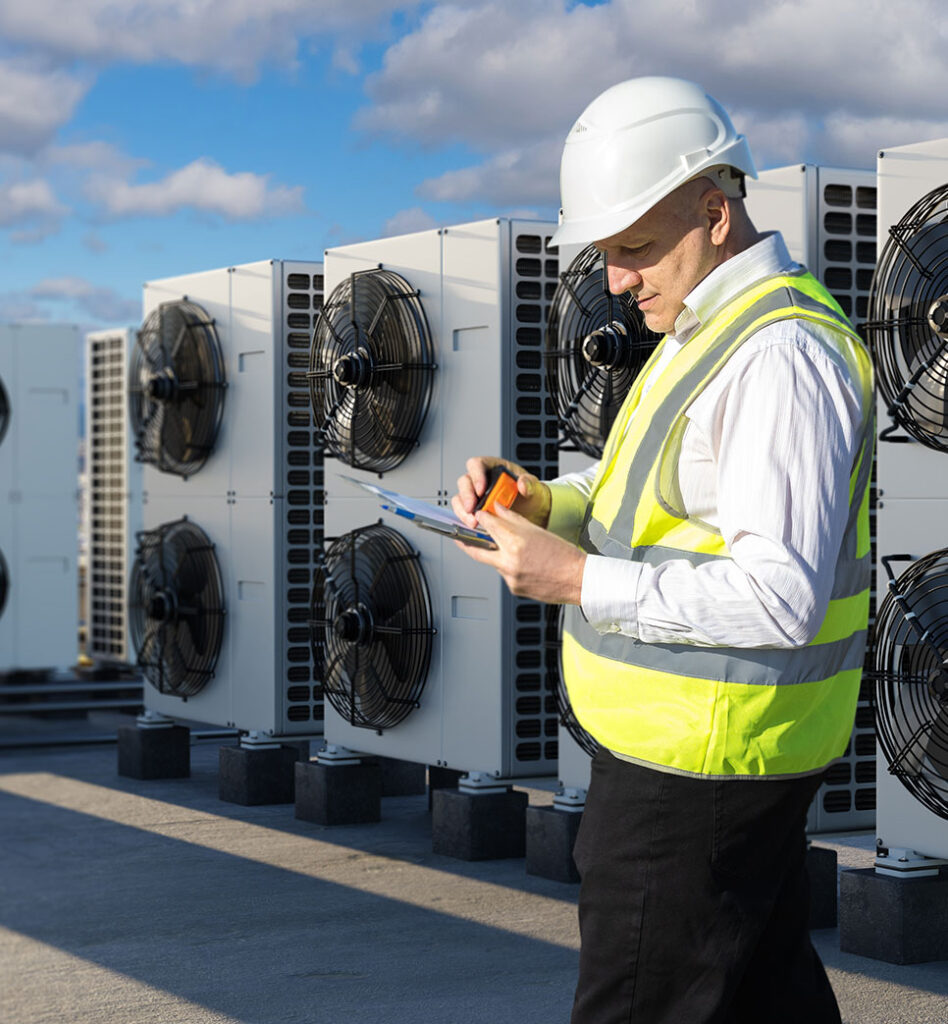
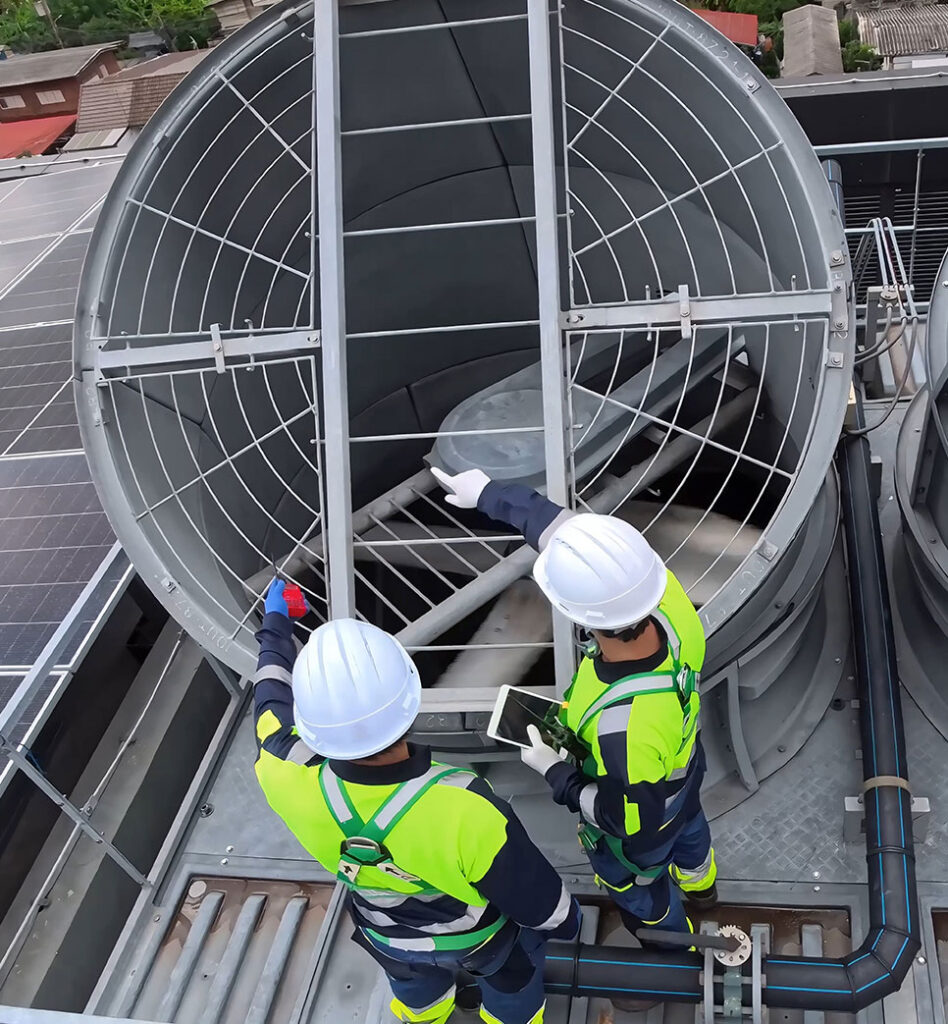
    The key to avoiding the disruption and expense of major rooftop HVAC problems is to shift from a reactive to a proactive mindset. Don’t wait for your system to fail on the hottest day of the year. Instead, partner with a trusted HVAC professional to implement a comprehensive maintenance plan. Regular inspections allow technicians to spot and address minor issues like dirty coils, worn belts, and low refrigerant levels before they escalate.

    For businesses in Fremont, Los Gatos, and across the Bay Area, having a reliable HVAC partner is essential. Whether you need routine maintenance, an urgent repair, or a consultation on a full system replacement, our team is here to help. We offer 24/7 support because we know that some problems can’t wait. When a critical failure occurs, you need access to emergency HVAC services that can respond quickly and effectively.

    By investing in preventative maintenance and building a relationship with a qualified commercial HVAC provider, you are protecting your employees, your customers, your assets, and your bottom line. Contact us today to schedule an inspection and ensure your rooftop unit is ready to handle whatever the seasons throw at it.


    Stay Comfortable Year-Round With Expert HVAC Service

    Book a trusted technician to handle your heating or cooling issue—fast, professional, and done right the first time.

    Book Service Now
    Blog post Image
    Blog post Image
    Blog post Image

    Frequently Asked Questions

    How do I know when condensing unit replacement is better than repair?

    Consider replacement when repair costs exceed 50% of replacement cost, when units are over 12-15 years old, or when efficiency losses significantly increase energy bills. We provide cost-benefit analysis to help you make the right decision for your specific situation.

    What energy savings can I expect from a new high-efficiency condensing unit?

    Modern units typically achieve 20-40% energy savings compared to units installed before 2010. For a business spending $500 monthly on refrigeration energy, this represents $100-200 monthly savings that often pays for replacement within 3-5 years.

    How long does condensing unit replacement take?

    Most replacements take 1-3 days depending on unit size and installation complexity. We coordinate work around your business schedule to minimize disruption and can often provide temporary cooling during installation when necessary.

      Schedule Your Service

      Stay Comfortable Year-Round With Expert HVAC Service

      Book a trusted technician to handle your heating or cooling issue—fast, professional, and done right the first time.

      Schedule a FREE Discovery Call
      Close

      Schedule Your Service