I Want

    Residential HVACCommercial HVACRefrigerationEmergency HVAC


    Fast | No obligation

    Common Installation Mistakes in Rooftop HVAC Systems

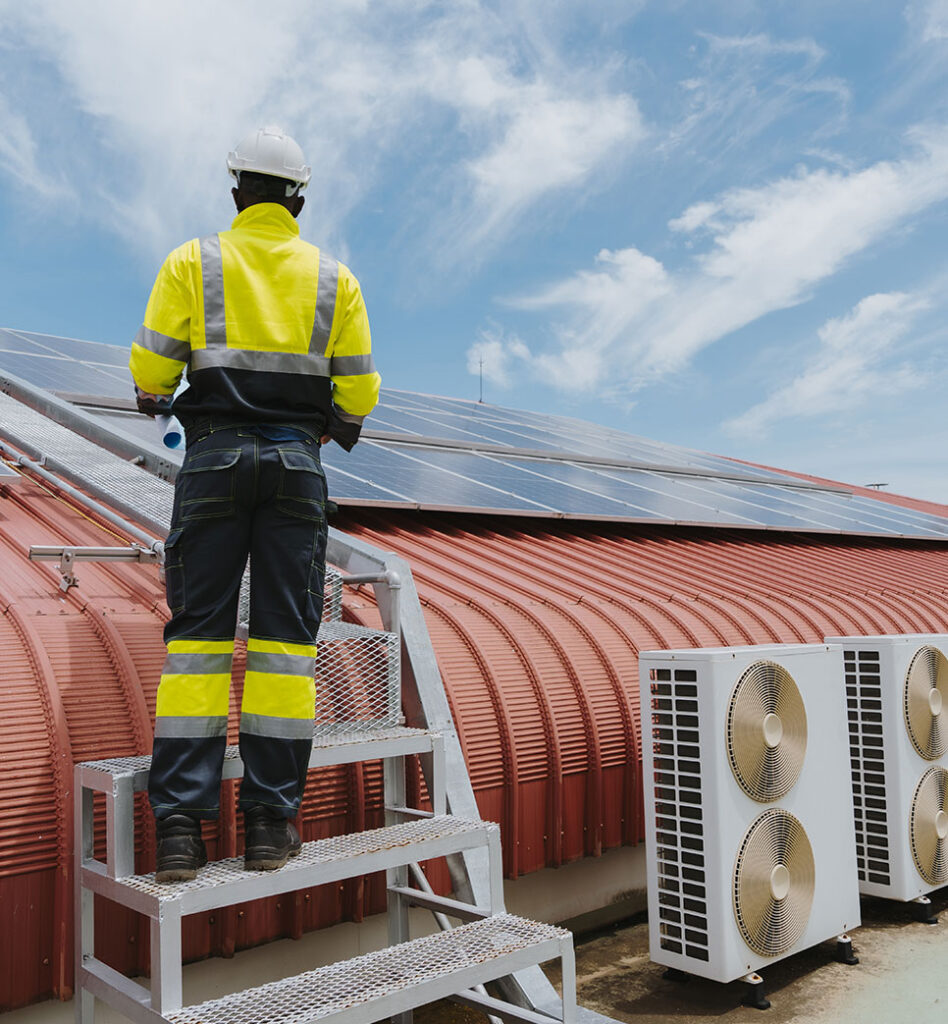
    Investing in a new commercial rooftop HVAC unit is a massive commitment. You are pouring capital into equipment that is supposed to keep your building comfortable, your employees productive, and your inventory safe for the next 15 to 20 years. But here is the hard truth: the best equipment in the world cannot overcome a bad installation.

    In the HVAC industry, it is often said that the most important day in the life of a unit is the day it is installed. Get it right, and you have a silent, efficient partner for decades. Get it wrong, and you have bought yourself a recurring headache that bleeds money through energy waste and frequent repairs.

    Unfortunately, installation mistakes are rampant. From rushing the job to cutting corners on materials, errors happen more often than building owners realize. These aren’t just cosmetic flaws; they are fundamental engineering failures that compromise the entire system.

    This guide dissects the most common installation mistakes we see in the field. By understanding these pitfalls, you can better vet your contractors, ask the right questions, and ensure your building gets the high-performance system it deserves.

    1. Improper Sizing: The Goldilocks Problem

    The most fundamental error happens before the crane even arrives. Sizing a commercial unit is not a guessing game, yet too many contractors treat it like one. They look at the old unit’s tonnage and simply order a replacement of the same size. This “like-for-like” replacement strategy is flawed for several reasons.

    The Danger of “Like-for-Like”

    First, the original unit might have been sized incorrectly 20 years ago. Second, your building has likely changed. Have you added energy-efficient windows? Upgraded insulation? Changed from halogen to LED lighting? Increased the number of employees or computers? All of these factors change the heat load of the building.

    Oversizing: Bigger is Not Better

    There is a persistent myth that a bigger unit will cool the space faster and work less. In reality, an oversized unit is a disaster for comfort and efficiency.

    • Short Cycling: An oversized unit cools the air so rapidly that the thermostat shuts it off after only a few minutes. This constant on-off cycling puts immense stress on the compressor and electrical components, leading to premature failure.
    • Poor Dehumidification: An air conditioner needs to run for a sustained period to remove moisture from the air. If it shuts off too quickly, the air gets cold but remains clammy and humid. This can lead to mold growth and an uncomfortable “cave-like” feeling in the office.
    • Temperature Swings: Instead of a steady, comfortable temperature, occupants experience blasts of freezing air followed by stagnant warm periods.

    Undersizing: The Never-Ending Run

    On the flip side, an undersized unit simply cannot keep up with the heat load on peak summer days. It will run continuously, driving up your electric bill while failing to reach the set temperature. This constant operation essentially runs the equipment into the ground.

    The Solution: Always insist on a Manual N load calculation. This engineering calculation accounts for every variable—square footage, occupancy, insulation, lighting, and local climate data—to determine the exact capacity required. If you suspect your current system is struggling due to sizing issues, our Commercial HVAC Services can provide a comprehensive assessment.

    2. Neglecting Ductwork Design and sealing

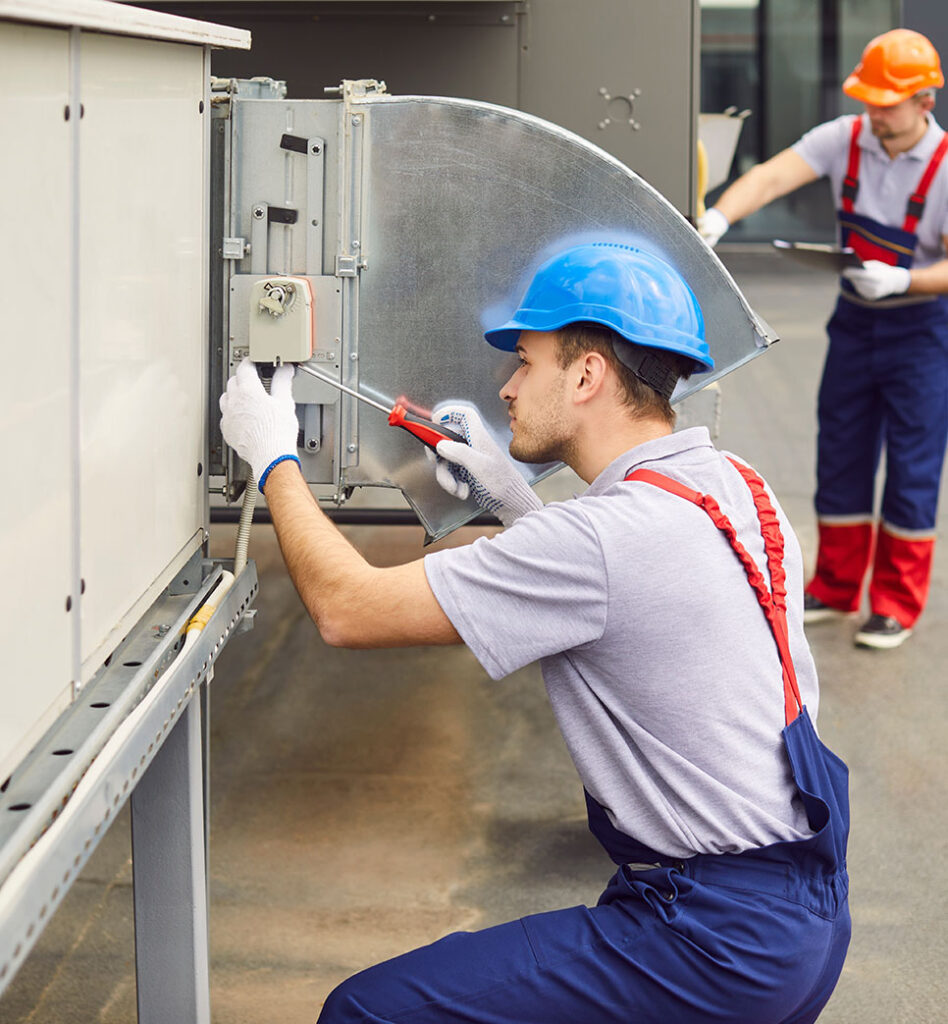
    You can have a state-of-the-art rooftop unit, but if the ductwork is flawed, that expensive conditioned air will never reach its destination. Ductwork is the circulatory system of your HVAC; if the arteries are clogged or leaking, the heart (the unit) works in vain.

    The “Frankenstein” Connection

    When replacing a rooftop unit, the new unit rarely matches the footprint of the old one perfectly. A common mistake is using a poorly fabricated “curb adapter” or forcing connections that restrict airflow.

    • High Static Pressure: If the transition from the unit to the existing ductwork is abrupt or too small, it creates high static pressure. This is like trying to breathe through a straw while running. The blower motor has to work much harder to push air, reducing efficiency and burning out the motor.
    • Turbulence and Noise: Sharp turns and poor transitions create air turbulence, which generates significant noise. If your office sounds like it’s inside a jet engine every time the AC turns on, it’s likely a ductwork design flaw.

    Leaky Ducts: Paying to Cool the Sky

    Duct leakage is a silent thief. In commercial buildings, ducts often run through unconditioned spaces like ceiling plenums or crawl spaces.

    • Energy Loss: The Department of Energy estimates that typical duct systems lose 25% to 40% of heating or cooling energy. If joints aren’t properly sealed with mastic or foil tape, you are literally blowing money into the ceiling.
    • Contamination: Leaky return ducts can suck in dust, insulation fibers, and other contaminants from the plenum and redistribute them throughout the building, degrading indoor air quality.

    The Solution: Ductwork should be inspected and, if necessary, redesigned during a replacement. Pressure testing should be performed to verify that the system is sealed tight.

    3. Improper Refrigerant Charging

    Refrigerant is the lifeblood of the cooling system. It absorbs heat from inside and releases it outside. The amount of refrigerant in the system—the “charge”—must be precise.

    The Myth of “Factory Charged”

    Many installers assume that because a unit comes “factory charged,” it is ready to go. While the unit contains refrigerant, the amount may need adjustment based on the length of the line set (if it’s a split system) or specific site conditions. Furthermore, if the unit is a split system (condenser on the roof, air handler inside), the factory charge is almost never sufficient for long pipe runs.

    Undercharging

    If the system has too little refrigerant:

    • Reduced Capacity: The unit cannot absorb enough heat, so it blows lukewarm air.
    • Frozen Coils: Ironically, low refrigerant causes the evaporator coil to get too cold, causing moisture in the air to freeze on the coil. This ice blocks airflow, eventually causing the system to shut down completely.
    • Compressor Overheating: Refrigerant actually helps cool the compressor motor. Without enough flow, the compressor can overheat and die.

    Overcharging

    If the system has too much refrigerant:

    • High Pressures: The internal pressures skyrocket, putting dangerous stress on valves and lines.
    • Slugged Compressor: Liquid refrigerant can enter the compressor cylinders. Since liquid cannot be compressed, this causes immediate, catastrophic mechanical failure (known as “slugging”).
    • Inefficiency: The system consumes more electricity to pump the excess fluid.

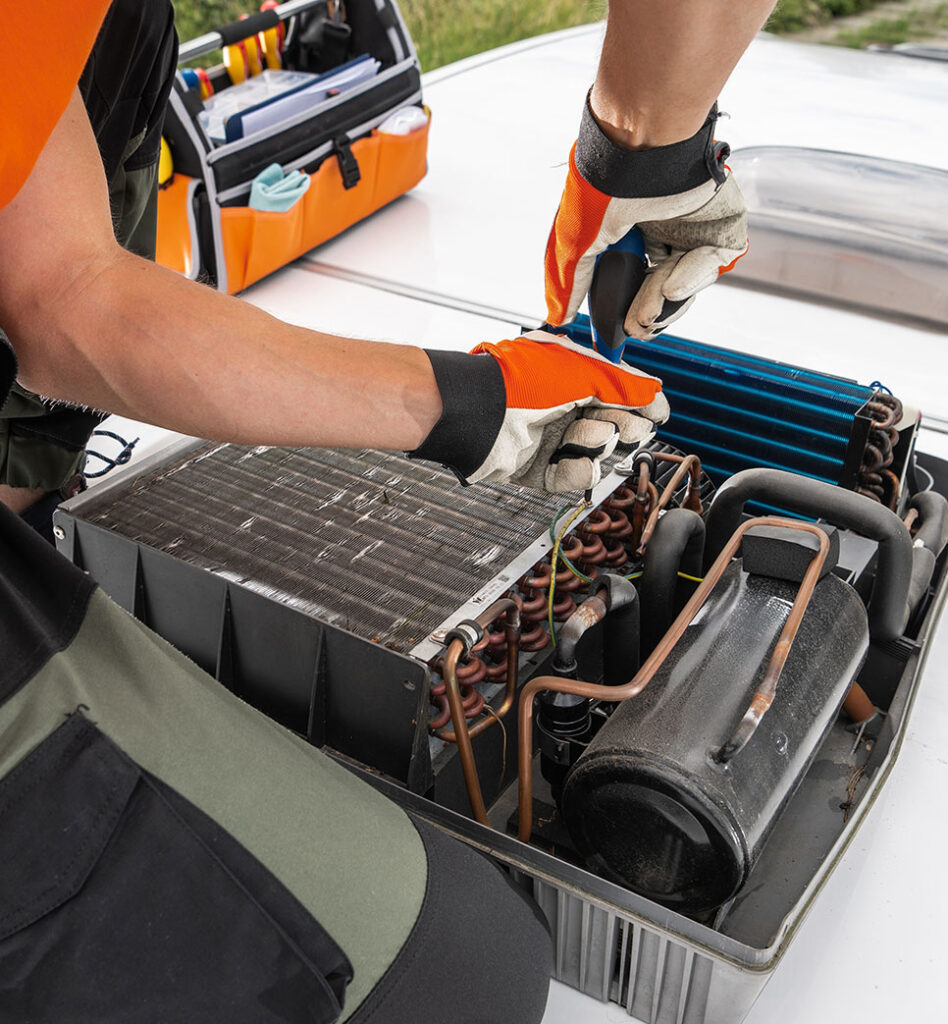
    The Solution: A certified technician must use gauges and temperature probes to measure “superheat” and “subcooling” during startup. These metrics tell them exactly how the refrigerant is behaving inside the system, allowing them to dial in the charge perfectly. If you are experiencing cooling issues, it might be a charge problem—contact our Commercial HVAC Repair Services for a diagnostic check.

    4. Poor Drainage and Condensate Management

    Air conditioners don’t just cool air; they dehumidify it. A 10-ton commercial unit can pull gallons of water out of the air on a humid day. That water has to go somewhere.

    The Trap Trap

    Every AC unit needs a condensate trap (P-trap) in the drain line. This water-filled bend prevents sewer gases or odors from being sucked back up the drain line and into the building’s air supply. A common mistake is installing a trap that is too shallow or missing altogether.

    • Negative Pressure Issues: In many commercial units, the drain pan is under negative pressure (suction). Without a proper trap, the suction prevents water from flowing out. The pan fills up and eventually overflows, leaking water into the building.

    Lack of Cleanouts and Vents

    Drain lines clog. Algae and sludge build up over time. A good installation includes easy-access cleanout ports so technicians can flush the line during maintenance. Without them, clearing a clog becomes a major operation involving cutting pipes.

    Ignoring the Secondary Drain

    Codes usually require a secondary drain pan or a float switch. If the primary drain clogs, the water flows into the secondary pan, which often triggers a switch to shut off the unit before it causes water damage. Installers cutting corners often skip this safety feature. The result? A clogged line on a Friday night leads to a collapsed ceiling tile and ruined merchandise on Monday morning.

    5. Electrical and Control Wiring Errors

    Modern commercial HVAC units are smart. They use sophisticated electronics to communicate between thermostats, sensors, and the unit itself. Wiring errors are common and can cause bizarre behavior.

    High-Voltage Mistakes

    • Loose Connections: Vibrations from the unit can loosen wire connections over time. If the installer didn’t tighten them to the proper torque spec, these loose connections create resistance, heat, and eventually melted wires or fires.
    • Improper Breaker Sizing: Using a circuit breaker that is too large for the unit creates a safety hazard (the wire will melt before the breaker trips). Using one that is too small leads to nuisance tripping every time the unit starts up.

    Low-Voltage Control Issues

    • Thermostat Location: Placing a thermostat on an exterior wall, in direct sunlight, or near a heat-generating appliance (like a copier) guarantees the system will never control the temperature correctly. The thermostat reads a “ghost” temperature, not the actual room temperature.
    • Economizer Wiring: As mentioned in previous discussions, economizers are often wired incorrectly. If the sensor is wired wrong, the unit might open the dampers on a hot day, flooding the building with heat.
    • Bypassing Safeties: In a rush to get a unit running, lazy technicians sometimes bypass safety switches (like high-pressure switches). This removes the unit’s ability to protect itself, ensuring that a minor problem becomes a catastrophic failure.

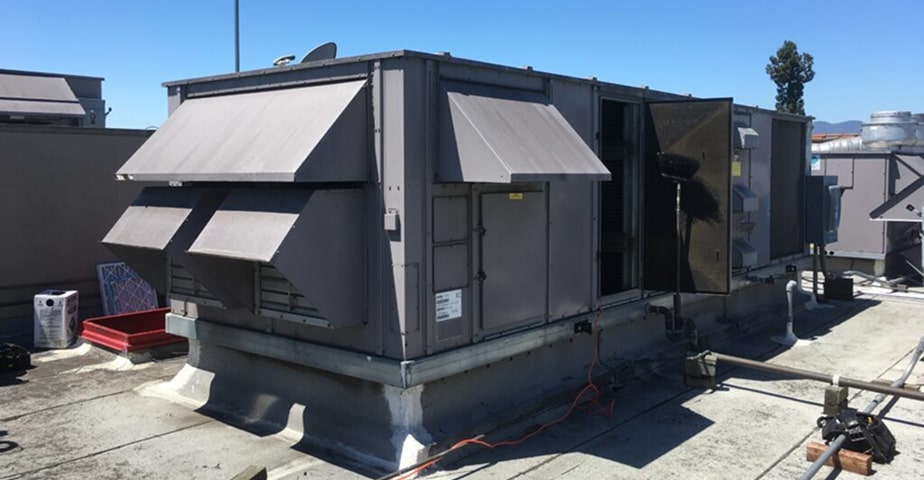
    6. Placement and Clearance Issues

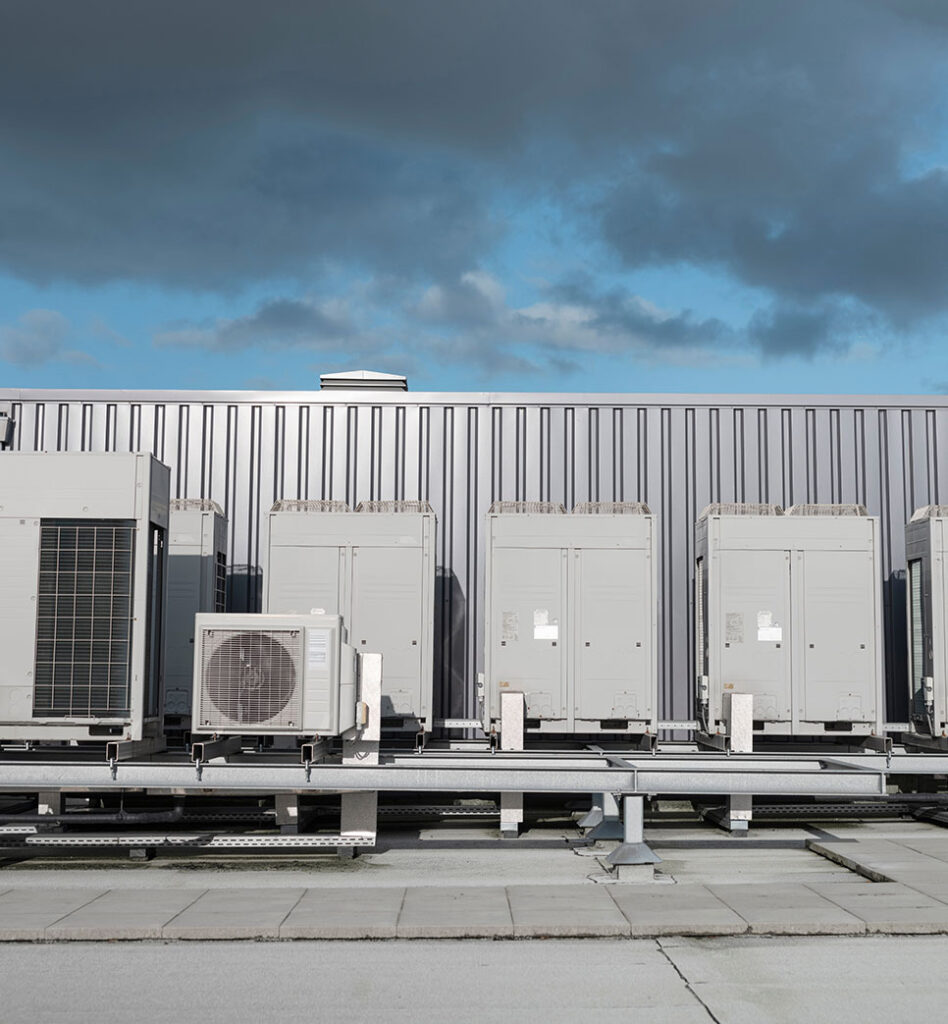
    Where the unit sits on the roof matters. Manufacturers provide strict guidelines on clearance distances around the unit.

    Airflow Starvation

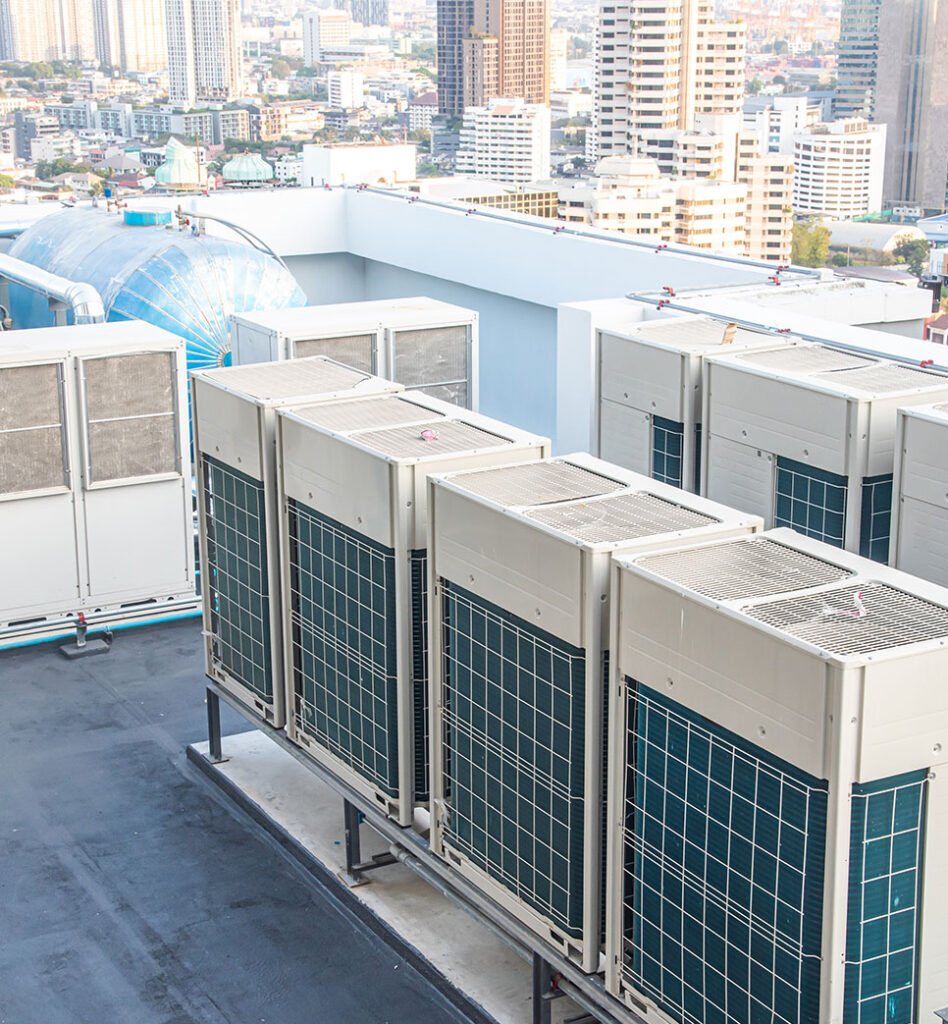
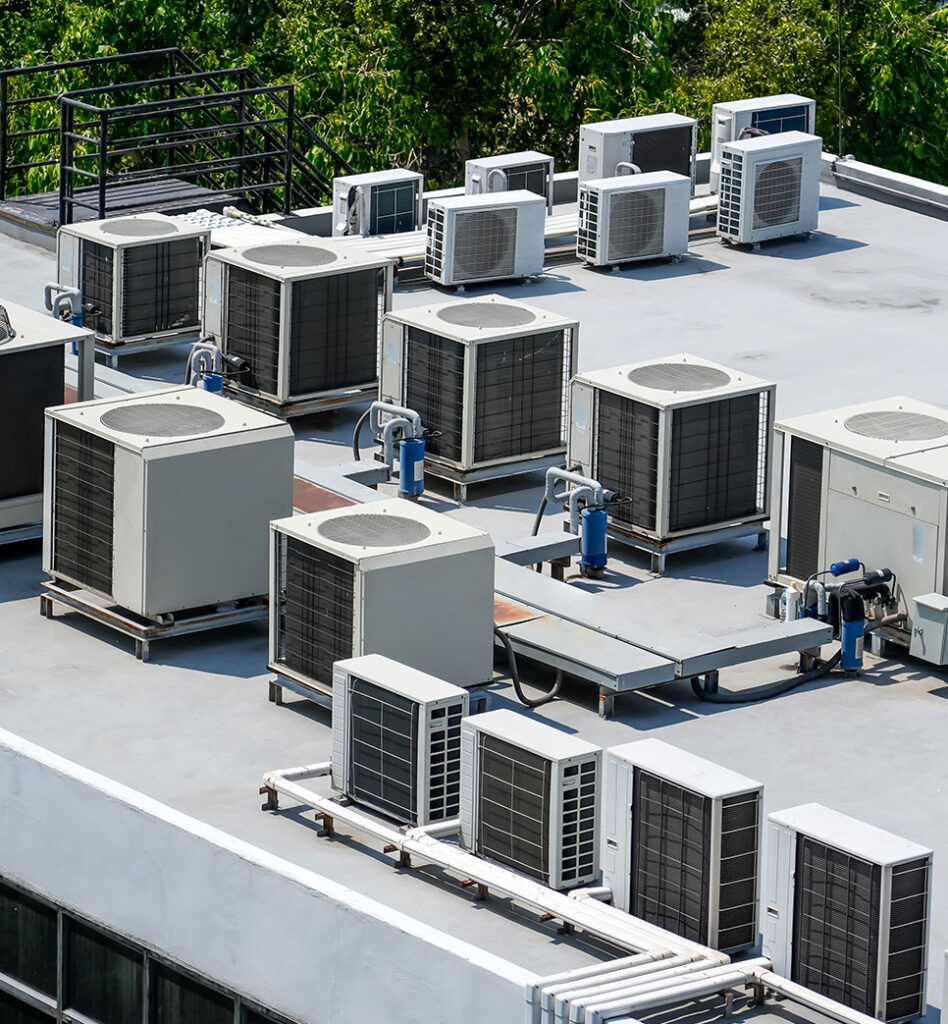
    Rooftop units need to breathe. They pull in massive amounts of air across the condenser coils to release heat. If units are installed too close to each other, or too close to a parapet wall, they end up recycling their own hot exhaust air.

    • Recirculation: The unit spits out 120°F air, hits a wall, and sucks it right back in. This drastically reduces efficiency and causes the head pressure to spike, tripping safety switches on hot days.

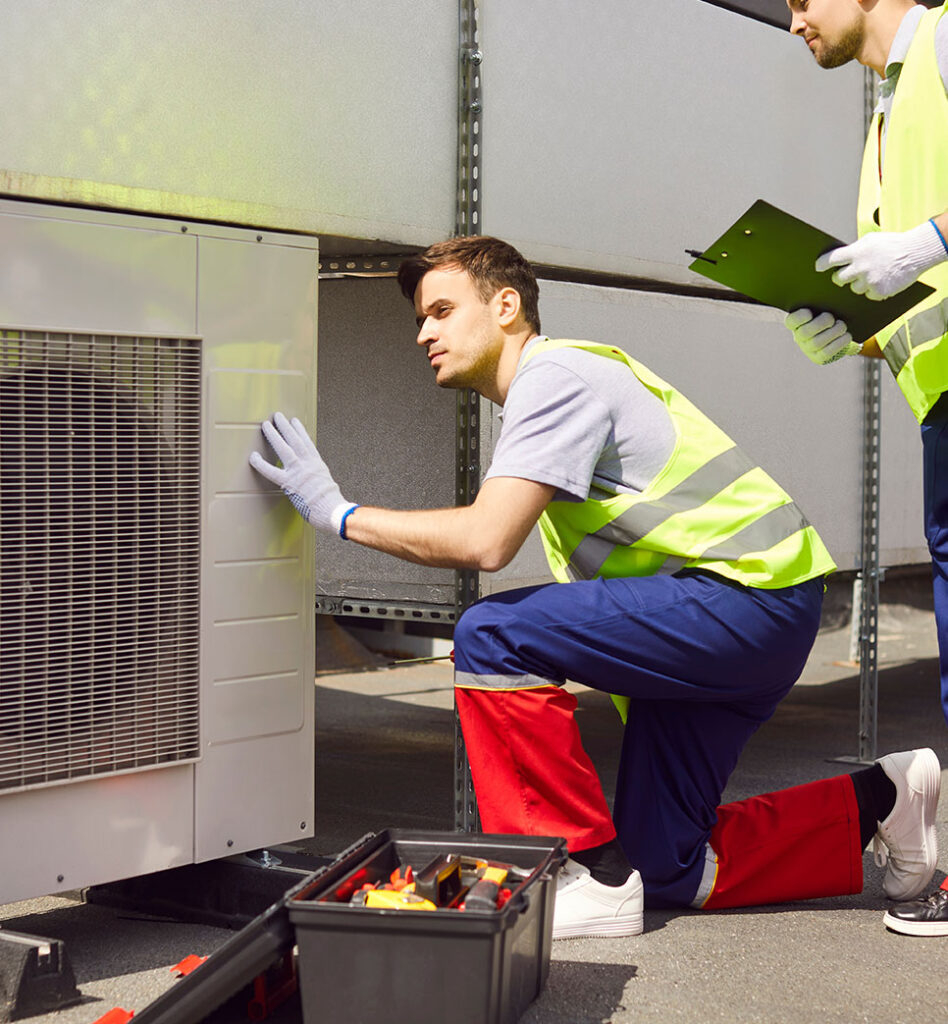
    Service Access

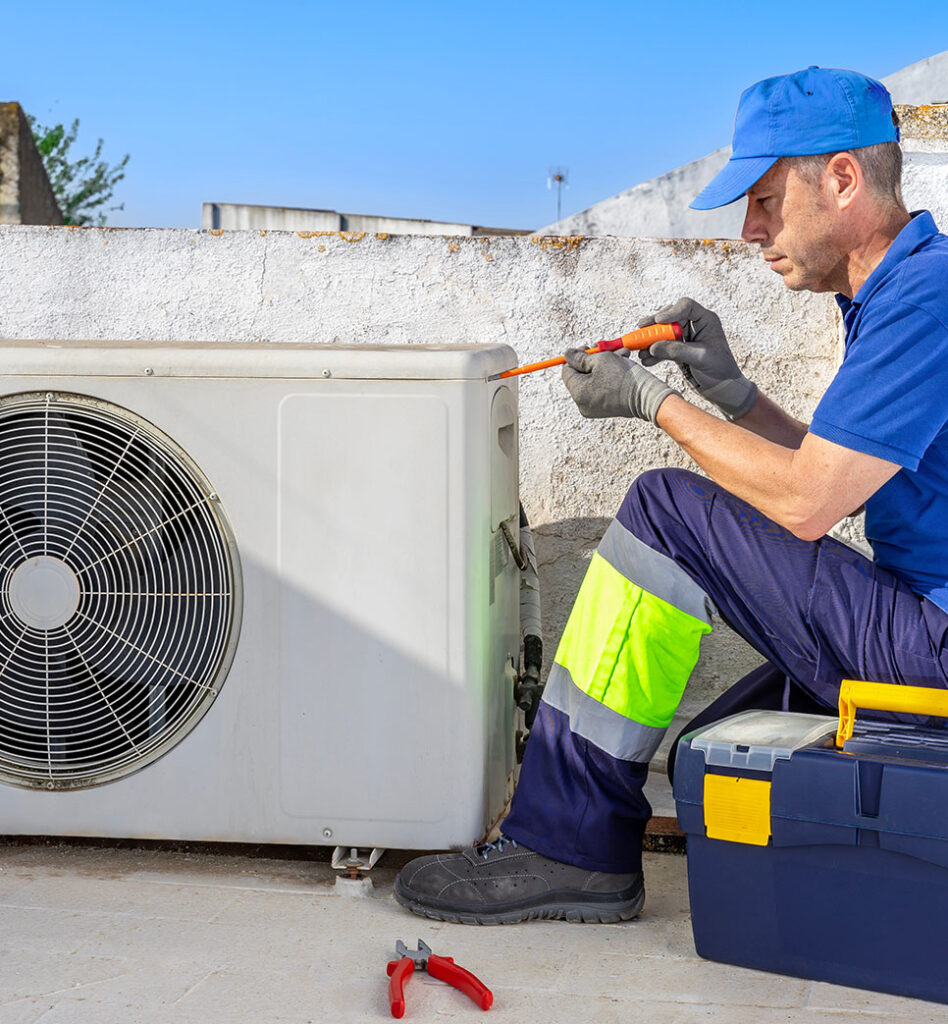
    Technicians need space to work. If a unit is jammed against a wall, a technician cannot open the access panels to change filters, clean coils, or replace belts. If a unit is unserviceable, it will be neglected. We have seen units where filters hadn’t been changed in five years simply because the installer left only six inches of clearance on the filter access side.

    7. Ignoring Vibration Isolation

    Commercial HVAC units contain large, heavy moving parts (compressors and fans) that vibrate. If the unit is bolted directly to the roof curb without proper isolation, the entire building becomes a sounding board.

    The Drum Effect

    The roof deck acts like a drum skin. The vibration travels down the structure and manifests as a low-frequency hum or rumble inside the building. This can be incredibly distracting for office workers or disturbing for hotel guests.

    • The Fix: Proper installation uses vibration isolation rails or spring isolators between the unit and the curb. Flexible canvas connectors should be used between the metal unit and the metal ductwork to stop vibration from traveling down the ducts.

    8. Failure to Check Gas Pressure (for Heating)

    Most rooftop units are “packaged units,” meaning they handle both cooling (electric) and heating (natural gas). When winter comes, the gas furnace side needs to work safely.

    The Manifold Pressure Mistake

    Gas valves are adjustable. The manufacturer specifies a precise manifold pressure (usually measured in inches of water column) to ensure the gas burns cleanly and efficiently.

    • Overfiring: If the pressure is too high, the furnace burns too hot. This can crack the heat exchanger, a dangerous failure that can leak carbon monoxide into the building.
    • Underfiring: If the pressure is too low, the flame can be unstable, causing soot buildup and poor heating performance.

    Lazy installers assume the valve is set correctly from the factory. A professional installer always uses a manometer to verify and adjust the gas pressure during commissioning.

    9. Skipping the Commissioning Process

    This is the “mother of all mistakes.” Commissioning is the final step where the installer tests every function of the system to ensure it performs according to design intent.

    What Commissioning Includes

    • Verifying airflow (CFM) across the coils.
    • Checking amperage draw on all motors.
    • Testing all safety limits.
    • Verifying thermostat programming.
    • Testing economizer operation.

    Many low-bid contractors treat installation as “drop it, wire it, leave it.” They turn it on; if it blows cold air, they pack up and leave. Without commissioning, you have no baseline for performance and no assurance that the system is efficient. You are essentially test-driving the car after you bought it.

    10. Lack of Documentation and Owner Training

    The installation isn’t finished until the building owner knows how to use the system.

    The “Mystery Box”

    A common mistake is failing to hand over the documentation. The owner is left without:

    • Warranty certificates.
    • Operations manuals.
    • A list of filter sizes and belt types.
    • The “Start-Up Sheet” (which proves the unit was installed correctly for warranty purposes).

    Training Gaps

    If you have a new programmable thermostat or a building automation system, someone needs to teach your facility manager how to use it. We see energy-efficient systems running 24/7 simply because nobody taught the owner how to set the schedule.

    The Cost of Cutting Corners

    Why do these mistakes happen? Usually, it comes down to price. A contractor bidding 20% lower than the competition has to cut costs somewhere. They cut costs by:

    • Hiring unskilled, uncertified labor.
    • Using cheaper materials (like thin-gauge sheet metal or cheap drain lines).
    • Rushing the job to get to the next one.
    • Skipping the time-consuming commissioning process.

    The tragedy is that the “savings” from the low bid evaporate almost immediately. The higher energy bills, the cost of correcting installation errors, and the shortened lifespan of the equipment far outweigh the initial price difference.

    How to Avoid These Pitfalls

    Protecting your investment starts with hiring the right team.

    1. Check Credentials: Ensure the company is licensed, bonded, and insured. Look for NATE-certified technicians.
    2. Ask About Their Process: Ask specifically about load calculations, duct pressure testing, and commissioning. If they look at you blankly when you say “Manual N,” find another contractor.
    3. Get it in Writing: The proposal should detail exactly what work will be done, including disposal of the old unit, permitting, and warranty terms.
    4. Prioritize Maintenance: Even a perfect installation needs care. Set up a maintenance plan immediately.

    If you are dealing with a problematic system or need a sudden replacement, you need a partner who values precision over speed. Our Emergency HVAC Services in San Jose, CA are available when things go wrong, but we prefer to help you get it right from the start.

    Conclusion

    A rooftop HVAC system is a complex integration of mechanics, electricity, and thermodynamics. It is not a toaster that you just plug in. The margin for error is slim, and the consequences of mistakes are expensive.

    By being aware of these common installation errors—from sizing and ductwork to refrigerant and controls—you can be an informed buyer. You can demand the quality that your business relies on.

    Don’t let a bad installation undermine your investment. Choose a partner who treats your building with the engineering respect it deserves. Whether you need a second opinion on a quote or a rescue mission for a botched install, we are here to help.

    Frequently Asked Questions

    Q: How do I know if my rooftop unit was sized correctly?
    A: If your unit runs constantly on hot days but never cools the space (undersized), or if it turns on and off frequently every few minutes (oversized), the sizing is likely wrong. A professional load calculation can confirm this.

    Q: Can I fix bad ductwork without replacing the whole system?
    A: Yes, in many cases. We can seal leaks, insulate ducts, or modify transitions to improve airflow without replacing the rooftop unit itself.

    Q: Why does my new AC unit smell like a sewer?
    A: This is a classic sign of a dry or missing condensate trap. The unit is sucking sewer gas up the drain line. A technician can install a proper trap to solve this immediately.

    Q: What is a “start-up sheet”?
    A: It is a document filled out by the installer during commissioning. It records voltage, amperage, pressures, and temperatures. It serves as a “birth certificate” for the unit and is often required to file a warranty claim.

    Q: My thermostat is in a bad spot. Can it be moved?
    A: Yes, moving a thermostat is a common fix. Alternatively, we can install remote sensors that average the temperature across the office, so the unit isn’t controlled solely by the thermostat’s location.


    Stay Comfortable Year-Round With Expert HVAC Service

    Book a trusted technician to handle your heating or cooling issue—fast, professional, and done right the first time.

    Book Service Now
    Blog post Image
    Blog post Image
    Blog post Image

    Frequently Asked Questions

    How do I know when condensing unit replacement is better than repair?

    Consider replacement when repair costs exceed 50% of replacement cost, when units are over 12-15 years old, or when efficiency losses significantly increase energy bills. We provide cost-benefit analysis to help you make the right decision for your specific situation.

    What energy savings can I expect from a new high-efficiency condensing unit?

    Modern units typically achieve 20-40% energy savings compared to units installed before 2010. For a business spending $500 monthly on refrigeration energy, this represents $100-200 monthly savings that often pays for replacement within 3-5 years.

    How long does condensing unit replacement take?

    Most replacements take 1-3 days depending on unit size and installation complexity. We coordinate work around your business schedule to minimize disruption and can often provide temporary cooling during installation when necessary.

      Schedule Your Service

      Stay Comfortable Year-Round With Expert HVAC Service

      Book a trusted technician to handle your heating or cooling issue—fast, professional, and done right the first time.

      Schedule a FREE Discovery Call
      Close

      Schedule Your Service