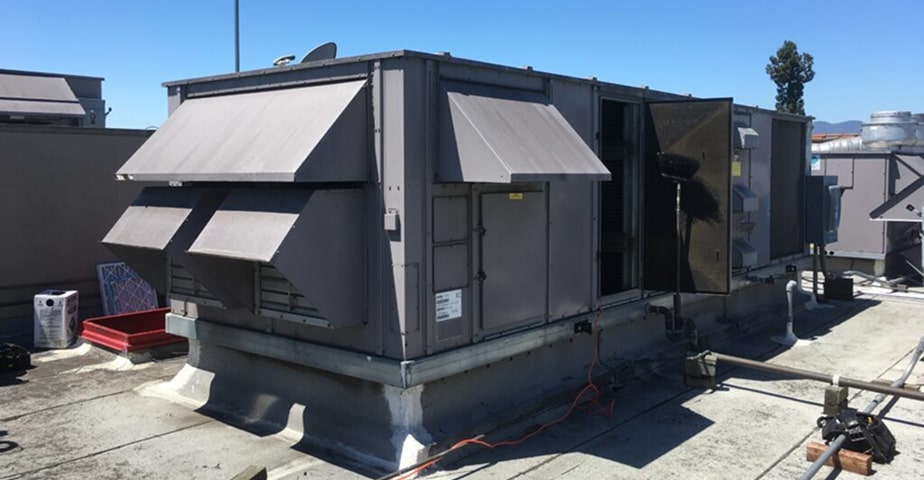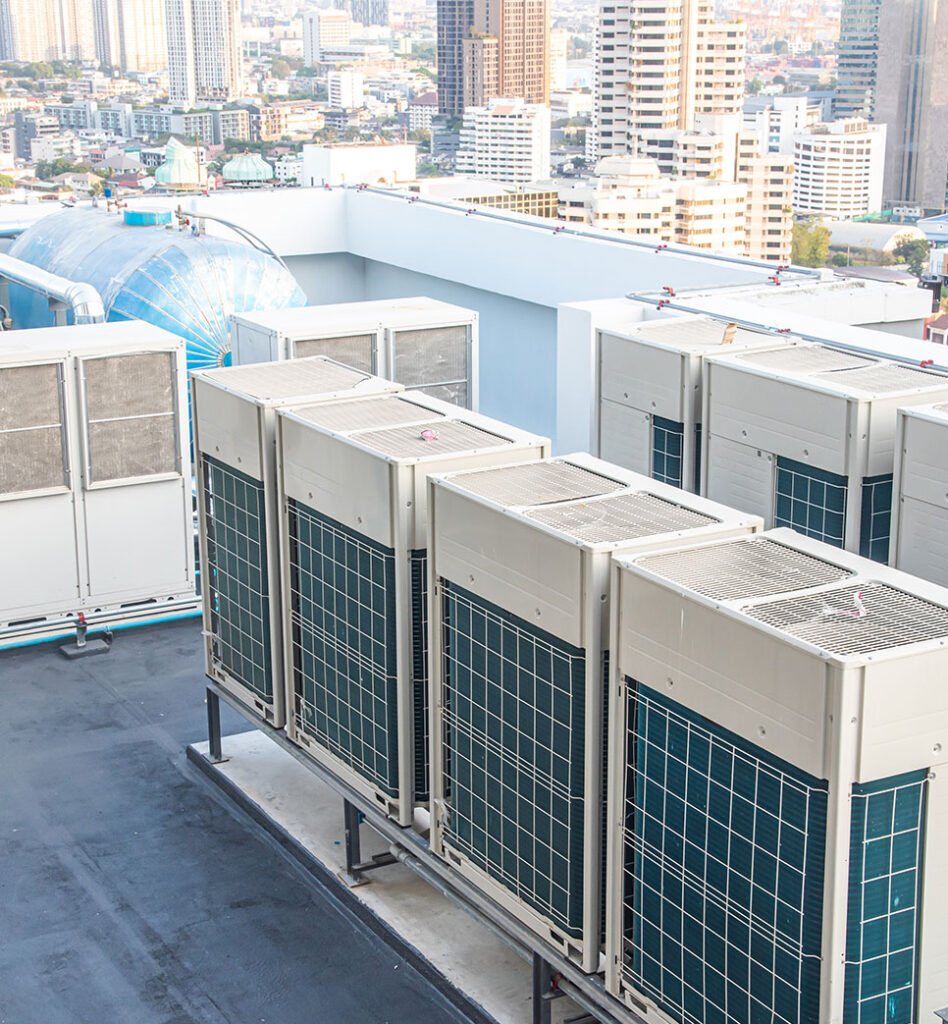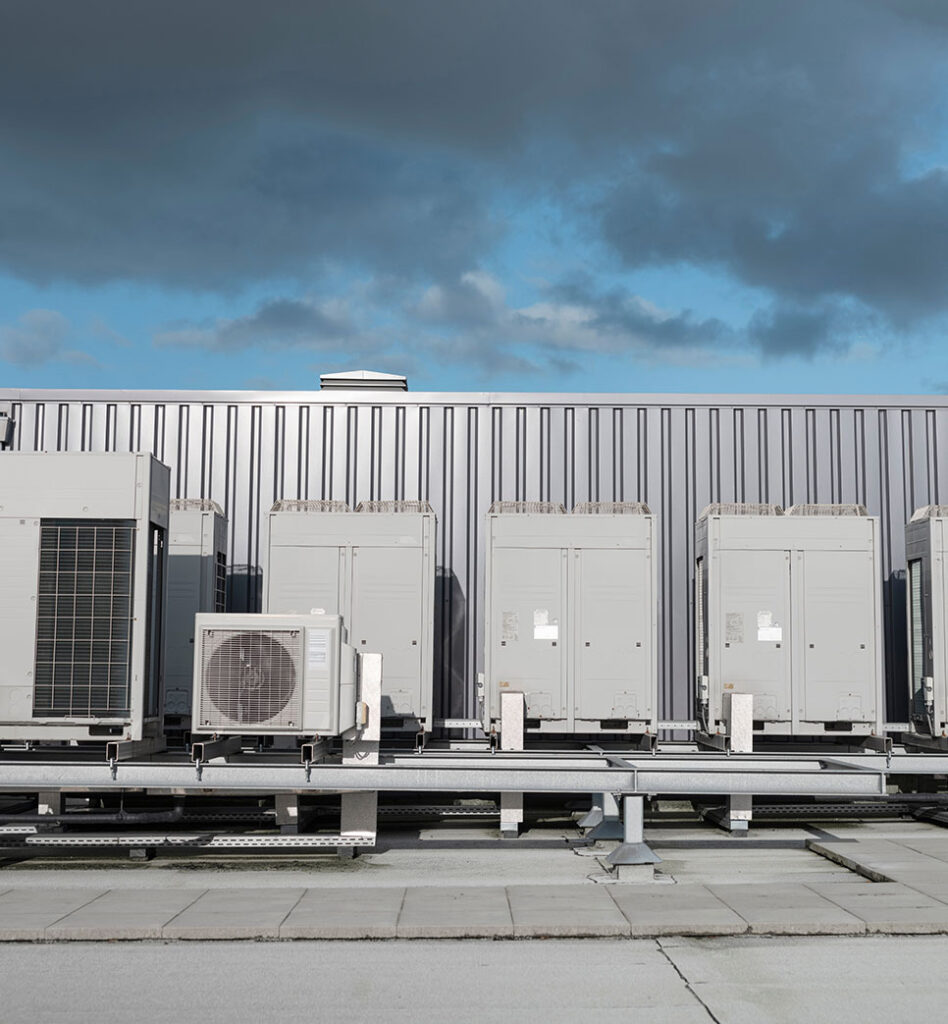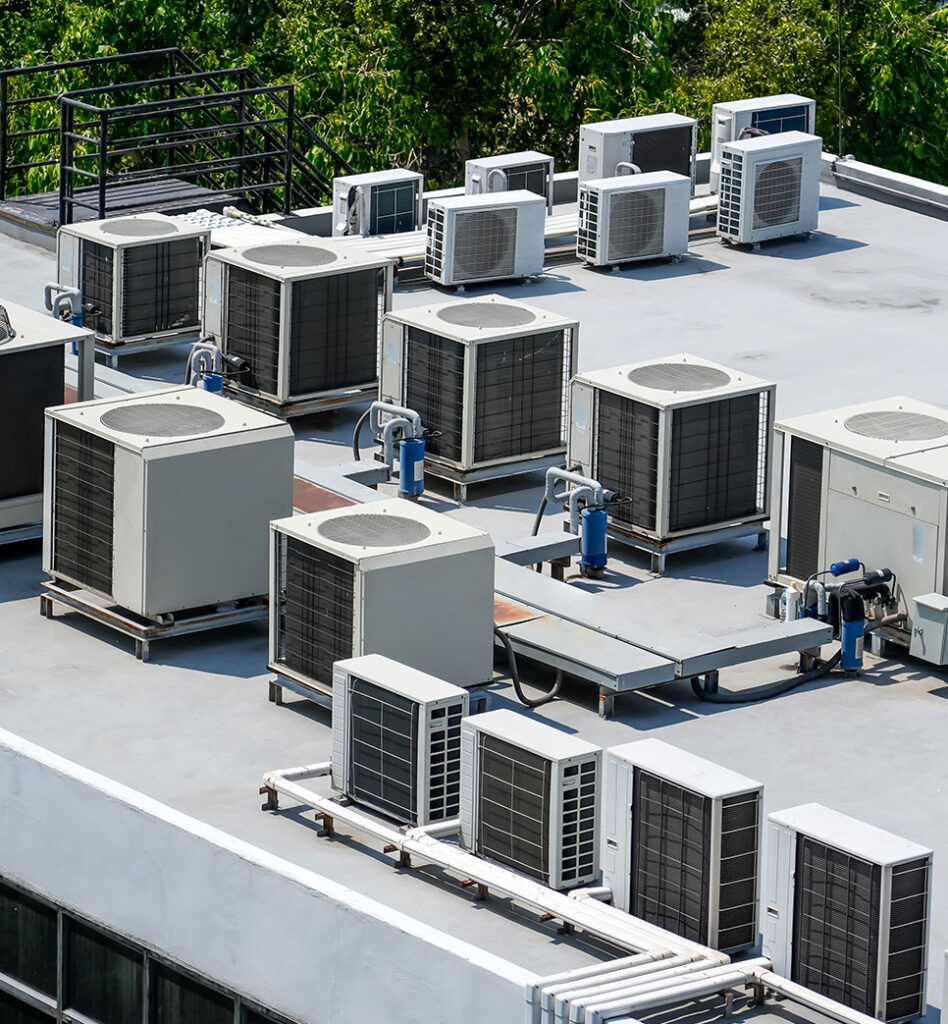
Managing a large commercial property requires a deep understanding of the systems that keep it running. Among the most critical of these is the Heating, Ventilation, and Air Conditioning (HVAC) system. For most commercial buildings—from shopping malls to office complexes—the equipment of choice is the rooftop unit (RTU).
These packaged units are marvels of engineering, containing all the necessary heating and cooling components in one weatherproof box. But what exactly is going on inside that metal cabinet on your roof? Understanding the anatomy of a rooftop unit isn’t just for technicians; it’s valuable knowledge for facility managers and business owners who want to ensure efficiency and longevity for their investments.
In this guide, we will dissect the common components of a commercial rooftop HVAC unit. We will explore how each part functions, why it matters, and how they all work together to maintain a comfortable indoor climate.
The Heart of the System: The Compressor
If the rooftop unit is the body of your HVAC system, the compressor is undoubtedly the heart. It is the engine that drives the entire refrigeration cycle, pumping refrigerant through the system to transfer heat out of your building.
The Role of Compression
The primary job of the compressor is to take low-pressure, low-temperature refrigerant gas returning from the evaporator and compress it into a high-pressure, high-temperature gas. This physical change is essential because heat naturally flows from a warmer object to a cooler one. By raising the temperature of the refrigerant above the outdoor ambient temperature, the system can effectively dump the heat it collected from inside your building into the outside air.
Without a functioning compressor, the heat transfer process stops dead in its tracks. This is why compressor failure is often considered a catastrophic breakdown, usually requiring significant Commercial HVAC Repair Services to resolve.
Types of Compressors in RTUs
Commercial units typically use one of two main types of compressors:
- Scroll Compressors: These are the industry standard for most modern commercial RTUs. They operate using two interleaving spirals (scrolls) to compress the refrigerant. They are known for being efficient, quiet, and reliable because they have fewer moving parts than older piston-driven models.
- Reciprocating Compressors: These function similarly to a car engine, using pistons within cylinders to compress the gas. While less common in new, high-efficiency units, they are still found in many older systems and specialized applications.
Maintenance Considerations
Because the compressor works so hard, it is often the most expensive component to replace. Keeping the coils clean and ensuring proper airflow helps prevent the compressor from overheating, which is the leading cause of premature failure.
The Heat Release Station: The Condenser Coil and Fan
Once the refrigerant leaves the compressor as a hot, high-pressure gas, it heads to the condenser section. This part of the RTU is responsible for rejecting the heat pulled from your building’s interior.
How the Condenser Coil Works
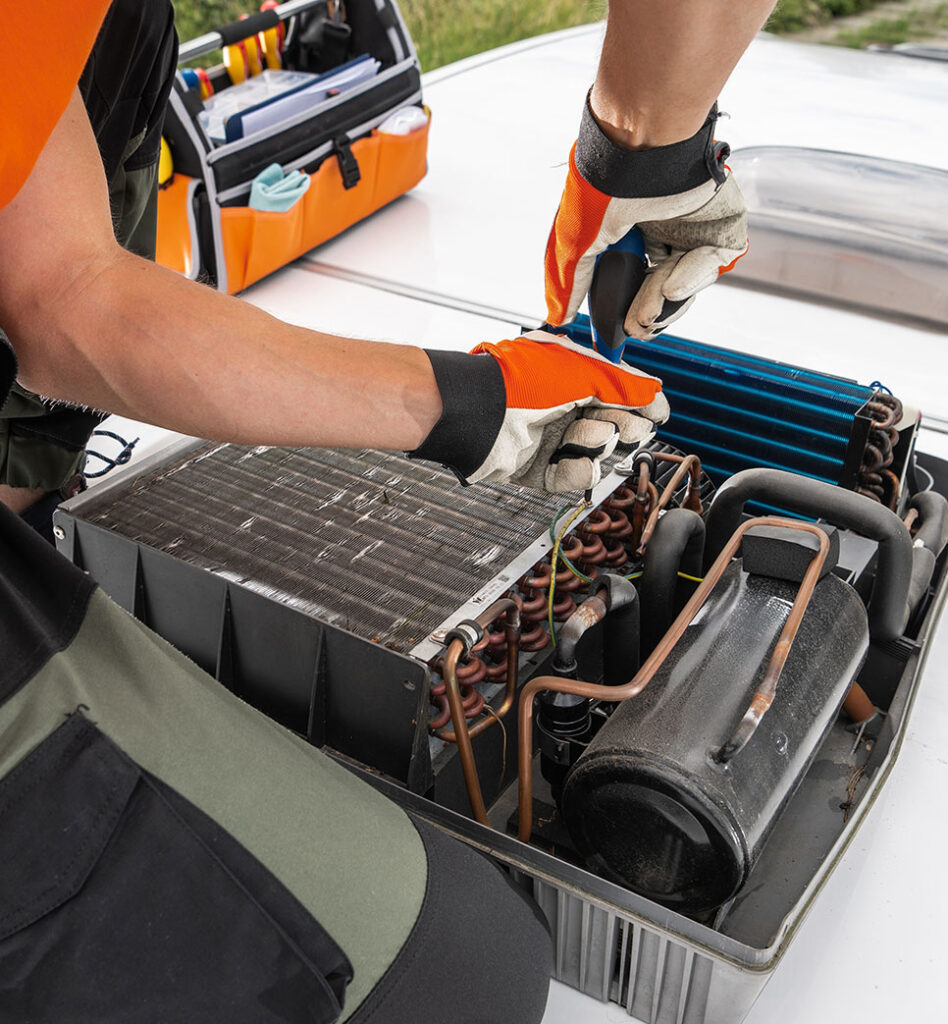
The condenser coil looks somewhat like a car radiator. It is a network of tubes with aluminum fins attached to them. As the hot refrigerant flows through these tubes, the fins increase the surface area, allowing heat to dissipate rapidly.
This is where the second law of thermodynamics takes center stage. Since the refrigerant inside the coil is hotter than the outside air (even on a hot summer day), heat energy naturally radiates away from the coil and into the atmosphere. As the refrigerant loses heat, it condenses from a gas back into a high-pressure liquid.
The Importance of the Condenser Fan
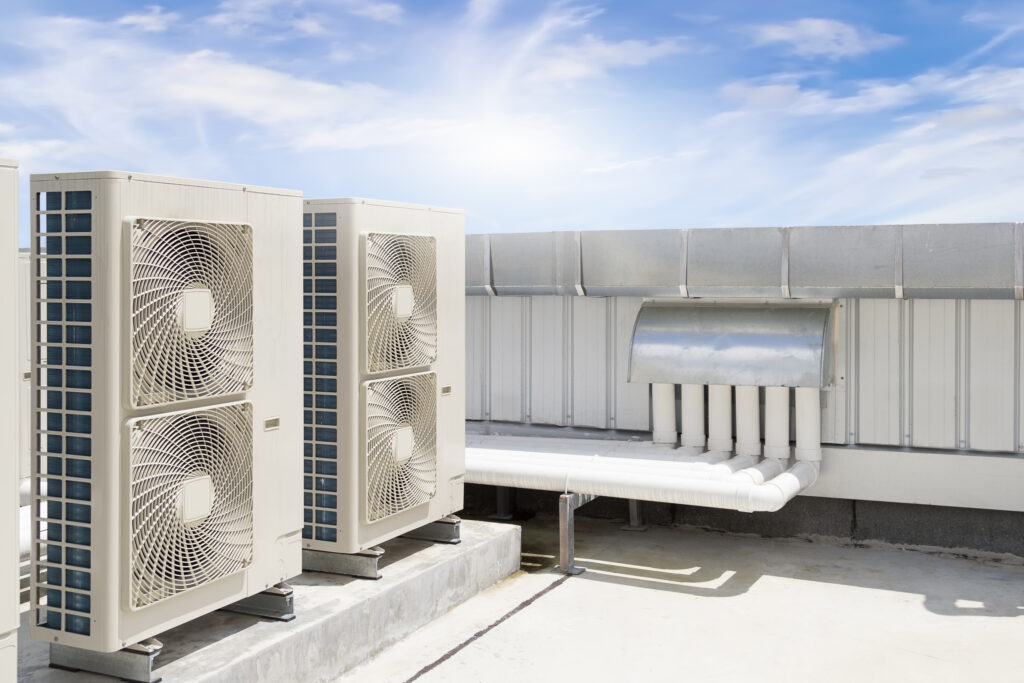
Passive radiation isn’t enough to cool the refrigerant quickly. That’s where the condenser fan comes in. This powerful fan pulls outdoor air through the sides of the unit, across the coil fins, and blasts it out the top of the unit.
You’ve likely seen (and heard) these fans spinning on rooftops. Their job is critical: if the fan fails or if the coil is blocked by dirt, cottonwood, or debris, the refrigerant cannot cool down. This causes the pressure in the system to spike, forcing the compressor to work harder and potentially trip the safety limit switches.
Regular maintenance to clean these coils is a core part of our Commercial HVAC Services, ensuring your energy bills stay low and your equipment lasts longer.
The Cooling Engine: The Evaporator Coil
After leaving the condenser, the liquid refrigerant moves indoors—or rather, to the section of the RTU that handles indoor air. This is where the magic of cooling actually happens.
The Phase Change
Before entering the evaporator coil, the refrigerant passes through a metering device (often a Thermal Expansion Valve or TXV). This device rapidly reduces the pressure of the liquid refrigerant. When the pressure drops, the temperature plummets instantly.
This cold refrigerant then enters the evaporator coil. As warm air from your building is blown over this chilled coil, the refrigerant absorbs the heat from the air. This absorption of heat causes the refrigerant to boil (evaporate) back into a gas.
Dehumidification
The evaporator coil performs a dual function: cooling and dehumidifying. As the warm, humid air from your office or retail space hits the cold metal fins of the coil, moisture in the air condenses into liquid water. This is exactly like a cold soda can “sweating” on a hot day.
This condensate water drips down into a drain pan and is piped away from the unit. If the drain line becomes clogged with algae or sludge, water can overflow and cause leaks into the building. Proper drainage checks are essential during routine inspections to prevent water damage to your ceiling tiles and inventory.
Air Movement: The Blower Motor and Fan Assembly
While the compressor moves the refrigerant, the blower assembly moves the air. It is responsible for circulating conditioned air throughout your ductwork and into the occupied spaces.
Belt-Driven vs. Direct-Drive
In commercial rooftop units, you will generally encounter two types of blower setups:
- Belt-Driven Fans: Common in larger units, these use a pulley and belt system to connect the motor to the fan. The advantage here is adjustability; technicians can alter the pulley size to change the fan speed and airflow volume (CFM) to match the building’s specific ductwork requirements. However, belts wear out and need regular replacement.
- Direct-Drive Fans: In these setups, the fan blade is mounted directly to the motor shaft. These require less maintenance (no belts to change) and are becoming more popular with the advent of variable-speed ECM (Electronically Commutated Motor) technology, which allows for precise airflow control without pulleys.
The Economizer: Free Cooling
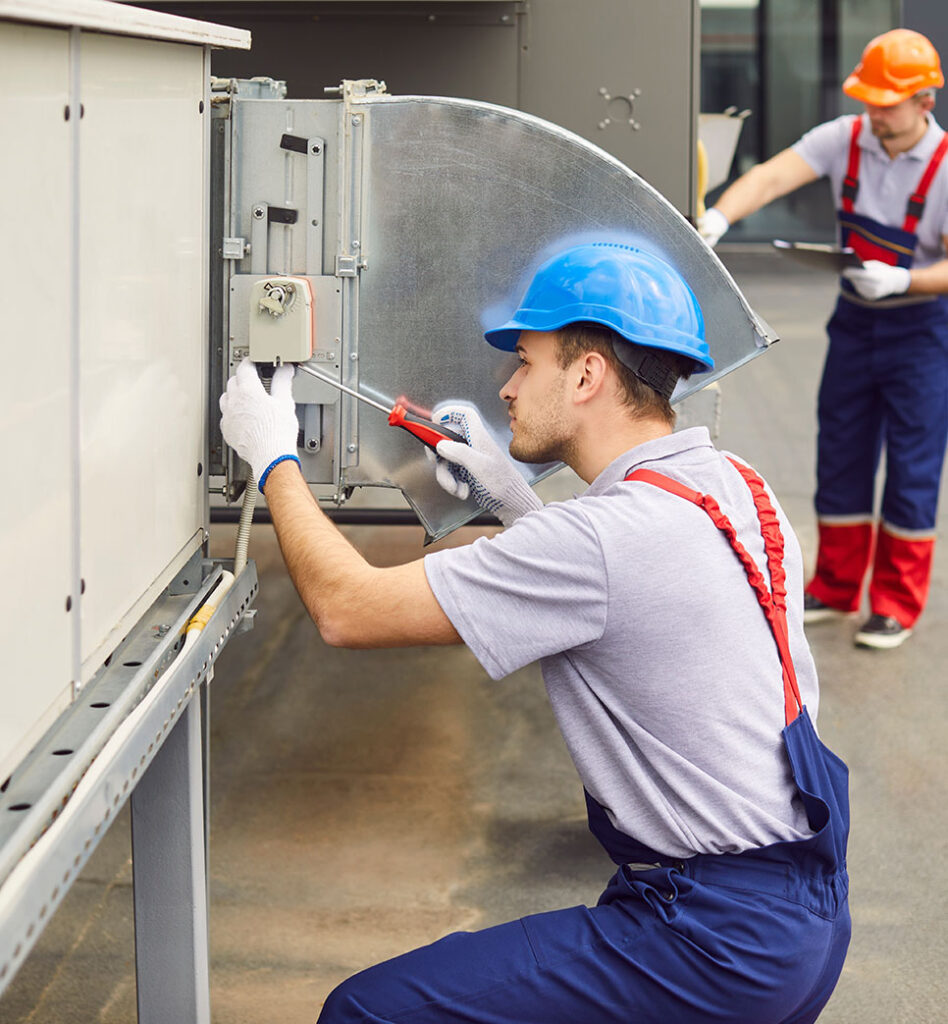
A unique component of the air handling section in commercial RTUs is the economizer. This is a set of dampers (automated vents) that can open to allow fresh outdoor air into the building.
When the outdoor air is cool and dry enough (for example, on a crisp morning), the economizer opens, and the compressor turns off. The system uses the cool outside air to condition the building, drastically reducing energy consumption. This “free cooling” mode is a major advantage of rooftop systems, but it relies on functional sensors and damper motors. If an economizer gets stuck open on a hot day, you will be trying to cool the entire outdoors, leading to skyrocketing energy costs.
The Brains: Control Systems and Safeties
Modern commercial HVAC isn’t just mechanical; it’s highly digital. The control board and safety switches act as the nervous system of the unit, constantly monitoring conditions to ensure safe and efficient operation.
Thermostats and Sensors
The operation starts with the thermostat or Building Automation System (BAS). These sensors monitor indoor temperature, humidity, and sometimes CO2 levels. They send signals to the rooftop unit to stage cooling or heating up or down based on demand.
Safety Switches
To protect the expensive mechanical components, RTUs are equipped with a series of safety switches:
- High-Pressure Switch: Shuts down the compressor if discharge pressure gets dangerously high (often due to a dirty condenser coil).
- Low-Pressure Switch: Stops the system if pressure drops too low, which usually indicates a refrigerant leak.
- Limit Switches: In heating mode, these prevent the heat exchanger from getting too hot, reducing fire risk.
The Contactor and Relays
These are the electrical switches that actually close the circuit to send high-voltage power to the motors and compressor. Over time, the contact points on these switches can become pitted and burned, leading to voltage drops or failure to start. Electrical inspections are a vital part of preventative maintenance to catch these issues before they result in downtime.
Heating Components: The Gas Furnace Section
Most rooftop units are “packaged gas/electric” units. This means they use electricity for cooling (via the compressor) and natural gas for heating.
The Heat Exchanger
The heat exchanger is a metal chamber where the combustion of gas takes place. The burner fires a flame into the tubes of the heat exchanger, heating the metal. The blower fan then pushes air over the outside of these hot tubes, warming the air before it enters the ductwork.
Crucially, the air inside your building never mixes with the combustion gases inside the tubes. If a heat exchanger cracks due to age or thermal stress, it can leak carbon monoxide into the airstream. This is a severe safety hazard.
The Draft Inducer Motor
Before the gas valve opens, a small fan called the draft inducer spins up. Its job is to clear any lingering gases from the heat exchanger and ensure there is a proper draft to vent exhaust gases out of the flue. It is a safety prerequisite; if the pressure switch doesn’t prove the draft inducer is working, the furnace will not light.
Why Component Knowledge Matters for Business Owners
You might be wondering, “Why do I need to know the difference between a condenser and an evaporator?” The answer lies in asset management.
When you understand the components, you can better understand the proposals you receive for repairs or replacements. You can ask better questions when a technician tells you a “contactor is pitted” or the “economizer is stuck.”
Furthermore, realizing the complexity of these systems underscores the importance of professional maintenance. These aren’t simple window units; they are complex industrial machines that require calibrated airflow, precise refrigerant charges, and clean heat transfer surfaces to operate efficiently.
Neglecting components like the condenser coil or blower belt doesn’t just reduce comfort; it increases your operational overhead. A dirty coil can increase compressor energy usage by 30%, and a slipping belt can reduce airflow, leading to hot spots in your office.
Ensuring Longevity Through Professional Care
The lifespan of a commercial rooftop unit typically ranges from 15 to 20 years, but this varies wildly based on maintenance. Units near the ocean (like in some Bay Area locations) may suffer from corrosion on the aluminum fins, while units in dusty industrial parks may suffer from clogged coils.
Routine inspections should cover all the components we listed above:
- Checking refrigerant levels and pressures.
- Tightening electrical connections.
- Lubricating bearings on blower motors.
- Inspecting heat exchangers for cracks.
- Cleaning condensate drains.
- Verifying economizer operation.
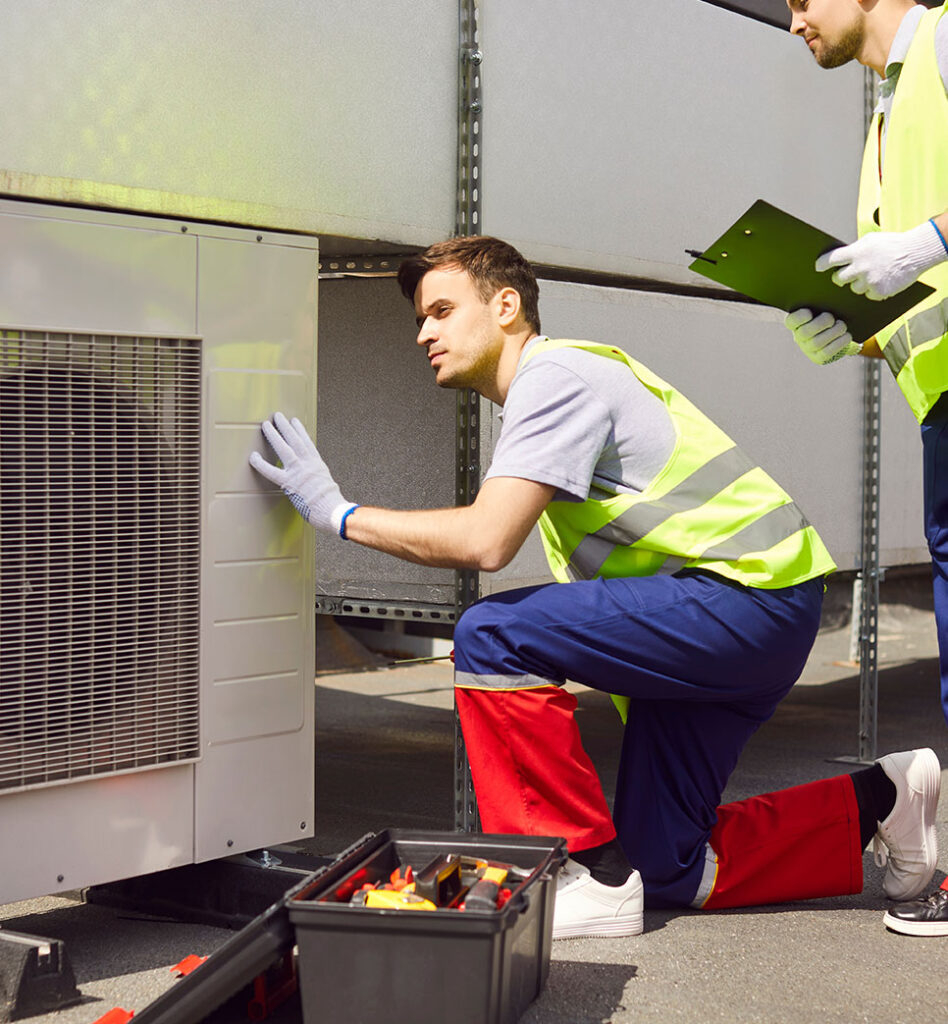
If you suspect any of these components are failing, or if your energy bills are creeping up without explanation, it is time to call in the experts. Whether you need a simple tune-up or complex Commercial HVAC Repair Services, having a qualified technician inspect your rooftop unit is the best way to protect your business’s bottom line.
Conclusion
A commercial rooftop HVAC unit is a sum of its parts. From the powerful scroll compressor creating the pressure differential to the humble blower belt moving the air, every component has a vital role to play. When they work in harmony, your building stays cool, your employees stay productive, and your customers stay happy.
However, when one component falters, it places stress on the rest of the system. Understanding these basics allows you to be proactive rather than reactive. Don’t wait for the compressor to seize or the heat exchanger to crack.
If you are looking to establish a maintenance plan or need an assessment of your current equipment’s health, trust the local experts who understand the unique climate demands of the Bay Area. Visit our Commercial HVAC Services page to learn more about how we can keep every component of your rooftop unit running at peak performance.
Stay Comfortable Year-Round With Expert HVAC Service
Book a trusted technician to handle your heating or cooling issue—fast, professional, and done right the first time.
Book Service Now