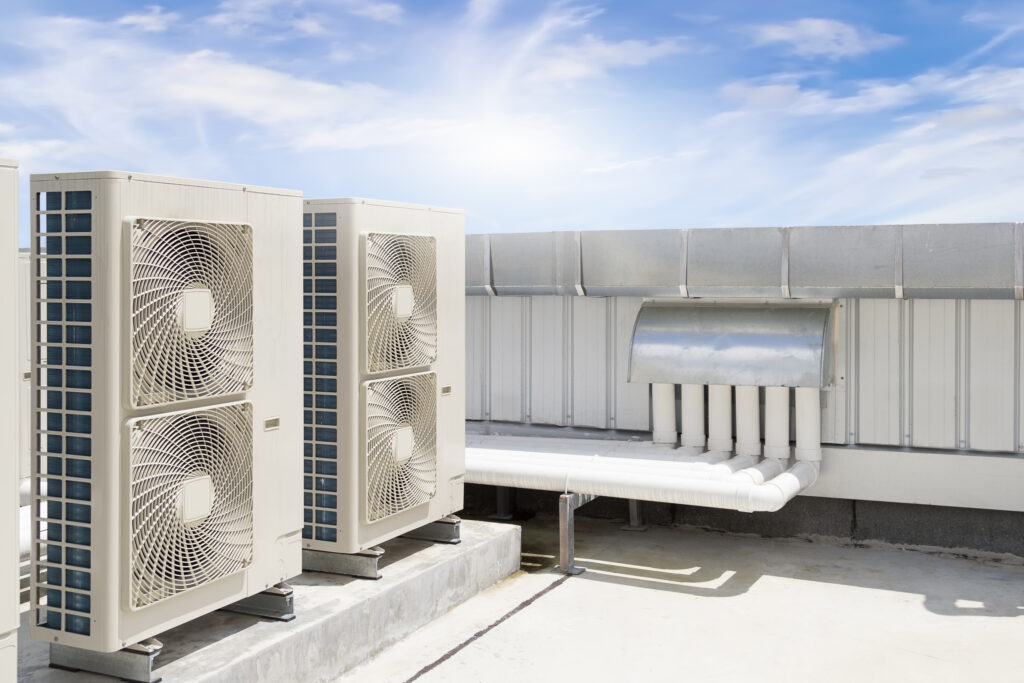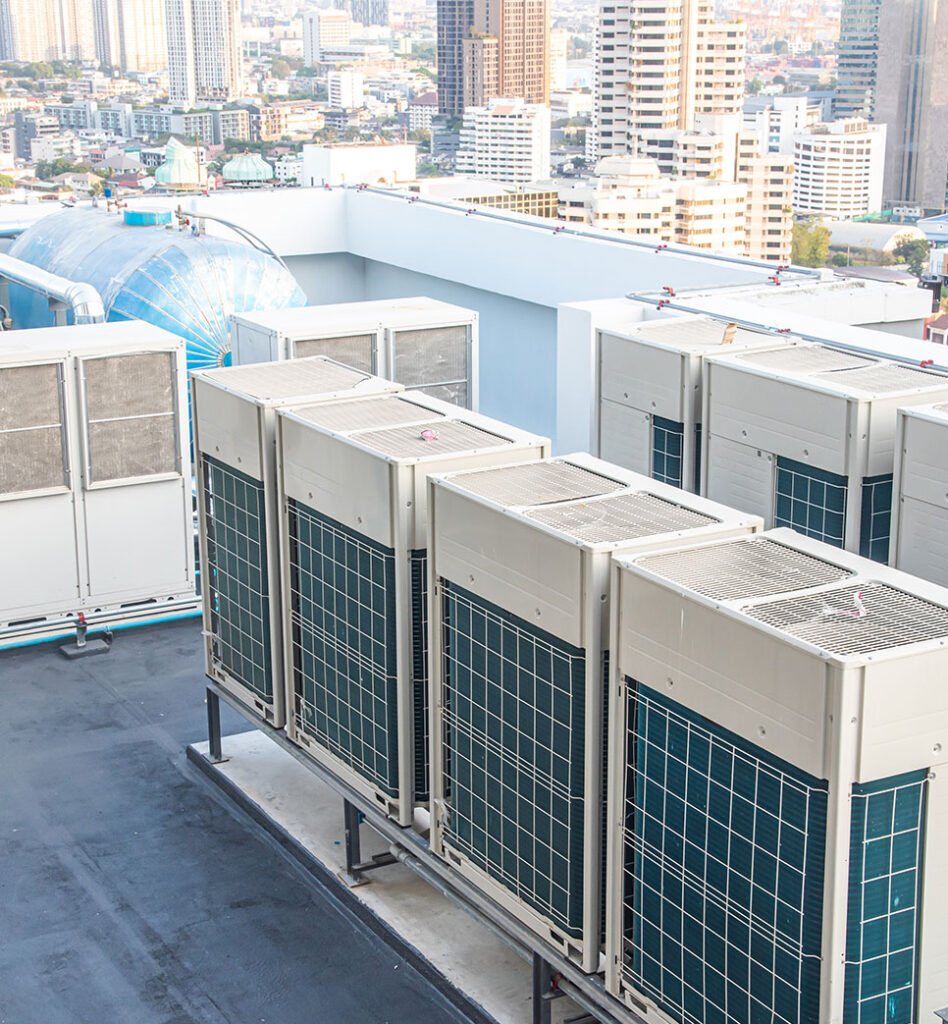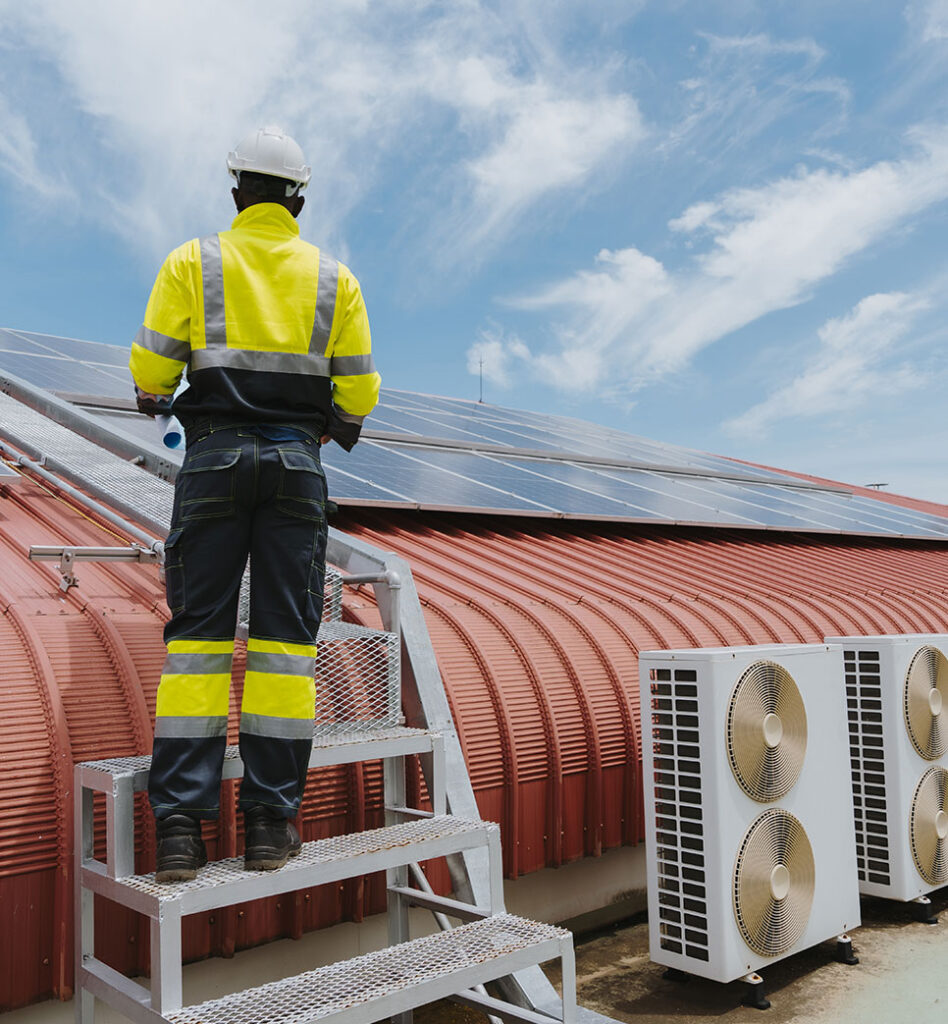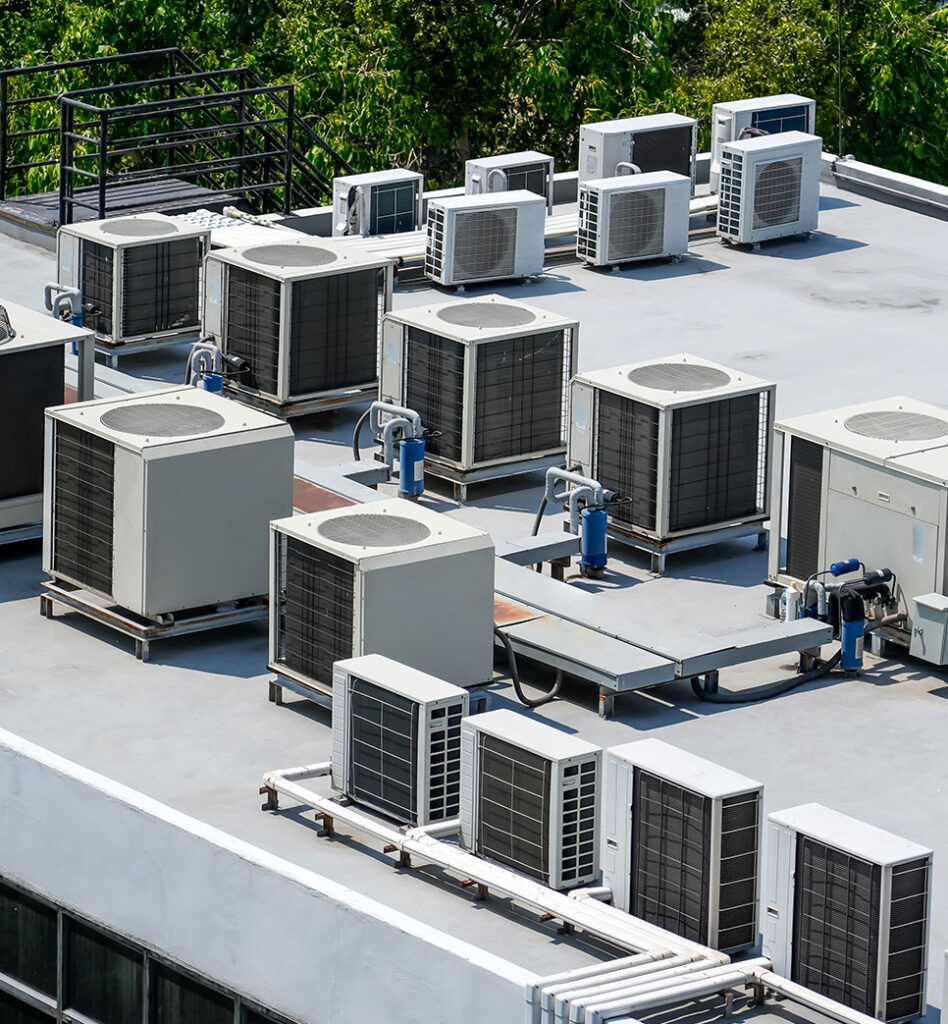
For most commercial buildings, the secret to a comfortable indoor environment isn’t hidden in a basement or a utility closet—it’s located high above, on the roof. The large, box-like units you see atop shopping centers, office buildings, and warehouses are rooftop HVAC systems, also known as RTUs or packaged units. These powerful workhorses are the standard for commercial climate control, providing reliable heating, ventilation, and air conditioning to the sprawling spaces below.
Understanding these systems is essential for any property manager, business owner, or facility director. Your building’s RTU is a critical asset that impacts everything from employee productivity and customer comfort to your monthly utility expenses and long-term capital budget. This guide will provide a comprehensive look at commercial rooftop HVAC systems, covering their components, how they work, the installation process, essential maintenance, and what to consider when choosing the right unit for your property.
What is a Commercial Rooftop HVAC System?
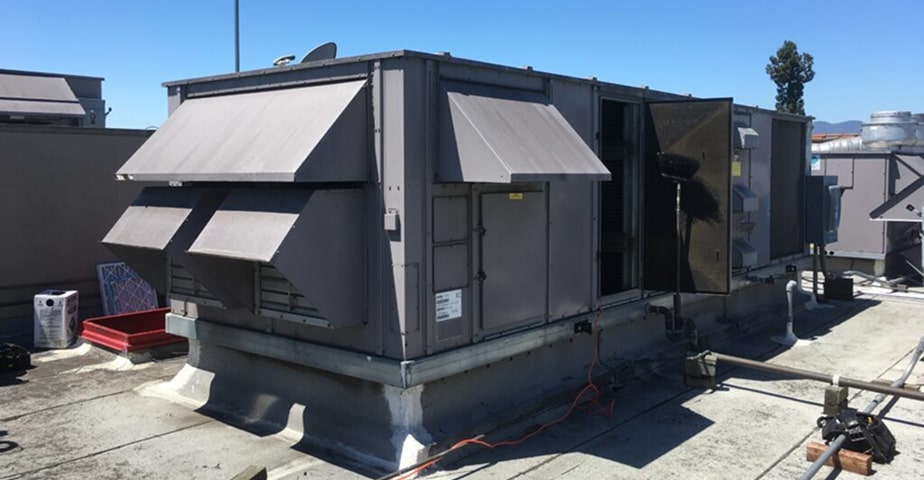
A commercial rooftop HVAC system is a self-contained, “packaged” unit that houses all the necessary components for climate control in a single cabinet. Unlike a traditional residential split system, which has separate indoor and outdoor components, an RTU integrates the heating, cooling, and ventilation functions into one robust package designed for outdoor installation on a building’s roof.
These units connect directly to the building’s ductwork through a single, weatherproofed opening. The RTU pulls in return air from the building, conditions it (by heating or cooling), and then pushes the conditioned supply air back down into the duct system for distribution. This all-in-one design makes them an incredibly efficient and space-saving solution for the unique demands of commercial spaces, from bustling restaurants in Fremont to large tech offices in Palo Alto.
A Look Inside: The Core Components of an RTU
While they may look like simple metal boxes, RTUs are complex pieces of machinery. Understanding the key components is the first step to understanding how they operate and what is required to maintain them.
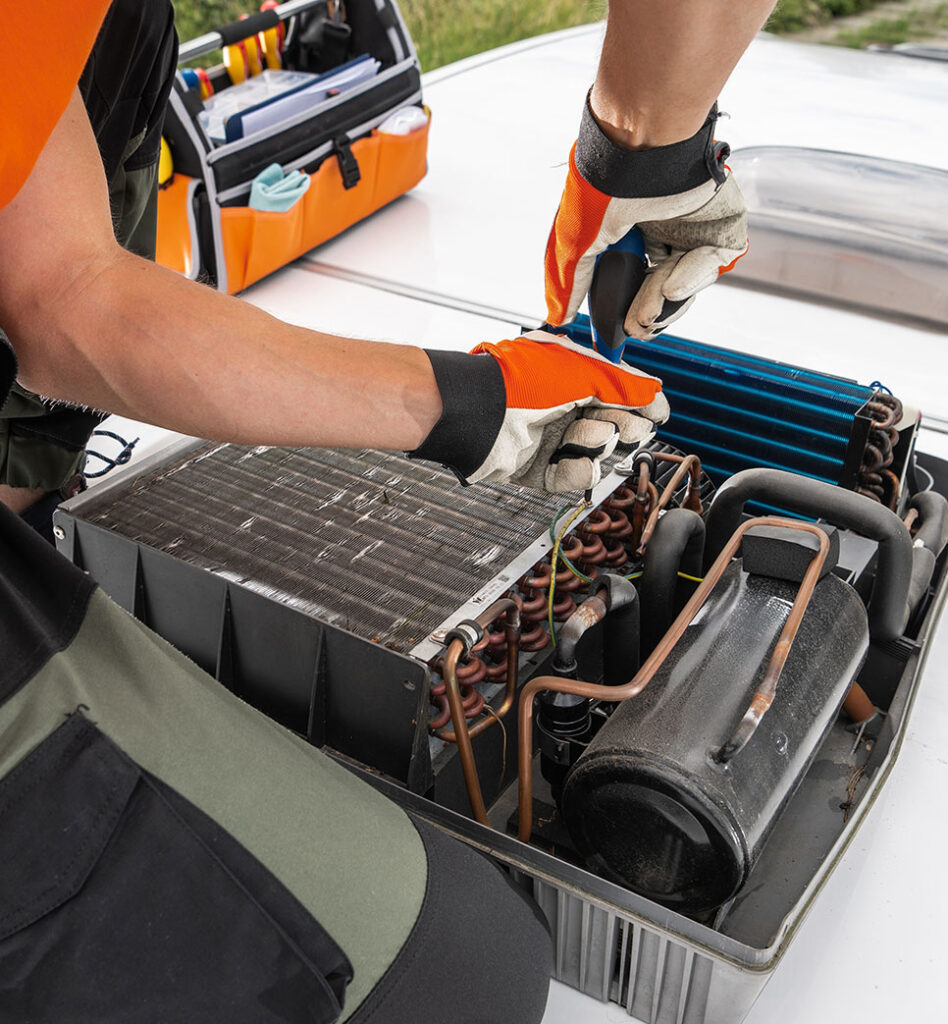
Cooling Components
The cooling function of an RTU works on the same principles as any standard air conditioner, using a refrigeration cycle to move heat from inside the building to the outdoors.
- Compressor: This is the heart of the cooling system. It pressurizes the refrigerant, transforming it from a low-pressure gas to a high-pressure, high-temperature gas. This is the most energy-intensive part of the cycle.
- Condenser Coils & Fan: The hot, pressurized refrigerant flows into the condenser coils. An attached fan pulls ambient outdoor air across these coils. The heat from the refrigerant transfers to the air and is exhausted, causing the refrigerant to cool and condense into a liquid.
- Expansion Valve: The high-pressure liquid refrigerant passes through this valve, which causes a rapid drop in pressure and temperature, turning the refrigerant into a very cold liquid-gas mixture.
- Evaporator Coils: This set of coils is located in the path of the indoor air being drawn into the RTU. The cold refrigerant flowing through them absorbs heat from the warm building air. This process cools and dehumidifies the air before it’s sent back into the building.
Heating Components
RTUs must also provide heat during colder months. The most common heating methods include:
- Gas Furnace: Many RTUs contain a natural gas or propane furnace. Burners ignite to heat a component called a heat exchanger. The building’s air is then blown across the hot surface of the heat exchanger, warming it before distribution.
- Electric Heating Strips: In this configuration, large electric resistance coils (similar to those in a toaster) are placed in the airflow path. When activated, they glow hot, and the air passing over them is heated. This method is simpler but generally less energy-efficient than a gas furnace.
- Heat Pump: A heat pump is a system that can reverse the refrigeration cycle. In heating mode, it absorbs heat from the cold outdoor air and transfers it inside. This is highly efficient in moderate climates but may require a supplemental heat source (like electric strips) for very cold weather.
Airflow and Ventilation Components
Controlling the air itself is just as important as heating or cooling it.
- Blower/Supply Fan: This powerful fan is responsible for moving massive volumes of air. It pulls return air from the building, pushes it across the evaporator and heating components, and then forces the newly conditioned air into the supply ductwork.
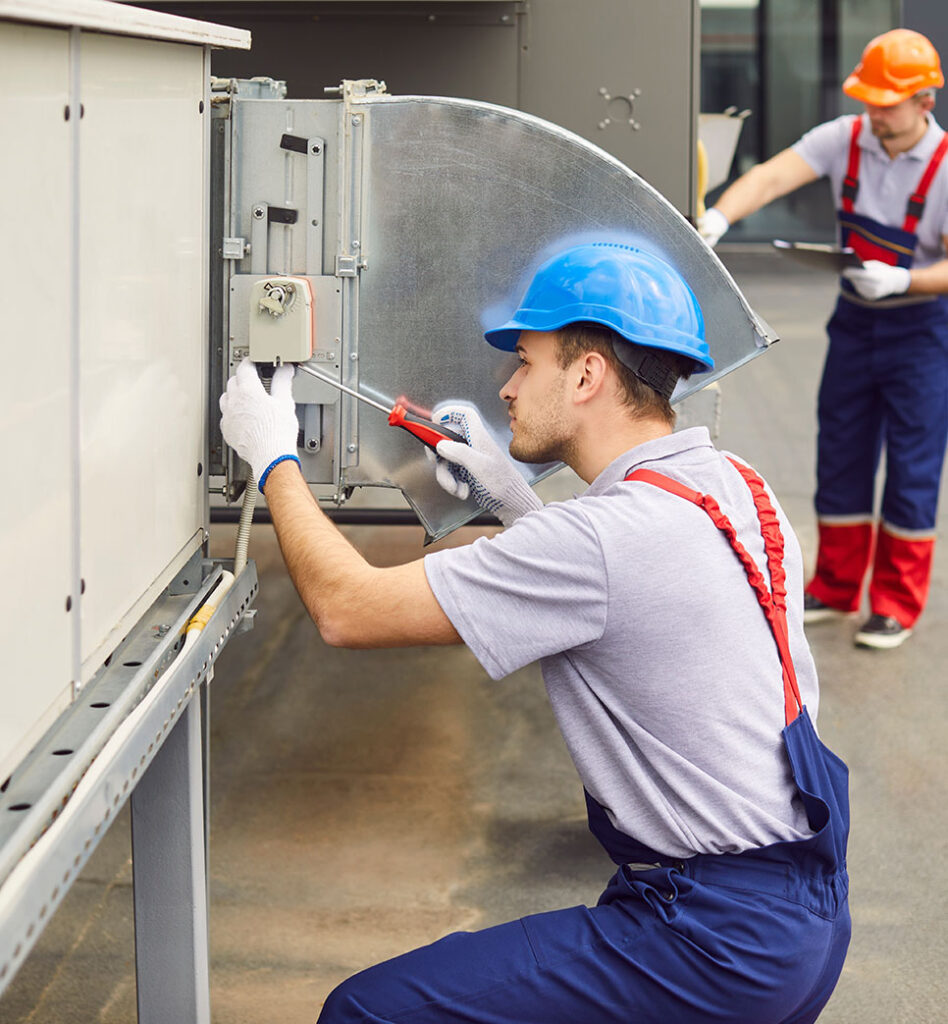
- Dampers: These are movable metal plates that control airflow. They regulate how much fresh outside air is mixed with the recirculated return air from inside the building.
- Economizer: This is one of the most important energy-saving features of a commercial RTU. An economizer is an intelligent system of dampers and sensors that monitors outdoor temperature and humidity. When conditions are cool and dry enough outside, it will use 100% outside air for “free cooling,” satisfying the building’s needs without running the compressor.
- Filters: Before entering the RTU’s core components, all air passes through a bank of filters. These are critical for removing dust, pollen, and other debris, protecting both the equipment and the indoor air quality.
The Rooftop HVAC Installation Process
Installing a multi-ton RTU is a complex project that requires professional expertise and heavy equipment. It’s a far more involved process than a simple residential installation and is a key part of any commercial HVAC replacement project.
1. Sizing and Selection
The first and most critical step is to correctly size the unit for the building. This requires a professional load calculation (Manual N) that considers factors like:
- Building square footage and volume
- Insulation levels (roof, walls)
- Number, size, and type of windows
- Occupancy load (how many people work there)
- Internal heat gains from lighting, computers, and other equipment
- Local climate data
An undersized unit will run constantly without being able to cool the space, while an oversized unit will “short cycle”—cooling the space too quickly without properly dehumidifying it. Both scenarios are inefficient and lead to premature wear and tear.
2. The Roof Curb
The RTU does not sit directly on the roof membrane. It rests on a raised metal frame called a roof curb. This curb is securely fastened to the building’s roof deck and meticulously waterproofed. It provides a stable, level mounting surface and contains the openings for the supply and return air ducts to pass through the roof. For a new installation, the curb is installed first. For a replacement, the new unit must match the existing curb, or an adapter may be needed.
3. The Crane Lift
Due to their immense weight, RTUs must be lifted onto the roof by a crane. This is the most logistically complex part of the installation. The process requires a skilled crane operator, a certified rigging crew, and careful planning to ensure the lift is performed safely and without damaging the building or the new unit. The street or parking lot below may need to be temporarily closed.
4. Setting and Connection
Once lifted, the crew carefully guides the RTU into place on top of the roof curb. Once it’s set, the technical work begins:
- Ductwork Connection: The supply and return duct plenums are connected and sealed to the corresponding openings in the curb.
- Electrical Connection: High-voltage power is run to the unit by a licensed electrician.
- Gas Piping: If it’s a gas-fired unit, a gas line is run and connected.
- Condensate Drain: A drain line is installed to carry away the water that condenses on the evaporator coils during the cooling process.
- Controls: Low-voltage wiring is connected to the thermostat and any building automation systems.
5. Commissioning
This is the final, crucial step. The system is not just turned on; it is professionally commissioned. The technician will perform a series of tests and adjustments to ensure it is operating according to the manufacturer’s specifications. This includes checking refrigerant pressures, verifying airflow (testing and balancing), and calibrating the controls. Proper commissioning ensures optimal performance and efficiency from day one.
The Benefits of Choosing a Rooftop System
RTUs are the dominant choice for commercial buildings for several compelling reasons.
Unmatched Space Efficiency
Commercial real estate is expensive. By placing the entire HVAC system on the roof, RTUs free up valuable indoor space that would otherwise be lost to a mechanical room. This space can be used for offices, storage, or retail floor space. It also keeps the ground around the building clear for parking and landscaping.
Centralized, Non-Disruptive Maintenance
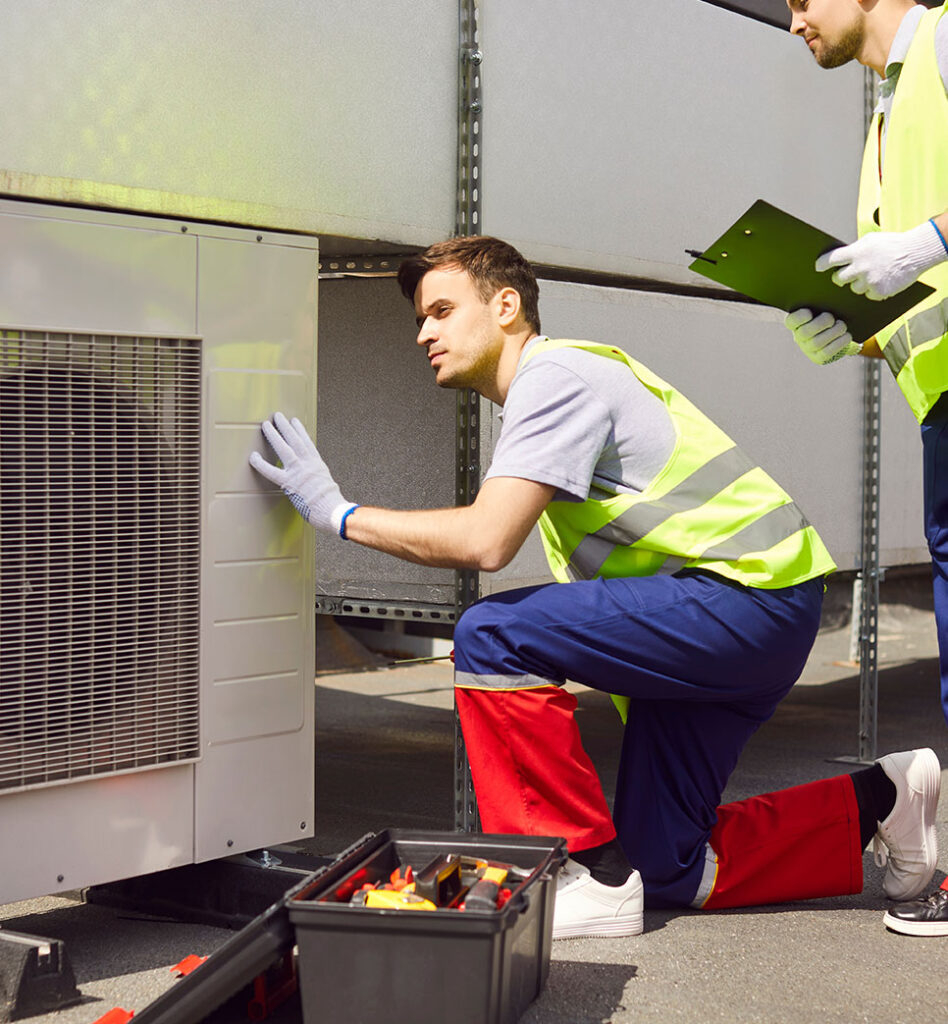
All components are housed in one location. This makes it easier and faster for technicians to perform routine inspections and repairs. Because the work is done on the roof, there is minimal disruption to business operations, employees, or customers inside the building—a major advantage for any active business.
Reduced Indoor Noise
HVAC systems generate noise from compressors and fans. Placing the unit on the roof isolates this noise from the building’s interior, creating a quieter and more productive work environment.
Enhanced Safety and Security
Ground-level units are vulnerable to accidental damage from vehicles, vandalism, and copper theft. A rooftop location protects this significant investment from these ground-level threats.
Scalability and Zoning
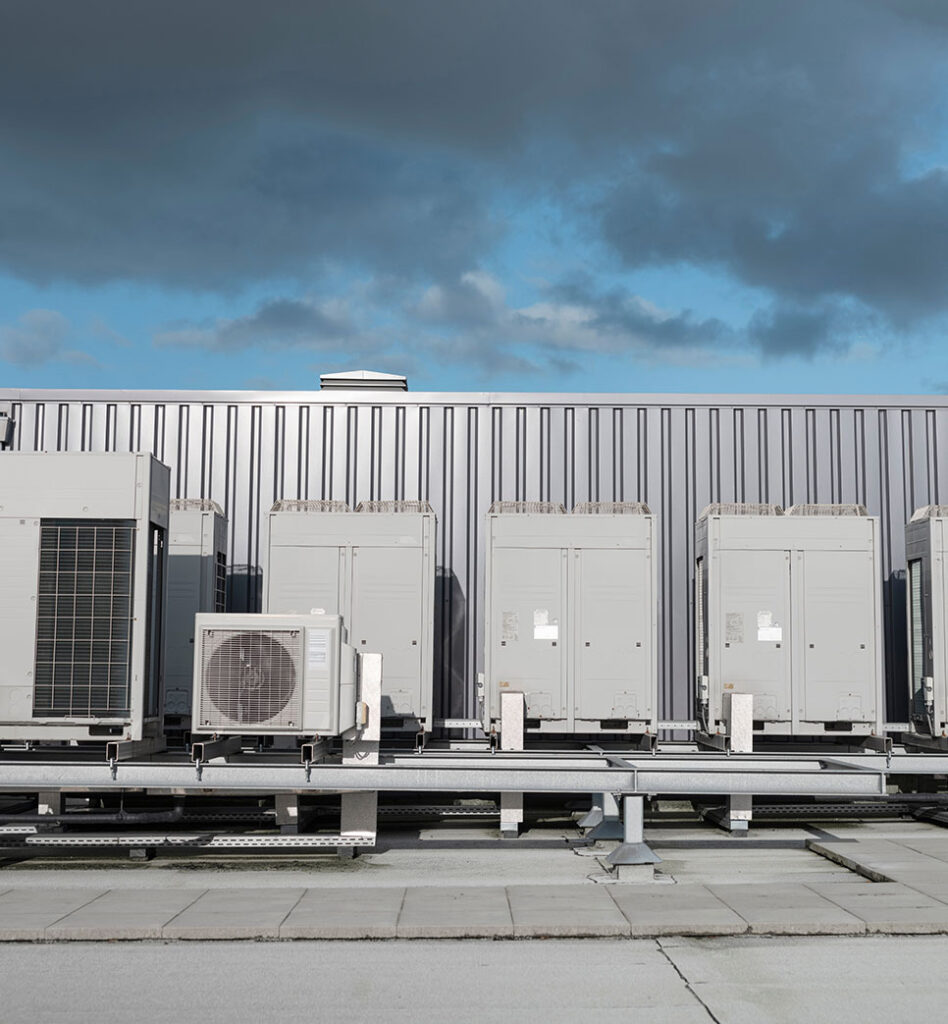
RTUs are modular. For large buildings, multiple units can be installed, each serving a different “zone.” This allows for precise temperature control across different areas, such as keeping a server room much cooler than the main office space. As a business grows, new units can be added to accommodate expansion.
Essential Maintenance for Your Rooftop Unit
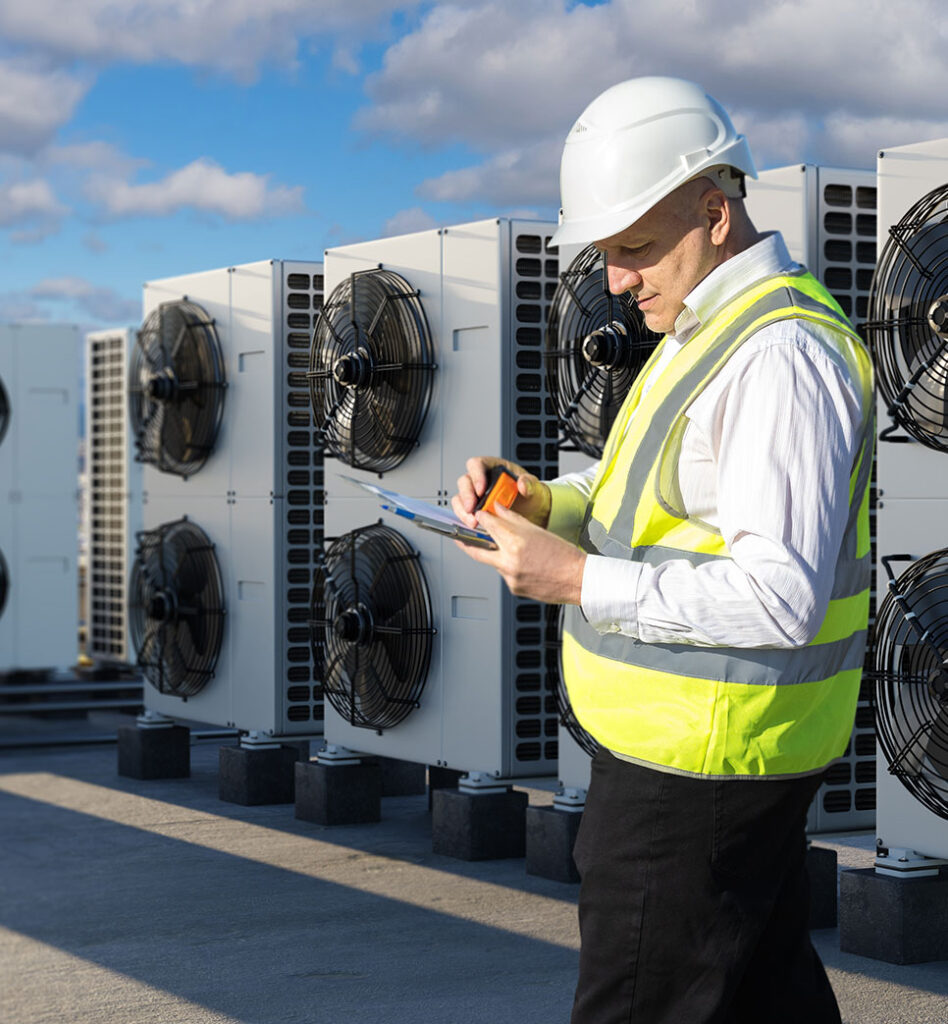
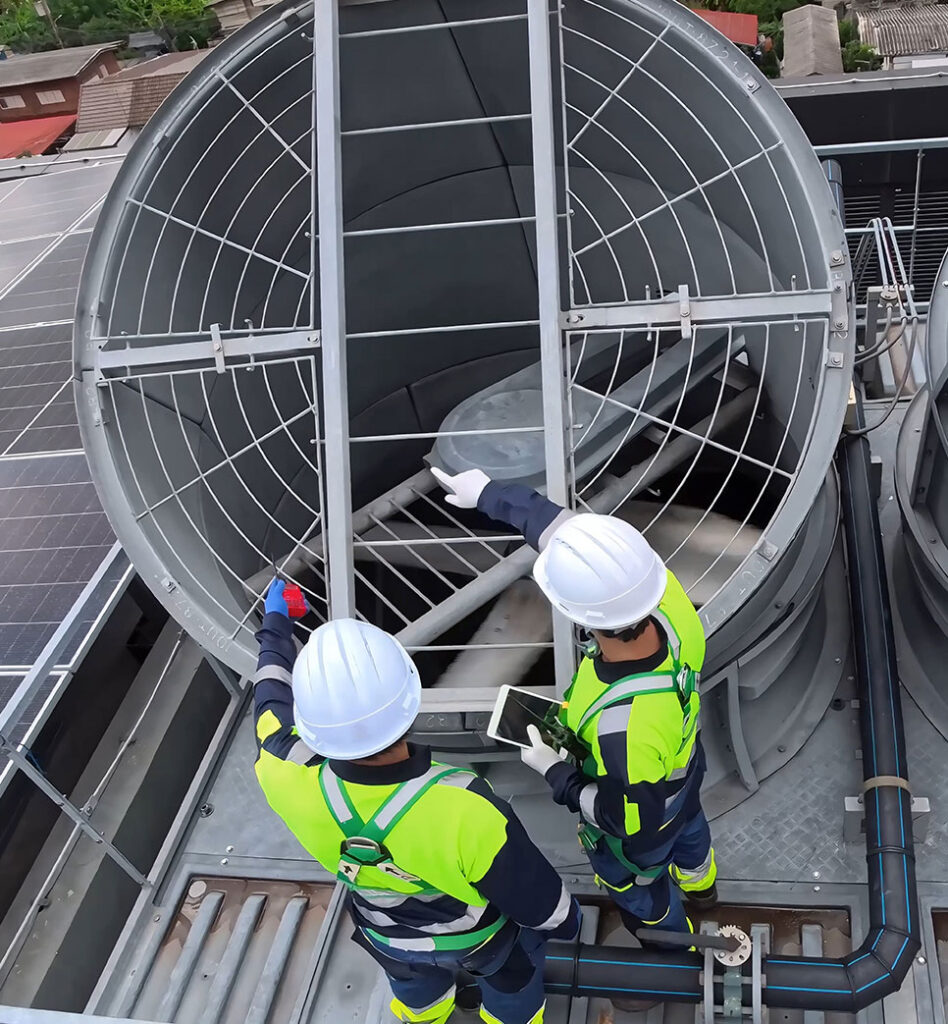
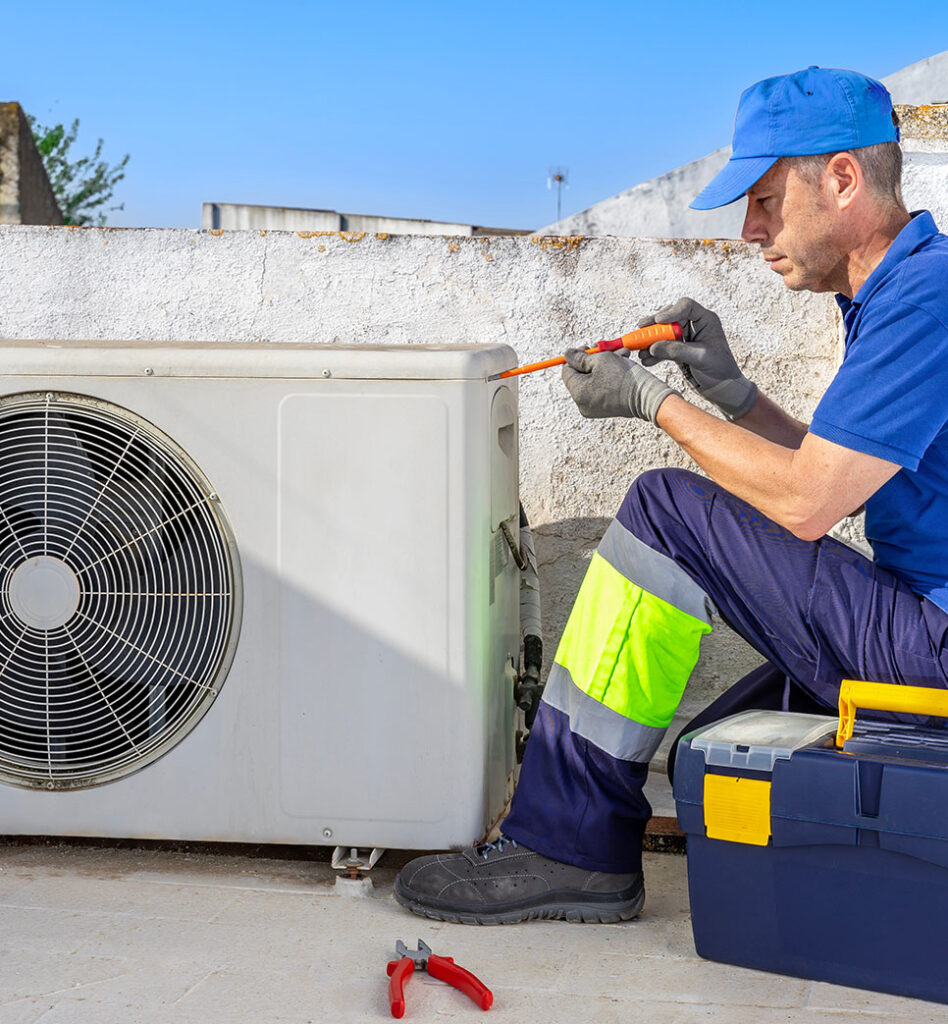
A well-maintained RTU is an efficient and reliable RTU. Neglecting maintenance is a sure path to high energy bills, poor performance, and costly emergency breakdowns. A preventative maintenance plan from a qualified provider of commercial HVAC services is not an expense—it’s an investment.
Key maintenance tasks include:
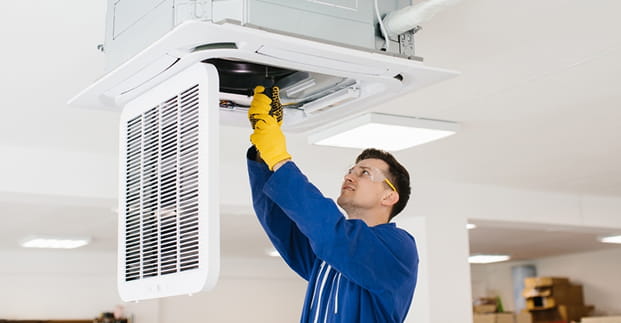
- Filter Replacement: This is the single most important task. Clogged filters restrict airflow, forcing the system to work harder and reducing efficiency. Filters should be checked and changed regularly, typically every 1-3 months, depending on the environment.
- Coil Cleaning: The outdoor condenser coils and indoor evaporator coils must be cleaned annually. Dirty coils cannot transfer heat effectively, which drastically reduces efficiency and can lead to compressor failure.
- Drain Pan and Line Cleaning: The condensate drain system must be cleared of algae and sludge to prevent clogs, which can cause water to back up and damage the roof or building interior.
- Electrical Inspection: A technician should check all electrical connections, tightening loose terminals and looking for signs of wear on wires and contactors.
- Fan and Motor Inspection: Belts should be checked for wear and proper tension. Fan motors and bearings should be lubricated as required.
- Refrigerant Level Check: The refrigerant charge should be checked to ensure it is at the manufacturer-specified level. An incorrect charge can cause damage and poor performance.
- Economizer Testing: The function of the economizer must be tested to ensure it is opening and closing correctly, providing free cooling when possible.
Choosing the Right Rooftop System for Your Building
Selecting a new RTU is a major decision. Beyond proper sizing, here are other key factors to consider:
1. Efficiency Ratings (SEER, EER, AFUE)
- SEER (Seasonal Energy Efficiency Ratio): Measures cooling efficiency over a typical cooling season. The higher the number, the more efficient the unit.
- EER (Energy Efficiency Ratio): Measures cooling efficiency at a single, peak outdoor temperature. It’s often a better indicator for buildings that experience long, hot summers.
- AFUE (Annual Fuel Utilization Efficiency): Measures the efficiency of a gas furnace. An AFUE of 90% means that 90% of the fuel is converted to heat, and 10% is lost.
Investing in a higher-efficiency unit costs more upfront but can lead to significant savings on utility bills over the life of the system.
2. Staging and Variable Capacity
- Single-Stage: The unit is either on at 100% capacity or off. This is the least efficient option.
- Multi-Stage: The unit has two or more operating capacities (e.g., 66% and 100%). It can run at the lower, more efficient stage most of the time, only ramping up to full capacity on the hottest days.
- Variable Capacity (VFD): The ultimate in efficiency. These units use variable frequency drives (VFDs) on the compressor and fans to precisely match the building’s cooling load, ramping up or down in tiny increments. This provides the best comfort and lowest energy consumption.
3. Tonnage and Sizing
As mentioned, proper sizing is paramount. HVAC tonnage refers to the unit’s cooling capacity (one ton = 12,000 BTUs per hour). Commercial RTUs range from just a few tons to over 100 tons. A professional load calculation is the only way to determine the correct tonnage for your building.
4. Brand and Warranty
Choose a reputable manufacturer known for reliability and parts availability in your region. Pay close attention to the warranty details. A good warranty on the compressor (often 10 years) and other parts (5-10 years) provides peace of mind and protects your investment.
When your system does reach the end of its life or suffers a catastrophic failure, you will need a reliable partner for commercial HVAC repair services or a full replacement. An experienced contractor can guide you through the selection process, ensuring you get a system that fits your building’s needs and your budget.
Your commercial rooftop HVAC system is a complex and vital part of your business infrastructure. By understanding its components, benefits, and maintenance needs, you can ensure it provides years of efficient, reliable service, keeping your employees and customers comfortable while protecting your bottom line.
Stay Comfortable Year-Round With Expert HVAC Service
Book a trusted technician to handle your heating or cooling issue—fast, professional, and done right the first time.
Book Service Now