I Want

    Residential HVACCommercial HVACRefrigerationEmergency HVAC


    Fast | No obligation

    What to Expect During a Commercial Rooftop HVAC Installation

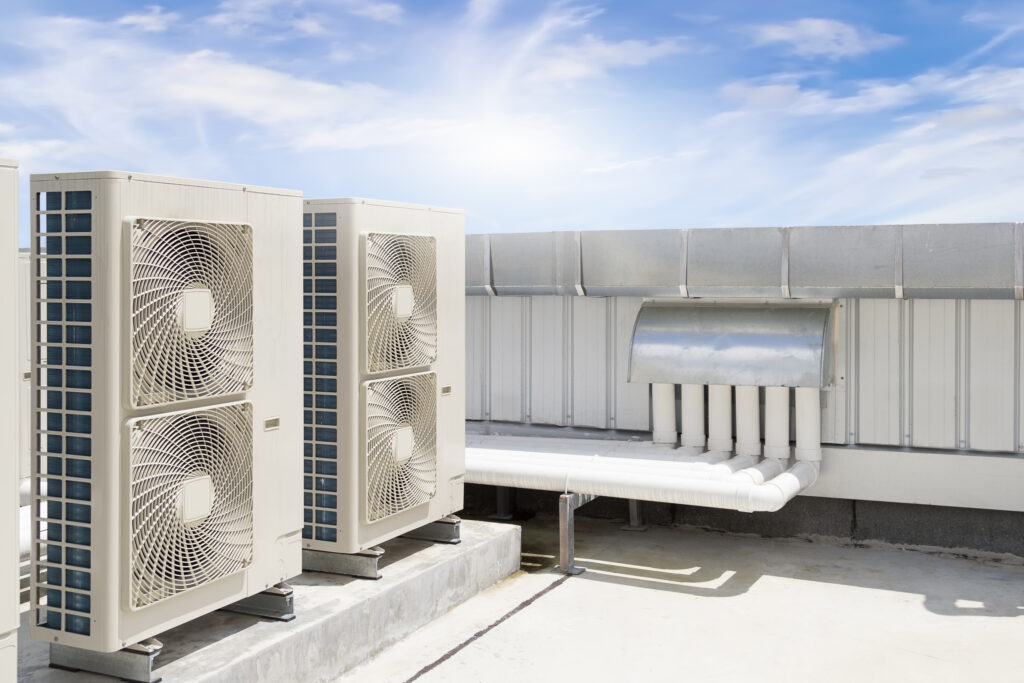
    Investing in a new commercial rooftop HVAC system is a significant decision for any business owner or facility manager. It’s not just about buying a piece of equipment; it’s about securing the comfort of your employees, the satisfaction of your customers, and the efficiency of your daily operations. However, the process of installing a massive rooftop unit (RTU) can seem daunting. There are cranes involved, logistical hurdles to clear, and technical specifications to meet.

    Understanding the roadmap of a commercial rooftop HVAC installation can alleviate stress and help you prepare your facility for the big day. Whether you are replacing an aging unit or outfitting a new building, knowing what happens behind the scenes ensures the project runs smoothly.

    In this guide, we will walk you through every phase of the installation process. We will cover the initial assessments, the dramatic crane lift, the intricate connections, and the final testing that guarantees your new system runs at peak performance.

    Phase 1: The Pre-Installation Assessment and Planning

    Before any heavy machinery arrives at your location, a significant amount of groundwork must be laid. A successful installation is 80% preparation and 20% execution. Skipping steps here can lead to costly delays or performance issues down the road.

    Site Evaluation and Load Calculation

    The first step is a thorough site evaluation. Professional technicians will visit your facility to inspect the existing setup. If this is a replacement, they will analyze why the old unit failed. Was it undersized? Did it suffer from poor maintenance? Understanding the history of your building’s HVAC needs helps in selecting a unit that will offer better longevity and efficiency.

    Crucially, this phase involves a “load calculation.” Your building’s heating and cooling requirements may have changed since the last unit was installed. Perhaps you’ve added more staff, installed heat-generating server rooms, or renovated the interior layout. A precise load calculation ensures the new unit is perfectly sized—neither too big (which causes short-cycling) nor too small (which leads to inadequate cooling).

    Structural Integrity Checks

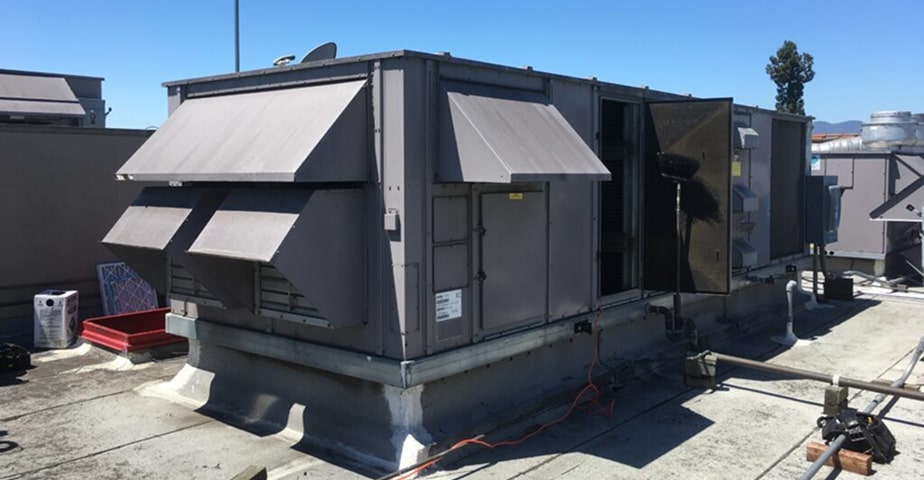
    Rooftop units are heavy. A commercial packaged unit can weigh anywhere from a few hundred pounds to several tons. Before ordering equipment, structural engineers or experienced HVAC contractors must verify that your roof can support the weight of the new unit.

    This is also the time to inspect the “curb”—the metal frame that the HVAC unit sits on. If the new unit has a different footprint than the old one, a curb adapter may be required. In some cases, the existing curb might be deteriorated and need commercial HVAC repair services or full replacement before the new unit can be set.

    Securing Permits and Logistics

    Commercial HVAC work almost always requires local building permits. Your contractor should handle the paperwork to ensure everything is up to code. This protects your business from liability and ensures the installation meets safety standards.

    Logistics planning is equally vital. The team will determine:

    • Where the crane will park.
    • Which streets or parking lot sections need to be cordoned off.
    • The best time of day for the lift to minimize disruption to your business and neighbors.

    Phase 2: Selecting the Right Equipment

    Once the assessment is complete, the focus shifts to selecting the hardware. There are numerous options available, and the right choice depends on your specific business goals.

    Energy Efficiency Ratings (SEER2, IEER, EER2)

    Modern commercial units are significantly more efficient than those manufactured even ten years ago. You will likely encounter acronyms like SEER2 (Seasonal Energy Efficiency Ratio 2) and IEER (Integrated Energy Efficiency Ratio). Higher numbers generally mean lower energy bills. While high-efficiency units have a higher upfront cost, the return on investment through reduced utility payments is often substantial.

    Single-Zone vs. Multi-Zone Systems

    Do you need to keep the entire building at one temperature, or do you have distinct zones with different needs? For example, a warehouse might need less cooling than the attached administrative offices.

    • Constant Volume Systems: Good for single-zone open spaces.
    • Variable Air Volume (VAV) Systems: Ideal for multi-zone buildings, allowing precise control over different areas.

    Choosing the right configuration is critical for comfort and energy management. If your current system struggles to maintain consistent temperatures, discussing these options during the planning phase is essential. For businesses needing a complete overhaul, our commercial HVAC services team can help design a custom solution.

    Phase 3: The Day of Installation

    This is the most visible and action-packed part of the process. While you might be tempted to watch, safety protocols usually require non-essential personnel to keep a safe distance.

    Site Preparation and Safety Zones

    On the morning of the installation, the crew will arrive early to secure the area. Safety cones, caution tape, and signage will be deployed to keep pedestrians and vehicles away from the crane’s swing radius. If the installation is happening in a busy area, traffic control measures might be implemented.

    Inside the building, the team will protect flooring and workspaces if they need access to the interior for thermostat wiring or ductwork modification. They will also disconnect the power supply to the existing HVAC equipment to ensure electrical safety.

    Removing the Old Unit

    Before the new unit goes up, the old one must come down. The technicians will disconnect:

    • Electrical lines
    • Gas piping (if applicable)
    • Condensate drain lines
    • Ductwork connections

    Once the unit is free from its connections, the crane operator creates a rigging plan. Heavy-duty straps are secured to the old unit, and it is carefully lifted off the roof curb. This is a delicate operation; the operator must ensure the load remains stable to prevent damage to the roof or the building structure. The old unit is then lowered to a waiting flatbed truck for proper disposal and recycling.

    inspecting and Prepping the Roof Curb

    With the old unit gone, the roof curb is exposed. This is the perfect moment for a final inspection. Technicians will check the gasket material—the seal that prevents water and air leaks between the unit and the roof. If the curb is damaged, it will be repaired. If an adapter curb is needed for the new unit, it is installed and sealed at this stage.

    Proper sealing is non-negotiable. A poor seal can lead to water leaks during rainstorms, causing expensive damage to your ceiling tiles and inventory.

    The Lift: Placing the New Unit

    The new commercial rooftop unit, often delivered directly from the manufacturer or a local supply house, is inspected for shipping damage on the ground. Once cleared, it is rigged to the crane.

    The lift is slow and precise. The crane operator works in tandem with the installation crew on the roof via hand signals or radio communication. The unit is hovered over the curb, aligned perfectly, and gently lowered into place. The crew immediately secures it to the curb to ensure stability against high winds and seismic activity.

    Phase 4: Connections and Integration

    Now that the heavy lifting is done, the technical work begins. The unit is on the roof, but it isn’t a functional HVAC system yet.

    Electrical and Gas Connections

    Licensed electricians or HVAC technicians will reconnect the high-voltage power supply. They will also run new low-voltage control wires to your thermostats or Building Automation System (BAS). If the unit is a gas-pack (heating and cooling), the gas lines are reconnected, and a new drip leg (sediment trap) is often installed to protect the gas valve.

    All electrical connections must be tight and weatherproof. Loose connections can lead to arcing, component failure, or fire hazards.

    Ductwork and Airflow

    The “lungs” of your system are the ducts. The return and supply ductwork must be connected to the new unit. In many commercial HVAC replacement services, this is a straightforward connection if the curb matches. However, if modifications were made, sheet metal fabrication might be required to transition the air smoothly.

    Proper airflow is crucial. If the connection is restrictive, the system will struggle to push air, leading to noisy operation and reduced efficiency.

    Condensate Management

    Air conditioners produce water (condensate) as they dehumidify the air. A dedicated drain line must be installed to carry this water away from the unit and the roof surface. Allowing water to pool on the roof is a recipe for leaks and membrane damage. The technicians will install a P-trap to prevent sewer gases or odors from being drawn back into the building through the drain line.

    Phase 5: System Startup and Commissioning

    The physical installation is complete, but the job isn’t finished. The most critical phase for long-term reliability is “commissioning.” This is a rigorous testing process.

    The Initial Power-Up

    Technicians turn on the power and check the voltage levels to ensure they match the manufacturer’s specifications. They verify the phase rotation on three-phase motors (common in commercial units) to ensure fans and compressors spin in the correct direction. Spinning a scroll compressor backward can destroy it in seconds.

    Charging and Calibration

    Even though units come factory-charged with refrigerant, the levels often need fine-tuning based on the specific conditions of your installation. Technicians will measure:

    • Superheat and Subcooling: To ensure the refrigerant cycle is efficient.
    • Airflow (CFM): To guarantee the right amount of air is reaching your spaces.
    • Gas Pressure: For heating units, ensuring the flame burns clean and safe.

    Thermostat and Control Setup

    Whether you use a simple programmable thermostat or a complex networked control system, the technicians will program the settings. They will set schedules, occupied/unoccupied setpoints, and verify that the unit responds correctly to calls for heating and cooling.

    The Final Walkthrough

    Once the system is running smoothly, the lead technician will walk you through the installation. They will show you:

    • Where the disconnect switch is located.
    • How to operate the thermostat.
    • How to change filters (if you plan to handle basic maintenance internally).
    • Proof of the unit’s performance metrics.

    Common Challenges During Installation

    Even the best-planned projects can face hurdles. Being aware of them helps manage expectations.

    Weather Delays

    High winds, lightning, or heavy rain can make crane lifts dangerous. Safety is always the priority. If the weather turns, the lift may be rescheduled. However, reputable contractors monitor weather patterns closely to minimize this risk.

    Hidden Structural Damage

    Sometimes, removing an old unit reveals wood rot or rusted decking that wasn’t visible during the initial inspection. This must be repaired before the new unit is installed to ensure structural safety.

    Electrical Compatibility

    Older buildings may have outdated electrical panels or wiring that doesn’t meet modern codes or the requirements of high-efficiency equipment. Upgrading the electrical service to the roof might be an unforeseen but necessary step.

    Post-Installation: Protecting Your Investment

    A new commercial rooftop unit is a significant capital asset. To protect it, you need a proactive strategy.

    Scheduled Maintenance

    Commercial HVAC systems work hard. They are exposed to the elements 24/7. Neglecting maintenance will void warranties and shorten the lifespan of the equipment. Establishing a maintenance contract ensures that belts are changed, coils are cleaned, and refrigerant levels are monitored regularly.

    Air Balancing

    If you notice hot or cold spots after installation, you may need an air balance service. This involves adjusting dampers in the ductwork to direct airflow exactly where it is needed most.

    Remote Monitoring

    Modern units can often be equipped with sensors that alert you (or your service provider) to problems before they cause a breakdown. This predictive maintenance can save thousands in emergency repair costs.

    Why Professional Installation Matters

    You might be tempted to cut corners on installation costs, but the quality of the installation is just as important as the quality of the brand you buy. A top-tier unit installed poorly will perform worse than a budget unit installed perfectly.

    Improper installation can lead to:

    • Energy Efficiency Loss: Leaky ducts or improper refrigerant charge can increase bills by 30%.
    • Premature Failure: Compressors and motors fail early when stressed by poor airflow or voltage issues.
    • Comfort Complaints: If the unit isn’t calibrated, humidity and temperature control will be erratic.

    Conclusion

    A commercial rooftop HVAC installation is a complex ballet of engineering, logistics, and skilled labor. It disrupts your day, but the result is a comfortable, efficient environment that supports your business success. By understanding the phases—from the initial load calculation to the final commissioning—you can ask the right questions and ensure your contractor delivers the quality you deserve.

    The key to a headache-free project is partnering with a team that values communication, safety, and technical excellence. When you know what to expect, the noise of the crane and the bustle of the crew become signs of progress, not sources of stress.

    If your facility is ready for an upgrade or you need an assessment of your current system’s health, don’t leave it to chance. Expert planning and precise execution are the hallmarks of a system that will serve you well for decades. For detailed guidance on your specific needs, explore our commercial HVAC services and let us help you create the perfect climate for your business.


    Stay Comfortable Year-Round With Expert HVAC Service

    Book a trusted technician to handle your heating or cooling issue—fast, professional, and done right the first time.

    Book Service Now
    Blog post Image
    Blog post Image
    Blog post Image

    Frequently Asked Questions

    How do I know when condensing unit replacement is better than repair?

    Consider replacement when repair costs exceed 50% of replacement cost, when units are over 12-15 years old, or when efficiency losses significantly increase energy bills. We provide cost-benefit analysis to help you make the right decision for your specific situation.

    What energy savings can I expect from a new high-efficiency condensing unit?

    Modern units typically achieve 20-40% energy savings compared to units installed before 2010. For a business spending $500 monthly on refrigeration energy, this represents $100-200 monthly savings that often pays for replacement within 3-5 years.

    How long does condensing unit replacement take?

    Most replacements take 1-3 days depending on unit size and installation complexity. We coordinate work around your business schedule to minimize disruption and can often provide temporary cooling during installation when necessary.

      Schedule Your Service

      Stay Comfortable Year-Round With Expert HVAC Service

      Book a trusted technician to handle your heating or cooling issue—fast, professional, and done right the first time.

      Schedule a FREE Discovery Call
      Close

      Schedule Your Service