I Want

    Residential HVACCommercial HVACRefrigerationEmergency HVAC


    Fast | No obligation

    Choosing the Right Rooftop HVAC Unit Size for Your Building

    Investing in a new rooftop HVAC unit is a significant decision for any commercial property owner or facility manager. The comfort of your tenants, the efficiency of your operations, and your long-term energy bills all hang in the balance. One of the most critical factors in this decision is sizing. Getting the size right isn’t just about ensuring the building gets cool enough; it’s about balancing efficiency, humidity control, and equipment longevity.

    A unit that is too small will run constantly, struggling to keep up with demand and wearing out prematurely. Conversely, a unit that is too large will cycle on and off rapidly, failing to dehumidify the air and wasting energy in the process. This guide explores everything you need to know to choose the perfect rooftop HVAC unit size for your building.

    Why Size Matters in Commercial HVAC

    When we talk about “size” in HVAC terms, we aren’t referring to the physical dimensions of the metal box sitting on your roof. We are talking about cooling and heating capacity, typically measured in tons or British Thermal Units (BTUs). One “ton” of cooling equals 12,000 BTUs per hour.

    For commercial buildings, the stakes are high. An improperly sized unit leads to a host of problems that can plague your business for years.

    The Dangers of Undersizing

    If your unit is undersized, it lacks the capacity to handle the heat load of your building on the hottest days of the year.

    • Constant Operation: The unit will run non-stop, trying to reach a setpoint it can never achieve. This drives up electricity costs significantly.
    • Premature Wear and Tear: Commercial compressors and fans are built for durability, but they aren’t designed to run 24/7 without a break. Continuous operation leads to frequent breakdowns and a shortened lifespan.
    • Tenant Complaints: The most obvious sign is a hot, uncomfortable building. This can lead to lost productivity in an office setting or lost customers in a retail environment.

    The Risks of Oversizing

    Many building owners assume that “bigger is better.” They buy a larger unit thinking it will cool the space faster. While it might cool the air quickly, oversizing causes “short cycling.”

    • Humidity Issues: An air conditioner dehumidifies the air as it cools. If the unit is too big, it cools the air so fast that the thermostat shuts it off before it has had time to remove moisture. This leads to a clammy, uncomfortable environment and can even promote mold growth.
    • Increased Wear: Motors and compressors experience the most stress during startup. Short cycling means the unit starts and stops frequently, putting immense strain on electrical components.
    • Temperature Swings: Oversized units create blasts of cold air followed by stagnant periods, leading to uncomfortable temperature fluctuations throughout the space.

    Key Factors That Determine HVAC Sizing

    Determining the right size involves a complex calculation known as a “load calculation.” This isn’t a guessing game; it’s a science. Professional installers use the Manual N calculation for commercial buildings, which considers dozens of variables.

    1. Total Square Footage and Layout

    The most basic metric is the size of the conditioned space. However, a simple “square footage per ton” rule of thumb is rarely accurate for commercial applications. A 5,000-square-foot warehouse has a vastly different thermal profile than a 5,000-square-foot open-plan office packed with computers and employees. The layout also matters—partitioned offices might require different zoning strategies compared to a large open showroom.

    2. Building Usage and Occupancy

    Human bodies generate heat. A busy restaurant or a packed conference room creates a much higher cooling load than a storage facility. When calculating size, you must account for:

    • Maximum Occupancy: How many people are in the building at peak times?
    • Activity Level: Are people sitting at desks, or are they moving around actively (like in a gym)?
    • Hours of Operation: Does the system need to maintain comfort 24/7, or only during business hours?

    3. Equipment and Lighting Heat Load

    In modern commercial buildings, internal heat gain is a major factor. Computers, servers, manufacturing equipment, and even intense lighting contribute to the heat load.

    • Office Equipment: Dozens of computers and monitors running simultaneously can raise the temperature significantly.
    • Specialized Machinery: If your facility uses industrial machinery or large refrigeration units, the HVAC system must compensate for that heat. For specialized environments, such as server rooms, you may need dedicated solutions. Learn more about our Commercial Server Room Cooling Services.
    • Lighting: While LED lighting has reduced this factor, large retail spaces with bright display lighting still generate heat that must be removed.

    4. Insulation and Building Envelope

    The “envelope” of your building—the walls, roof, windows, and doors—determines how well it holds conditioned air.

    • Insulation Quality: High R-value insulation in the roof and walls reduces the load on your HVAC system.
    • Windows: Large, south-facing windows let in massive amounts of solar heat. Low-E glass or window tinting can mitigate this, but the HVAC sizing must account for solar gain.
    • Air Leaks: Old buildings with drafty doors or poorly sealed windows allow cool air to escape and hot air to enter, increasing the required capacity.

    5. Local Climate Considerations

    A building in San Francisco has different needs than one in Las Vegas. The local climate dictates the “design temperature”—the average high and low temperatures the system must handle.

    • Humidity Levels: In humid climates, dehumidification capacity is just as important as cooling capacity.
    • Temperature Extremes: If you are in an area with extreme heat waves, your system needs the capacity to handle those peak days without failing.

    For businesses in specific regions, local expertise is vital. If you operate in the Bay Area, check our location-specific services like San Jose HVAC Services or Palo Alto HVAC Refrigeration Services.

    Understanding Energy Efficiency Ratings

    Once you know the required capacity, you must consider efficiency. Higher efficiency units may cost more upfront but can save thousands in operating costs over the unit’s life.

    SEER2 and EER2 Ratings

    • SEER2 (Seasonal Energy Efficiency Ratio 2): This measures cooling efficiency over an entire season. It’s ideal for varying climates where the unit doesn’t always run at peak capacity.
    • EER2 (Energy Efficiency Ratio 2): This measures efficiency at peak load (typically 95°F outside). For commercial buildings that run heavily during the hottest part of the day, EER2 is often a more relevant metric than SEER2.

    IEER (Integrated Energy Efficiency Ratio)

    For commercial rooftop units, IEER is the gold standard. It measures efficiency at part-load conditions (when the unit is running at 25%, 50%, or 75% capacity). Since HVAC systems rarely run at 100% capacity all the time, a high IEER rating indicates that the unit is efficient during “average” operating days, which makes up the bulk of your energy usage.

    The Role of Zoning in Sizing

    Sizing isn’t just about one big number for the whole building. Many commercial buildings benefit from zoning, where different areas are controlled independently.

    Variable Air Volume (VAV) vs. Constant Air Volume (CAV)

    • CAV Systems: deliver a constant flow of air but vary the temperature. They are simple and cheaper to install but less efficient for buildings with diverse heating/cooling needs.
    • VAV Systems: vary the amount of airflow to different zones while keeping the temperature constant. This allows a single rooftop unit to serve multiple areas with different loads (e.g., a sunny south-facing office and a cool interior storage room) efficiently.

    If your building has distinct zones with different thermal characteristics, you might need a system that supports VAV, or perhaps multiple smaller rooftop units rather than one massive one. This requires careful sizing for each specific zone.

    When to Consider Replacement vs. Repair

    Sometimes, the question isn’t just about sizing a new unit for a new building, but deciding whether to keep an old one alive. If your current unit is the wrong size or simply too old, continuing to repair it is throwing good money after bad.

    Signs You Need a Replacement

    • Age: Commercial rooftop units typically last 15-20 years. If yours is approaching this age, efficiency has likely degraded.
    • Frequent Repairs: If you are calling for service multiple times a year, the cost of repairs will soon outweigh the cost of a new, efficient unit.
    • High Energy Bills: A spike in energy costs often indicates the unit is working harder than it should to maintain temperature.
    • Inconsistent Comfort: Hot and cold spots throughout the building often signal that the unit is no longer sized correctly for the current layout or usage of the building.

    If you are unsure if it’s time to upgrade, our guide on Commercial HVAC Replacement Services can help you evaluate the ROI of a new system.

    The Importance of Professional Load Calculations

    We cannot stress this enough: Never guess. Online calculators and “rules of thumb” are dangerous for commercial applications. A professional HVAC contractor will perform a detailed load calculation (Manual N) that inputs all the variables mentioned above.

    What a Professional Assessment Looks Like

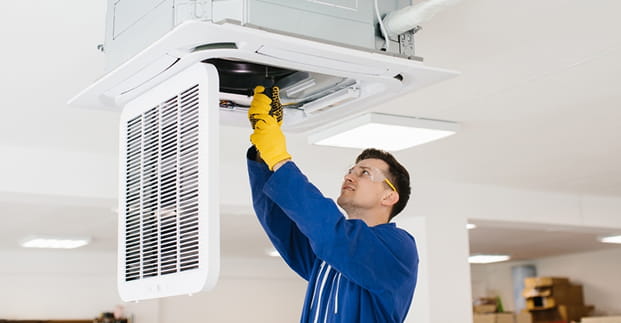
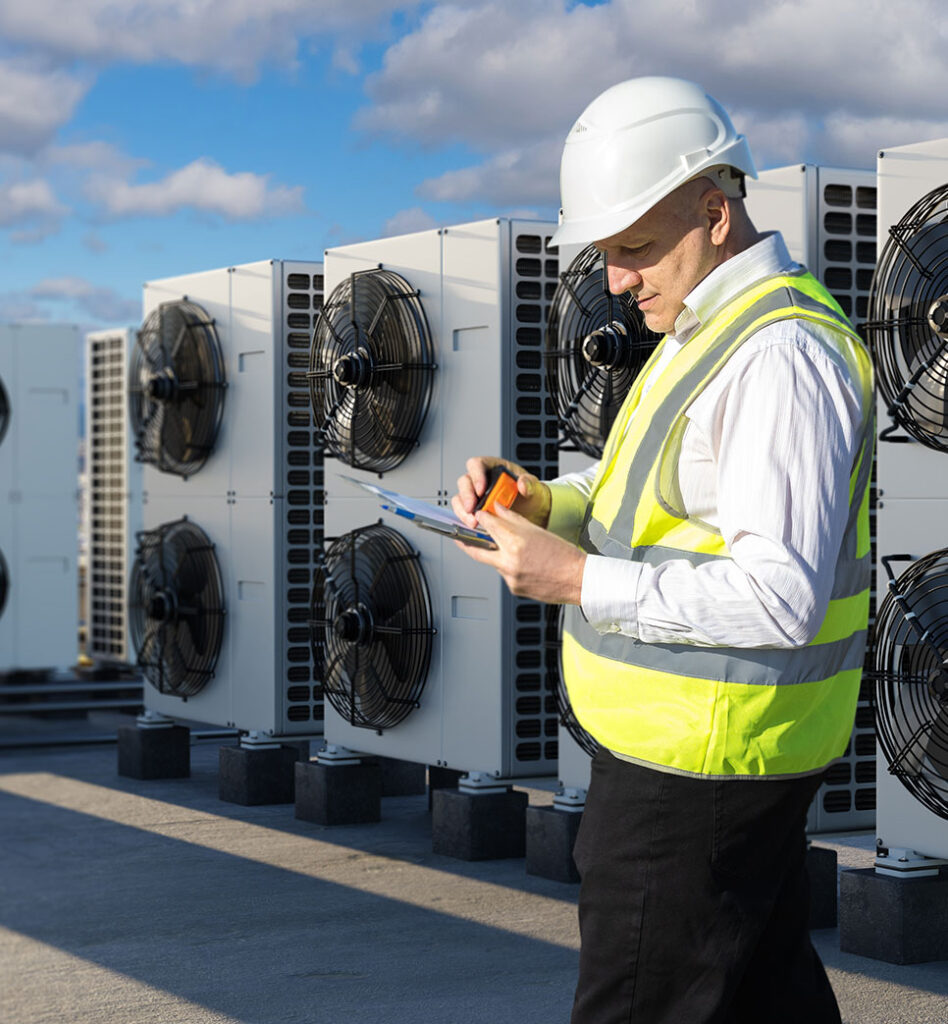
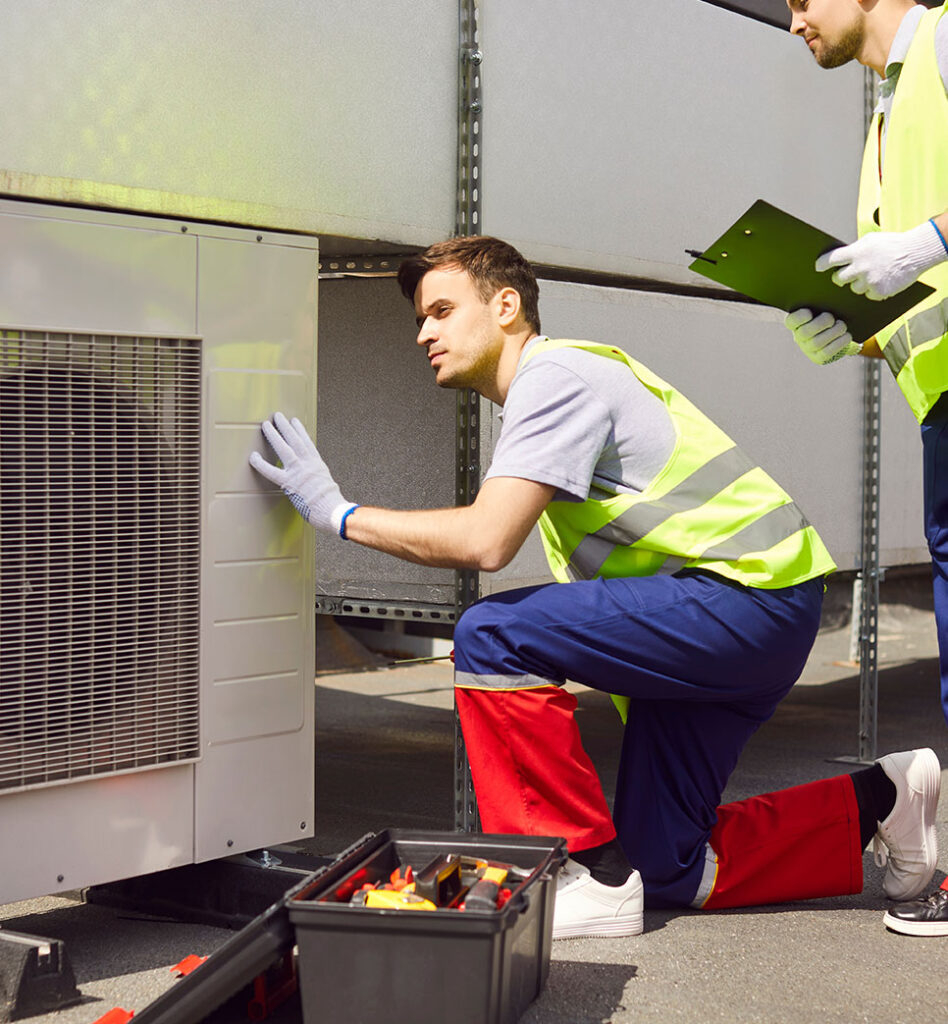
    1. Site Survey: Technicians physically inspect the building, measuring windows, checking insulation, and counting heat-generating equipment.
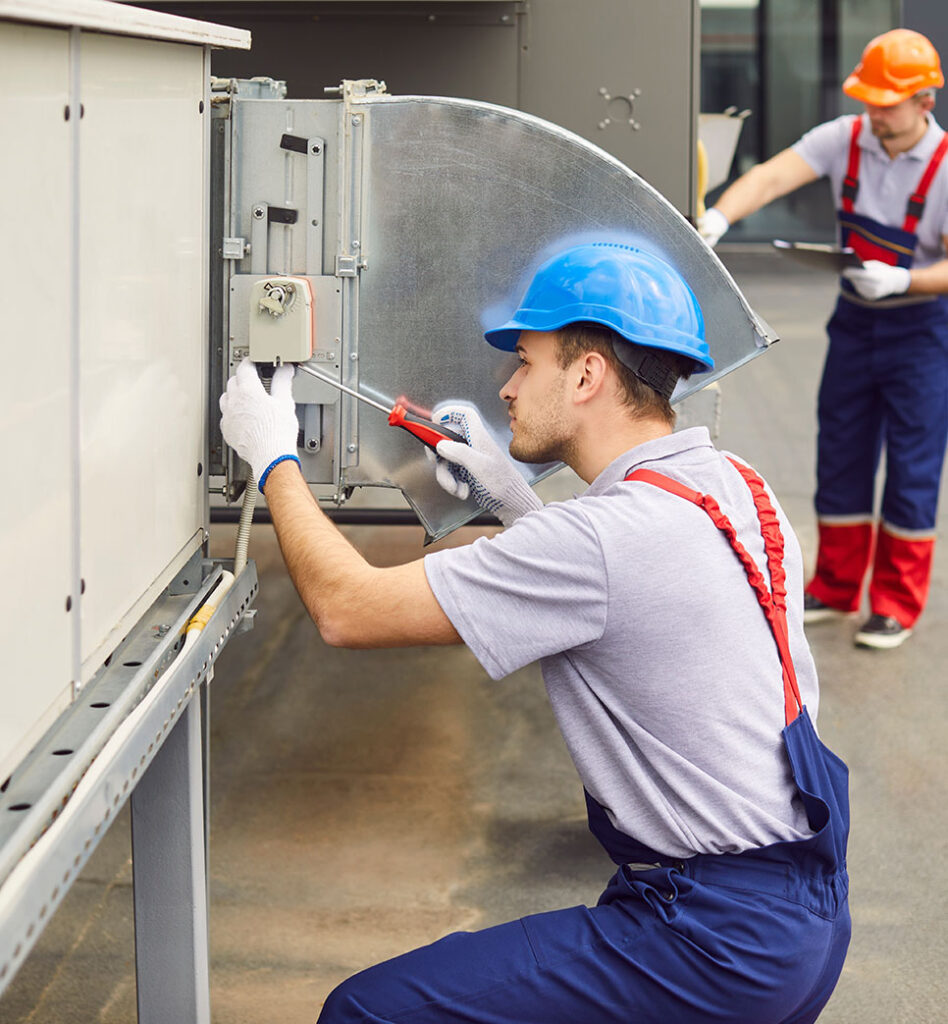
    2. Ductwork Inspection: Existing ductwork must be able to handle the airflow of the new unit. If the ducts are too small, a larger unit will suffocate and fail.
    3. Code Compliance: New installations must meet current energy codes (like Title 24 in California). Professionals ensure your selected unit meets these legal standards.
    4. Future-Proofing: A pro will ask about your future plans. Are you planning to expand? Add more employees? Remodel? The system should be sized to accommodate reasonable future growth without being grossly oversized today.

    For businesses in the South Bay, our team provides detailed assessments. Whether you are in Fremont or need Los Gatos HVAC Refrigeration Services, we can help.

    Navigating the Installation Process

    Selecting the right size is step one. Step two is ensuring it is installed correctly. A unit that is perfectly sized but poorly installed will never perform to its potential.

    Crane and Logistics

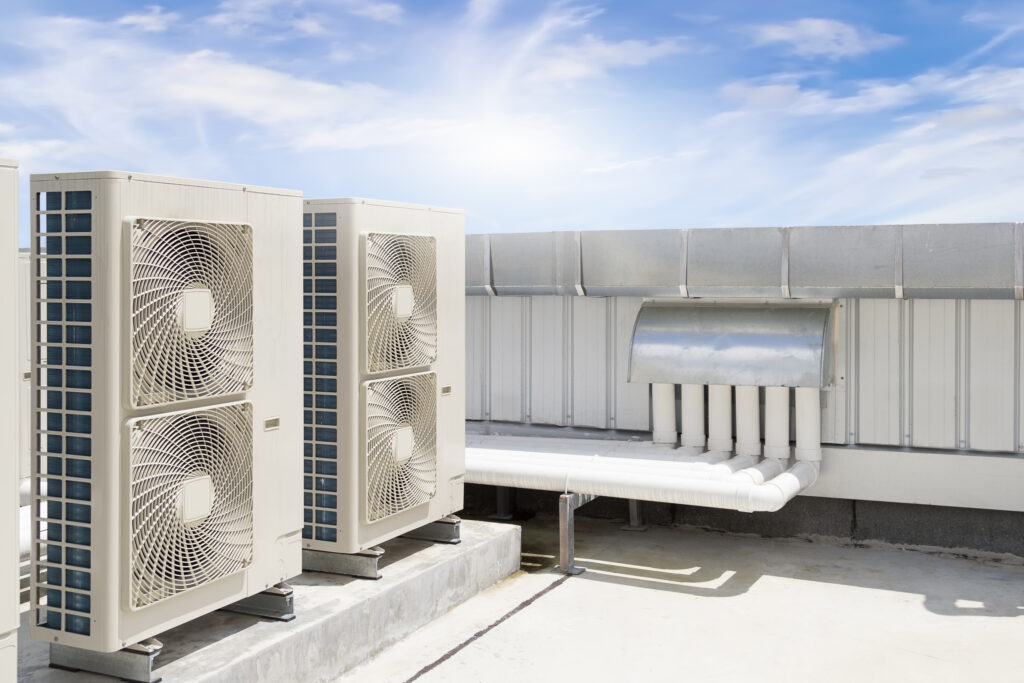
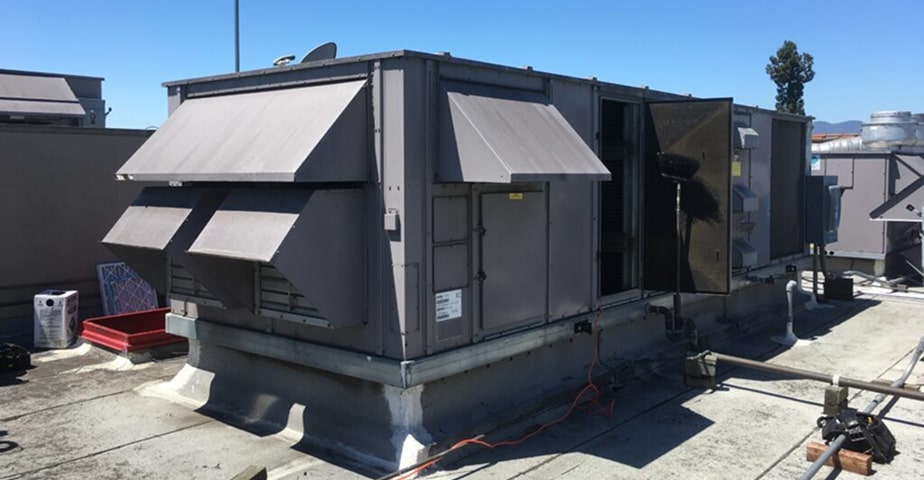
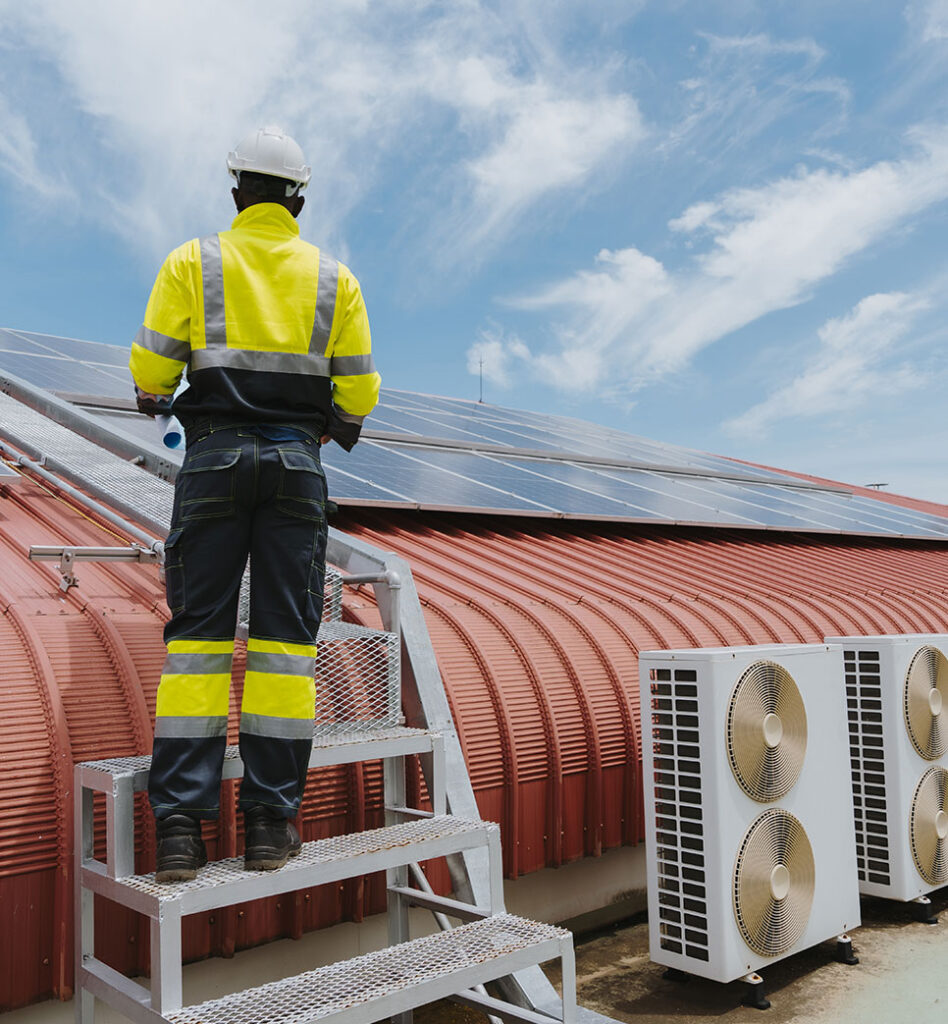
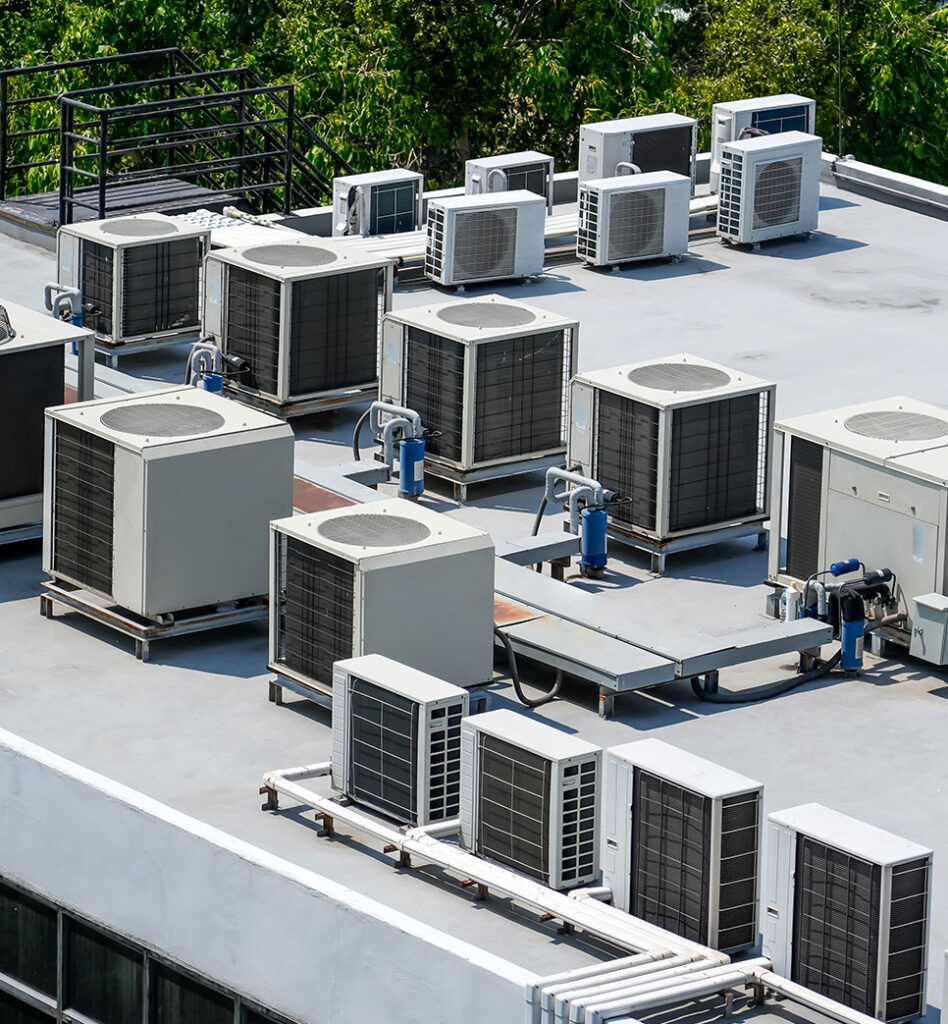
    Rooftop units (RTUs) are heavy. Replacement requires a crane, permits, and road closures in some urban areas. The physical footprint of the new unit must match the existing roof curb (the metal frame the unit sits on). If the size changes drastically, you may need a curb adapter, which adds cost and complexity.

    Electrical Requirements

    Does your building’s electrical panel have the capacity for the new unit? If you are upgrading to a more powerful unit, or if standards have changed, you may need electrical upgrades. This is something that must be identified before the crane arrives.

    Commissioning

    Once the unit is on the roof, it must be “commissioned.” This involves testing airflow, checking refrigerant charge, and calibrating thermostats. Proper commissioning ensures the unit is actually delivering the capacity you paid for.

    For comprehensive support during this process, explore our Commercial HVAC Services.

    Maintenance: Keeping Your Unit “The Right Size”

    Ideally, a unit stays the right size forever. In reality, a lack of maintenance can effectively “shrink” your unit’s capacity.

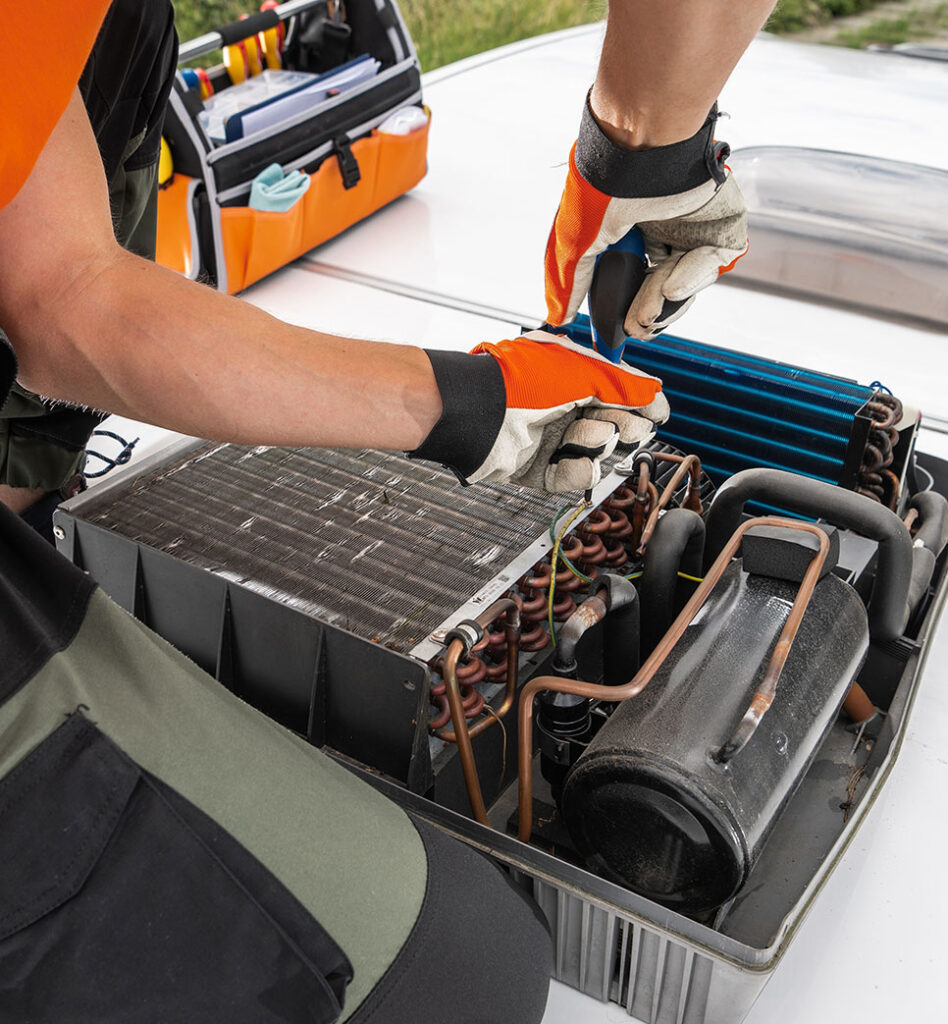
    • Dirty Coils: If the condenser or evaporator coils are clogged with dirt, the unit cannot transfer heat effectively. A 10-ton unit might only perform like a 7-ton unit if the coils are dirty.
    • Clogged Filters: Restricted airflow reduces the volume of conditioned air reaching your space.
    • Refrigerant Leaks: Low refrigerant levels drastically reduce cooling capacity and can damage the compressor.

    Regular maintenance is essential to ensure your carefully sized unit continues to perform as designed. Ignoring this leads to the same symptoms as undersizing: constant running, poor comfort, and high bills. If you need assistance with maintaining your refrigeration or HVAC components, check our Commercial Refrigeration Maintenance Services.

    Emergency Considerations

    Even with the perfect size and great maintenance, emergencies happen. A compressor can fail during a heatwave, or a storm can damage a fan. When your HVAC goes down, business stops.

    Having a relationship with a reliable service provider is crucial. You need a partner who understands your specific system and its sizing requirements. If you find yourself in a bind, our Emergency HVAC Services in San Jose, CA are designed to get you back up and running fast. We also offer specialized repair services to address specific component failures—learn more at our Commercial HVAC Repair Services page.

    Conclusion: An Investment in Comfort and Efficiency

    Choosing the right rooftop HVAC unit size is a balancing act that requires engineering expertise and a deep understanding of your specific building. It is not a place to cut corners or rely on guesswork. An undersized unit will leave you sweating and frustrated; an oversized unit will leave you clammy and broke.

    By considering factors like square footage, occupancy, heat load, and climate, and by working with certified professionals to perform accurate load calculations, you can select a system that delivers perfect comfort and optimal efficiency for years to come.

    Your building is a dynamic environment. Your HVAC system is its lungs. Ensure you choose a system that allows your business to breathe easy.

    If you are ready to evaluate your current system or are planning a new installation, don’t leave it to chance. Contact the experts who understand the unique needs of commercial buildings in the Bay Area. Whether you need a simple consultation or a full-scale replacement, we are here to help you size it right the first time.

    Frequently Asked Questions

    Q: Can I just replace my old unit with one of the same tonnage?
    A: Not necessarily. Building codes, efficiency standards, and even your building’s internal layout may have changed since the original unit was installed. It is always best to perform a new load calculation.

    Q: How does the local climate in the Bay Area affect sizing?
    A: The Bay Area has microclimates. A building in foggy San Francisco has very different cooling needs than one in sunny San Jose. Local weather data must be used in the load calculation.

    Q: What happens if I add more employees later?
    A: If significant changes occur, you may need to upgrade your system or add supplemental cooling (like a ductless split system) to specific areas.

    Q: Is a higher SEER rating always better?
    A: Higher is generally better for energy savings, but the payback period depends on how much you use the system. A professional can help you calculate the Return on Investment (ROI) for high-efficiency units.


    Stay Comfortable Year-Round With Expert HVAC Service

    Book a trusted technician to handle your heating or cooling issue—fast, professional, and done right the first time.

    Book Service Now
    Blog post Image
    Blog post Image
    Blog post Image

    Frequently Asked Questions

    How do I know when condensing unit replacement is better than repair?

    Consider replacement when repair costs exceed 50% of replacement cost, when units are over 12-15 years old, or when efficiency losses significantly increase energy bills. We provide cost-benefit analysis to help you make the right decision for your specific situation.

    What energy savings can I expect from a new high-efficiency condensing unit?

    Modern units typically achieve 20-40% energy savings compared to units installed before 2010. For a business spending $500 monthly on refrigeration energy, this represents $100-200 monthly savings that often pays for replacement within 3-5 years.

    How long does condensing unit replacement take?

    Most replacements take 1-3 days depending on unit size and installation complexity. We coordinate work around your business schedule to minimize disruption and can often provide temporary cooling during installation when necessary.

      Schedule Your Service

      Stay Comfortable Year-Round With Expert HVAC Service

      Book a trusted technician to handle your heating or cooling issue—fast, professional, and done right the first time.

      Schedule a FREE Discovery Call
      Close

      Schedule Your Service