I Want

    Residential HVACCommercial HVACRefrigerationEmergency HVAC


    Fast | No obligation

    Are Rooftop HVAC Units Energy Efficient?

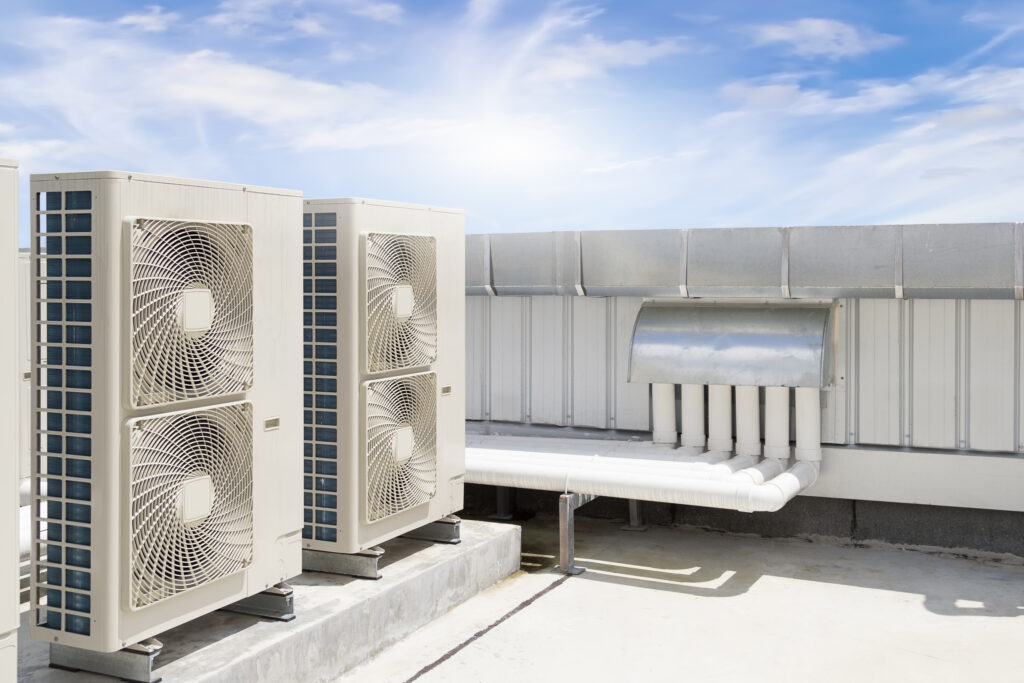
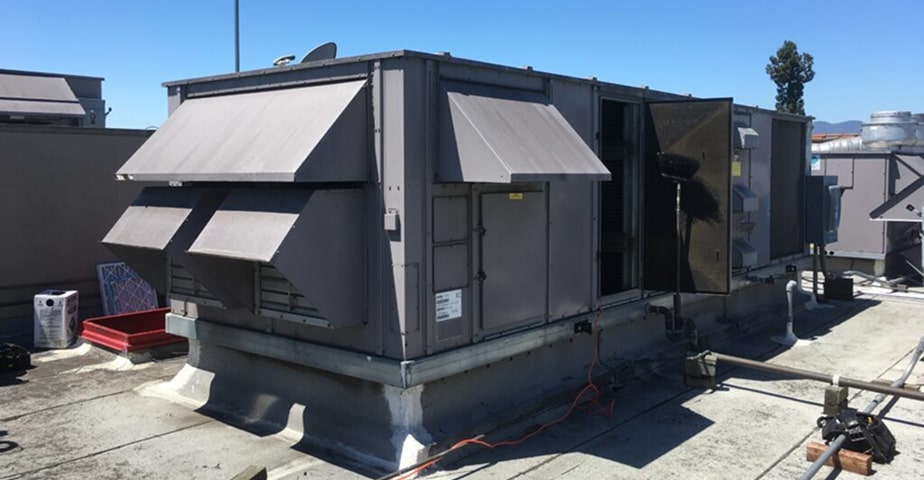
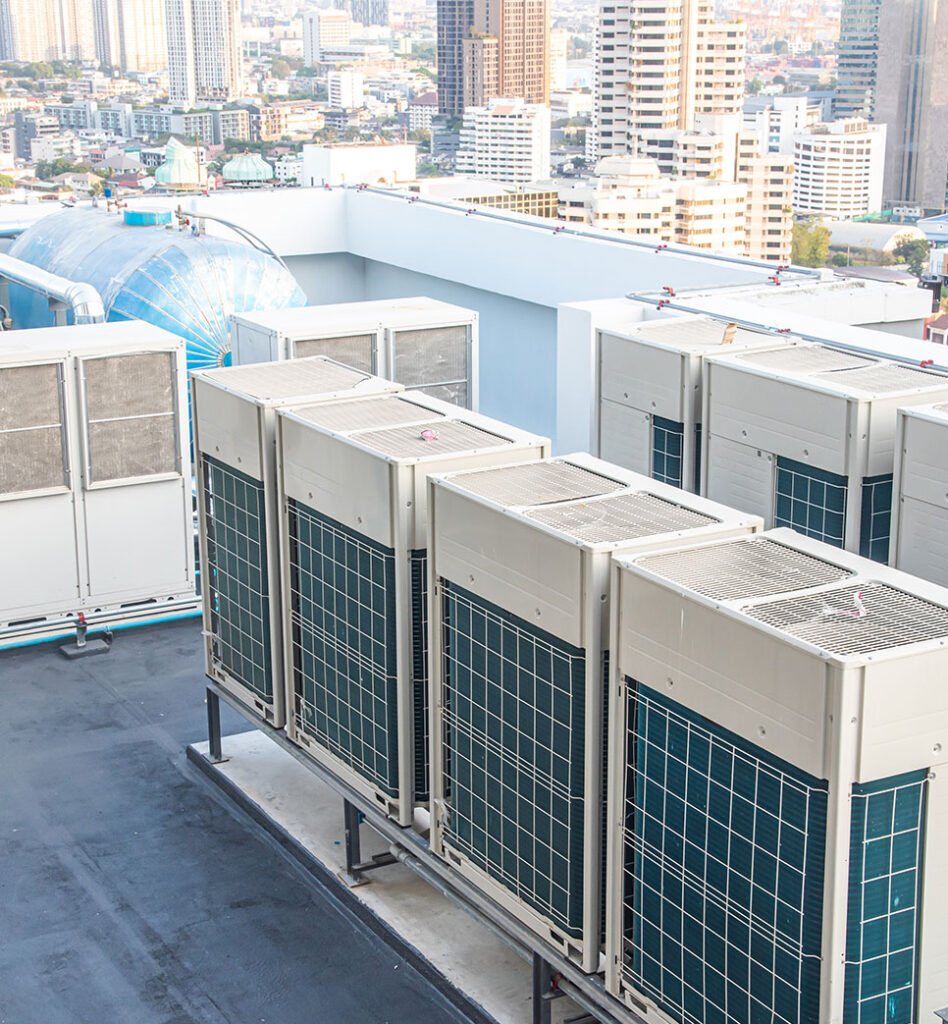
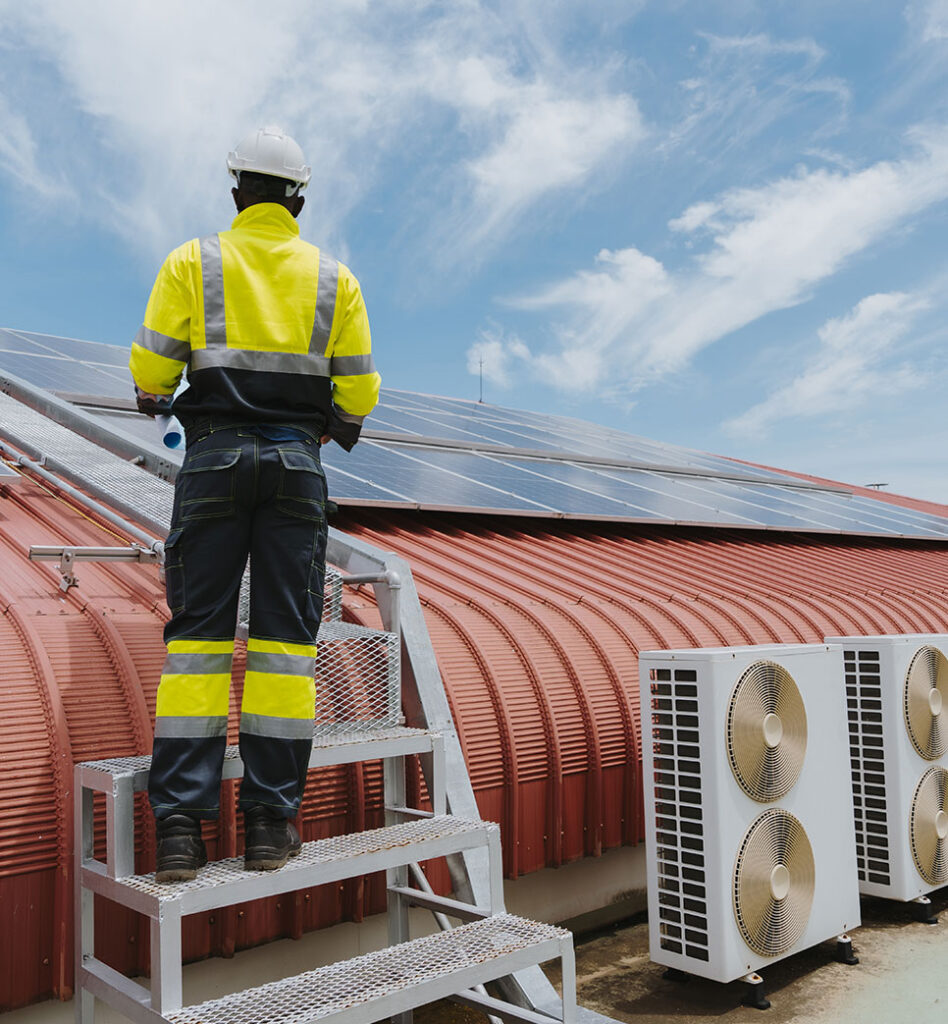
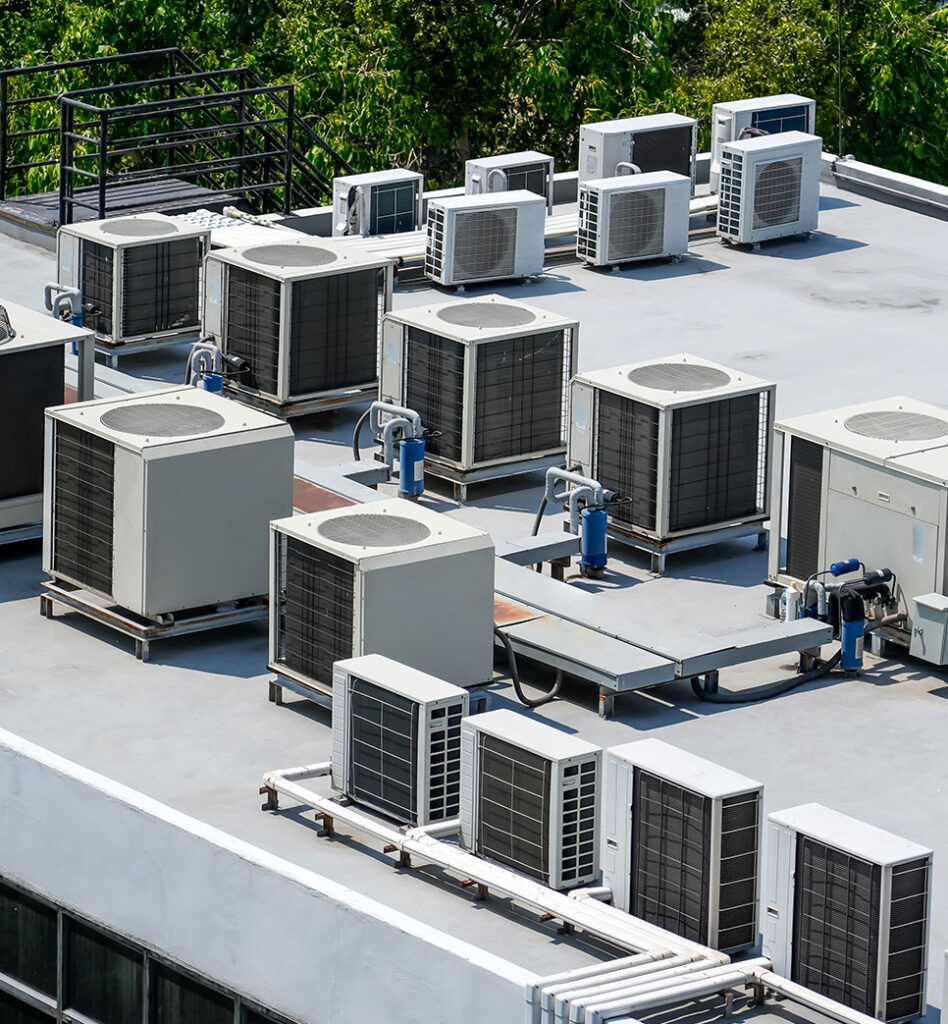
    When you look at the skyline of any commercial district, you will notice one common feature atop almost every building: large, boxy metal units. These are rooftop HVAC units, often referred to as RTUs (Rooftop Units). They are the workhorses of commercial climate control, managing the heating and cooling needs for everything from small retail strips to massive warehouses. But for business owners and facility managers, a pressing question often arises: Are rooftop HVAC units energy efficient?

    The short answer is yes, modern rooftop units can be incredibly energy efficient. However, the long answer is more nuanced. Efficiency depends on the age of the unit, how well it is maintained, the specific technology it uses, and how it was installed. In an era where operating costs are rising and environmental responsibility is paramount, understanding the energy dynamics of your commercial HVAC system is crucial.

    This comprehensive guide will explore the mechanics of rooftop units, how they save energy, and what steps you can take to maximize their performance.

    The Basics of Rooftop HVAC Efficiency

    To understand if an RTU is efficient, we first need to understand how it works. Unlike split systems found in residential homes—where the condenser is outside and the air handler is inside—a rooftop unit is a “packaged” system. All components, including the compressor, evaporator coil, and fan, are contained in one single box on the roof.

    This design offers inherent advantages. By consolidating components, manufacturers can optimize the internal airflow and refrigerant loops within a controlled factory environment. There are no long refrigerant lines running through the building, which can sometimes lead to energy loss if not insulated perfectly.

    Understanding SEER and EER Ratings

    When shopping for or evaluating an RTU, you will encounter two main acronyms: SEER (Seasonal Energy Efficiency Ratio) and EER (Energy Efficiency Ratio).

    • SEER measures the cooling efficiency of a system over an entire typical cooling season. It calculates the total cooling output during the season divided by the total electric energy input. A higher SEER rating indicates better energy efficiency.
    • EER measures the efficiency of the cooling system at a specific outdoor temperature (usually 95°F). It is a snapshot of how the unit performs under peak load conditions.

    Modern regulations have pushed these standards higher. Older units might have SEER ratings of 10 or less, while new high-efficiency models can reach SEER ratings of 18 or higher. Upgrading from an old unit to a new one can result in significant energy savings simply due to these improved standards.

    Why Rooftop Units Are Designed for Efficiency

    Rooftop units are not just convenient space-savers; they are engineered with commercial efficiency in mind. Here is why they often outperform other types of commercial heating and cooling solutions.

    1. The Economizer Advantage

    One of the most powerful features of a commercial rooftop unit is the economizer. This component allows the system to use outdoor air to cool the building when the weather is mild.

    Imagine it is a crisp autumn morning. The air outside is 60°F, but the inside of your office is getting stuffy and warm from computers, lights, and body heat. Instead of turning on the energy-hungry compressor to create cold air, the economizer opens a damper to bring in that cool, fresh outdoor air. This is essentially “free cooling.” It significantly reduces the load on the compressor, which is the most power-consuming part of an HVAC system.

    2. Variable Speed Technology

    Older HVAC systems operated like a light switch: they were either 100% on or 100% off. This creates a pattern of short-cycling, where the unit blasts cold air, satisfies the thermostat, shuts off, and then starts up again a few minutes later. This starting and stopping requires a massive surge of electricity.

    Modern high-efficiency RTUs often utilize variable speed fans and multi-stage compressors. These systems can ramp up or down to meet the specific demand of the building. If you only need a little bit of cooling, the system runs at a lower capacity. This “cruise control” approach maintains a steady temperature while using a fraction of the energy.

    3. Zoned Temperature Control

    Rooftop units are excellent for zoning. In a large commercial building, you rarely need the warehouse to be the same temperature as the executive boardroom. By using a system of dampers and multiple RTUs, you can direct heating and cooling only where it is needed.

    For example, if a conference room is empty, you don’t need to blast AC into it. Zoning allows you to reduce energy waste by conditioning occupied spaces rather than the entire volume of the building at once.

    If you are looking to upgrade your current setup to take advantage of these features, exploring professional commercial HVAC replacement services is a smart first step.

    Factors That Kill Efficiency

    Even the most high-tech, high-SEER rooftop unit can become an energy hog if certain factors are ignored. Efficiency is not just about the machine; it is about the environment it operates in.

    Neglected Maintenance

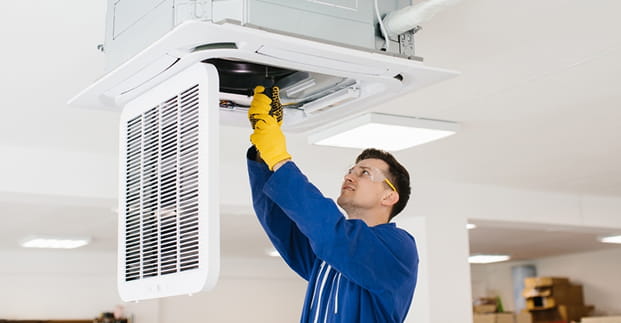
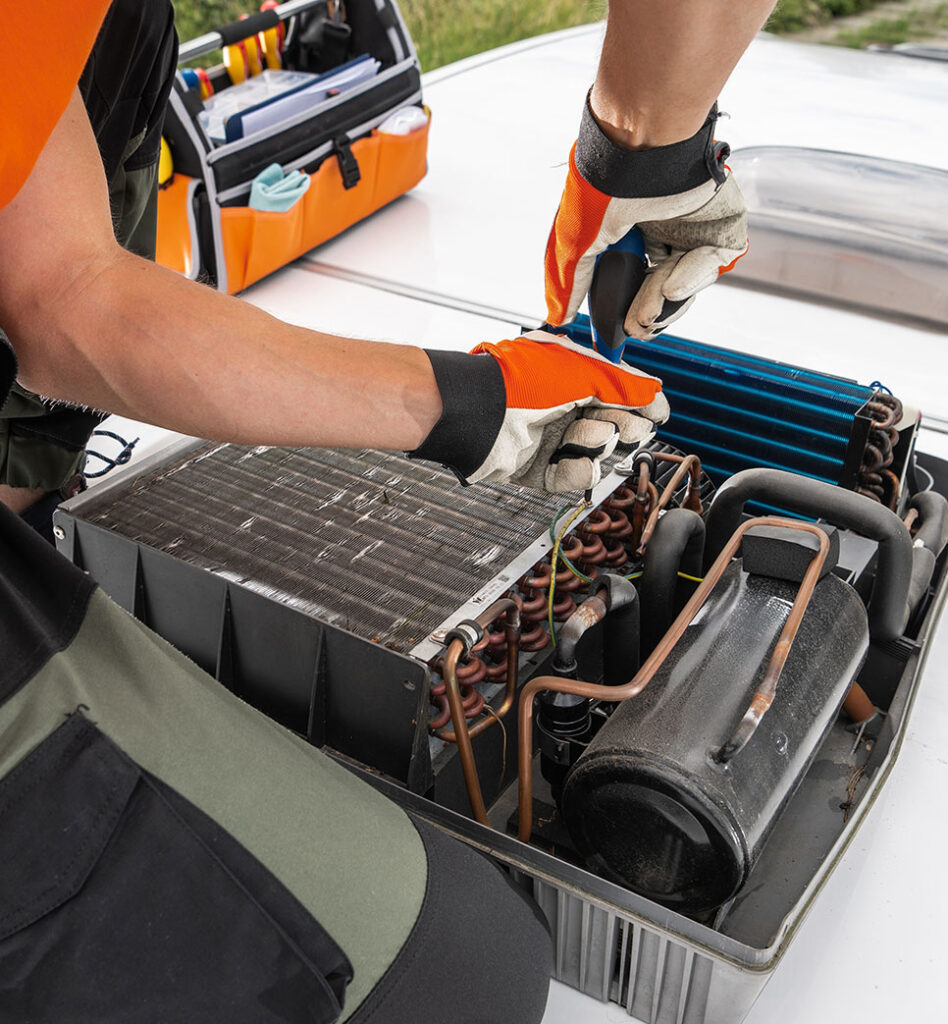
    This is the number one enemy of efficiency. A dirty filter restricts airflow, forcing the fan to work harder. Dirty condenser coils struggle to release heat, causing the compressor to run longer and hotter. A slipping belt reduces fan speed, leading to poor air circulation.

    Studies have shown that regular maintenance can preserve up to 95% of a unit’s original efficiency. Conversely, neglecting maintenance can increase energy consumption by 10% to 25% or more. If you haven’t had your system checked recently, consider scheduling commercial HVAC maintenance services to get your system back to peak performance.

    Improper Sizing

    Bigger is not always better. If an HVAC contractor installs a unit that is too large for your building (oversized), it will cool the space too quickly and shut off. This leads to constant short-cycling, which wears out parts faster and uses excessive electricity during startup.

    Conversely, an undersized unit will run constantly, never quite reaching the set temperature. It will strain under the load, driving up your electric bill without providing comfort. Proper load calculation is essential during installation.

    Ductwork Issues

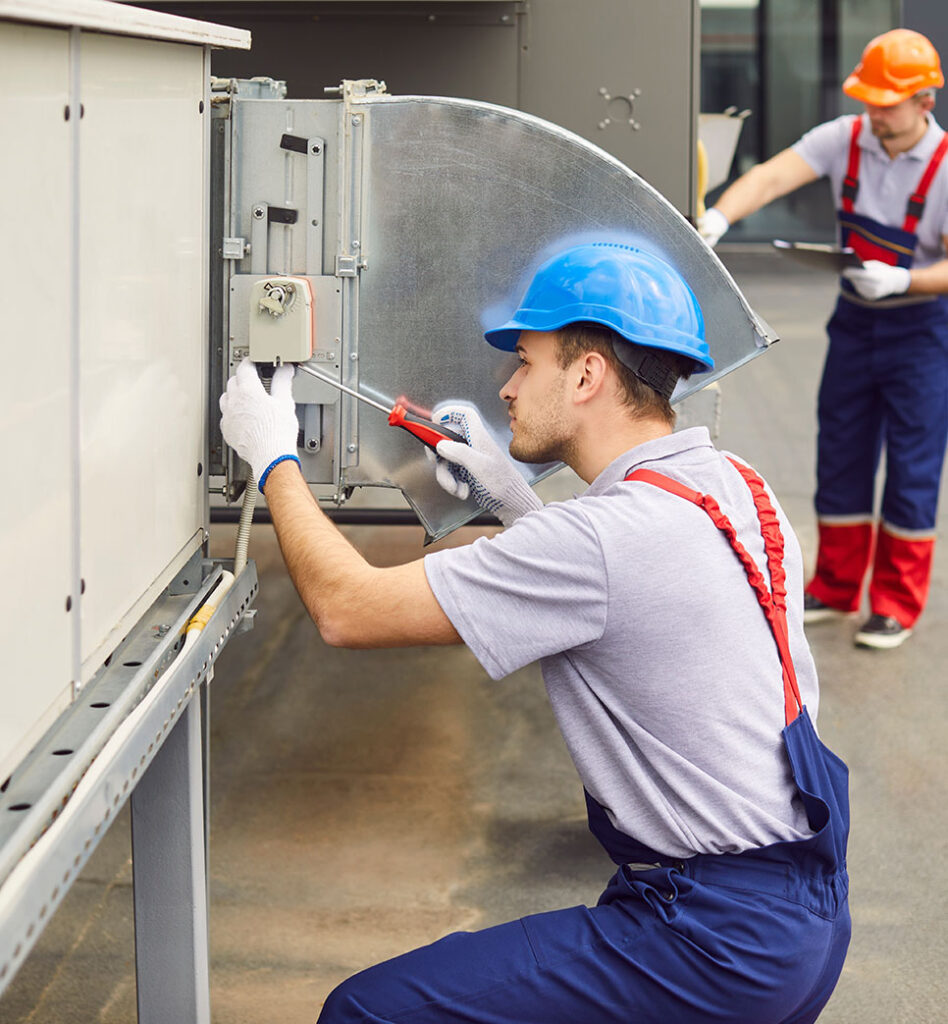
    The rooftop unit pushes air down into the building through ductwork. If these ducts are leaky, poorly insulated, or constricted, you lose the energy you just paid to create. Leaky ducts can account for significant energy loss in commercial buildings. Since the RTU sits on the roof, the connection point where the ductwork enters the building is particularly vulnerable to leaks if not sealed correctly.

    The Role of Smart Thermostats and Controls

    In the past, commercial buildings relied on simple programmable thermostats. Today, building automation systems (BAS) and smart controls have revolutionized energy management.

    Smart controls can monitor the performance of your rooftop unit in real-time. They can detect if a damper is stuck, if CO2 levels are rising (requiring more ventilation), or if the system is drifting from its schedule. By optimizing the runtime of the RTU based on actual occupancy and weather data, these systems ensure you aren’t paying to cool an empty building.

    Connecting your RTU to a smart management system transforms it from a reactive machine into a proactive energy-saving asset.

    Improving the Efficiency of Existing Units

    You don’t always need to buy a brand-new unit to see energy savings. There are several retrofits and strategies you can apply to your existing equipment.

    Coil Cleaning and Protection

    Over time, the coils on your rooftop unit accumulate dust, pollen, and even grease from nearby kitchen exhaust vents. This layer of grime acts like an insulating blanket, trapping heat inside the system. Regular, deep cleaning of these coils is one of the most cost-effective ways to restore efficiency.

    Installing Demand-Controlled Ventilation (DCV)

    Standard ventilation brings in a fixed amount of outdoor air regardless of how many people are inside. DCV uses sensors to measure CO2 levels. If the building has few occupants, CO2 levels will be low, and the system will reduce the intake of outdoor air. This means the RTU has less hot or cold outdoor air to condition, saving significant energy.

    Reflective Roof Coatings

    Believe it or not, the roof itself impacts your HVAC unit. Dark roofs absorb massive amounts of heat from the sun, creating a “heat island” effect around your RTU. This means the unit is sucking in super-heated air, making it work harder to cool it down. Applying a reflective white coating to the roof around the unit can lower the ambient temperature, giving your HVAC system a break.

    When Should You Repair vs. Replace?

    This is the dilemma every facility manager faces. Is it more energy-efficient to keep repairing an old unit, or should you bite the bullet and replace it?

    There is a rule of thumb in the industry often called the “50% Rule.” If the cost of repairs approaches 50% of the value of the system, it is usually better to replace it. However, from an energy perspective, you should also look at age.

    Commercial rooftop units typically last 15 to 20 years. If your unit is over 15 years old, it likely has a SEER rating far below current standards. Even if it is running “fine,” it might be costing you hundreds or thousands of extra dollars a year in electricity compared to a new model.

    Sometimes, a targeted repair is all that is needed to boost efficiency. Fixing a refrigerant leak, replacing a worn motor, or calibrating the thermostat can yield immediate results. For expert diagnostics, reliable commercial HVAC repair services are essential to determining the true health of your system.

    The Environmental Impact

    Energy efficiency isn’t just about the bottom line; it’s about corporate responsibility. Commercial buildings are significant consumers of energy. By optimizing your rooftop HVAC units, you lower your building’s carbon footprint.

    High-efficiency units use less electricity, which means less demand on power plants. Furthermore, newer units use more environmentally friendly refrigerants that do not deplete the ozone layer. Showcasing your commitment to green energy practices can also be a strong marketing point for your business, attracting eco-conscious customers and tenants.

    Special Considerations for Server Rooms

    While general office spaces have standard cooling needs, some areas require specialized attention. Server rooms generate a tremendous amount of heat 24/7. A standard rooftop unit might struggle to handle this concentrated heat load efficiently, especially during winter when the rest of the building needs heat.

    In these cases, relying solely on the main building’s RTU is inefficient. The main unit would have to run cooling cycles just for one room while the rest of the building freezes. Dedicated commercial server room cooling services often involve installing split systems or precision cooling units that operate independently. This allows the main rooftop unit to cycle off or switch to heating mode without risking a server meltdown.

    Choosing the Right Partner for Efficiency

    Achieving maximum energy efficiency with rooftop units is not a DIY project. It requires a deep understanding of thermodynamics, electrical systems, and airflow dynamics. Partnering with a qualified commercial HVAC provider is non-negotiable.

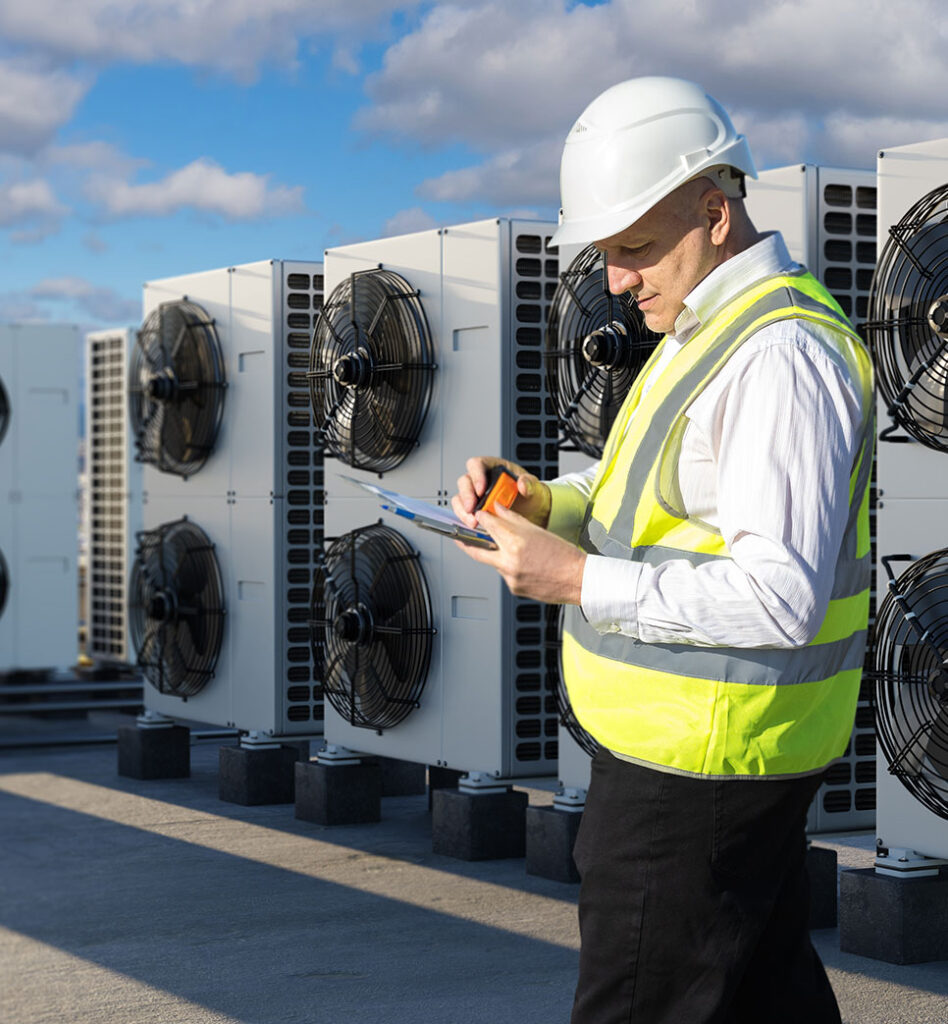
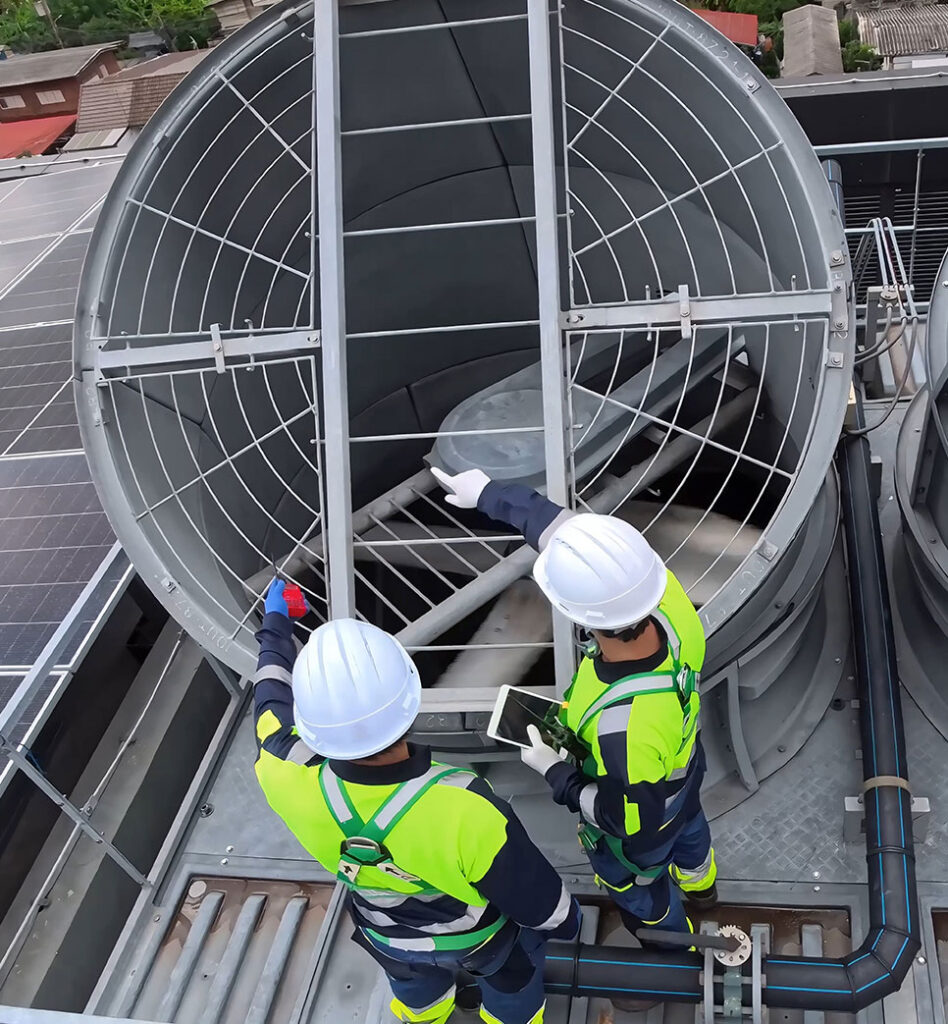
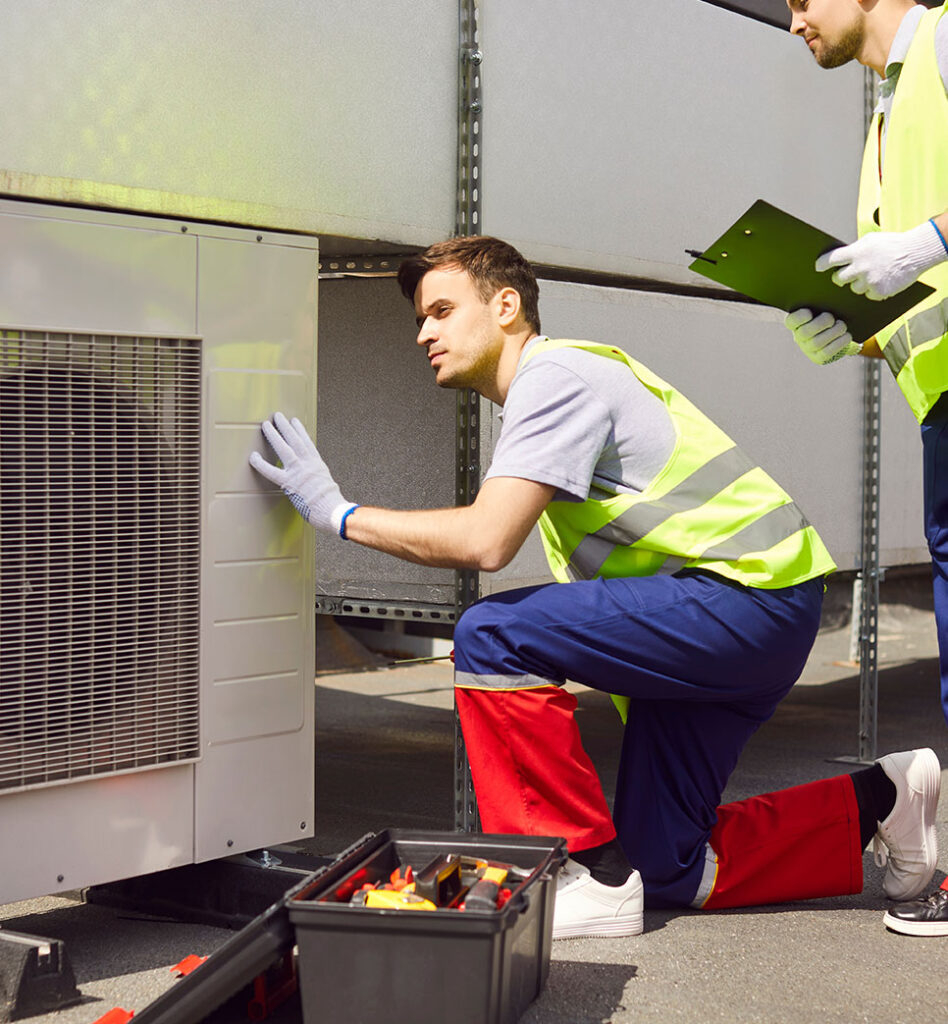
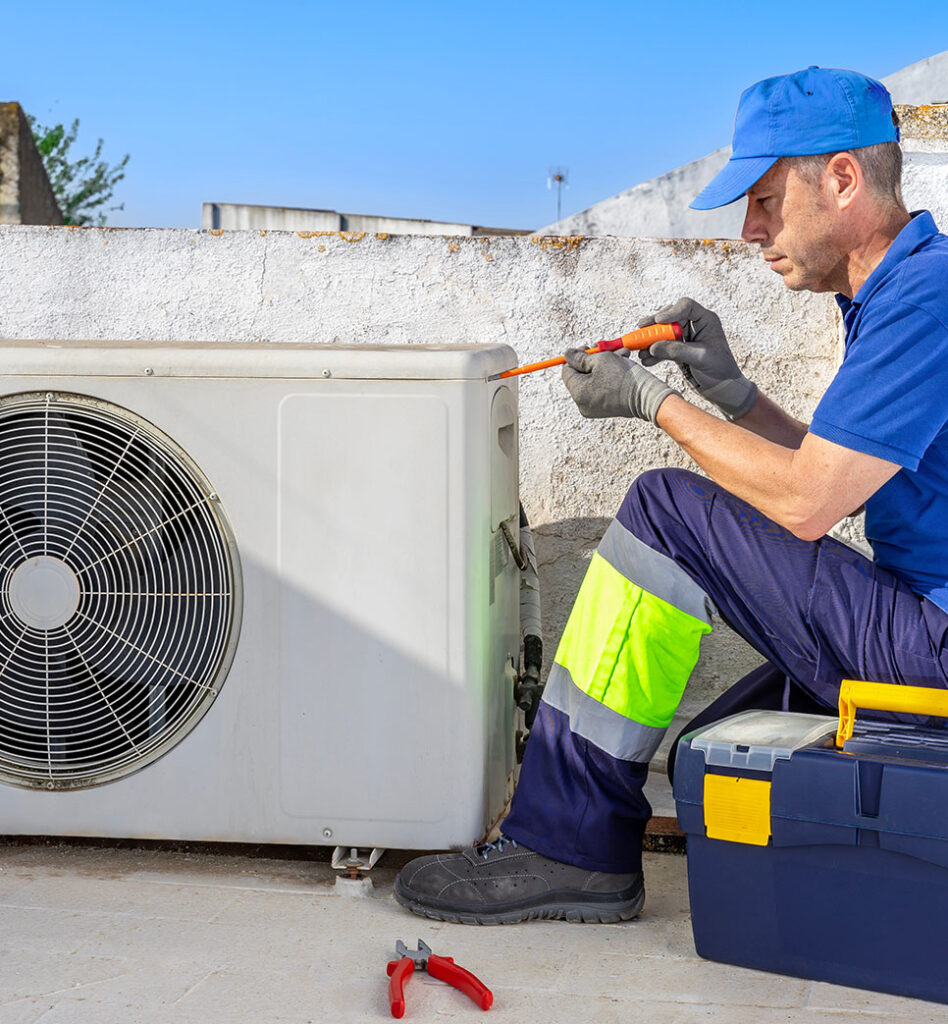
    A professional technician does more than just swap filters. They measure superheat and subcooling to ensure refrigerant levels are exact. They check amp draws on motors to detect early signs of wear. They verify that economizers are actually opening and closing as intended—a common point of failure that goes unnoticed by laypeople.

    Whether you need routine check-ups or are planning a major overhaul, having a trusted partner like 1-800-CoolAid ensures your equipment is an asset, not a liability. Our team specializes in comprehensive commercial HVAC services, helping businesses throughout the Bay Area optimize their climate control systems.

    Conclusion: Are They Efficient? It’s Up to You.

    So, are rooftop HVAC units energy efficient? Yes, they absolutely can be. They are designed with the potential for exceptional performance, offering features like economizers and consolidated packaging that other systems lack.

    However, that efficiency is not guaranteed forever. It must be maintained. A neglected RTU is a massive energy drain, while a well-maintained, modern RTU is a marvel of engineering that keeps overhead costs low.

    By investing in regular maintenance, utilizing smart controls, and knowing when to upgrade, you can ensure your rooftop units deliver comfort without breaking the bank. Don’t let your profits evaporate through the roof. Take control of your HVAC efficiency today.

    If you suspect your commercial system is costing you more than it should, or if you simply want to ensure you are getting the most out of your equipment, contact the experts. We can assess your current setup, recommend improvements, and help you achieve a greener, more cost-effective operation.

    Visit our commercial refrigeration services or general HVAC pages to learn more about how we can support your business goals. Efficiency is just a service call away.


    Stay Comfortable Year-Round With Expert HVAC Service

    Book a trusted technician to handle your heating or cooling issue—fast, professional, and done right the first time.

    Book Service Now
    Blog post Image
    Blog post Image
    Blog post Image

    Frequently Asked Questions

    How do I know when condensing unit replacement is better than repair?

    Consider replacement when repair costs exceed 50% of replacement cost, when units are over 12-15 years old, or when efficiency losses significantly increase energy bills. We provide cost-benefit analysis to help you make the right decision for your specific situation.

    What energy savings can I expect from a new high-efficiency condensing unit?

    Modern units typically achieve 20-40% energy savings compared to units installed before 2010. For a business spending $500 monthly on refrigeration energy, this represents $100-200 monthly savings that often pays for replacement within 3-5 years.

    How long does condensing unit replacement take?

    Most replacements take 1-3 days depending on unit size and installation complexity. We coordinate work around your business schedule to minimize disruption and can often provide temporary cooling during installation when necessary.

      Schedule Your Service

      Stay Comfortable Year-Round With Expert HVAC Service

      Book a trusted technician to handle your heating or cooling issue—fast, professional, and done right the first time.

      Schedule a FREE Discovery Call
      Close

      Schedule Your Service